
In the hyper-competitive landscape of the modern consumer packaged goods (CPG) industry, a single phrase on a label can be the difference between a product being perceived as a commodity or a premium lifestyle choice. One such phrase that has surged in prominence is “expeller pressed.” While technically a description of a mechanical extraction process used for oils and fats, its true power lies in its application as a brand strategy tool.
For brand strategists, marketing executives, and entrepreneurs, understanding why “expeller pressed” resonates with consumers is not a lesson in food science—it is a lesson in corporate identity, consumer psychology, and the art of differentiation. This article explores how a technical manufacturing process has been transformed into a cornerstone of brand equity and a symbol of the “clean label” movement.
The Power of Ingredient Storytelling: Beyond the Extraction Method
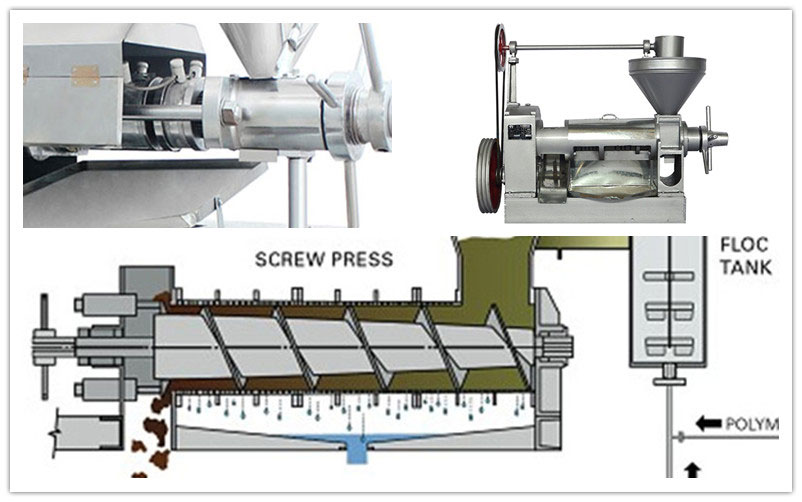
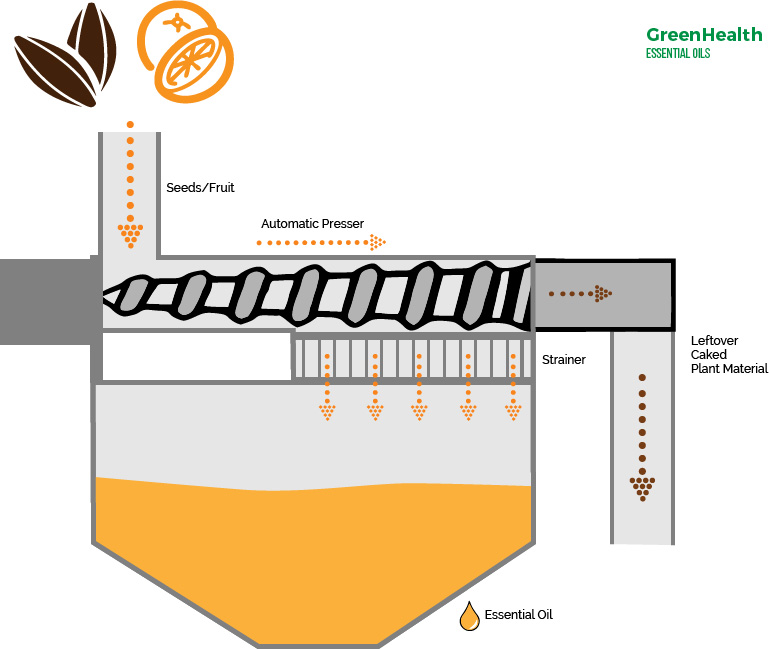
At its core, “expeller pressed” refers to a method of extracting oil by physically squeezing the raw material (seeds, nuts, or fruit) through a mechanical press. This stands in stark contrast to the standard industrial method of solvent extraction, which utilizes chemicals like hexane to maximize yield. From a brand perspective, the “how” of production is becoming just as important as the “what.”
Redefining Quality Through Process
In traditional marketing, quality was often defined by the end result—the taste, the color, or the shelf-life. However, modern brand strategy has shifted toward “process-based quality.” By highlighting that an oil is expeller pressed, a brand is telling a story of preservation. It suggests that the integrity of the ingredient has been maintained through physical force rather than chemical intervention.
This narrative allows a brand to position itself as a “custodian” of the ingredient. Instead of “manufacturing” a product, the brand is “harvesting” its essence. This subtle shift in language elevates the perceived value of the product, justifying a higher price point and fostering a deeper emotional connection with the consumer.
The Psychology of “Clean” Terminology
The term “expeller pressed” functions as a powerful heuristic for the health-conscious shopper. Most consumers do not understand the mechanics of a screw press, but they instinctively recognize what the term doesn’t mean: it doesn’t mean chemicals, it doesn’t mean high-heat industrial refining, and it doesn’t mean “ultra-processed.”
Brands that leverage this terminology are tapping into the “Halo Effect.” By using a phrase that sounds traditional, mechanical, and transparent, the entire brand inherits an aura of being “natural” or “wholesome.” This is a critical component of personal and corporate branding in the 21st century—choosing the right technical language to signal a specific set of values.
Strategic Differentiation in a Crowded Commodity Market
The cooking oil and fats market is notoriously difficult for brand builders. When products are viewed as interchangeable commodities (like canola or sunflower oil), the only lever left to pull is price. This leads to a “race to the bottom” that erodes margins and kills brand loyalty. “Expeller pressed” serves as a strategic wedge to break out of this cycle.
Moving from Price-Point to Value-Point
By adopting the expeller-pressed narrative, a brand moves its product from the “Economy” segment to the “Premium” or “Specialty” segment. This is a classic example of “de-commoditization.” When a brand chooses to invest in mechanical pressing—which is inherently less efficient and more expensive than solvent extraction—it is making a strategic choice to prioritize brand identity over short-term manufacturing margins.
The value proposition shifts from “This is the cheapest way to cook your food” to “This is a premium ingredient that respects your health and the environment.” This allows for higher retail margins and attracts a demographic that is less price-sensitive and more brand-loyal.
Building Trust through Technical Disclosure
In an era of deep skepticism toward “Big Food,” transparency is the ultimate currency. Brands that go into detail about their extraction methods—using terms like “cold-pressed” or “expeller-pressed”—are practicing radical transparency.
This disclosure builds a “Trust Bridge” with the consumer. It says, “We have nothing to hide; in fact, we are proud of our methods.” In corporate identity design, this honesty becomes a core pillar of the brand’s DNA. It transforms the brand from a faceless entity into a transparent partner in the consumer’s wellness journey.

The “Clean Label” Revolution and Brand Identity
The rise of the “expeller pressed” label is inextricably linked to the broader Clean Label movement. Consumers are increasingly scrutinizing back-of-pack labels, looking for ingredients they recognize and processes they trust. This has forced a fundamental shift in how brands approach their visual and verbal identity.
Minimalism as a Design and Philosophy Strategy
Brands that focus on expeller-pressed products often adopt a minimalist aesthetic. The packaging usually features clean lines, earth tones, and a focus on the raw ingredient. This design choice is a visual representation of the “expeller pressed” philosophy: nothing added, nothing hidden.
This alignment between the method (mechanical pressing) and the visual identity (minimalist design) creates a cohesive brand experience. If a brand claims to be “pure” and “expeller pressed” but uses chaotic, neon-colored packaging, the cognitive dissonance would alienate the target audience. The brand strategy must be holistic, ensuring that the “mechanical” nature of the process is felt in every touchpoint of the brand.
Addressing the Informed Consumer
Today’s “Prosumer” (professional consumer) is highly educated. They read blogs, watch documentaries about food production, and follow influencers who analyze ingredient lists. For these consumers, “expeller pressed” is a non-negotiable standard.
Brands that fail to adopt these standards, or fail to communicate them effectively, risk becoming irrelevant to the fastest-growing segment of the market. Marketing a product as “Natural” is no longer enough; the claim must be backed by specific, verifiable processes. “Expeller pressed” provides that verification, acting as a “Proof of Concept” for the brand’s claims.
Corporate Responsibility and the Ethics of Production
Finally, “expeller pressed” has become a shorthand for a brand’s commitment to environmental and social governance (ESG). In the world of corporate branding, how a company treats the earth is now a primary indicator of its character.
Sustainability as a Brand Pillar
Chemical extraction processes, particularly those involving hexane, carry an environmental footprint. By opting for mechanical expeller pressing, a company can legitimately claim a “cleaner” production cycle. This becomes a vital part of the brand’s sustainability report and its public-facing CSR (Corporate Social Responsibility) narrative.
When a brand markets its oil as expeller pressed, it is often also signaling a commitment to non-GMO sourcing and organic farming. These three pillars—mechanical extraction, non-GMO, and organic—form a “triad of trust” that defines the modern premium food brand.
Navigating the Trade-offs of Premium Positioning
The decision to focus a brand on expeller-pressed methods is not without risk. It requires a higher COGS (Cost of Goods Sold) and a more complex supply chain. However, from a brand equity perspective, these challenges are “moats.” They are difficult for low-cost competitors to replicate.
The strategic insight here is that the difficulty of the process is what gives the brand its value. If it were easy, it wouldn’t be a differentiator. By leaning into the artisanal, mechanical, and slightly less efficient nature of expeller pressing, a brand secures a unique position in the market that is resistant to price wars and generic competition.
Conclusion: The Language of the Modern Brand
“Expeller pressed” is more than just a mechanical description; it is a powerful linguistic tool in the arsenal of brand strategy. It communicates quality, transparency, health, and environmental stewardship without requiring a paragraph of explanation.
In a world where consumers are overwhelmed by choices and starved for trust, the brands that win are those that can simplify their message while deepening their meaning. By centering a brand around the integrity of the “expeller pressed” process, companies can transition from selling a product to selling a set of values. In the end, consumers aren’t just buying oil—they are buying the peace of mind that comes from a brand that respects the process as much as the product.
aViewFromTheCave is a participant in the Amazon Services LLC Associates Program, an affiliate advertising program designed to provide a means for sites to earn advertising fees by advertising and linking to Amazon.com. Amazon, the Amazon logo, AmazonSupply, and the AmazonSupply logo are trademarks of Amazon.com, Inc. or its affiliates. As an Amazon Associate we earn affiliate commissions from qualifying purchases.