
The word “exosphere” might sound like something out of a science fiction novel, conjuring images of distant galaxies and the void of space. And in a way, it is. The exosphere represents the outermost layer of Earth’s atmosphere, a tenuous and mysterious region where our planet’s gaseous envelope gradually fades into the vacuum of space. But understanding the exosphere isn’t just an academic pursuit for astronomers and atmospheric scientists; it has surprisingly relevant connections to the technological advancements we experience daily, the strategies brands employ to connect with us, and even the financial implications of space exploration and its derivative industries.
This article will delve into the fundamental nature of the exosphere, exploring its unique characteristics and its crucial role in the grander scheme of our planet. We’ll then bridge this scientific concept to the core topics of our website: Tech, Brand, and Money, demonstrating how this seemingly remote layer of our atmosphere intersects with our modern world in unexpected and impactful ways.
The Exosphere: Earth’s Atmospheric Frontier
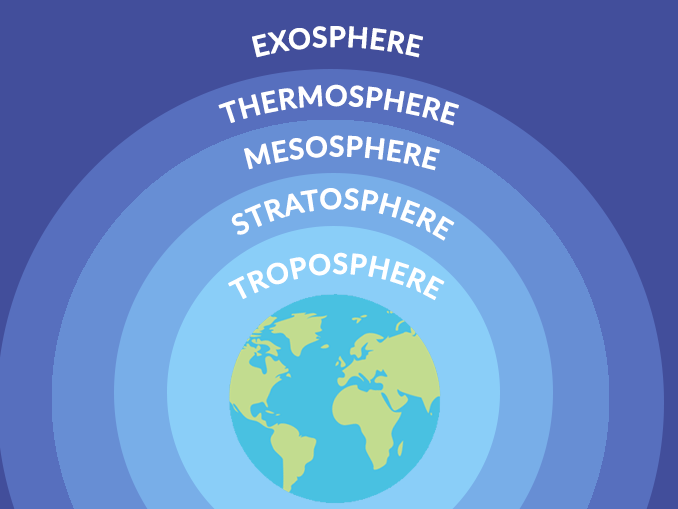
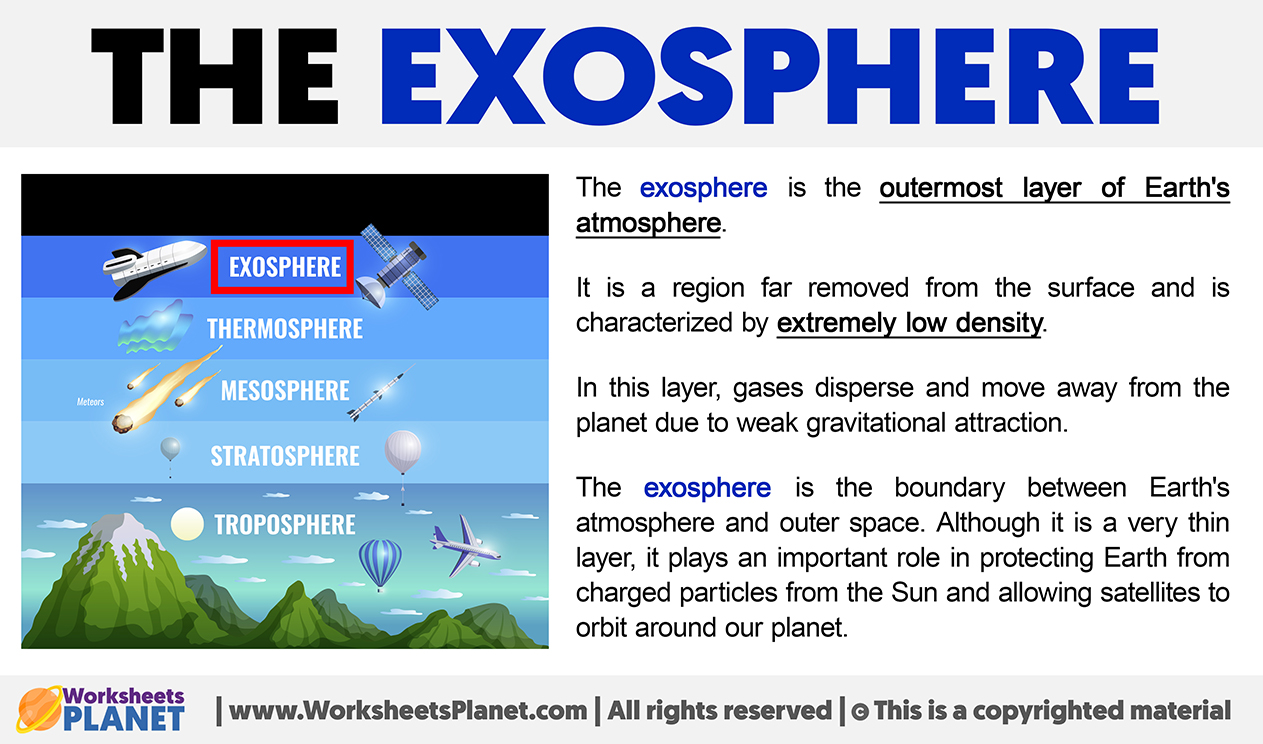
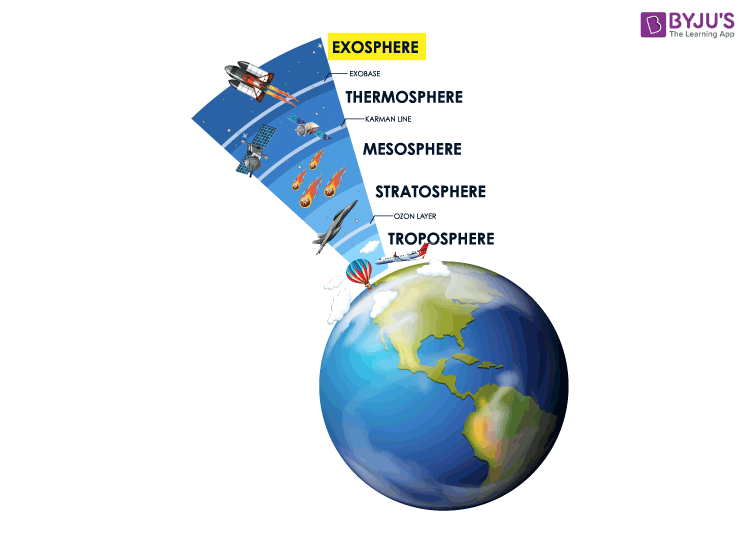
The exosphere is the final frontier of Earth’s atmosphere, a region so diffuse that it’s often considered the transitional zone between our planet and outer space. Unlike the denser layers below – the troposphere, stratosphere, mesosphere, and thermosphere – the exosphere is characterized by extremely low particle density. Here, gas molecules are so far apart that they rarely collide with one another. Instead, they follow ballistic trajectories, influenced primarily by Earth’s gravity and occasionally by solar radiation.
Defining the Boundaries: A Gradual Dissipation
Pinpointing the exact start and end of the exosphere is a challenge due to its gradual nature. There isn’t a sharp, defined boundary. However, it’s generally understood to begin at the top of the thermosphere, roughly 500 to 1,000 kilometers (310 to 620 miles) above Earth’s surface, and extends outwards for thousands of kilometers, eventually merging with the interplanetary medium. The upper limit is so indistinct that some scientists consider it to extend all the way to the Moon.
The primary constituents of the exosphere are hydrogen and helium, the lightest elements. Oxygen and nitrogen, which dominate the lower atmosphere, are present in minuscule quantities at these altitudes. These atoms and molecules are so sparse that the mean free path – the average distance a particle travels before colliding with another – can be hundreds of kilometers. This lack of collisions means that atmospheric pressure is virtually nonexistent, and temperature, as we typically understand it, becomes a less meaningful concept. Instead, kinetic energy of individual particles is more relevant.
Unique Characteristics of the Exosphere
The exosphere’s distinct properties make it a fascinating subject of study:
- Extreme Rarity of Particles: The most defining characteristic is its incredibly low density. This means that many phenomena we associate with an atmosphere, such as weather, sound propagation, and even the scattering of sunlight that creates our blue sky, simply do not occur here.
- Ballistic Trajectories: Particles in the exosphere move in essentially straight lines, governed by gravitational forces and solar wind interactions. They can escape Earth’s gravity altogether if they gain enough velocity, a process known as atmospheric escape.
- Interaction with Space: The exosphere is the direct interface between Earth’s atmosphere and the harsh environment of space. It’s constantly bombarded by solar radiation, charged particles from the solar wind, and cosmic rays. This interaction plays a role in phenomena like the auroras, although they are primarily associated with the thermosphere.
- Potential for Satellites: While extremely thin, the exosphere is still a region where some satellites and space debris can exist. Understanding its dynamics is crucial for orbital mechanics and the safe operation of spacecraft.
The Exosphere’s Tangible Impact: Connecting to Tech, Brand, and Money
While the exosphere might seem distant and disconnected from our everyday lives, its influence and the technological advancements it spurs have profound implications for the realms of Tech, Brand, and Money.
Tech: Enabling the Digital Age and Beyond
The study and exploration of the exosphere, and indeed space itself, are intrinsically linked to technological innovation. Here’s how:
Satellite Technology and Global Connectivity
The most direct technological impact of understanding and accessing the exosphere is the development of satellite technology. Satellites, often orbiting within or passing through the exosphere, are the backbone of modern communication.
- Global Communication Networks: From GPS systems that guide our navigation to satellite internet providing access in remote areas, our reliance on space-based technology is immense. The development of these satellites requires deep understanding of the exosphere’s conditions, including atmospheric drag at lower altitudes and radiation levels.
- Earth Observation and Data: Satellites also play a critical role in Earth observation, providing invaluable data for weather forecasting, climate monitoring, disaster management, and resource management. This data is processed and analyzed using sophisticated software and AI tools, directly impacting our digital lives.
- Space Exploration Advancements: The ongoing exploration of space, driven by a desire to understand phenomena like the exosphere and its origins, pushes the boundaries of what’s technologically possible. This includes advancements in rocketry, propulsion systems, materials science, robotics, and life support systems, many of which find terrestrial applications.
Digital Security in the Space Domain
As our reliance on space infrastructure grows, so does the importance of digital security within this domain.
- Cybersecurity for Satellites: Satellites are sophisticated computing platforms in a highly vulnerable environment. Protecting them from cyberattacks, jamming, and interference is paramount. This requires advanced digital security protocols and constant vigilance.
- Protecting Terrestrial Networks: The data transmitted from satellites underpins many of our terrestrial digital networks. Ensuring the integrity and security of this data flow is a critical aspect of overall digital security strategies.
- AI for Space Operations: Artificial intelligence is increasingly being used to manage complex satellite constellations, predict space weather events that could impact operations, and even guide autonomous spacecraft. This fusion of AI and space technology is a rapidly evolving area.
Productivity and Innovation Fueled by Space Research
The pursuit of knowledge about the exosphere and beyond has a trickle-down effect on productivity and innovation in various tech sectors.
- Miniaturization and Efficiency: The need to launch increasingly complex payloads into space has driven significant advancements in miniaturization and power efficiency for electronics and hardware. These innovations often find their way into consumer gadgets and industrial applications.
- New Materials and Manufacturing: The extreme conditions of space necessitate the development of new, resilient materials and advanced manufacturing techniques. These breakthroughs can revolutionize industries from aerospace to healthcare.
- Data Analytics and Processing: The sheer volume of data generated by space missions and Earth observation satellites requires cutting-edge data analytics and processing capabilities. This pushes the boundaries of software development and cloud computing.
Brand: Building Narratives Around Exploration and the Future
The allure of space, including the enigmatic exosphere, provides fertile ground for brands to build compelling narratives and connect with consumers on an aspirational level.
Brand Strategy: The Power of the “Cosmic” Appeal
Space exploration, with its inherent sense of wonder and forward-thinking vision, is a powerful branding tool.
- Inspiring Innovation and Progress: Brands can associate themselves with the spirit of discovery and technological advancement that space exploration embodies. This can position them as leaders and innovators in their respective fields.
- Global Reach and Perspective: The idea of looking down on Earth from space provides a unique perspective on our planet and humanity’s place within it. Brands can leverage this to promote themes of unity, environmental responsibility, and a global outlook.
- Future-Oriented Messaging: Space is inherently about the future. Brands that align themselves with space exploration can project an image of being forward-thinking, visionary, and committed to shaping what’s next.
Personal Branding: Embodying Aspiration and Vision
For individuals, embracing the concepts associated with the exosphere can be a powerful element of personal branding.
- Adopting a “Big Picture” Mindset: Understanding the vastness of space and our small but significant place within it can foster a broader perspective, encouraging individuals to think beyond immediate concerns and to pursue ambitious goals.
- Showcasing Curiosity and Intelligence: A genuine interest in science, technology, and the mysteries of the universe can be a strong indicator of curiosity, intelligence, and a desire for knowledge – qualities that are attractive in professional and personal contexts.
- Connecting with Innovation: Individuals who are early adopters of space-related technologies or who work in fields influenced by space exploration can leverage this to build a personal brand as someone at the forefront of innovation.
Corporate Identity and Design: Aesthetics of the Infinite
The visual language of space, often inspired by nebulae, galaxies, and the stark beauty of celestial bodies, can be a potent element of corporate identity and design.
- Futuristic and Sleek Designs: The imagery associated with space – clean lines, metallic finishes, dark palettes with vibrant accents – can translate into modern, sophisticated brand aesthetics for logos, websites, and product designs.
- Themes of Exploration and Discovery: Visual elements that evoke exploration, such as star charts, celestial maps, or abstract representations of the cosmos, can communicate a brand’s adventurous spirit and its commitment to pushing boundaries.
- Building a Reputation for Vision: Brands that consistently incorporate space-inspired themes into their identity can cultivate a reputation for being visionary, technologically advanced, and forward-thinking, attracting customers who share these values.
Money: The Economics of Space and Its Cosmic Investments
The exosphere, as the gateway to space, is intrinsically linked to a rapidly growing sector of the global economy. Understanding these financial implications is crucial for investors and businesses alike.
Personal Finance: The Growing “Space Economy”
The “space economy” is no longer the exclusive domain of government agencies. It’s a burgeoning sector with significant financial opportunities.
- Investing in Space Tech: Companies involved in satellite manufacturing, launch services, space tourism, asteroid mining, and space-based data analytics are attracting significant investment. This presents new avenues for personal and institutional investment.
- Side Hustles and New Opportunities: The growth of the space sector can even create opportunities for side hustles, such as providing specialized consulting services, developing educational content about space, or even creating art inspired by the cosmos.
- Understanding Orbital Economics: As more objects populate Earth’s orbit, understanding orbital economics – the cost of launching, maintaining, and de-orbiting satellites – becomes increasingly important. This influences the profitability of space-based businesses.
Investing: From Launchpads to the Stars
The financial world is increasingly looking towards the stars for lucrative investment opportunities.
- Publicly Traded Space Companies: A growing number of companies are going public, offering investors direct stakes in the space industry. This ranges from established aerospace giants to innovative startups.
- Venture Capital and Private Equity: Venture capital firms are actively funding promising early-stage space companies, driving innovation and growth. Private equity firms are also investing in more mature space businesses.
- Diversification and Long-Term Growth: Investing in the space sector can offer diversification from traditional markets and the potential for significant long-term growth as humanity expands its presence and activities beyond Earth.
Business Finance: Commercializing the Cosmos
The commercialization of space is transforming business finance, opening up new markets and revenue streams.
- Satellite Services Market: The market for satellite data, communication services, and Earth observation is expanding rapidly, creating significant revenue for businesses that can leverage this technology.
- Space Tourism and Hospitality: While still in its nascent stages, space tourism is poised to become a multi-billion dollar industry, requiring substantial business finance for development and operations.
- Resource Utilization: The long-term prospect of asteroid mining and in-situ resource utilization (ISRU) on celestial bodies like the Moon and Mars presents enormous business finance challenges and opportunities for future economies.
- Risk Management and Insurance: The inherent risks associated with space operations necessitate specialized insurance and robust financial risk management strategies for businesses operating in this sector.
Conclusion: The Exosphere as a Catalyst
The exosphere, the subtle boundary where our atmosphere whispers its last goodbyes to the vacuum of space, is far more than just a scientific curiosity. It serves as a compelling metaphor for the expansive possibilities that lie beyond our immediate reach. By understanding its nature, we gain a deeper appreciation for the delicate balance of our planet and the forces that shape it.
Crucially, the exosphere acts as a catalyst for innovation and opportunity across the domains of Tech, Brand, and Money. The technological advancements born from our quest to explore these outer reaches fuel our digital lives, connect us globally, and enhance our productivity. The aspirational narratives of space exploration empower brands to build meaningful connections and individuals to define themselves with vision. And the burgeoning space economy presents exciting new avenues for investment, business development, and financial growth. As we continue to venture further into the cosmos, the insights gained from studying regions like the exosphere will undoubtedly continue to shape our technological landscape, our brand identities, and our financial futures. The exosphere, in essence, is not just a layer of atmosphere; it’s a launchpad for human progress.
aViewFromTheCave is a participant in the Amazon Services LLC Associates Program, an affiliate advertising program designed to provide a means for sites to earn advertising fees by advertising and linking to Amazon.com. Amazon, the Amazon logo, AmazonSupply, and the AmazonSupply logo are trademarks of Amazon.com, Inc. or its affiliates. As an Amazon Associate we earn affiliate commissions from qualifying purchases.