
Navigating the landscape of personal finance requires a delicate balance between leveraging credit for growth and shedding financial instruments that no longer serve your long-term goals. Credit One Bank is often a starting point for individuals looking to rebuild their credit profiles or establish history for the first time. However, as your financial health improves and your credit score climbs, the high fee structures and interest rates associated with these “starter” cards can become a burden.
Closing a credit account is not merely a matter of cutting up a piece of plastic; it is a strategic financial move that requires careful planning to minimize the impact on your credit score and ensure a smooth transition to more competitive financial products. This guide provides an in-depth exploration of how to effectively cancel your Credit One Bank credit card while safeguarding your financial reputation.

Evaluating the Financial Impact of Closing Your Account
Before picking up the phone to initiate a cancellation, it is imperative to understand the mechanics of credit reporting. Closing a credit line is a double-edged sword: while it removes a recurring fee or a high-interest liability, it also alters the variables that credit bureaus use to calculate your score.
Understanding Credit Utilization and Your Score
One of the most significant components of your FICO score is your credit utilization ratio, which accounts for approximately 30% of the total calculation. This ratio is determined by dividing your total outstanding balances by your total available credit limits across all cards.
When you cancel a Credit One card, you are effectively reducing your total available credit. If you carry balances on other cards, your utilization percentage will spike, potentially leading to a temporary dip in your credit score. Before canceling, calculate your current utilization and consider whether you should pay down other debts first to offset the loss of the Credit One credit line.
The Impact on Your Length of Credit History
The “age” of your accounts constitutes about 15% of your credit score. Lenders prefer to see a long-standing relationship with creditors, as it demonstrates stability. If your Credit One card is one of your oldest accounts, closing it may eventually shorten your average account age.
It is a common misconception that a closed account disappears immediately. Closed accounts in good standing typically remain on your credit report for ten years. However, once that decade passes, the account drops off, which could then impact the longevity of your credit history. If the Credit One card is your only card or your oldest by a wide margin, you must weigh the cost of the annual fee against the value of the “age” it provides to your profile.
Assessing Credit One’s Specific Fee Structure
Credit One is unique among many issuers because of its fee-heavy model. Many of their products charge annual fees that are billed monthly, or they may lack a grace period on interest. From a personal finance perspective, if the cost of maintaining the card (the “carrying cost”) exceeds the utility or the credit score benefit it provides, cancellation is often the most logical move. Conduct a cost-benefit analysis: are you paying $95 a year for a $500 limit you rarely use? If so, the capital is better spent elsewhere.
Preparation: Essential Steps Before You Call
The process of closing a credit account begins long before you contact customer service. Proper preparation ensures that you aren’t hit with unexpected “zombie” charges or lost rewards after the account is shuttered.
Clearing the Balance and Pending Transactions
You cannot fully close a Credit One account if there is an outstanding balance. While you can initiate the closure, the account will remain “active” for billing purposes until the balance reaches zero. Ensure you pay off the entire statement balance, but more importantly, watch out for “residual interest.”
Residual interest (or trailing interest) is the interest that accumulates between the time your last statement was issued and the day your payment is received. To avoid this, it is often best to stop using the card for a full billing cycle before cancellation to ensure the balance remains at an absolute zero.
Redirecting Automatic Payments and Subscriptions
In our modern digital economy, many of us have “set it and forget it” subscriptions—Netflix, gym memberships, or utility bills—linked to our credit cards. Closing an account without updating these payment methods can lead to missed payments, service interruptions, and even hits to your credit score if a bill goes to collections.
Audit your last three months of statements. Identify every recurring charge and migrate them to your new primary card or a bank account. Do not assume that a “closed” account will automatically decline these charges; sometimes, issuers allow a final charge to go through, which then creates a new balance on a “closed” account, leading to late fees and confusion.
Redeeming Accumulated Rewards and Cash Back
Credit One cards often come with modest cash-back rewards. Unlike premium cards where points might be transferable, Credit One rewards are generally tied strictly to the account. Most terms and conditions state that rewards are forfeited the moment an account is closed.
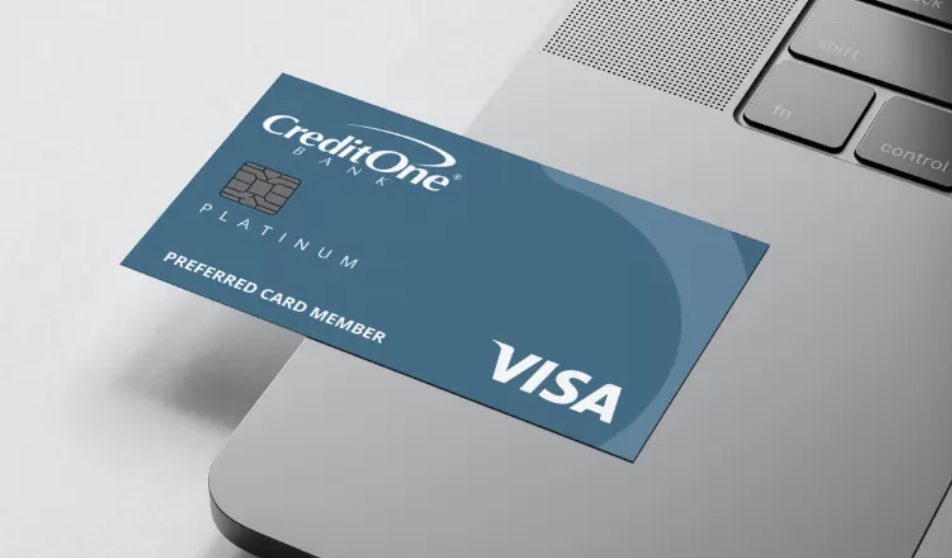
Check your rewards balance through the Credit One online portal or mobile app. If you have accrued cash back, ensure it is applied as a statement credit before you close the account. If you wait until after the call, those funds—no matter how small—essentially become a donation to the bank.
The Step-by-Step Process for Cancellation
Credit One Bank, like many financial institutions, prefers to keep its customers. Consequently, the cancellation process is designed to include “friction” points where agents will attempt to retain your business.
Contacting Customer Service: What to Expect
To cancel your card, you must speak with a representative. While you can sometimes find options via the automated menu, it is best to speak with a human to ensure the request is processed correctly. The primary customer service number is typically found on the back of your card.
When you call, state your intention clearly and firmly: “I am calling to close this account permanently.” The representative will likely ask why. You are not obligated to provide a detailed life story; simply stating that the card no longer fits your financial strategy is sufficient. Be prepared for the representative to offer a lower interest rate or a temporary fee waiver. If your mind is made up, politely decline and restate your request for closure.
Requesting a Written Confirmation of Closure
Verbal agreements are a starting point, but in the world of finance, documentation is king. Once the representative confirms that the account is closed, ask for a confirmation number. Furthermore, request a written letter of confirmation to be sent via mail or email.
This document is your insurance policy. If the account appears as “active” or “delinquent” on your credit report six months from now, having a physical letter stating the account was closed at the consumer’s request with a zero balance is vital for disputing inaccuracies with credit bureaus.
Managing Potential Retention Offers
During the cancellation call, the bank may offer to “waive the annual fee for six months” or “increase your credit limit.” From a brand loyalty perspective, this is a standard marketing tactic. However, from a money management perspective, you must ask: does this solve the underlying issue?
If the reason for canceling is a high annual fee, and they offer to waive it permanently, it might be worth keeping the card open to preserve your credit age. But if they only offer a temporary fix, you are merely delaying the inevitable. Stay focused on your long-term financial roadmap rather than short-term incentives.
Post-Cancellation Management and Financial Next Steps
Your responsibility does not end once you hang up the phone. The weeks following a cancellation are critical for ensuring your credit report reflects the change accurately.
Monitoring Your Credit Report for Accuracy
It typically takes 30 to 60 days for a credit card issuer to report an account closure to the major credit bureaus (Equifax, Experian, and TransUnion). After two months, pull your credit report (available for free weekly via AnnualCreditReport.com) to verify the status.
The account should be listed as “Closed by Consumer.” If it says “Closed by Grantor,” it could imply the bank closed it due to delinquency or inactivity, which looks less favorable to future lenders. If you see any discrepancies, use your written confirmation letter to file a dispute immediately.
Disposing of the Physical Card Safely
A closed account is still a piece of sensitive financial data. Modern Credit One cards often contain EMV chips and, in some cases, metal components. Simply throwing the card in the trash is an identity theft risk.
Use a high-quality shredder designed for credit cards or manually cut through the magnetic strip and the EMV chip. If the card is one of the rarer metal versions, you may need to request a prepaid “decommissioning” envelope from the bank, though this is less common with Credit One than with premium issuers like Amex or Chase.

Strategic Selection of Your Next Credit Instrument
Once you have successfully moved on from Credit One, the goal is to “graduate” to financial products that offer better value. Look for cards with:
- No Annual Fees: Now that your credit is established, you should no longer have to pay for the privilege of using credit.
- Lower APRs: While you should aim to pay your balance in full every month, a lower APR provides a safety net.
- Meaningful Rewards: Transition to cards that offer 1.5% to 2% flat cash back or travel points that align with your lifestyle.
By closing your Credit One account properly, you aren’t just ending a service; you are refining your financial portfolio. You are signaling to the market that you have outgrown “subprime” products and are ready for mainstream financial tools that build wealth rather than drain it through fees. This transition is a hallmark of financial maturity and a significant step toward long-term economic stability.
aViewFromTheCave is a participant in the Amazon Services LLC Associates Program, an affiliate advertising program designed to provide a means for sites to earn advertising fees by advertising and linking to Amazon.com. Amazon, the Amazon logo, AmazonSupply, and the AmazonSupply logo are trademarks of Amazon.com, Inc. or its affiliates. As an Amazon Associate we earn affiliate commissions from qualifying purchases.