
The world of investing can seem daunting, filled with jargon and complex strategies. However, for many, the key to unlocking financial growth lies in understanding and utilizing accessible investment vehicles. Among the most popular and versatile options today are Exchange-Traded Funds, commonly known as ETFs. If you’ve ever wondered what these are and how they can fit into your financial journey, you’re in the right place. This article will demystify ETFs, exploring their core concepts, the benefits they offer, and how they integrate with the broader landscape of technology, brand building, and personal finance.
Understanding the Core Concept of ETFs
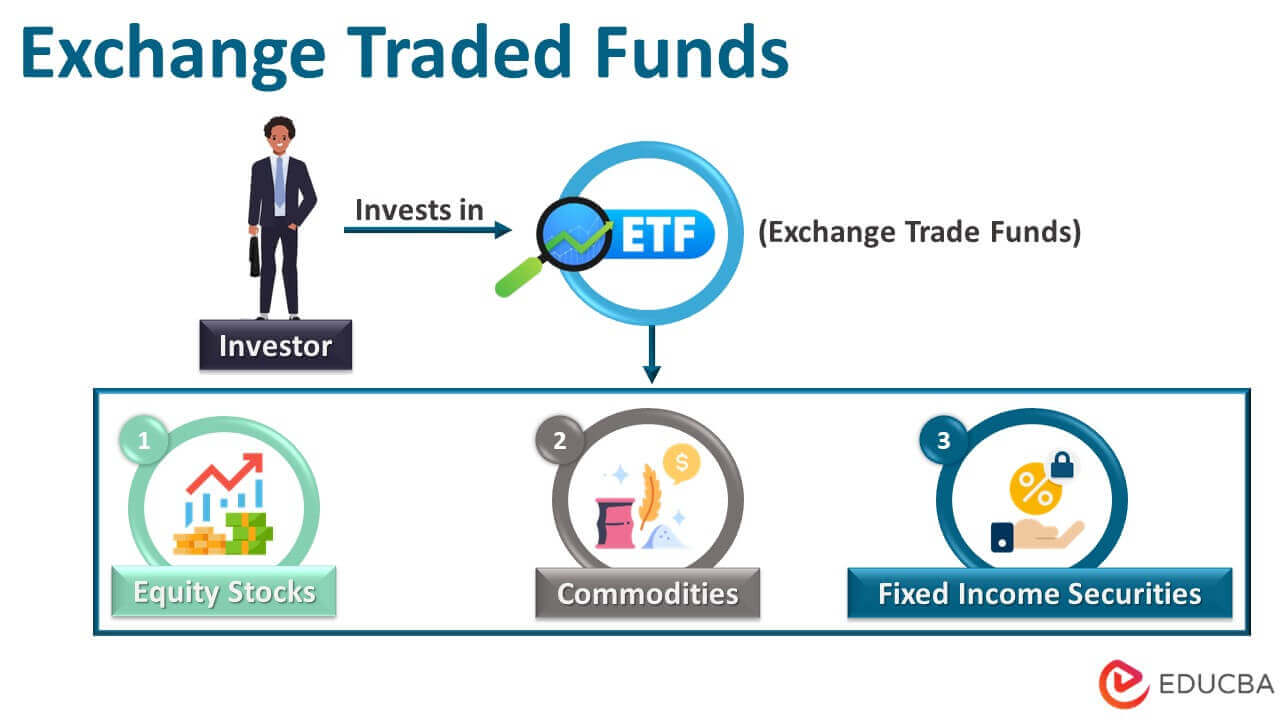
At its heart, an ETF is a type of investment fund that holds a collection of assets like stocks, bonds, or commodities. Think of it as a basket of investments. The crucial distinction between an ETF and other investment vehicles, such as mutual funds, lies in how it’s traded. ETFs trade on stock exchanges, just like individual stocks. This means their prices fluctuate throughout the trading day based on supply and demand, offering a level of flexibility and real-time trading that traditional mutual funds often don’t provide.
How ETFs are Built: Tracking an Index
The most common type of ETF is designed to track a specific market index. An index is a benchmark that represents a segment of the market, such as the S&P 500 (representing the 500 largest U.S. publicly traded companies), the Nasdaq 100 (focused on the 100 largest non-financial companies listed on the Nasdaq), or even indices that track bonds, commodities like gold, or specific sectors like technology.
When an ETF tracks an index, it aims to replicate the performance of that index as closely as possible. The fund manager will buy the underlying assets in proportions that mirror the index’s composition. For example, an S&P 500 ETF will hold the same stocks as the S&P 500, weighted in the same way. This passive management approach is a key reason why many ETFs have lower expense ratios (fees) compared to actively managed funds.
Beyond Index Tracking: Other ETF Types
While index-tracking ETFs are the most prevalent, the ETF structure is versatile enough to accommodate other strategies:
- Actively Managed ETFs: In contrast to passive index tracking, these ETFs have fund managers who actively select and trade securities with the goal of outperforming a benchmark index. While they offer the potential for higher returns, they typically come with higher fees and the risk that the manager’s strategy may not be successful.
- Sector ETFs: These ETFs focus on a particular industry or sector of the economy, such as technology, healthcare, energy, or consumer staples. This allows investors to gain targeted exposure to specific areas they believe will perform well.
- Bond ETFs: These funds invest in a portfolio of bonds, providing diversification across different types of debt, maturities, and credit qualities. They are a popular way to access the bond market with greater ease than buying individual bonds.
- Commodity ETFs: These ETFs track the price of a single commodity (like gold or oil) or a basket of commodities. They can be used as a hedge against inflation or as a way to speculate on commodity price movements.
- Thematic ETFs: These are designed to capitalize on long-term trends or themes, such as artificial intelligence, clean energy, or cybersecurity. They offer a way to invest in the future.
The Advantages of Investing in ETFs
The popularity of ETFs stems from a compelling set of advantages that make them attractive to a wide range of investors, from beginners to seasoned professionals. These benefits align perfectly with key aspects of financial literacy and smart investing.
Diversification Made Easy
One of the most significant benefits of ETFs is instant diversification. Instead of buying individual stocks or bonds, which can be risky and require substantial capital to achieve proper diversification, an ETF allows you to invest in a single product that holds a basket of underlying assets. This immediately spreads your risk across multiple companies, industries, or asset classes. For example, a single share of a broad market ETF can give you exposure to hundreds or even thousands of companies. This diversification is crucial for mitigating risk and building a resilient portfolio. It aligns with the principle of “not putting all your eggs in one basket,” a fundamental tenet of personal finance.
Cost-Effectiveness
ETFs are generally known for their low expense ratios. Because many ETFs are passively managed and simply aim to track an index, they have lower operational costs compared to actively managed mutual funds that require extensive research and frequent trading. These lower fees mean more of your investment returns stay in your pocket, compounding over time and contributing significantly to long-term wealth accumulation. When considering personal finance and maximizing your returns, minimizing fees is a critical factor, and ETFs excel in this area.
Liquidity and Trading Flexibility
As mentioned earlier, ETFs trade on stock exchanges throughout the trading day. This means you can buy or sell ETF shares at any time the market is open, just like individual stocks. This offers a high degree of liquidity and flexibility, allowing investors to react quickly to market changes or adjust their portfolios as needed. This real-time trading capability is a distinct advantage over traditional mutual funds, which are typically priced and traded only once per day after the market closes.
Transparency
Most ETFs are transparent, meaning you can easily see the holdings of the fund. This clarity allows investors to understand exactly what they are investing in and ensure it aligns with their financial goals and risk tolerance. This transparency is vital for making informed decisions about your money and can help you avoid investing in something you don’t fully understand.
Tax Efficiency
In many jurisdictions, ETFs are structured to be more tax-efficient than traditional mutual funds. This is often due to how they manage redemptions, which can lead to fewer capital gains distributions to shareholders. For investors focused on optimizing their tax liabilities, this can be a significant advantage, especially in taxable accounts.
ETFs and the Tech Landscape: Investing in Innovation
The technology sector has been a primary driver of economic growth and innovation for decades. ETFs provide an excellent avenue for investors to participate in this dynamic space without the complexity of picking individual tech stocks.
Riding the Wave of Technology Trends

Technology ETFs offer exposure to various segments of the tech industry, from established giants to emerging disruptors. These can include ETFs focused on:
- Broad Technology: Funds that track major tech indices like the Nasdaq 100, giving investors exposure to a wide range of established tech companies.
- Specific Tech Sub-Sectors: ETFs that delve into niche areas like semiconductors, cloud computing, cybersecurity, artificial intelligence (AI), and software as a service (SaaS). This allows for targeted investment in areas experiencing rapid growth and innovation.
- Digital Transformation: Funds that invest in companies enabling the broader digital transformation across industries, including areas like e-commerce, fintech, and digital media.
AI Tools and Software: A Growing Frontier
The rise of AI tools and sophisticated software is reshaping industries. AI ETFs are designed to capture the growth potential of companies developing and implementing AI technologies. This can include hardware manufacturers, software developers, and companies that integrate AI into their products and services. For investors interested in the future of computing and automation, these ETFs offer a direct way to participate.
Gadgets, Apps, and Digital Security
While perhaps not as directly represented in broad tech ETFs, the consumer-facing aspects of technology – from innovative gadgets to popular apps – are often developed by companies within these broader technology indices. Furthermore, the increasing reliance on digital platforms highlights the importance of digital security. ETFs focused on cybersecurity companies provide investors with an opportunity to invest in the growing need for protecting digital assets and data.
ETFs as a Tool for Personal Branding and Business Finance
While ETFs are primarily investment vehicles, their underlying principles and accessibility can also indirectly support concepts related to personal branding and business finance.
Building Your Personal Financial Brand
Your investment portfolio is an extension of your financial strategy and, by extension, your personal brand. By strategically using ETFs, you can build a diversified and cost-effective portfolio that reflects your financial goals and risk tolerance. This demonstrates discipline, foresight, and a commitment to long-term financial well-being – all desirable traits for a strong personal brand. The transparency and ease of understanding ETFs make them accessible tools for individuals looking to take control of their financial narrative.
Facilitating Business Finance and Startup Growth
For entrepreneurs and businesses, ETFs can play a role in managing corporate finances and even in the fundraising process.
- Treasury Management: Companies might use ETFs to diversify their short-term cash reserves or to gain exposure to specific asset classes without the overhead of managing them individually.
- Startup Investment: While startups are typically funded through venture capital, the broader ecosystem of investment that supports tech innovation is often built on the back of liquid markets and diversified investment vehicles like ETFs. Understanding how ETFs work can provide a foundational understanding of capital markets, which is crucial for any business owner.
- Employee Benefits: Companies may offer ETFs as part of their retirement plans (e.g., 401(k)s) or other employee benefit programs, providing their workforce with accessible and diversified investment options.
How to Get Started with ETFs
Embarking on your ETF investment journey is straightforward. Here’s a general outline of the steps involved:
1. Define Your Financial Goals
Before investing, it’s crucial to understand what you want to achieve. Are you saving for retirement, a down payment on a house, or a child’s education? Your goals will dictate your investment horizon, risk tolerance, and the types of ETFs that are most suitable.
2. Open a Brokerage Account
To buy and sell ETFs, you’ll need an investment account with a brokerage firm. Many online brokers offer commission-free ETF trading, making it a cost-effective way to start. Research different brokers based on their platform, research tools, customer service, and any account minimums.
3. Research and Select ETFs
Based on your financial goals and risk tolerance, identify ETFs that align with your strategy. Consider:
- The underlying index or asset class: Does it match your investment thesis?
- Expense ratio: Aim for lower fees.
- Trading volume and liquidity: Higher liquidity means it’s easier to buy and sell without significantly impacting the price.
- Tracking error: How closely does the ETF track its benchmark index?
- Fund provider: Reputable providers often offer reliable products.
4. Invest and Monitor
Once you’ve chosen your ETFs, place your buy orders through your brokerage account. It’s also important to periodically review your portfolio to ensure it remains aligned with your goals. While ETFs are often buy-and-hold investments, market conditions and your personal circumstances can change, requiring adjustments.

Conclusion: ETFs as a Foundation for Smart Investing
Exchange-Traded Funds have revolutionized the investment landscape, offering a powerful combination of diversification, cost-effectiveness, and flexibility. Whether you’re a beginner looking to dip your toes into the market or an experienced investor seeking to refine your strategy, ETFs provide a robust and accessible tool. By understanding their mechanics and how they can integrate with broader financial and technological trends, you can leverage ETFs to build a stronger financial future, aligning with the principles of smart money management, informed decision-making, and the pursuit of long-term financial well-being. As technology continues to evolve and the financial world becomes more interconnected, ETFs stand as a testament to accessible innovation in investing.
aViewFromTheCave is a participant in the Amazon Services LLC Associates Program, an affiliate advertising program designed to provide a means for sites to earn advertising fees by advertising and linking to Amazon.com. Amazon, the Amazon logo, AmazonSupply, and the AmazonSupply logo are trademarks of Amazon.com, Inc. or its affiliates. As an Amazon Associate we earn affiliate commissions from qualifying purchases.