
The term “trigger shot” is often encountered in discussions surrounding fertility treatments, particularly in vitro fertilization (IVF) and intrauterine insemination (IUI). While its name might evoke a sense of sudden action, the reality of a trigger shot in reproductive medicine is far more nuanced and scientifically orchestrated. It’s a critical tool that plays a decisive role in synchronizing ovulation, a pivotal event in the process of conception, whether natural or assisted. Understanding what a trigger shot does involves delving into the hormonal symphony of the female reproductive cycle and the precise ways in which medical science can intervene to optimize the chances of pregnancy.
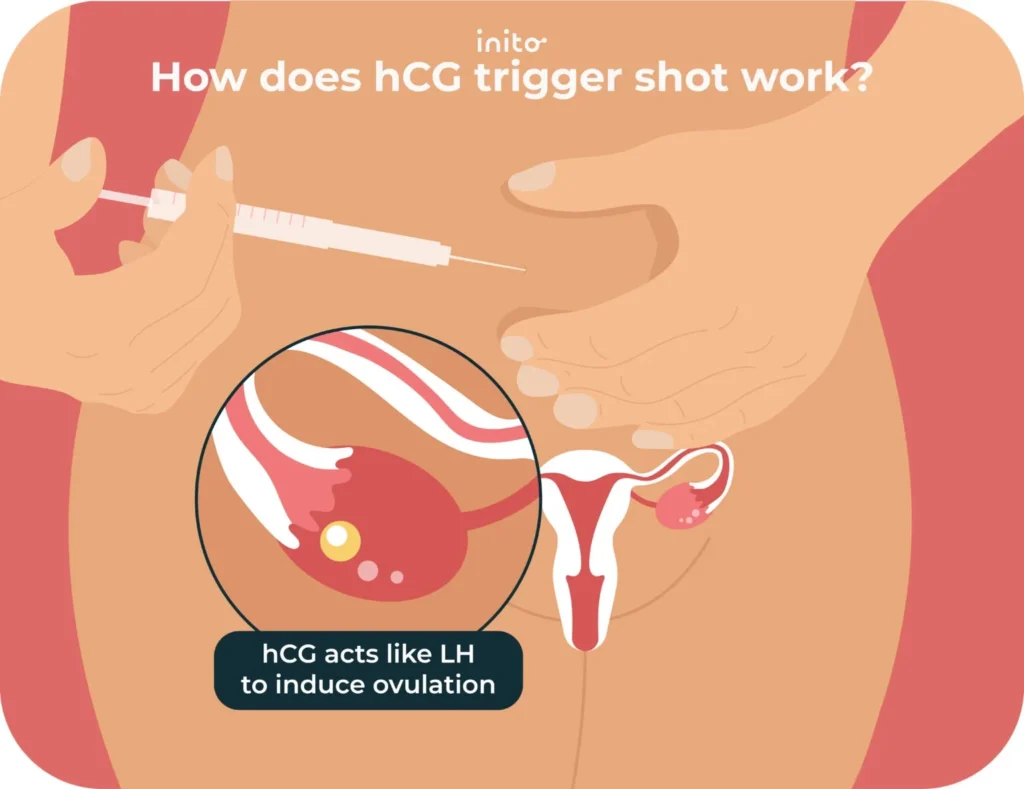
At its core, a trigger shot is a medication, typically a gonadotropin hormone, administered via injection. Its primary function is to induce final maturation of the egg(s) within the ovary and to stimulate ovulation – the release of these mature eggs from the ovary. This release needs to occur at a very specific time, usually between 24 to 36 hours after the injection, to align with procedures like egg retrieval for IVF or insemination for IUI. Without this precisely timed intervention, the naturally occurring hormonal fluctuations might not lead to ovulation at the opportune moment for these assisted reproductive technologies.
The decision to use a trigger shot, and the specific type and dosage, is a highly individualized one, based on a patient’s medical history, ovarian response to stimulation medications, and the overall treatment plan. The article will explore the scientific underpinnings of this intervention, its applications within fertility treatments, the different types of trigger shots available, and the crucial role they play in maximizing the success rates of modern reproductive medicine.
The Hormonal Ballet of Ovulation and the Trigger Shot’s Role
The female reproductive cycle is a complex interplay of hormones, a carefully choreographed dance orchestrated by the brain and ovaries. Understanding this natural process is key to appreciating the function of a trigger shot. The cycle begins with the release of follicle-stimulating hormone (FSH) from the pituitary gland, which stimulates the growth of multiple follicles in the ovary, each containing an egg. As these follicles grow, they produce estrogen. The rising levels of estrogen signal the pituitary gland to release luteinizing hormone (LH).
The Luteinizing Hormone (LH) Surge: The Natural Ovulatory Signal
The critical event that culminates in ovulation is the surge of luteinizing hormone (LH). Typically, when estrogen levels reach a certain threshold, there’s a rapid and significant increase in LH release from the pituitary. This LH surge is the primary trigger for the final maturation of the dominant egg within its follicle and, crucially, for the weakening of the follicle wall, leading to its rupture and the release of the egg. This process, known as ovulation, usually occurs approximately 30 to 36 hours after the onset of the LH surge.
Mimicking the Natural Surge: The Trigger Shot’s Mechanism
The trigger shot effectively mimics this natural LH surge. The medications used are designed to act like LH, binding to LH receptors on the ovarian cells. This binding initiates a cascade of biochemical events within the follicle, leading to the final stages of egg maturation and the enzymatic changes that prepare the follicle for rupture. By administering a trigger shot, fertility specialists can precisely control the timing of ovulation, ensuring that the eggs are mature and ready for collection or insemination at the planned time. This precision is paramount for the success of procedures like IVF, where egg retrieval needs to be perfectly timed to coincide with the peak maturity of the eggs.
Role in Fertility Treatments: IVF and IUI Synchronization
In the context of IVF, multiple eggs are typically retrieved. To achieve this, a patient undergoes ovarian stimulation with injectable medications (gonadotropins) over several days to encourage the development of several mature follicles. Once these follicles have reached an appropriate size, indicating that the eggs within are likely mature, the trigger shot is administered. The precise timing of the trigger shot is then used to schedule the egg retrieval procedure, usually 34 to 36 hours later. This window is critical; too early and the eggs may not be fully mature, too late and the eggs might be released from the ovary and be lost.
Similarly, in IUI, the trigger shot is used to time ovulation so that the prepared sperm sample can be introduced into the uterus when the released egg is most likely to be present in the fallopian tube, ready for fertilization. This synchronization significantly increases the chances of conception compared to natural timing, especially for individuals experiencing ovulatory dysfunction or other fertility challenges.
Types of Trigger Shots and Their Pharmacological Basis
The effectiveness and specific nuances of a trigger shot depend heavily on the active pharmaceutical ingredient. While the goal is the same – to induce ovulation – different medications achieve this through slightly different mechanisms and have varying durations of action. The choice of trigger shot is a critical clinical decision, made by the fertility specialist based on the individual patient’s profile and the protocol being used.
Human Chorionic Gonadotropin (hCG): The Traditional Choice
Historically, human chorionic gonadotropin (hCG) has been the most widely used medication for trigger shots. hCG is a hormone produced by the placenta during pregnancy, and it shares a structural and functional similarity with LH. It binds to the LH receptors in the ovaries and elicits the same ovulatory response. hCG can be administered via intramuscular or subcutaneous injection. Because it’s a larger molecule and has a longer half-life than natural LH, it can maintain its stimulating effect for a longer period, which is why the egg retrieval timing is typically 34-36 hours post-injection. The sustained action of hCG is beneficial in ensuring complete follicular maturation and preparing the eggs for release. However, due to its similarity to LH, some patients can develop antibodies to hCG, and its use can potentially interfere with pregnancy tests later on, as it remains in the system for some time.
Gonadotropin-Releasing Hormone (GnRH) Agonists: A Modern Alternative
More recently, gonadotropin-releasing hormone (GnRH) agonists have emerged as an alternative, and in some cases, preferred option for trigger shots. Medications like leuprolide acetate are examples of GnRH agonists. Instead of directly mimicking LH, GnRH agonists work by stimulating the pituitary gland to release its own LH surge. When administered, they initially cause a brief and potent release of LH from the pituitary. This “flare” effect can then trigger ovulation.
A significant advantage of GnRH agonists is that they do not introduce exogenous hCG into the system, thereby avoiding potential interference with early pregnancy tests and reducing the risk of antibody formation. Furthermore, GnRH agonists can sometimes lead to a more natural LH surge, potentially improving egg quality and embryo development in some patients. However, the timing of ovulation with GnRH agonists can be slightly less predictable than with hCG, and they are often used in conjunction with a low dose of hCG to ensure a robust ovulatory response. This combination approach aims to leverage the benefits of both medications.
Choosing the Right Trigger: Factors and Considerations
The selection of the trigger shot is a carefully considered decision. Factors influencing this choice include:
- Ovarian response: The number and size of developing follicles play a role.
- Previous treatment history: Any adverse reactions or sensitivities to prior medications.
- Risk of Ovarian Hyperstimulation Syndrome (OHSS): Certain trigger shots, particularly high doses of hCG, can increase the risk of OHSS, a potentially serious complication where the ovaries become enlarged and fluid accumulates in the abdomen. GnRH agonists are often preferred in patients at higher risk of OHSS.
- Timing of procedures: The schedule for egg retrieval or insemination dictates the required ovulation window.
- Cost and availability: Practical considerations can also influence the choice.
- Patient preference: In some cases, patient comfort and familiarity with a particular medication may be taken into account.
The Trigger Shot in Practice: Administration, Monitoring, and Expectations
The administration and monitoring of a trigger shot are integral parts of the fertility treatment journey. It’s a moment that often carries a mix of anticipation and anxiety for patients, as it signals the imminent critical steps of their treatment. Understanding the practical aspects, including how it’s administered, what monitoring is involved, and what to expect afterwards, is crucial for managing expectations and ensuring a smooth process.
The Injection Process: How and When It’s Given
The trigger shot is almost always administered as a subcutaneous or intramuscular injection. For many patients undergoing fertility treatments, self-administration of injections becomes a routine part of their daily or near-daily regimen. Fertility nurses or doctors provide detailed instructions on how to prepare the medication, where to inject it (typically in the abdomen or thigh), and how to dispose of sharps safely. The trigger shot itself is usually given in the evening, as this allows for the optimal timing of subsequent procedures, most commonly egg retrieval for IVF, which is scheduled for approximately 34 to 36 hours later. This timing is calculated with great precision by the fertility clinic to maximize the chances of retrieving mature eggs.
Monitoring Follicular Development: The Precursor to the Trigger
Before the trigger shot is administered, patients undergo rigorous monitoring of their follicular development. This typically involves transvaginal ultrasounds and blood tests to measure hormone levels, primarily estrogen. Ultrasounds allow the clinician to visualize the ovaries and measure the size and number of developing follicles. Blood tests track estrogen levels, which rise as follicles grow and produce the hormone. This monitoring is essential to ensure that the follicles are developing appropriately and that the eggs within are nearing maturity. The decision to administer the trigger shot is based on these monitoring results, ensuring that the ovarian response is optimal for ovulation induction.
Post-Injection Expectations and Potential Side Effects
Following the trigger shot, patients are typically advised to rest and avoid strenuous physical activity, especially in the lead-up to an IVF egg retrieval. While generally well-tolerated, some individuals may experience mild side effects. These can include:
- Injection site reactions: Redness, swelling, or bruising at the injection site.
- Abdominal discomfort or bloating: This can be due to the enlarged follicles.
- Mood swings or emotional lability: Hormonal fluctuations can sometimes contribute to mood changes.
- Nausea or mild headaches: These are less common but can occur.
A more serious, though less frequent, risk associated with trigger shots, particularly hCG, is Ovarian Hyperstimulation Syndrome (OHSS). OHSS is a condition where the ovaries overreact to the fertility medications, leading to severe abdominal pain, swelling, nausea, vomiting, and in rare cases, blood clots or kidney problems. Careful monitoring and appropriate selection of the trigger shot type and dosage are crucial in minimizing the risk of OHSS. Patients are advised to report any severe or persistent symptoms to their healthcare provider immediately.
The Trigger Shot’s Impact on Success Rates and Future Implications
The trigger shot, by enabling precise synchronization of ovulation, plays a significant role in the overall success rates of various fertility treatments. Its ability to ensure that eggs are mature and available at the opportune moment is a cornerstone of modern reproductive medicine. Beyond the immediate cycle, understanding the trigger shot’s function also offers insights into broader aspects of reproductive health and technology.
Enhancing Pregnancy Rates in IVF and IUI
For couples undergoing IVF, the trigger shot is indispensable. By ensuring that egg retrieval occurs when eggs are at their peak maturity, it directly impacts the number of viable eggs available for fertilization, which in turn influences the number and quality of embryos that can be created. A well-timed trigger shot leads to higher chances of successful fertilization, embryo development, and ultimately, implantation and pregnancy. Similarly, in IUI cycles, the precise timing of ovulation facilitated by the trigger shot ensures that the insemination procedure is conducted when the chances of sperm encountering a viable egg in the fallopian tube are highest, thereby boosting pregnancy rates.
The Role in Preventing Premature Ovulation
One of the most critical functions of the trigger shot is to prevent premature ovulation. In natural cycles, ovulation can sometimes occur unexpectedly. In the context of fertility treatments that involve meticulous timing and complex laboratory procedures, such as the preparation of sperm for IUI or the coordination of egg retrieval for IVF, premature ovulation would be detrimental. The trigger shot effectively overrides any potential premature LH surge, ensuring that ovulation occurs on a predetermined schedule, allowing for the seamless progression of the treatment plan.

Future Directions and Research in Ovulation Induction
The field of fertility treatment is continuously evolving, and research into ovulation induction is ongoing. While hCG and GnRH agonists are currently the gold standards, scientists are exploring new pharmacological agents and strategies to further refine ovulation induction. This includes investigating medications that offer even greater control over the timing and quality of ovulation, with an aim to further improve success rates and reduce the risk of complications like OHSS. There is also research into personalized trigger shot protocols, tailoring the type and dose to an individual’s genetic makeup and hormonal profile for optimal outcomes. The ongoing advancements promise to make fertility treatments even more effective and accessible in the future.
aViewFromTheCave is a participant in the Amazon Services LLC Associates Program, an affiliate advertising program designed to provide a means for sites to earn advertising fees by advertising and linking to Amazon.com. Amazon, the Amazon logo, AmazonSupply, and the AmazonSupply logo are trademarks of Amazon.com, Inc. or its affiliates. As an Amazon Associate we earn affiliate commissions from qualifying purchases.