
In the rapidly evolving landscape of technology, innovation often hinges on understanding the end-user. While engineers and developers focus on functionality and code, a crucial discipline delves into the “why” behind human interaction with technology: ethnology. Far from being solely an academic pursuit confined to anthropology departments, ethnology is increasingly becoming a vital component of successful tech development, product design, and user experience. This article will explore what an ethnologist is, how their unique skillset is applied within the tech industry, and the tangible benefits they bring to creating technology that truly resonates with people.

The Essence of Ethnology: Studying Humanity in Context
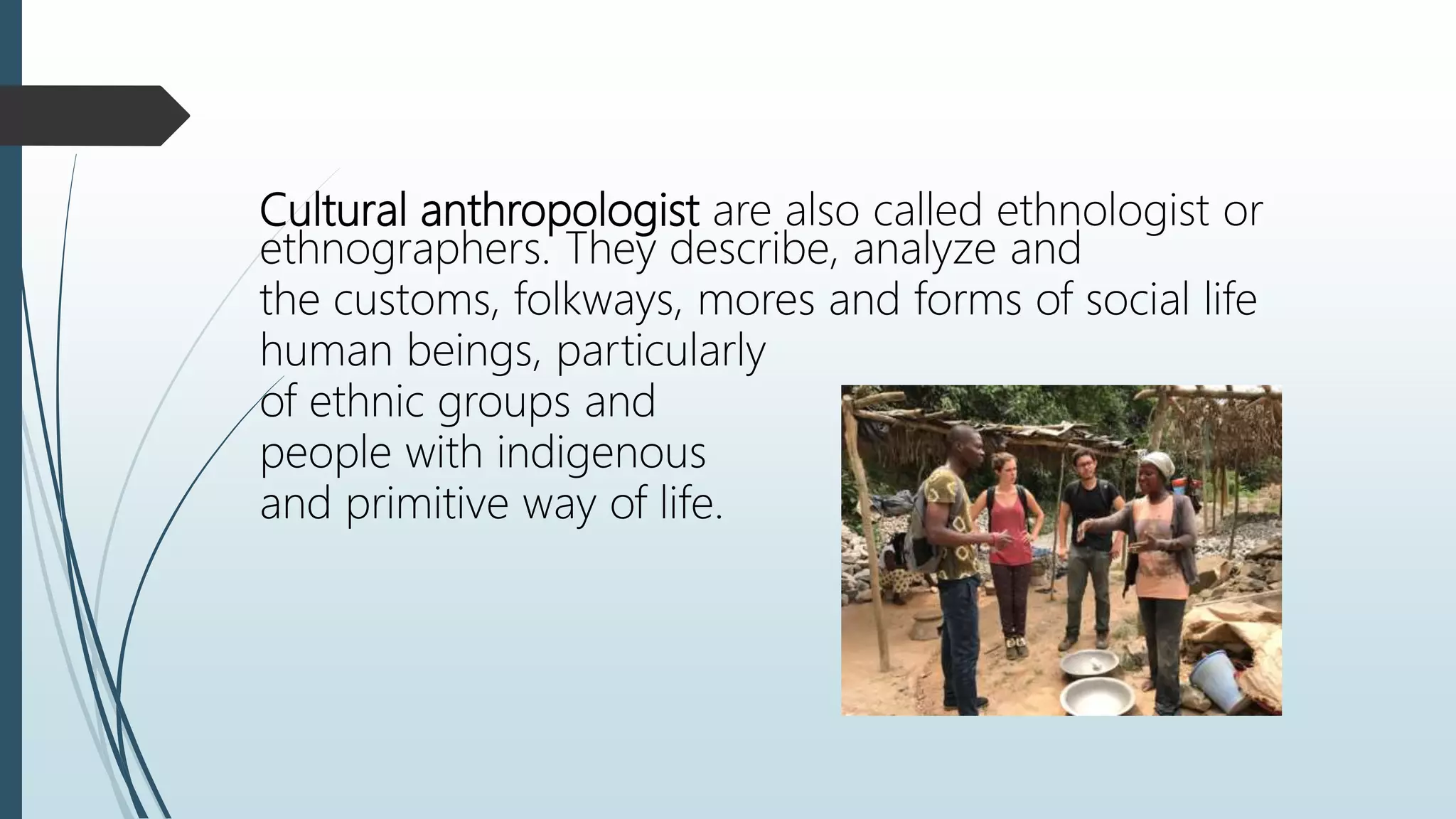
At its core, ethnology is the comparative study of cultures and societies. An ethnologist, therefore, is a researcher who investigates and analyzes human societies and their cultures. This involves immersing themselves in different communities, observing behaviors, understanding social structures, and deciphering the underlying beliefs, values, and motivations that shape human actions. The methodology employed is primarily qualitative, relying on in-depth observation, interviews, and the analysis of cultural artifacts and practices.
Beyond the Ivory Tower: Ethnology’s Pragmatic Applications
While traditional ethnology might focus on distant cultures, its principles are universally applicable to understanding human behavior in any context, including how individuals interact with technology. The modern ethnologist in the tech sphere isn’t necessarily an anthropologist studying remote tribes, but rather a researcher skilled in applying anthropological and sociological methods to understand users within their natural environments. They look beyond stated preferences and survey data to uncover the unspoken needs, frustrations, and desires that drive adoption, engagement, and ultimately, the success or failure of a technological product.
Key Methodologies Employed by Ethnologists in Tech
The ethnologist’s toolkit is rich with methods designed to capture authentic human behavior. These include:
Observational Research: Witnessing Behavior in the Wild
One of the most powerful tools is direct observation. Ethnologists will spend time observing users interacting with technology in their everyday lives – at home, at work, or on the go. This “in-the-wild” research allows them to see how technology is actually used, not just how users say they use it. They look for workarounds, unintended consequences, moments of delight, and points of friction that might be missed in a controlled lab setting. This could involve observing how a family uses a smart home device, how a team collaborates using project management software, or how individuals navigate a new mobile application.
In-Depth Interviews and Conversations: Uncovering the “Why”
Beyond observation, ethnologists conduct one-on-one interviews and focus groups. These aren’t just about gathering opinions; they are about facilitating narratives and understanding the personal stories and contexts that inform technology use. Ethnologists are skilled at asking open-ended questions, probing for deeper meaning, and creating a comfortable environment where participants feel empowered to share their true experiences. They aim to understand the motivations, aspirations, and challenges that technology is meant to address, or perhaps, inadvertently creates.
Contextual Inquiry: Understanding the Environment
A crucial aspect of ethnology is understanding the context in which technology is used. This involves examining the physical environment, social dynamics, cultural norms, and even the emotional state of the user. A piece of software might function perfectly from a technical standpoint, but if it doesn’t fit within the workflow of an office, or if it clashes with cultural expectations, its adoption will be hindered. Contextual inquiry helps ethnologists map these intricate relationships, revealing how technology is woven into the fabric of daily life.
Artifact Analysis: The Meaning Behind the Tools
Ethnologists also analyze the “artifacts” of technology use. This can include everything from the physical devices themselves to the digital traces users leave behind – app usage patterns, website navigation, even the way files are organized. By examining these artifacts, ethnologists can infer meaning, understand user priorities, and identify emerging trends or unmet needs. For instance, how a user customizes their digital workspace can reveal their priorities and work habits.
The Ethnologist’s Role in the Tech Ecosystem
The insights gleaned from ethnological research are invaluable across various stages of the technology lifecycle, from initial concept to ongoing product improvement.
Informing Product Strategy and Design
Before a single line of code is written, ethnologists can play a pivotal role. By understanding the target audience’s needs, aspirations, and pain points, they can help shape the very vision of a product. This prevents the development of “solutions looking for a problem” and ensures that technology is being built with genuine human needs at its center.
Identifying Unmet Needs and Opportunity Spaces
Ethnological research can uncover “latent needs” – desires that users themselves may not even be consciously aware of. By observing subtle frustrations or inefficiencies in their current practices, ethnologists can identify opportunities for new technologies or significant improvements to existing ones. This foresight is crucial for staying ahead of the curve and developing truly innovative solutions.
Defining User Personas and Journeys
Ethnologists contribute to the creation of detailed user personas, which are fictional representations of target users based on in-depth research. These personas go beyond basic demographics to capture users’ motivations, goals, behaviors, and attitudes. Similarly, they map out user journeys, illustrating the steps a user takes when interacting with a product or service, highlighting potential touchpoints and emotional experiences. This granular understanding allows design and development teams to make more informed decisions.

Guiding User Interface (UI) and User Experience (UX) Design
The principles of ethnology are deeply intertwined with UX design. Ethnologists help ensure that interfaces are intuitive, efficient, and enjoyable to use. By understanding how users think, how they process information, and what cognitive biases they might have, ethnologists can guide the design of interfaces that minimize cognitive load, facilitate smooth navigation, and ultimately lead to positive user experiences. This can involve everything from button placement and color schemes to the overall flow of an application.
Enhancing Software Development and Iteration
The impact of ethnology extends beyond the initial design phase, playing a critical role in refining and improving technology as it evolves.
Bridging the Gap Between Users and Developers
Developers often work in a highly technical environment, which can sometimes create a disconnect with the end-user’s reality. Ethnologists act as crucial intermediaries, translating user insights and behavioral patterns into actionable feedback for development teams. They can articulate the “human implications” of technical decisions, ensuring that the focus remains on user value.
Informing Agile Development and Iterative Design
In agile development methodologies, continuous feedback and iteration are paramount. Ethnological research provides the qualitative data necessary to inform these iterative cycles. By testing prototypes with real users and observing their interactions, ethnologists can identify areas for improvement, allowing development teams to pivot and refine their offerings based on genuine user feedback. This iterative process, guided by ethnological insights, leads to more robust and user-centric products.
Understanding Technology Adoption and Diffusion
Why do some technologies become ubiquitous while others fade into obscurity? Ethnologists can help answer this by studying the social and cultural factors that influence the adoption and diffusion of new technologies. This includes understanding how information spreads, how trust is built, and how innovations are integrated into existing social structures. This knowledge is invaluable for marketing, communication, and rollout strategies.
Driving Innovation and Competitive Advantage
In a crowded market, understanding the human element is often the key differentiator. Ethnologists empower companies to move beyond feature parity and build products that truly connect with users on a deeper level.
Fostering Empathy-Driven Innovation
At its heart, ethnology cultivates empathy for the user. By deeply understanding users’ lives, challenges, and aspirations, ethnologists inspire design and development teams to create solutions that are not just functional, but also meaningful and supportive. This empathy-driven approach leads to products that are not only adopted but also cherished.
Uncovering Future Trends and Disruptive Technologies
Ethnologists are adept at spotting emerging patterns and shifts in human behavior. By observing how people adapt to new circumstances, adopt new tools, and express new needs, they can anticipate future technological trends and identify potential disruptive innovations. This foresight allows companies to position themselves strategically and develop the technologies of tomorrow.
Building Brand Loyalty Through User-Centricity
When technology is designed with a deep understanding of its users, it naturally fosters stronger connections and greater loyalty. Products that feel intuitive, solve real problems, and enhance users’ lives build a foundation of trust and satisfaction. Ethnologists are instrumental in creating this user-centricity, which ultimately translates into a more powerful and enduring brand.
The Future is Human-Centric: The Enduring Value of Ethnology in Tech
As technology becomes more integrated into every facet of our lives, the demand for understanding the human element will only grow. Artificial intelligence, the metaverse, and the ever-expanding digital ecosystem all necessitate a profound comprehension of how humans will interact with, adapt to, and be shaped by these advancements. Ethnologists, with their rigorous methods for studying human behavior and cultural dynamics, are perfectly positioned to guide this evolution.
The Synergistic Relationship Between Ethnology and Emerging Technologies
The rise of AI, for instance, presents a unique set of challenges and opportunities for ethnologists. Understanding how humans trust AI, how they perceive its biases, and how they collaborate with intelligent systems requires deep ethnological insight. Similarly, the development of immersive virtual environments necessitates an understanding of human presence, social interaction in digital spaces, and the cultural norms that will emerge within these new realities. Ethnology provides the essential human lens through which these complex technological frontiers can be navigated responsibly and effectively.
Cultivating a Culture of User-Centricity
Ultimately, the presence of ethnologists within tech companies fosters a broader culture of user-centricity. It encourages a shift from a product-centric to a people-centric approach, where every decision, from product roadmap to marketing campaigns, is informed by a genuine understanding of the user. This commitment to human understanding is not merely a trend; it is the bedrock of sustainable innovation and long-term success in the dynamic world of technology. By embracing the principles and practices of ethnology, technology companies can build products that not only function impeccably but also resonate deeply, enriching lives and shaping a more human-centered future.
aViewFromTheCave is a participant in the Amazon Services LLC Associates Program, an affiliate advertising program designed to provide a means for sites to earn advertising fees by advertising and linking to Amazon.com. Amazon, the Amazon logo, AmazonSupply, and the AmazonSupply logo are trademarks of Amazon.com, Inc. or its affiliates. As an Amazon Associate we earn affiliate commissions from qualifying purchases.