
The acrid, distinctive odor of a burnt clutch is a sensory alarm, a pungent herald of mechanical distress under the hood. While the immediate concern for any driver is the potential for a costly repair, understanding the underlying technological processes that lead to this smell offers a fascinating glimpse into the intricate engineering of modern vehicles and the diagnostic clues they provide. This article will explore the technological underpinnings of clutch failure, focusing on the materials science, thermal dynamics, and friction management that contribute to that unmistakable burnt aroma.
The Science of Friction and Heat: How Clutches Work
At its core, a clutch is a marvel of engineering designed to precisely control the transfer of power between the engine and the transmission. This delicate dance relies on friction, a fundamental physical force that, when misused, can lead to significant heat buildup.
The Friction Disc: A High-Performance Material Composite
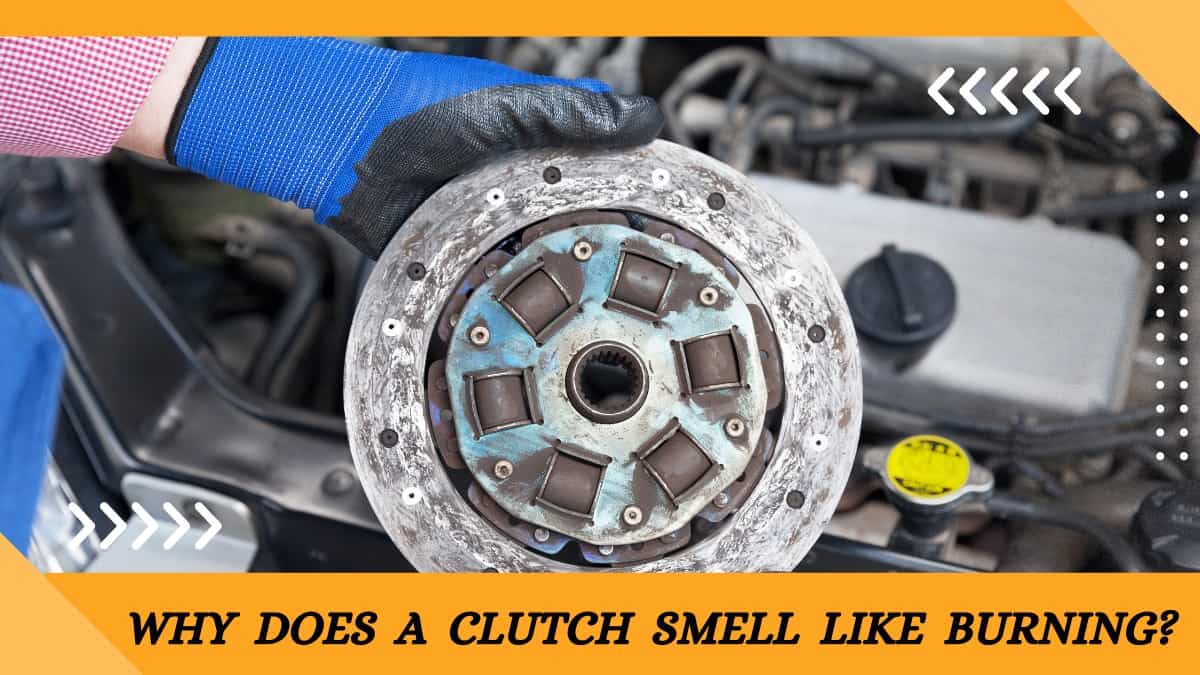
The primary component responsible for generating friction is the clutch disc. Modern clutch discs are not simple pieces of rubber or metal. Instead, they are sophisticated composites designed to withstand extreme temperatures and pressures while providing consistent frictional engagement.
Material Composition and Its Role in Heat Dissipation
The friction material itself is a carefully engineered blend of materials. Historically, asbestos was a common component due to its excellent heat resistance and friction properties. However, due to health concerns, it has largely been replaced by more advanced compounds. These modern friction materials typically include:
- Resins: These act as binders, holding the other components together and providing the necessary adhesion and heat resistance. Phenolic resins are commonly used for their thermal stability.
- Fillers: These materials, such as carbon, metal particles (like copper or brass), and ceramic fibers, are added to enhance friction, improve wear resistance, and, crucially, to help conduct heat away from the friction surfaces. The type and amount of fillers significantly influence the clutch’s performance characteristics and its ability to dissipate heat.
- Reinforcing Fibers: Materials like aramid fibers (similar to Kevlar) or glass fibers are incorporated to provide structural integrity and prevent the friction material from breaking down under stress.
The interplay between these materials is critical. During normal operation, the friction disc is designed to generate enough heat to facilitate smooth engagement, but this heat must be efficiently managed. The composition of the friction material directly impacts its ability to absorb and dissipate this heat.
Clutch Engagement and Disengagement: The Dynamics of Power Transfer
The clutch mechanism operates through a system of pressure plates, release bearings, and flywheels. When the clutch pedal is pressed, the pressure plate retracts, disengaging the friction disc from the flywheel and the engine’s crankshaft. When the pedal is released, the pressure plate clamps the friction disc against the flywheel, establishing a direct connection and allowing engine power to flow to the transmission.
The Role of Pressure and Slippage
The effectiveness of the clutch relies on precise pressure applied by the pressure plate. Too little pressure, and the clutch will slip, leading to excessive friction and heat. Too much pressure, or an improperly functioning pressure plate, can also lead to premature wear.
The critical concept here is slippage. In an ideal scenario, the clutch engages fully and without slippage. However, in many real-world situations, especially during gear changes or in heavy traffic, a certain degree of controlled slippage is inevitable. This slippage is where the magic and the danger lie. During slippage, the kinetic energy of the engine is converted into thermal energy at the interface between the friction disc and the flywheel.
The Thermal Genesis of the Burnt Clutch Smell
The distinctive smell of a burnt clutch is a direct consequence of the decomposition and oxidation of the friction materials under extreme heat. This thermal degradation process releases volatile organic compounds that our olfactory senses register as that unpleasant aroma.
Exceeding the Thermal Threshold: When Materials Break Down
Every material has a thermal threshold – a temperature beyond which its structural integrity and chemical composition begin to change irreversibly. For clutch friction materials, this threshold is reached when the heat generated by slippage exceeds the material’s capacity for dissipation.
Pyrolysis and Oxidation: The Chemical Reactions at Play
When the temperature of the friction disc and flywheel surfaces rises significantly, a series of chemical reactions begin to occur:
- Pyrolysis: This is the thermal decomposition of organic materials in the absence of oxygen. In the context of a clutch, some organic binders and resins within the friction material will begin to break down into smaller, volatile molecules. These molecules are then released into the air.
- Oxidation: With exposure to air, these volatile organic compounds, along with any residual lubricants or contaminants on the clutch surfaces, can undergo oxidation. This is essentially a burning process, albeit at a molecular level, that produces distinct odors.
The specific smell is a complex bouquet of these decomposition products. It’s often described as acrid, pungent, smoky, or even like burning plastic or burnt toast. The intensity and exact nuance of the smell can depend on the specific composition of the friction material and the severity of the overheating event.
The Contribution of Contaminants

While the friction material itself is the primary source of the burnt smell, other contaminants can exacerbate the situation and alter the odor profile. Oil or grease leaks from other engine components can find their way onto the clutch surfaces. When these oils are subjected to high temperatures, they also undergo thermal breakdown, producing their own set of volatile compounds. This can contribute to a more complex and often more offensive odor, blending the smell of burning oil with that of burnt friction material.
Diagnosing Clutch Issues: Beyond the Smell
While the burnt clutch smell is a strong indicator of a problem, it’s crucial to understand that this smell is a symptom, not the root cause. A comprehensive diagnosis involves examining the mechanical and functional aspects of the clutch system.
Clutch Slippage: The Most Common Culprit
The most common reason for a burnt clutch smell is clutch slippage. This occurs when the clutch is not fully engaging, allowing the engine to spin faster than the transmission’s input shaft. This inefficiency converts rotational energy into heat.
Identifying the Symptoms of Slippage
Drivers can often detect clutch slippage even before the smell becomes prominent. Key indicators include:
- Engine RPMs increase without a corresponding increase in vehicle speed: This is the classic sign. You might be accelerating, and the engine revs climb, but the car doesn’t pick up speed as it should.
- Difficulty accelerating or a sluggish response: The car feels weak and unresponsive, especially when trying to climb hills or carry a heavy load.
- The “burning smell” itself: As discussed, this is the most visceral indicator.
- Increased fuel consumption: The engine is working harder to achieve the same output, leading to less efficient fuel usage.
Mechanical and Hydraulic Failures: Underlying Causes
Clutch slippage, and thus the burnt smell, can stem from various underlying mechanical or hydraulic failures within the clutch system.
Components Prone to Failure
- Worn Clutch Disc: Over time and with use, the friction material on the clutch disc wears down. When it becomes too thin, it can no longer create sufficient grip, leading to slippage.
- Damaged Pressure Plate: The pressure plate’s springs can weaken or break, reducing the clamping force on the clutch disc.
- Faulty Release Bearing (Throw-out Bearing): A worn or seized release bearing can prevent the pressure plate from fully disengaging or engaging the clutch disc properly.
- Hydraulic System Issues (Master and Slave Cylinders): In hydraulic clutch systems, leaks or blockages in the master or slave cylinders can lead to insufficient hydraulic pressure, preventing the clutch from engaging fully.
- Damaged Flywheel: A warped or scored flywheel surface can reduce the contact area with the clutch disc, leading to slippage.
- Clutch Linkage Problems (Manual Systems): Issues with the clutch cable or linkage can prevent full engagement.
Preventative Maintenance and Longevity: A Technological Perspective
Understanding the technology behind clutch operation and failure modes allows for more informed preventative maintenance, potentially saving drivers from the inconvenience and cost of a burnt clutch.
Driving Habits and Their Impact on Clutch Lifespan
The way a vehicle is driven has a profound impact on clutch wear. Certain driving habits are particularly detrimental to clutch longevity:
- Riding the Clutch: Resting your foot on the clutch pedal while driving, even lightly, can cause constant, low-level slippage and heat buildup. This is akin to holding a piece of sandpaper against a spinning wheel – it’s bound to wear down.
- Aggressive Shifting and Rapid Acceleration: While some performance driving involves spirited acceleration, consistently slamming gears or flooring the accelerator from a standstill without allowing the clutch to fully engage generates excessive heat.
- Towing or Hauling Heavy Loads: Exceeding a vehicle’s towing capacity or frequently carrying heavy loads puts immense strain on the clutch, significantly increasing the risk of slippage and overheating.
- Frequent Stop-and-Go Traffic: Constantly engaging and disengaging the clutch in bumper-to-bumper traffic contributes to wear and heat buildup.
The Role of Technology in Clutch Design and Diagnostics
Modern automotive technology is continuously evolving to improve clutch performance, durability, and diagnostic capabilities.
Advanced Clutch Materials and Designs
Manufacturers are constantly researching and developing new friction materials with enhanced heat resistance, improved wear characteristics, and better thermal conductivity. Dual-mass flywheels, for instance, incorporate dampening mechanisms that absorb torsional vibrations, reducing stress on the clutch and improving driving comfort.

Onboard Diagnostics and Warning Systems
While a distinct burnt clutch smell is a clear, albeit late, indicator, advancements in vehicle electronics are paving the way for earlier detection of clutch issues. Modern vehicles are equipped with sophisticated engine control units (ECUs) that monitor various parameters. In the future, we may see systems that can detect subtle increases in clutch slippage or abnormal temperature readings, alerting the driver to a potential problem before the smell even manifests. This could involve monitoring engine load, transmission speed, and clutch engagement patterns to identify anomalies.
In conclusion, the smell of a burnt clutch is a powerful, albeit unpleasant, indicator of a critical mechanical issue. It is a direct result of the complex interplay between material science, thermal dynamics, and friction management within the automotive transmission system. By understanding the technological principles at play, drivers can better appreciate the importance of proper driving habits, recognize the early signs of clutch distress, and ultimately, take steps to ensure the longevity and optimal performance of their vehicle’s powertrain.
aViewFromTheCave is a participant in the Amazon Services LLC Associates Program, an affiliate advertising program designed to provide a means for sites to earn advertising fees by advertising and linking to Amazon.com. Amazon, the Amazon logo, AmazonSupply, and the AmazonSupply logo are trademarks of Amazon.com, Inc. or its affiliates. As an Amazon Associate we earn affiliate commissions from qualifying purchases.