
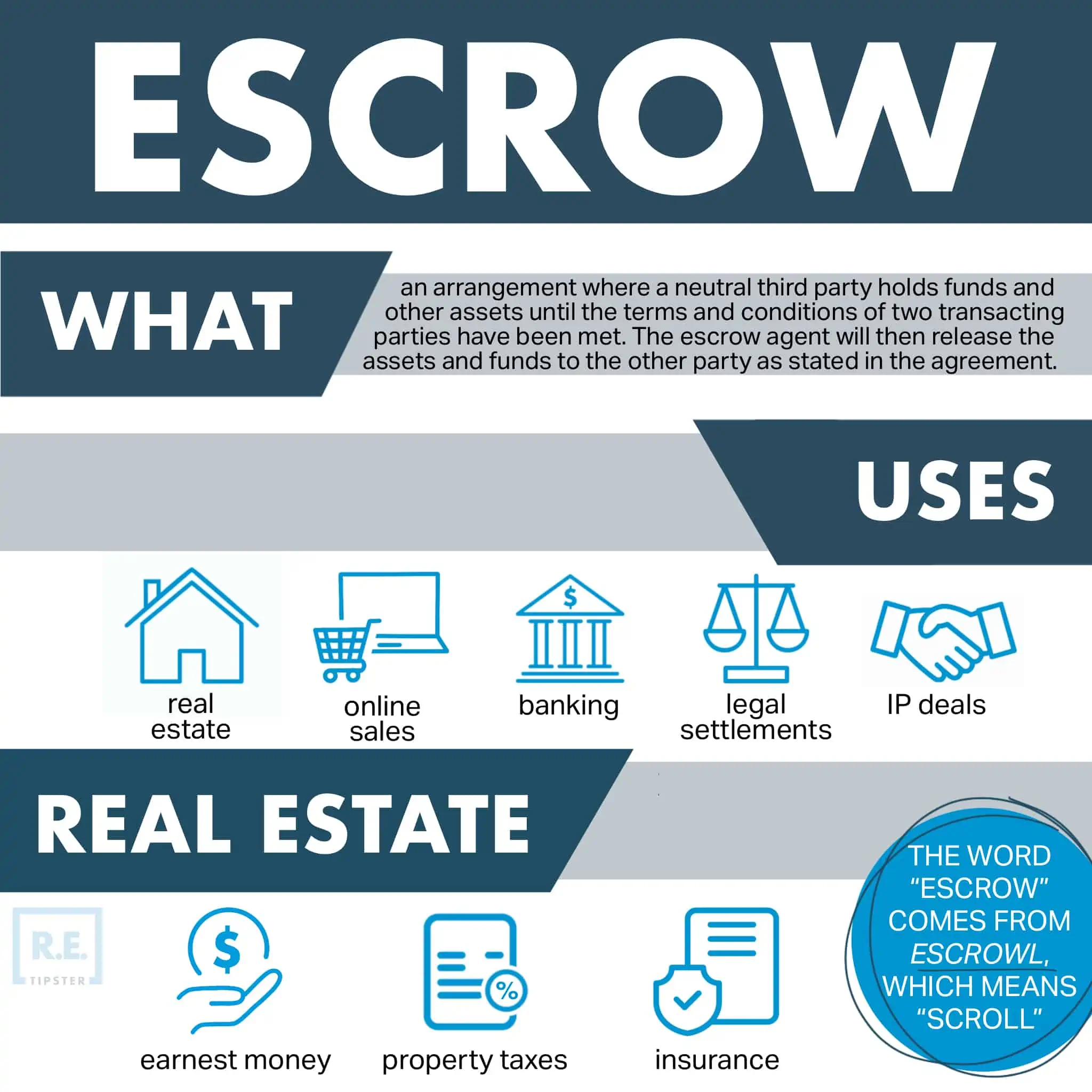
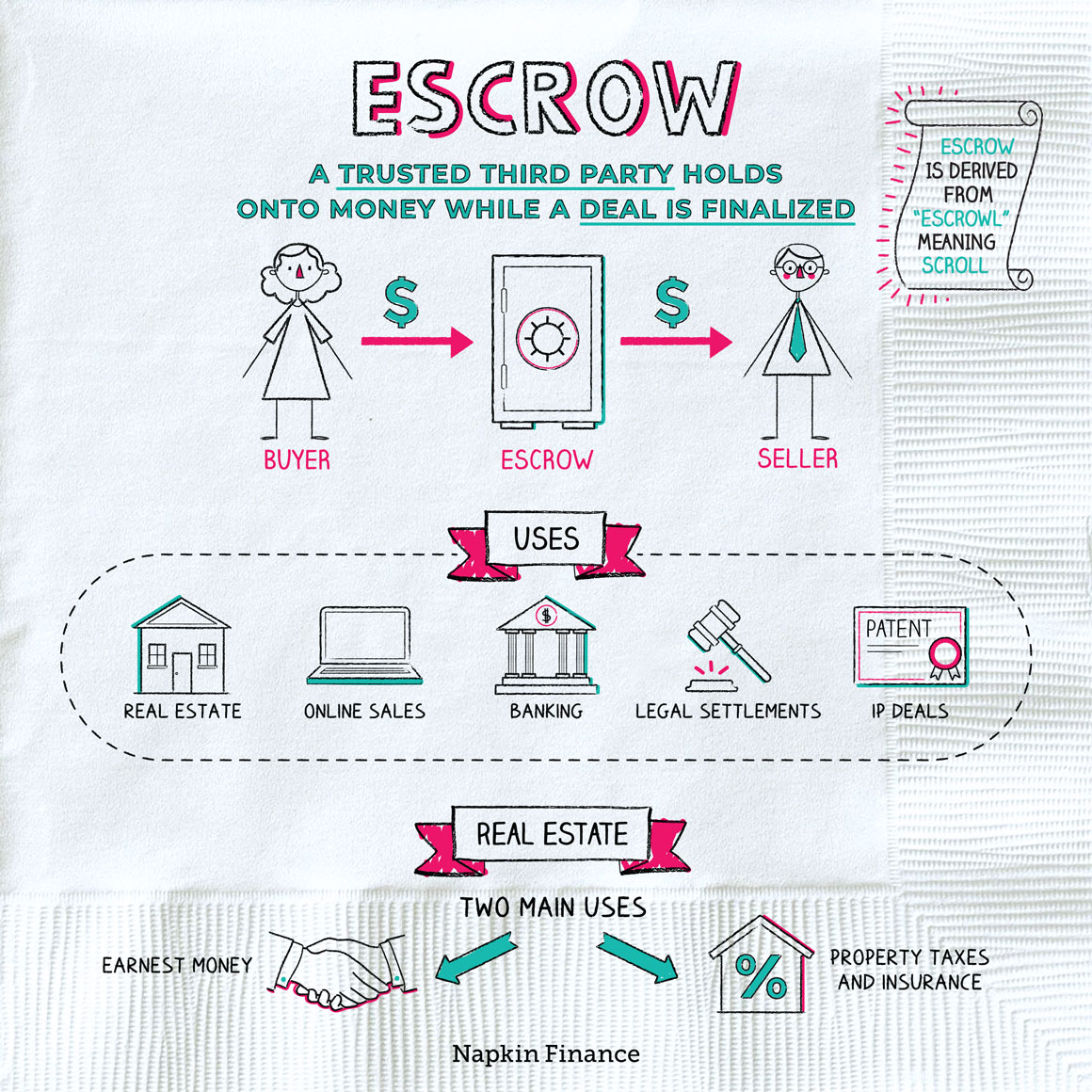
Escrow stands as a cornerstone of financial security, acting as a neutral third party that holds assets or funds on behalf of two other parties involved in a transaction. Its fundamental purpose is to mitigate risk, ensuring that both buyer and seller (or any contracting parties) fulfill their obligations before the exchange of value is completed. In essence, escrow provides a protective layer, safeguarding against potential defaults, fraud, or unforeseen complications that could arise in a direct transaction. This mechanism builds trust and facilitates complex exchanges that would otherwise be fraught with uncertainty.
The core principle behind escrow is straightforward: an independent and impartial third party, known as the escrow agent, holds an asset or sum of money until specific pre-agreed conditions are met by all parties involved. Once these conditions are satisfied, as verified by the escrow agent, the assets are released to the intended recipient. This process creates a secure intermediary step, ensuring that neither party is exposed to undue risk by releasing their end of the bargain without assurance of reciprocity. While often associated with real estate, escrow’s applications span a broad spectrum of financial dealings, from major business acquisitions to online marketplace transactions.
The Fundamental Role of Escrow in Financial Security
At its heart, escrow is a risk management tool in finance. Imagine a scenario where a buyer sends money directly to a seller before receiving the goods or services. The buyer risks losing their funds if the seller fails to deliver. Conversely, a seller who ships goods before receiving payment risks non-payment. Escrow elegantly resolves this dilemma by inserting a trusted intermediary.
How Escrow Works: A Step-by-Step Financial Safeguard
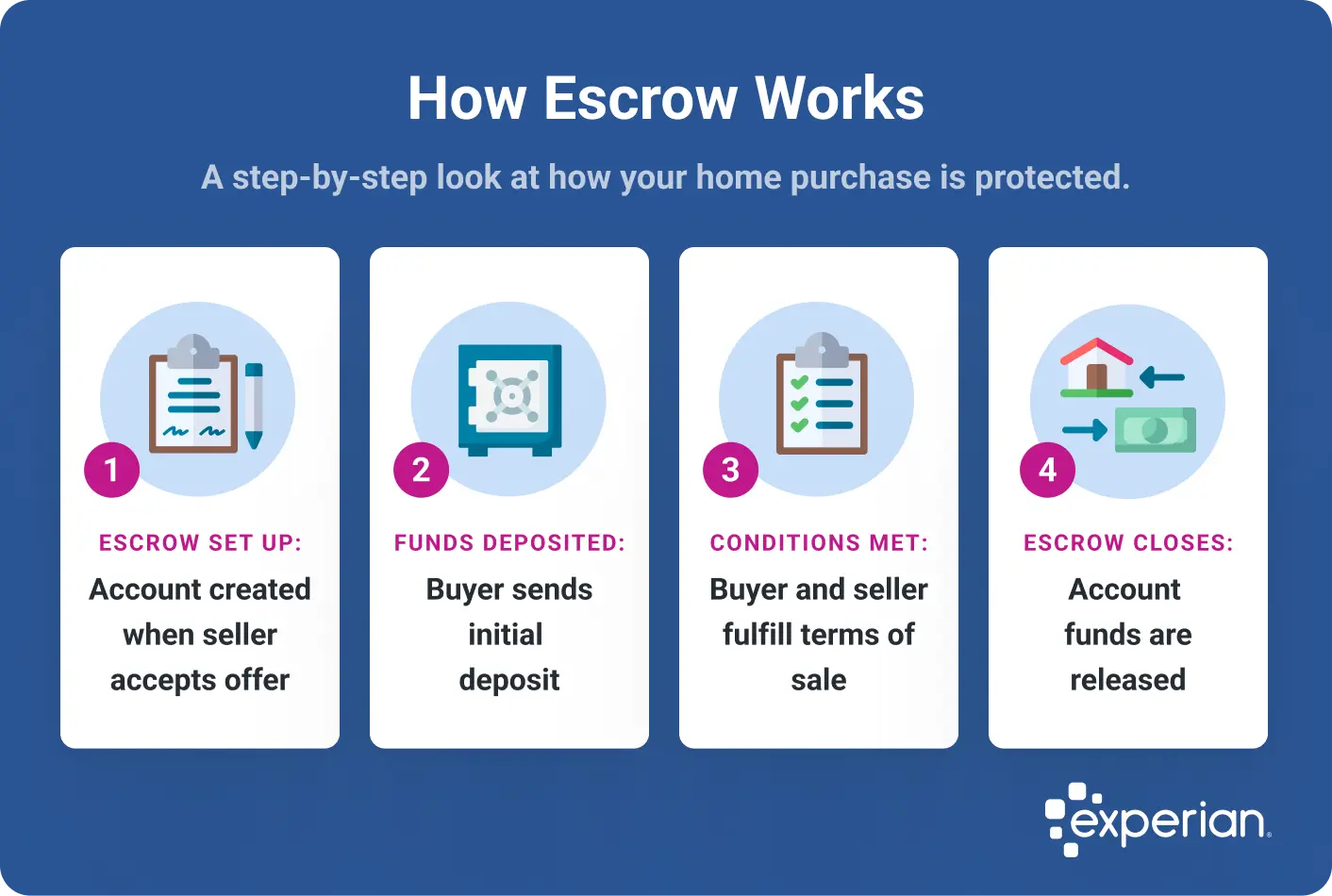
The escrow process typically involves several key stages, each designed to ensure transparency and security:
- Agreement and Instruction: The buyer and seller agree on the terms of their transaction, including the price, conditions for release, and the role of the escrow agent. They then provide written escrow instructions to the agent, detailing all responsibilities and contingencies.
- Deposit of Funds or Assets: The buyer deposits the agreed-upon funds or assets (such as a deed) into the escrow account. The escrow agent confirms receipt, providing assurance to the seller that the funds are secured.
- Fulfillment of Conditions: Both parties work to satisfy the conditions stipulated in the escrow instructions. This might involve the seller delivering a product, providing specific documentation, or the buyer conducting inspections and securing financing.
- Verification by Escrow Agent: The escrow agent independently verifies that all conditions have been met. This often includes reviewing legal documents, checking for liens, ensuring clear title, or confirming service delivery.
- Disbursement: Once all conditions are fully satisfied and verified, the escrow agent releases the funds to the seller and the assets to the buyer, effectively completing the transaction. Any fees for the escrow service are typically deducted at this stage.
This structured process prevents premature release of funds or assets, safeguarding the financial interests of all involved parties and ensuring that contractual obligations are fulfilled before any irreversible steps are taken.
Primary Applications: Where Escrow Becomes Indispensable
While the mechanism remains consistent, the contexts in which escrow is utilized are diverse, highlighting its adaptability as a crucial financial tool across various sectors.
Real Estate Transactions: The Cornerstone of Home Ownership
Real estate is perhaps the most prominent area where escrow is not just common, but often legally mandated or industry standard. The high value, complexity, and multitude of parties involved (buyers, sellers, lenders, agents, title companies, inspectors) make escrow indispensable.
- Earnest Money Deposit: When a buyer makes an offer on a home, they typically submit an “earnest money deposit” to an escrow account. This deposit demonstrates the buyer’s serious intent and is held until closing. If the sale goes through, it’s applied towards the down payment or closing costs. If the deal falls apart due to the buyer’s non-performance (without valid contingencies), the seller may be entitled to keep it as liquidated damages.
- Closing Costs and Funds: During the closing process, all funds related to the purchase—the buyer’s down payment, loan proceeds from the lender, and seller credits—are channeled through escrow. The escrow agent then disburses these funds to various parties: the seller receives the proceeds, real estate agents get their commissions, and title companies, lenders, and government entities receive their respective fees and taxes. This centralized management ensures all financial obligations are met simultaneously.
- Property Taxes and Insurance (Mortgage Escrow Accounts): For many homeowners with mortgages, a portion of their monthly payment goes into an escrow account managed by their mortgage servicer. These funds accumulate over time and are used by the servicer to pay property taxes and homeowner’s insurance premiums when they become due. This prevents homeowners from facing large, lump-sum bills and ensures that the lender’s collateral (the home) is always insured and free of tax liens.
Business Transactions: Facilitating Mergers, Acquisitions, and Asset Sales
Beyond real estate, escrow plays a vital role in complex business dealings, particularly those involving substantial sums and intricate contractual conditions.
- Mergers and Acquisitions (M&A): In M&A deals, a portion of the purchase price may be held in escrow post-closing to cover potential indemnification claims, warranty breaches, or adjustments based on post-closing financial performance. This protects the buyer against undisclosed liabilities or misrepresentations by the seller.
- Large Asset Sales: When businesses sell high-value assets like equipment, intellectual property, or even entire divisions, escrow can secure funds while due diligence is completed, legal transfers are processed, or specific performance metrics are met.
- Software and Technology Development: In software development contracts, particularly for custom solutions, milestone payments might be held in escrow and released only upon the successful completion and acceptance of defined project phases.
Online Transactions and High-Value Purchases: Building Trust in a Digital World
In the age of digital commerce, escrow services have evolved to provide security for online transactions, especially for high-value goods or services where buyer and seller may be geographically distant and lack established trust.
- Domain Name Transfers: When buying or selling a premium domain name, escrow services ensure the buyer receives ownership of the domain only after payment is confirmed, and the seller receives payment only after the domain transfer is successfully initiated and validated.
- Freelance Services and Projects: For large freelance contracts or project-based work, clients can deposit funds into escrow, which are then released to the freelancer upon satisfactory completion of milestones or the entire project. This protects both parties from non-payment or non-delivery.
- Luxury Goods and Vehicles: Private sales of high-value items like classic cars, art, or jewelry can benefit from escrow, ensuring both parties are protected from fraud during the exchange.
Legal Settlements and Other Specialized Uses
Escrow’s impartiality also makes it valuable in legal and other specialized financial contexts:
- Legal Settlements: Funds from legal settlements can be placed in escrow, pending the fulfillment of certain conditions, such as the signing of release documents by all parties, or the resolution of appeals.
- Rent and Security Deposits: In some jurisdictions or specific rental agreements, security deposits or even monthly rent might be held in a dedicated escrow account, especially if there are disputes or unique terms that require a neutral third party to manage funds.
Beyond Safety: The Multifaceted Advantages of Escrow Services
The primary benefit of escrow is risk reduction, but its advantages extend to efficiency, transparency, and peace of mind for all parties involved in a financial transaction.
- Mutual Security for All Parties: Both buyer and seller gain security. The buyer knows their money is safe and won’t be disbursed until conditions are met, while the seller knows the buyer’s funds are available and will be released once their obligations are fulfilled.
- Ensures Contractual Adherence: Escrow acts as an incentive for both parties to meet their contractual obligations, as failure to do so means the transaction will not proceed, and funds/assets will not be released.
- Impartial Expertise: Escrow agents are neutral third parties with specialized knowledge in managing complex transactions, handling documentation, and understanding legal requirements. This expertise helps ensure compliance and smooth execution.
- Streamlined Complex Transactions: By centralizing the holding of funds and documents and managing the fulfillment of conditions, escrow services significantly simplify complex transactions that involve multiple steps, deadlines, and requirements.
- Conflict Resolution: In the event of a dispute, the escrow agent can often play a role in mediating or holding funds until the dispute is resolved, either through negotiation or legal channels.
Navigating Escrow: Selecting the Right Agent and Understanding Costs
Choosing the right escrow agent is a critical decision that can impact the smoothness and security of your financial transaction.
Types of Escrow Agents
- Title Companies: Often used in real estate, title companies frequently offer escrow services, integrating them with title insurance and search functions.
- Banks and Financial Institutions: Many banks have dedicated escrow departments for various types of transactions, leveraging their existing financial infrastructure.
- Independent Escrow Companies: These firms specialize solely in providing escrow services and are licensed and regulated specifically for this purpose.
- Attorneys: In some legal contexts, attorneys may act as escrow agents, particularly for legal settlements or transactions requiring specific legal expertise.
- Online Escrow Services: For digital and smaller-scale transactions, a growing number of online platforms offer secure digital escrow solutions.
Factors to Consider When Choosing an Escrow Agent
- Reputation and Licensing: Ensure the escrow agent is reputable, licensed, and bonded, providing a layer of protection against malpractice or insolvency. Check for regulatory compliance.
- Experience: Look for an agent with extensive experience in the specific type of transaction you are undertaking (e.g., real estate, M&A, online sales).
- Fees: Understand the escrow fees upfront. These can vary based on the transaction value, complexity, and the specific services provided. Typically, fees are split between the buyer and seller, but this is negotiable.
- Communication and Transparency: A good escrow agent provides clear communication, regular updates, and transparent reporting on the status of the transaction.
- Technology: For online transactions, consider the ease of use and security features of the digital escrow platform.
By understanding what escrow is used for and how to effectively engage with it, individuals and businesses can navigate a wide array of financial transactions with greater confidence, security, and peace of mind. It transforms potential high-stakes risks into managed processes, fostering trust in an increasingly complex financial landscape.
aViewFromTheCave is a participant in the Amazon Services LLC Associates Program, an affiliate advertising program designed to provide a means for sites to earn advertising fees by advertising and linking to Amazon.com. Amazon, the Amazon logo, AmazonSupply, and the AmazonSupply logo are trademarks of Amazon.com, Inc. or its affiliates. As an Amazon Associate we earn affiliate commissions from qualifying purchases.