
The equity stock market is often described as the engine of the global economy. For the individual investor, it represents one of the most powerful vehicles for wealth creation ever devised. At its core, the equity market is a complex ecosystem where shares of public companies are issued, bought, and sold. It is a place where businesses seek capital to innovate and expand, and where individuals seek to grow their savings by participating in those companies’ successes. Understanding the nuances of this market is not merely an academic exercise; it is a fundamental requirement for anyone looking to navigate the modern financial landscape and secure their long-term financial future.
The Core Concepts of Equity Ownership
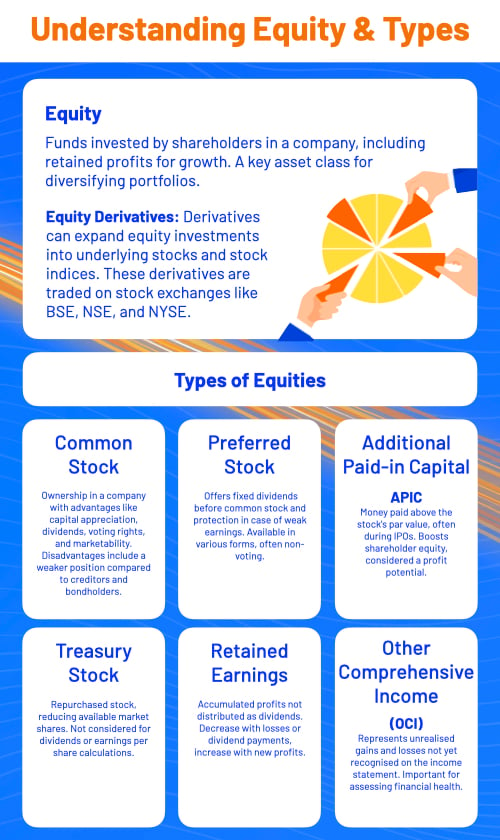
To understand the equity stock market, one must first understand the concept of “equity” itself. In a financial context, equity represents ownership. When a person purchases a stock, they are buying a “share” of a corporation. This share is a legal claim on a portion of the company’s assets and earnings. Unlike debt instruments, such as bonds, where an investor lends money to an entity in exchange for interest payments, equity puts the investor in the position of a part-owner.
The Distinction Between Common and Preferred Stock
Equity typically manifests in two primary forms: common stock and preferred stock. Common stock is the most prevalent form and what most people refer to when they talk about “buying stocks.” Holders of common stock usually have voting rights at shareholder meetings and may receive dividends, though these are never guaranteed. The primary appeal of common stock is its potential for capital appreciation—the increase in the stock’s price over time.
Preferred stock, on the other hand, functions somewhat like a hybrid between a stock and a bond. Preferred shareholders usually do not have voting rights, but they have a higher claim on the company’s assets and earnings. For instance, if a company pays dividends, preferred shareholders must be paid before common shareholders. In the event of a liquidation, they are also higher up in the hierarchy of claims. For the conservative investor, preferred stocks offer more stability, while common stocks offer higher growth potential.
The Purpose of a Stock Exchange
The stock market is not a single entity but a network of exchanges. These exchanges, such as the New York Stock Exchange (NYSE) or the NASDAQ, act as regulated marketplaces. They provide the infrastructure necessary for buyers and sellers to meet and execute trades with confidence. Without these centralized exchanges, trading shares would be a cumbersome and risky process involving private negotiations and significant counterparty risk. By providing transparency, liquidity, and a standardized set of rules, exchanges ensure that the equity market remains efficient and accessible to both institutional and retail investors.
How the Stock Market Operates: Mechanics and Ecosystems
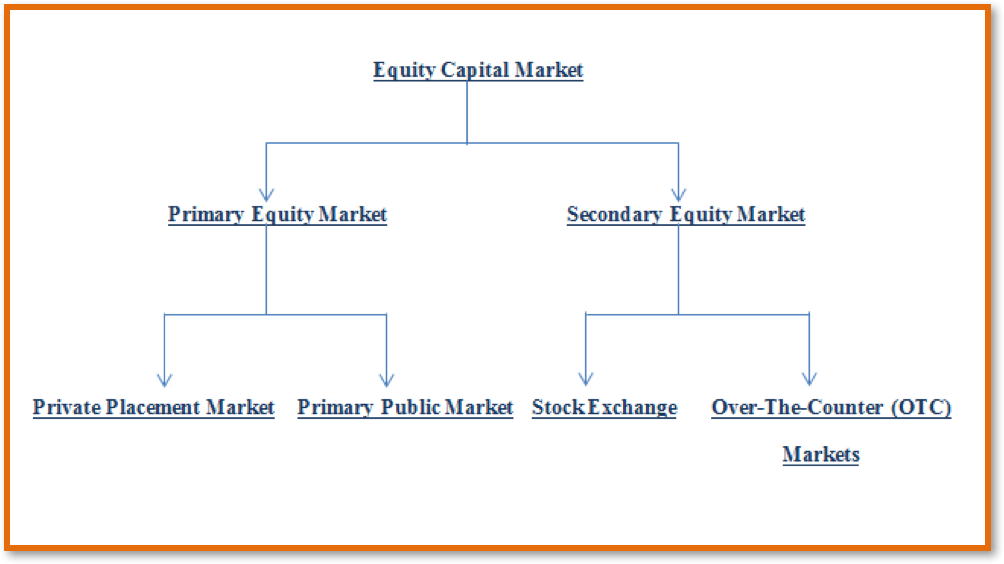
The functioning of the equity market is divided into two distinct but interconnected segments: the primary market and the secondary market. Understanding the difference between these two is crucial for grasping how capital flows through the global economy.
The Primary Market: Initial Public Offerings (IPOs)
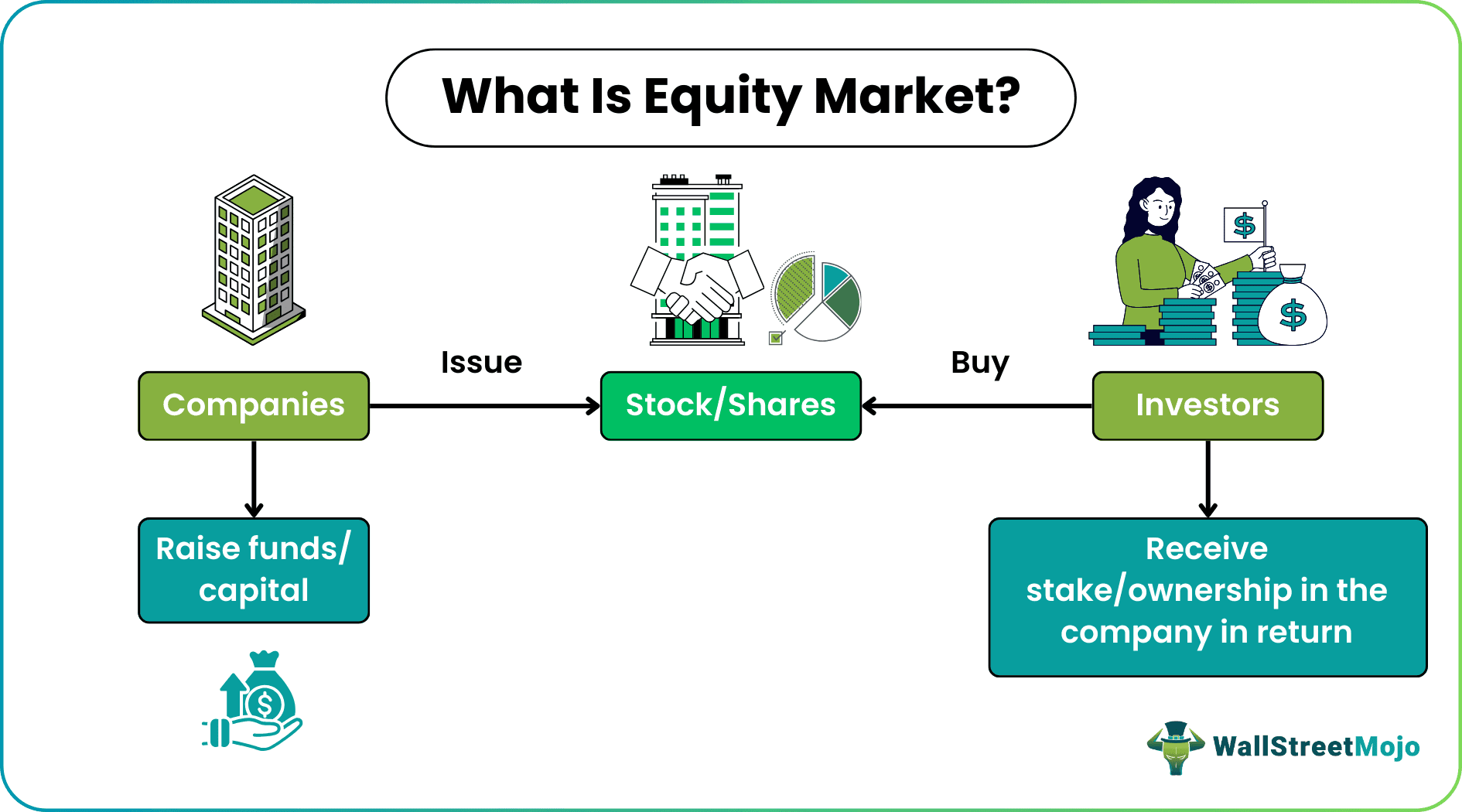
The primary market is where securities are created. This is the venue where a private company decides to “go public” to raise significant capital for expansion, research, or debt repayment. This process is known as an Initial Public Offering (IPO). In the primary market, the transaction occurs directly between the issuing company and the investors (usually large institutional investors like pension funds or hedge funds). Once the IPO is completed, the company receives the proceeds from the sale, and its shares begin to trade on an exchange.
The Secondary Market: Daily Trading and Liquidity
The secondary market is what most people visualize when they think of the stock market. This is where investors trade previously issued securities among themselves. If you buy a share of a tech giant today, you are not buying it from the company itself; you are buying it from another investor who wishes to sell. The company does not receive any money from these daily trades.
The secondary market is vital because it provides liquidity. Liquidity is the ease with which an asset can be converted into cash without affecting its price. Because millions of participants are active in the secondary market, investors can enter or exit positions almost instantaneously. This liquidity reduces the risk of investing in equities, as it ensures that your capital is not “locked away” indefinitely.
The Role of Market Participants
The market is populated by a diverse array of participants, each with different goals. Retail investors are individuals trading for their personal accounts. Institutional investors, such as mutual funds and insurance companies, trade in massive volumes and often move market prices. Market makers and specialists provide the necessary “bid” and “ask” prices to ensure that there is always a counterparty for a trade, maintaining the continuous flow of the market.
Why the Equity Market is Essential for Personal Wealth
For many, the equity market is the most accessible path to financial independence. While it comes with inherent risks, the historical performance of equities has consistently outperformed other asset classes, such as gold, bonds, or savings accounts, over the long term.
Capital Appreciation and the Power of Compounding
The most significant benefit of equity investing is capital appreciation. As a company grows, increases its profits, and expands its market share, the value of that company—and consequently its share price—tends to rise. Over decades, this growth can be exponential.
Furthermore, the stock market allows investors to harness the power of compounding. When you reinvest the returns from your investments (including dividends), those returns begin to generate their own returns. Over a 20- or 30-year horizon, compounding can transform modest monthly contributions into a substantial retirement nest egg. This is why financial advisors emphasize starting early; time is the most valuable asset an equity investor has.
Dividend Income and Passive Wealth
Beyond price appreciation, many established companies share their profits with shareholders in the form of dividends. For the income-focused investor, a portfolio of high-quality “dividend aristocrats”—companies that have consistently increased their dividends for decades—can provide a reliable stream of passive income. This income can be used to fund a lifestyle or, more effectively, be reinvested to accelerate the growth of the portfolio.
Hedging Against Inflation
Inflation is the silent killer of purchasing power. If your money is sitting in a traditional bank account earning 1% interest while inflation is at 3%, you are effectively losing wealth every year. Equities act as a natural hedge against inflation. Companies can often raise the prices of their goods and services to offset rising costs, which helps maintain their profit margins and stock valuations. By owning a piece of the productive economy, investors protect their wealth from the devaluing effects of currency inflation.
Navigating the Risks and Volatility of Share Trading
No discussion of the equity stock market is complete without addressing risk. The potential for high returns is inextricably linked to the possibility of loss. Market volatility is a feature, not a bug, of the equity landscape.
Systematic vs. Unsystematic Risk
Investors face two main types of risk. Systematic risk, also known as market risk, refers to factors that affect the entire market simultaneously—such as geopolitical tensions, interest rate changes, or global pandemics. This type of risk cannot be eliminated through diversification.
Unsystematic risk, or specific risk, relates to an individual company or industry. For example, a company might suffer from poor management, a failed product launch, or a legal scandal. This type of risk can be mitigated through diversification—the practice of spreading investments across different sectors and asset classes so that a failure in one area does not ruin the entire portfolio.
The Psychology of Investing
Perhaps the greatest risk in the equity market is not the market itself, but the behavior of the investor. The stock market is driven by human emotions, primarily fear and greed. During a “bull market,” when prices are rising, investors often become overconfident and take on too much risk. Conversely, during a “bear market,” when prices are falling, panic often leads investors to sell at the bottom, locking in their losses. Successful equity investing requires emotional discipline and a focus on long-term fundamentals rather than short-term price fluctuations.
Building a Strategic Approach to Equity Investment
Entering the equity market requires a clear strategy. Randomly picking stocks based on “tips” or headlines is rarely a sustainable path to wealth. Instead, investors should adopt a methodical approach based on their financial goals and risk tolerance.
Fundamental vs. Technical Analysis
Investors generally use two methods to evaluate stocks. Fundamental analysis involves looking at the underlying health of a business. This includes analyzing financial statements, revenue growth, profit margins, and the competitive landscape. The goal is to determine the “intrinsic value” of a stock and buy it if it is undervalued.
Technical analysis, by contrast, focuses on price patterns and market trends. Technical analysts use charts and mathematical indicators to predict future price movements based on historical data. While fundamental analysis is typically favored by long-term investors, technical analysis is a common tool for short-term traders.
The Rise of Indexing and ETFs
For those who do not have the time or desire to analyze individual companies, the rise of Exchange-Traded Funds (ETFs) and index funds has revolutionized the equity market. An index fund tracks a specific segment of the market, such as the S&P 500, which represents the 500 largest companies in the United States. By buying an index fund, an investor gains instant diversification and exposure to the growth of the overall economy at a very low cost. This “passive” investing strategy has historically outperformed many actively managed funds over the long run.
In conclusion, the equity stock market is a sophisticated mechanism for distributing capital and building wealth. It offers the opportunity to own a piece of the world’s most innovative companies and to participate in global economic growth. By understanding the fundamentals of ownership, the mechanics of the exchange, and the balance between risk and reward, an investor can move from a position of uncertainty to one of strategic confidence. Whether through individual stock picking or diversified index funds, the equity market remains the cornerstone of modern personal finance.
aViewFromTheCave is a participant in the Amazon Services LLC Associates Program, an affiliate advertising program designed to provide a means for sites to earn advertising fees by advertising and linking to Amazon.com. Amazon, the Amazon logo, AmazonSupply, and the AmazonSupply logo are trademarks of Amazon.com, Inc. or its affiliates. As an Amazon Associate we earn affiliate commissions from qualifying purchases.