
The blueprint of life, DNA, holds the instructions for building and operating every living organism. For decades, the focus in molecular biology was almost exclusively on the sequence of these instructions—the genes themselves. However, a revolutionary field known as epigenetics has unveiled a fascinating layer of control: how these instructions are read and interpreted, rather than the instructions themselves. Epigenetic modifications are changes in gene expression that do not involve alterations to the underlying DNA sequence but can dramatically impact cellular function, development, and disease. This dynamic interplay between our genes and their expression represents a critical frontier in modern biotechnology and personalized medicine.

Decoding the Epigenome: Beyond the DNA Sequence
To fully grasp the significance of epigenetic modification, it’s essential to understand its departure from the classical view of genetics. While DNA provides the static code, the epigenome offers a dynamic regulatory layer, dictating which genes are switched on or off, when, and where.
The Central Dogma and Its Nuances
The central dogma of molecular biology posits that genetic information flows from DNA to RNA to protein. DNA stores the information, RNA acts as a messenger, and proteins perform most cellular functions. This foundational understanding laid the groundwork for modern genetics, explaining how traits are inherited and how genetic mutations can lead to disease. However, it didn’t fully account for the incredible complexity of cell differentiation (how a single fertilized egg can give rise to hundreds of different cell types, all containing the same DNA), or how environmental factors could influence gene expression without changing the DNA itself. Epigenetics provides the missing piece, demonstrating that the accessibility of DNA and the efficiency of its transcription into RNA are under sophisticated control, adding significant nuance to the central dogma.
Defining Epigenetics: A Layer of Control
At its core, epigenetics refers to heritable changes in gene function that occur without a change in the DNA sequence. The “epi-” prefix, meaning “on top of” or “in addition to,” perfectly encapsulates this concept. Think of the DNA sequence as a script for a play. Epigenetic modifications are akin to the director’s notes—they don’t change the words in the script but dictate how the lines are delivered, which scenes are performed, and when actors appear on stage. These modifications ensure that liver cells express liver-specific genes while brain cells express brain-specific genes, despite both containing the identical genetic script. These changes are stable, can be passed down through cell divisions (and sometimes across generations), and are crucial for normal development and cellular adaptation.
Why it Matters: Implications for Biology and Beyond
The profound implications of epigenetics stretch across biology, medicine, and technology. Understanding epigenetic mechanisms is key to unraveling the mysteries of development, aging, and the origins of complex diseases such like cancer, neurodegenerative disorders, and autoimmune conditions. From a technological standpoint, the ability to map, measure, and even manipulate these epigenetic marks opens doors to novel diagnostic tools, highly targeted therapies, and a deeper understanding of human health. It allows researchers to move beyond simply identifying genetic predispositions to understanding how environmental exposures and lifestyle choices interact with our genes to shape our health trajectory.
Key Mechanisms of Epigenetic Modification
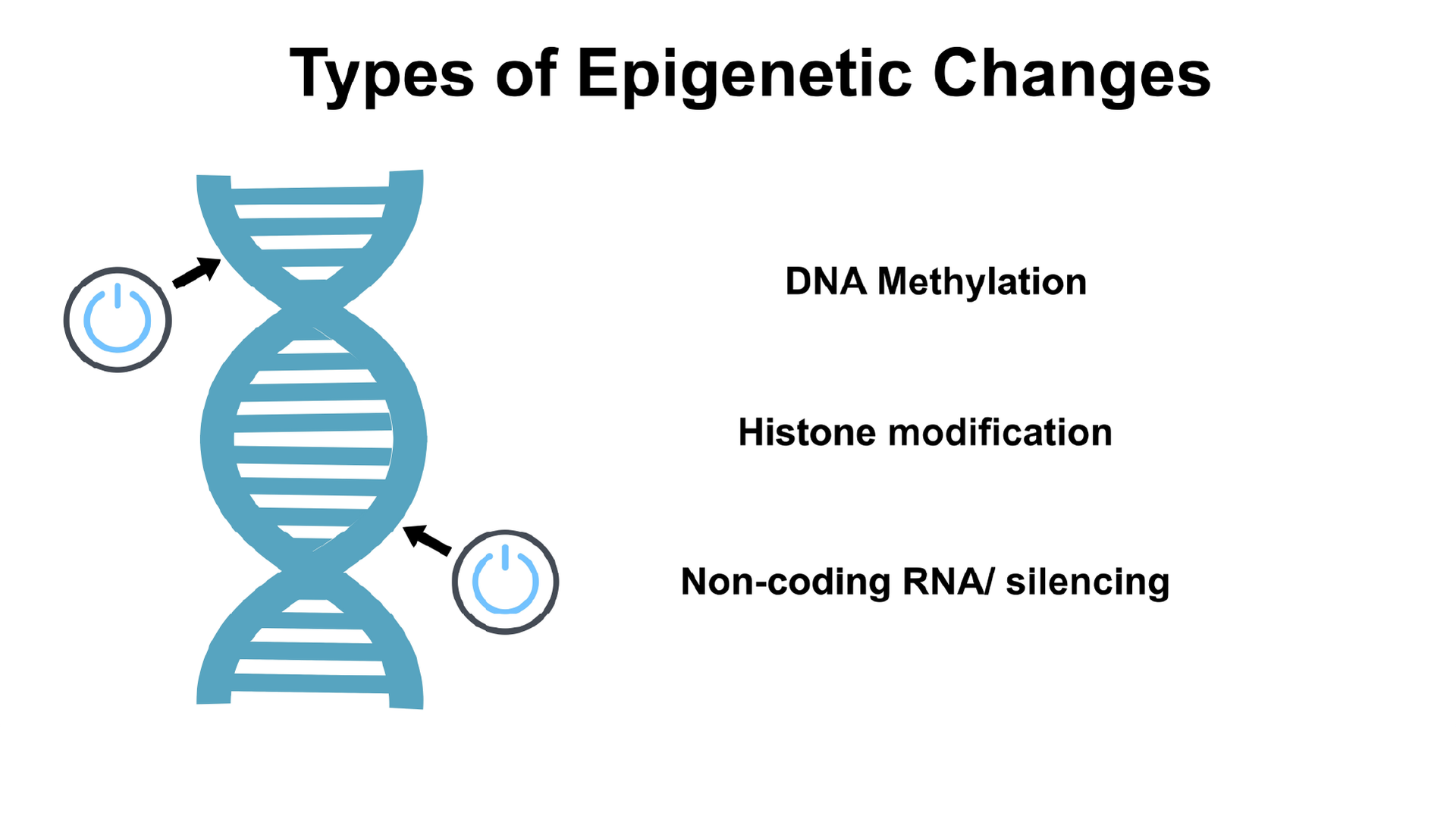
Several molecular mechanisms orchestrate epigenetic modifications, often working in concert to create a sophisticated regulatory network. These mechanisms primarily involve altering the accessibility of DNA to the cellular machinery responsible for gene expression.
DNA Methylation: The Gene Silencer
One of the most well-characterized epigenetic marks is DNA methylation. This process involves the addition of a methyl group (CH3) to a cytosine base within a DNA strand, typically occurring at CpG dinucleotides (a cytosine followed by a guanine). When methylation occurs in gene promoter regions (the regulatory sequences that initiate gene transcription), it generally acts as a repressive signal, effectively “silencing” the gene by hindering the binding of transcription factors.
Technologically, detecting and quantifying DNA methylation is critical. Bisulfite sequencing, a gold standard technique, chemically converts unmethylated cytosines to uracil while leaving methylated cytosines untouched, allowing researchers to distinguish between the two states. Newer, high-throughput sequencing methods like whole-genome bisulfite sequencing (WGBS) and reduced representation bisulfite sequencing (RRBS) enable comprehensive epigenomic mapping, providing insights into methylation patterns across entire genomes. Abnormal DNA methylation patterns are hallmarks of various diseases, particularly cancer, making their detection a powerful diagnostic and prognostic tool.
Histone Modification: Chromatin’s Gatekeepers
Our vast stretches of DNA are not simply free-floating; they are tightly wound around specialized proteins called histones, forming a complex known as chromatin. The way DNA is packaged around histones significantly influences gene expression. When DNA is tightly packed, genes are generally inaccessible and silent. When it’s loosely packed, genes are open for transcription.
Histone modification involves the addition or removal of various chemical groups (e.g., acetyl, methyl, phosphate, ubiquitin) to the tails of histone proteins. For instance, histone acetylation, often carried out by histone acetyltransferases (HATs), tends to “open up” chromatin, making DNA more accessible and promoting gene expression. Conversely, histone deacetylation by histone deacetylases (HDACs) typically leads to chromatin compaction and gene silencing. Histone methylation, while more complex, can either activate or repress genes depending on the specific histone residue and the number of methyl groups added. Technologies like Chromatin Immunoprecipitation sequencing (ChIP-seq) allow scientists to identify regions of the genome associated with specific histone modifications, providing a high-resolution map of active and repressed genomic regions.
Non-coding RNAs (ncRNAs): Regulatory Orchestrators
Beyond DNA and proteins, a diverse class of RNA molecules known as non-coding RNAs (ncRNAs) play crucial epigenetic roles without being translated into proteins themselves. These include microRNAs (miRNAs), small interfering RNAs (siRNAs), and long non-coding RNAs (lncRNAs). MiRNAs, for example, can bind to messenger RNA (mRNA) molecules, leading to their degradation or inhibition of translation, thereby indirectly influencing gene expression. LncRNAs can act as scaffolds, guiding epigenetic modifying enzymes to specific genomic locations, or by directly interacting with chromatin. The discovery and functional characterization of these ncRNAs have added another intricate layer to our understanding of epigenetic regulation, sparking intense research into their diagnostic potential and therapeutic targeting using advanced sequencing and gene-editing technologies.
Chromatin Remodeling: Dynamic Restructuring
Chromatin remodeling refers to the ATP-dependent movement or restructuring of nucleosomes (DNA wrapped around histones) along the DNA. This dynamic process, carried out by specialized protein complexes (chromatin remodelers), can slide, eject, or restructure nucleosomes to expose or conceal specific DNA sequences. Chromatin remodelers are essential for processes like DNA replication, repair, and transcription, ensuring that the right genes are accessible at the right time. Aberrations in these remodeling complexes are often implicated in developmental disorders and cancer, making them attractive targets for therapeutic intervention. Technologies like ATAC-seq (Assay for Transposase-Accessible Chromatin using sequencing) allow researchers to map regions of open chromatin genome-wide, providing a snapshot of regulatory elements accessible for transcription.
Technological Frontlines: Leveraging Epigenetics
The understanding of epigenetic modifications has not remained confined to basic research; it has spurred a wave of technological innovation across diagnostics, therapeutics, and personalized health.
Diagnostic Breakthroughs: Epigenetic Biomarkers
The stability and tissue-specificity of epigenetic marks make them ideal biomarkers for disease detection. Advanced sequencing techniques, coupled with highly sensitive molecular assays, are transforming diagnostics. Liquid biopsies, for instance, analyze circulating tumor DNA (ctDNA) in blood for aberrant methylation patterns, offering a non-invasive method for early cancer detection, monitoring treatment response, and detecting recurrence. Technologies like quantitative PCR (qPCR) and array-based methods are being adapted to detect specific methylated DNA sequences in patient samples, paving the way for earlier and more accurate diagnoses of various conditions, including autoimmune diseases and neurological disorders. The ability to identify unique epigenetic signatures for different diseases represents a significant leap forward in precision diagnostics.
Therapeutic Interventions: Epigenetic Drugs
The reversibility of many epigenetic modifications presents a unique opportunity for therapeutic intervention. “Epigenetic drugs” aim to correct aberrant epigenetic marks associated with disease. For example, DNA methyltransferase inhibitors (DNMTis) such like azacitidine and decitabine are approved for treating myelodysplastic syndromes and certain leukemias by reactivating silenced tumor suppressor genes. Similarly, histone deacetylase inhibitors (HDACis) such as vorinostat and romidepsin are used in treating specific lymphomas, primarily by promoting gene expression through histone acetylation. The development of more specific and potent epigenetic modulators, coupled with sophisticated drug delivery systems, is a major focus in pharmaceutical research, particularly in oncology and neurology. Gene editing technologies are also being explored for targeted epigenetic modulation without altering the underlying DNA sequence.
AI and Bioinformatics in Epigenomics
The sheer volume and complexity of epigenetic data generated by high-throughput sequencing technologies necessitate powerful computational tools. Artificial intelligence (AI) and bioinformatics are indispensable for analyzing epigenomic datasets, identifying subtle patterns, and correlating epigenetic marks with gene expression and disease phenotypes. Machine learning algorithms are used to predict epigenetic modifications, classify disease subtypes based on epigenetic signatures, and even infer gene regulatory networks. AI-driven platforms accelerate drug discovery by screening potential epigenetic compounds and predicting their efficacy. Furthermore, large-scale initiatives to map the human epigenome, such as the NIH Roadmap Epigenomics Program and the International Human Epigenome Consortium (IHEC), rely heavily on advanced bioinformatics pipelines to integrate and interpret vast amounts of data, creating comprehensive resources for the scientific community.
Precision Medicine and Personalized Health
Epigenetics is a cornerstone of precision medicine. By understanding an individual’s unique epigenetic landscape—influenced by genetics, lifestyle, and environmental exposures—healthcare providers can tailor diagnostic strategies and treatments. For example, specific epigenetic profiles might predict a patient’s response to a particular cancer therapy or identify individuals at higher risk for certain chronic conditions. Wearable tech and digital health platforms are beginning to integrate epigenetic insights, potentially offering personalized lifestyle recommendations based on an individual’s dynamic epigenome. This field promises a future where health interventions are not one-size-fits-all but are instead precisely calibrated to an individual’s molecular biology, offering proactive and highly effective care.
Environmental Interplay and Future Horizons
The dynamic nature of the epigenome means it is constantly interacting with our environment, leading to a fascinating interplay between nature and nurture.
Lifestyle and the Epigenome: A Dynamic Relationship
Our daily choices—what we eat, how much we exercise, our exposure to stress and environmental toxins—can directly influence our epigenome. Nutrients such as folate, methionine, and choline are crucial for DNA methylation pathways. Stress can alter histone modifications in brain regions associated with mood and memory. While the extent of transgenerational epigenetic inheritance (where environmental exposures of parents lead to epigenetic changes in offspring) in humans is still under active investigation, studies in animal models have demonstrated its potential. This area highlights the profound impact of lifestyle and environmental factors on long-term health, suggesting that personalized health technologies could someday offer real-time epigenetic feedback to guide healthier choices.
The Epigenetic Clock: Measuring Biological Age
A particularly intriguing technological application of epigenetics is the “epigenetic clock.” This refers to a set of DNA methylation sites whose patterns correlate strongly with chronological age. Various epigenetic clocks, such as the Horvath clock, can estimate an individual’s biological age, which may differ significantly from their chronological age. Discrepancies between biological and chronological age have been linked to health outcomes and risk for age-related diseases. Technologies that precisely measure these methylation patterns, often using high-throughput microarrays or sequencing, are being developed for research and potential clinical applications in anti-aging interventions and personalized health assessments.

Ethical Considerations and Data Security
As epigenetic profiling becomes more sophisticated and widespread, ethical considerations come to the forefront. The ability to predict disease risk or track lifestyle impacts through epigenetic data raises questions about privacy, data security, and potential discrimination. Protecting sensitive epigenetic information and ensuring its responsible use in research and clinical settings will be paramount. As with any powerful new technology, robust ethical frameworks and regulatory guidelines will be essential to harness the full potential of epigenetics for human benefit while mitigating potential risks. The integration of advanced encryption and secure data management within epigenomic platforms is already a critical aspect of responsible development in this rapidly advancing field.
aViewFromTheCave is a participant in the Amazon Services LLC Associates Program, an affiliate advertising program designed to provide a means for sites to earn advertising fees by advertising and linking to Amazon.com. Amazon, the Amazon logo, AmazonSupply, and the AmazonSupply logo are trademarks of Amazon.com, Inc. or its affiliates. As an Amazon Associate we earn affiliate commissions from qualifying purchases.