
Employment tax, often perceived as a complex and daunting area of financial management, is a cornerstone of the modern economic system. For both employers navigating the intricacies of payroll and employees understanding their pay stubs, a clear comprehension of employment tax is not merely beneficial but essential. Far from being a simple deduction, employment tax is a multifaceted system designed to fund critical social safety nets, provide for future benefits, and ensure the smooth functioning of government services. This comprehensive guide will demystify employment tax, breaking down its components, responsibilities, and profound implications for individuals and businesses alike.
At its core, employment tax encompasses a range of levies that employers are required to withhold from employees’ wages and/or pay themselves, based on the wages paid to their workforce. These taxes contribute to a variety of federal, state, and sometimes local programs, impacting everything from retirement and healthcare to unemployment benefits. Understanding “what is employment tax” is the first step towards sound financial management, compliance, and appreciating the intricate web of contributions that support our collective well-being.
Understanding the Fundamentals of Employment Tax
Before delving into the specific types and complexities, it’s crucial to grasp the fundamental definition and the shared responsibilities inherent in employment tax. It’s not just about money flowing to the government; it’s about a pact between employers, employees, and the state, ensuring social stability and future security.
Defining Employment Tax
Employment tax is a general term referring to taxes that employers must pay on behalf of their employees, and taxes that employers must withhold from their employees’ paychecks and remit to the government. These taxes are directly tied to an individual’s employment and earnings. Unlike sales tax or property tax, employment taxes are specifically geared towards the employer-employee relationship and the compensation derived from it.
The primary purposes of employment taxes are twofold:
- To Fund Social Programs: A significant portion of these taxes goes towards funding programs like Social Security (retirement, disability, survivor benefits) and Medicare (hospital insurance). These programs provide vital support for millions of Americans.
- To Cover Unemployment Benefits: Both federal and state unemployment taxes are collected to provide temporary financial assistance to workers who lose their jobs through no fault of their own.
- To Prepay Income Tax Liabilities: A substantial part of what’s withheld from an employee’s paycheck is an estimation of their annual federal, state, and sometimes local income tax liability, paid incrementally throughout the year.
The system is designed to be largely pay-as-you-go, meaning taxes are collected continually rather than in one lump sum at year-end. This consistent flow of revenue is critical for the continuous operation of the programs it supports.
The Dual Role: Employer and Employee Contributions
One of the defining characteristics of employment tax is the shared responsibility between the employer and the employee. It’s not solely the employer’s burden nor exclusively the employee’s deduction; rather, it’s a symbiotic relationship where both parties contribute.
Employee Contributions (Withholdings): Employees primarily contribute through deductions from their gross pay. These deductions include their share of Social Security and Medicare taxes, as well as federal, state, and local income tax withholdings. The employer acts as a collection agent, taking these amounts out of each paycheck and remitting them to the appropriate tax authorities on the employee’s behalf. This process ensures that employees meet their tax obligations throughout the year, preventing a large, unexpected tax bill at tax time.
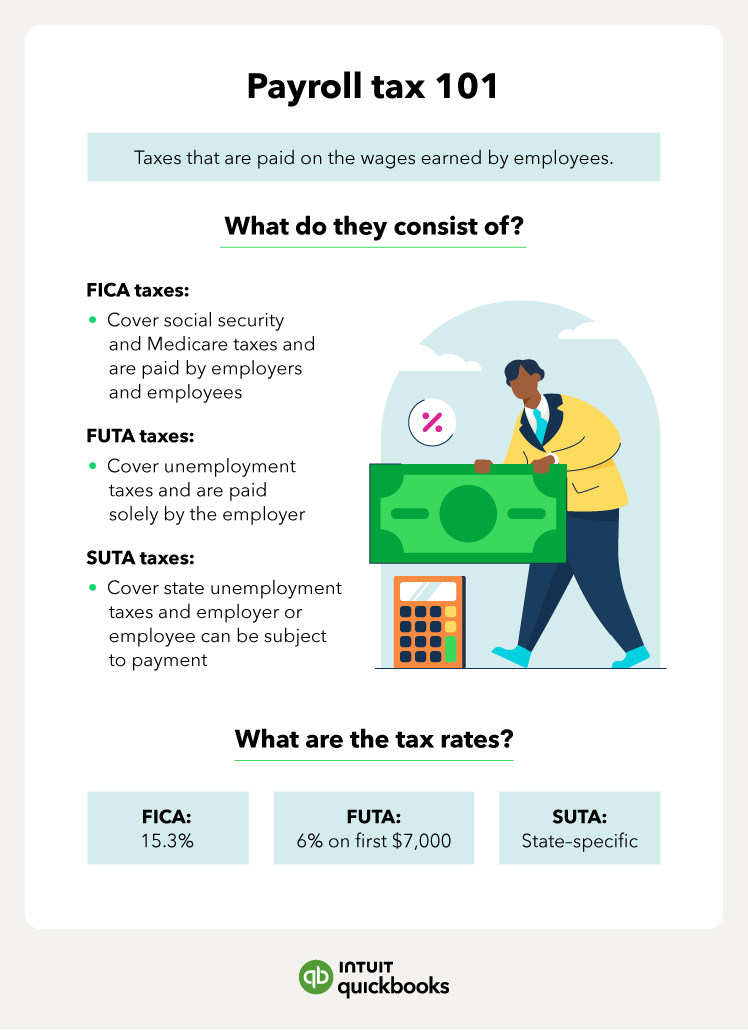
Employer Contributions (Matching and Direct Payments): Employers have their own direct tax obligations. They are required to pay a matching portion of Social Security and Medicare taxes equal to what they withhold from their employees. This means for every dollar an employee pays into FICA taxes, the employer pays another dollar. Additionally, employers are solely responsible for paying Federal Unemployment Tax (FUTA) and State Unemployment Tax (SUTA). These employer-only contributions are considered an added cost of doing business and are not deducted from employee wages. Understanding this dual contribution model is key to appreciating the comprehensive nature of employment taxation.
Key Types of Employment Taxes
Employment taxes are not a monolithic entity; rather, they comprise several distinct categories, each with its own purpose, rules, and rates. The most prominent categories include FICA taxes, unemployment taxes, and income tax withholdings.
Federal Insurance Contributions Act (FICA) Taxes: Social Security and Medicare
FICA taxes are arguably the most widely recognized component of employment tax, directly funding the nation’s Social Security and Medicare programs. These are often referred to as payroll taxes.
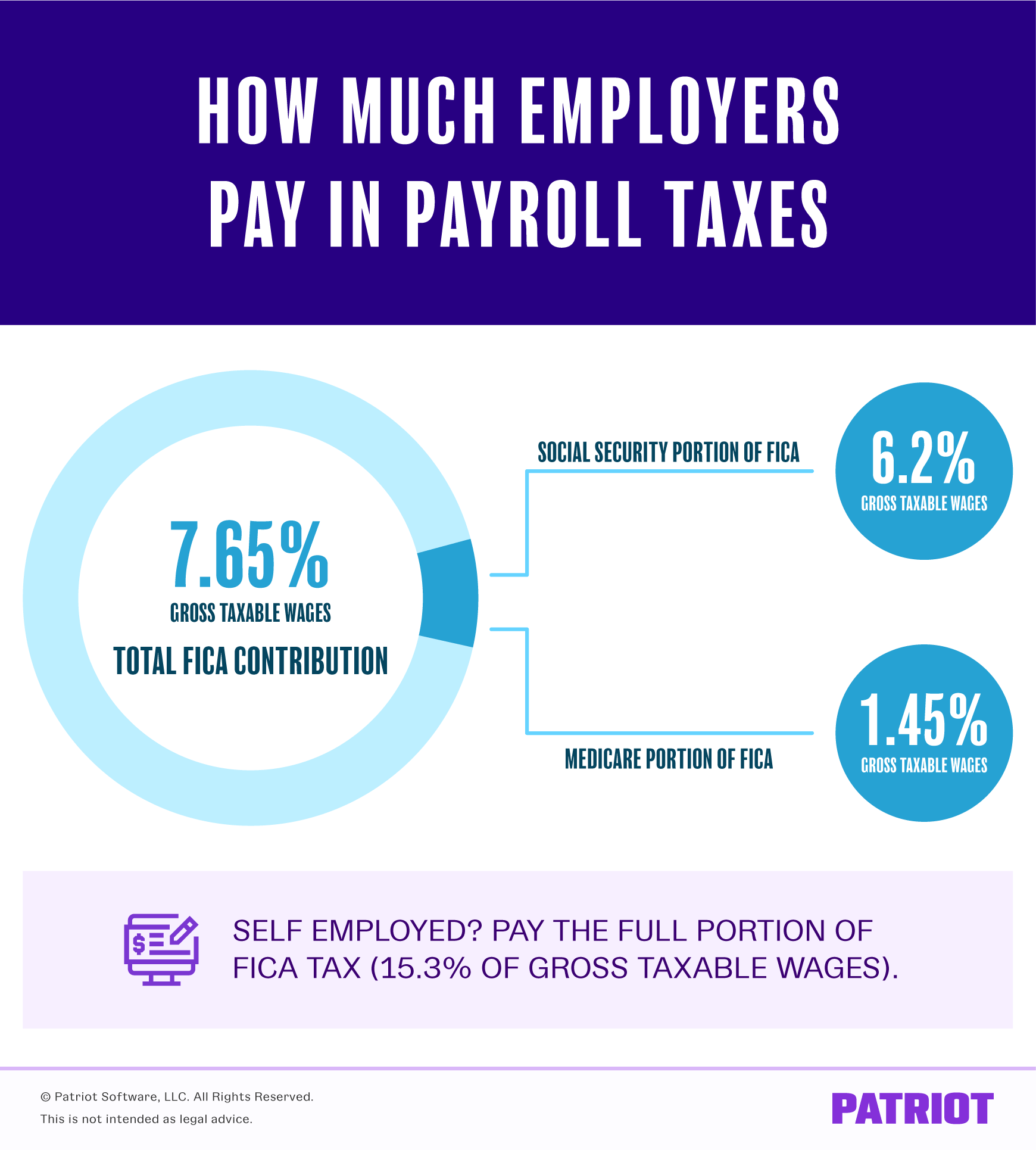
- Social Security Tax (Old-Age, Survivors, and Disability Insurance – OASDI): This portion of FICA tax provides benefits for retirees, survivors of deceased workers, and individuals with disabilities. For employees, the rate is 6.2% on earnings up to an annually adjusted wage base limit (e.g., $168,600 for 2024). Employers must match this with another 6.2%, bringing the total contribution to 12.4% on wages up to the limit. Earnings above this limit are not subject to Social Security tax.
- Medicare Tax (Hospital Insurance – HI): This component funds the hospital insurance part of Medicare. The rate for both employees and employers is 1.45% of all wages, with no wage base limit. This means Medicare tax is levied on every dollar an employee earns. Furthermore, an Additional Medicare Tax of 0.9% applies to individual wages exceeding certain thresholds (e.g., $200,000 for single filers, $250,000 for married filing jointly). This additional tax is only withheld from the employee and is not matched by the employer.
In total, FICA taxes represent a significant portion of both employee deductions and employer payroll expenses, forming the backbone of social security and healthcare safety nets for millions.
Federal and State Unemployment Taxes (FUTA and SUTA)
Unemployment taxes are designed to provide temporary financial assistance to eligible workers who have lost their jobs. These taxes are almost exclusively an employer responsibility.
- Federal Unemployment Tax Act (FUTA): FUTA tax is a federal tax paid by employers that helps fund unemployment benefits and provides for the administration of state workforce agencies. The standard FUTA tax rate is 6.0% on the first $7,000 of each employee’s wages. However, employers can typically receive a credit of up to 5.4% against the federal tax for timely payment of their state unemployment taxes, effectively reducing the federal rate to 0.6% in most cases. This credit system encourages employers to comply with state unemployment laws.
- State Unemployment Tax Act (SUTA): SUTA, also known as State Unemployment Insurance (SUI), is a state-level tax paid by employers. The rates and wage bases for SUTA vary significantly from state to state and are often experience-rated. This means employers with a history of fewer unemployment claims generally pay lower SUTA rates, incentivizing stable employment practices. SUTA revenues directly fund the unemployment benefits paid out to eligible former employees within that state.
Together, FUTA and SUTA play a critical role in providing a financial bridge for individuals experiencing periods of joblessness, supporting economic stability during downturns, and assisting workers in their search for new employment.
Income Tax Withholding: Federal, State, and Local
Beyond the specific social insurance taxes, employers are also mandated to withhold income taxes from employee paychecks. This is a crucial “pay-as-you-go” mechanism for individuals to meet their annual income tax obligations.

- Federal Income Tax Withholding: Based on information provided by the employee on Form W-4, employers calculate and withhold an estimated amount of federal income tax from each paycheck. The amount withheld depends on factors like filing status, number of dependents, and other adjustments. These withheld amounts are then remitted to the Internal Revenue Service (IRS).
- State Income Tax Withholding: Most states also impose an income tax, and employers in those states are required to withhold state income tax from employee wages, similar to the federal process. The rules, rates, and forms vary by state. Nine states currently do not have a state income tax on wages (Alaska, Florida, Nevada, New Hampshire, South Dakota, Tennessee, Texas, Washington, Wyoming), simplifying this component for employers and employees in those regions.
- Local Income Tax Withholding: In some cities, counties, or other municipalities, local income taxes may also be imposed. Employers operating in these jurisdictions must comply with local ordinances for withholding and remitting these additional taxes. This adds another layer of complexity for businesses with a geographically diverse workforce.
Income tax withholding serves as a mechanism to distribute an individual’s tax burden throughout the year, rather than having them face a large tax bill at year-end. For businesses, it adds a significant administrative responsibility to correctly calculate, withhold, and remit these amounts.
Employer Responsibilities and Compliance
For businesses, navigating the labyrinth of employment tax is a core function of financial management. Errors in this area can lead to significant penalties, legal issues, and reputational damage. Adhering to strict compliance guidelines is non-negotiable.
Withholding, Matching, and Remitting
The employer’s primary duty regarding employment taxes can be broken down into three key actions:
- Withholding: Accurately calculating and deducting the correct amounts of federal, state, and local income taxes, as well as the employee’s share of FICA taxes, from each employee’s gross pay. This requires precise payroll processing and staying updated on tax rates and regulations.
- Matching: Contributing the employer’s share of FICA taxes (Social Security and Medicare) and solely paying FUTA and SUTA taxes. These are additional business expenses that must be budgeted for.
- Remitting: Timely depositing all withheld employee taxes and the employer’s share of taxes with the appropriate federal, state, and local tax authorities. Deposit schedules vary (e.g., daily, semi-weekly, monthly) based on the amount of tax liability, and failure to meet these deadlines can result in severe penalties.
Effective payroll systems, whether in-house or outsourced to a payroll service provider, are crucial for managing these complex responsibilities.
Essential Reporting Forms and Deadlines
Beyond depositing funds, employers are also responsible for meticulous reporting to tax authorities and to their employees.
- Form W-2, Wage and Tax Statement: Annually, by January 31st, employers must furnish each employee with a Form W-2, detailing their gross wages, tips, and other compensation, along with all withheld federal, state, and local taxes for the previous calendar year. Copies of Form W-2 are also sent to the Social Security Administration (SSA).
- Form 941, Employer’s Quarterly Federal Tax Return: Most employers file Form 941 quarterly to report income taxes, Social Security tax, and Medicare tax withheld from employee wages, as well as the employer’s share of Social Security and Medicare tax. The deadlines are typically April 30, July 31, October 31, and January 31.
- Form 940, Employer’s Annual Federal Unemployment (FUTA) Tax Return: This form is filed annually to report FUTA tax liability. It is generally due by January 31st of the year following the tax year.
- State Reporting Forms: Employers must also file various state-specific forms to report state income tax withholding and SUTA contributions, with deadlines and frequencies that vary by state.
Adherence to these reporting requirements is critical for both compliance and ensuring employees have the necessary documentation to file their own income tax returns.
The Consequences of Non-Compliance
The IRS and state tax agencies take employment tax compliance very seriously. Failure to correctly withhold, pay, or report employment taxes can lead to substantial penalties, interest charges, and even criminal prosecution in severe cases.
- Penalties for Failure to Deposit: The most common penalty relates to late or incorrect deposits of employment taxes. Penalties can range from 2% to 15% of the unpaid amount, depending on how late the deposit is.
- Failure to File Penalties: Late filing of forms like Form 941 or 940 can result in penalties, usually a percentage of the unpaid tax for each month or part of a month the return is late.
- Trust Fund Recovery Penalty (TFRP): Perhaps the most severe penalty, the TFRP applies when an employer fails to remit withheld income and FICA taxes (the “trust fund” portion) to the government. Because these funds are essentially held in trust for the government on behalf of employees, their misuse can lead to penalties that are 100% of the unpaid trust fund taxes. Crucially, the TFRP can be assessed against individuals within the business who are determined to be “responsible persons” and acted “willfully” in failing to remit the taxes – this can include owners, officers, directors, or even employees with significant control over financial matters.
- Interest: In addition to penalties, interest is typically charged on all underpayments and unpaid taxes from the due date until the date of payment.
These consequences underscore the importance of robust internal controls, professional payroll management, and proactive tax planning for all businesses, regardless of size.
The Broader Impact and Significance
Beyond the immediate financial and compliance aspects for individual businesses and employees, employment tax plays a much larger role in the socio-economic fabric of a nation. It’s a fundamental mechanism through which collective societal goals are achieved and individual security is enhanced.
Funding Vital Social Programs
The most direct and significant impact of employment taxes is their role in funding vital social programs. Social Security provides a safety net for retirees, individuals with disabilities, and the survivors of deceased workers, ensuring a baseline of financial security for millions. Medicare, similarly, guarantees access to essential healthcare for the elderly and certain individuals with disabilities. Unemployment insurance, funded by FUTA and SUTA, offers a temporary lifeline to those who lose their jobs, preventing immediate financial crisis and supporting economic recovery during downturns. These programs are not merely government expenditures; they are investments in human capital and social stability, underpinned by the continuous flow of employment tax revenues.
Benefits for Workers and Economic Stability
For workers, the benefits of employment taxes are tangible and far-reaching. While they represent a deduction from their pay, these contributions directly translate into future entitlements: a secure retirement, accessible healthcare in old age, and financial support if they unexpectedly become unemployed. This system provides a crucial sense of security and reduces individual vulnerability to life’s uncertainties. From a broader economic perspective, the stability provided by these programs contributes to overall economic resilience. By maintaining consumer spending power through unemployment benefits or ensuring healthcare access for seniors, employment taxes help mitigate the severity of economic shocks and support a more equitable distribution of resources.
Strategic Financial Planning for Businesses
For businesses, understanding employment tax is not just about compliance; it’s about strategic financial planning. Employment taxes represent a significant operational cost that must be accurately factored into budgeting, pricing strategies, and human resource planning. Overlooking these costs can lead to cash flow problems, inaccurate profitability assessments, and stunted growth. Smart businesses integrate employment tax considerations into their overall financial strategy, utilizing payroll software, consulting with tax professionals, and staying abreast of legislative changes. This proactive approach ensures not only compliance but also optimal financial health, allowing businesses to thrive while contributing responsibly to the societal framework that supports their workforce and customer base.
In conclusion, employment tax is far more than an accounting entry; it is a critical component of public finance, social policy, and economic stability. For employers, it demands diligence, accuracy, and strategic foresight. For employees, it represents a direct investment in their future and the collective well-being of society. A thorough understanding of “what is employment tax” empowers all stakeholders to navigate its complexities responsibly, ensuring both individual prosperity and the enduring strength of our social infrastructure.
aViewFromTheCave is a participant in the Amazon Services LLC Associates Program, an affiliate advertising program designed to provide a means for sites to earn advertising fees by advertising and linking to Amazon.com. Amazon, the Amazon logo, AmazonSupply, and the AmazonSupply logo are trademarks of Amazon.com, Inc. or its affiliates. As an Amazon Associate we earn affiliate commissions from qualifying purchases.