
Traveling with a beloved canine companion often presents a complex logistical challenge, especially when air travel is involved. For many pet owners, particularly those with larger breeds or extended travel plans, the cargo hold becomes the only viable option. While the initial question “what airlines allow dogs in cargo?” seems straightforward, a deeper financial analysis reveals a intricate web of costs, policies, and economic considerations that savvy pet owners must navigate. Understanding these financial implications is paramount to responsible pet ownership and effective personal finance planning for pet travel.
Understanding the Core Costs of Canine Cargo Travel
Transporting a dog in an airline’s cargo hold involves far more than just the base fare for the pet. A comprehensive financial assessment must account for a variety of direct and indirect expenses, each contributing significantly to the overall outlay.
Direct Airline Fees
The most obvious cost is the airline’s pet cargo fee. These fees vary dramatically by airline, route, and the size/weight of the animal and its crate. Unlike human tickets, pet cargo fees are often flat rates or tiered based on weight categories, rather than dynamic pricing models, though some airlines charge per segment. For international travel, these fees can escalate significantly, often running into several hundred or even a thousand dollars for a one-way trip. It’s crucial for pet owners to obtain exact quotes from multiple airlines for their specific route, as this will form the largest single expense.
Essential Pre-Travel Expenses
Before an airline will even consider accepting a dog in cargo, a series of pre-travel preparations are mandatory, each with its own cost:
- Veterinary Health Certificates and Examinations: Airlines universally require a current health certificate issued by a licensed veterinarian, often within 10 days of travel, sometimes even sooner for international flights. This typically involves a veterinary visit, a physical examination, and the cost of the certificate itself. Depending on the destination, additional vaccinations (e.g., rabies, DHLPP) or parasite treatments (e.g., tapeworm) might be required, adding to vet bills. For international travel, an accredited veterinarian might need to endorse specific forms (e.g., USDA endorsement in the US), incurring further administrative fees.
- USDA/Government Endorsement Fees: For many international journeys originating from the US, health certificates must be endorsed by the USDA (United States Department of Agriculture) or an equivalent government body in other countries. These endorsements carry their own fees, which can range from nominal to substantial, depending on the number of documents and the service speed required.
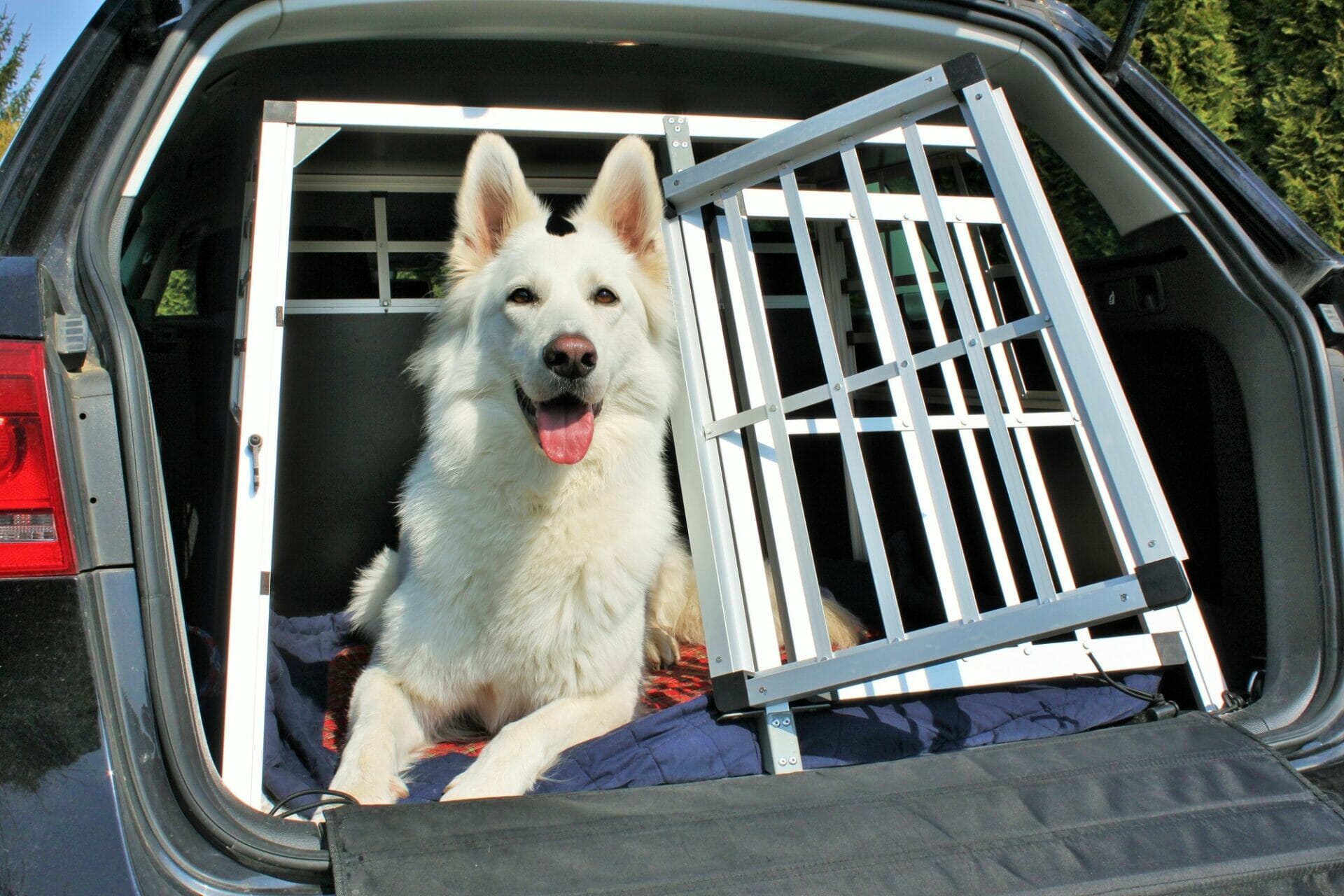
- IATA-Compliant Travel Crate: This is a non-negotiable expense. Airlines adhere to strict International Air Transport Association (IATA) guidelines for pet crates, ensuring they are sturdy, properly ventilated, escape-proof, and correctly sized for the animal to stand, turn around, and lie down comfortably. These crates, especially for larger dogs, can cost anywhere from $100 to $500 or more. Modifications like “Live Animal” labels, water/food dishes, and absorbent bedding also add to the expense.
- Sedatives or Calming Aids (Vet-Prescribed): While many airlines strongly discourage or even prohibit sedatives due to respiratory risks at altitude, some owners might consider vet-prescribed calming aids or supplements. The cost of these, and the associated veterinary consultation, should be factored in if deemed necessary and approved by both the vet and the airline.
Indirect & Contingency Costs
Beyond the direct and essential expenses, prudent financial planning for pet cargo travel requires anticipating indirect and contingency costs:
- Layover Accommodation/Care: If a journey involves a long layover, especially overnight, pet owners might need to arrange for professional pet care or even retrieve their dog from cargo for a comfort break and re-check, incurring additional ground transportation and potential boarding fees. Some airlines have specific pet lounges or transfer services, which come with their own costs.
- Customs and Import Fees: For international travel, destination countries may levy import duties or customs fees for animals, similar to other goods. These can be unexpected and substantial, requiring thorough research into the destination country’s regulations.
- Pet Travel Agencies: For complex international routes or owners seeking professional assistance, specialized pet travel agencies can manage all logistics, from vet appointments to airline bookings and customs clearance. While they offer convenience and expertise, their services come at a significant premium, potentially adding thousands of dollars to the total cost. This is a trade-off between financial outlay and peace of mind.
Airline-Specific Policies and Their Economic Impact
The choice of airline is not merely a matter of price but also a critical factor in the overall financial landscape of pet travel. Each airline has distinct policies that directly influence costs, risks, and the feasibility of transporting your dog.
Operational Restrictions and Seasonal Embargoes
Many airlines impose seasonal embargoes on pet cargo travel, particularly during extreme hot or cold weather conditions. This is due to safety concerns for the animals in varying tarmac temperatures. Such restrictions can force owners to reschedule flights, leading to:
- Change Fees: If the human ticket needs to be changed, standard airline change fees apply.
- Extended Pet Care Costs: Longer stays at home or in boarding facilities while waiting for suitable weather windows.
- Increased Veterinary Costs: Health certificates may expire, requiring new examinations and endorsements.
- Lost Opportunity Costs: Delays can impact work, relocation plans, or other time-sensitive commitments.
Airlines also have breed-specific restrictions, often due to brachycephalic (short-nosed) breeds facing higher respiratory risks. Owners of such breeds might find their options severely limited or non-existent, potentially necessitating alternative, more expensive ground transportation.
Weight and Size Limitations
Each airline sets maximum weight limits for pets and their crates, as well as specific dimensions for the crates themselves. Exceeding these limits, even marginally, can result in refusal of transport or requiring a larger, more expensive crate that might not fit on the planned aircraft. Some airlines charge based on volumetric weight, further complicating cost calculations for larger crates. Understanding these limitations upfront can prevent costly last-minute scrambles or even flight cancellations.
Aircraft Type and Route Availability
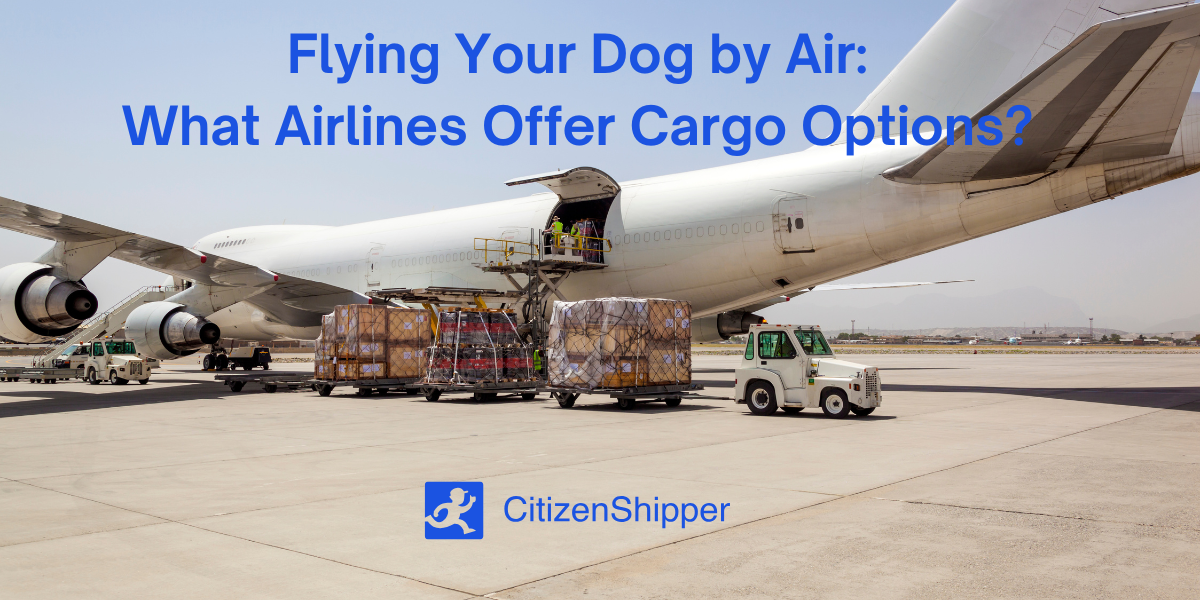
Not all aircraft can accommodate live animals in their cargo holds. Wide-body jets (e.g., Boeing 747, 777, Airbus A330, A380) typically have temperature-controlled and pressurized cargo compartments suitable for pets. Smaller regional jets often do not. This means certain direct routes might be unavailable for pet cargo, forcing owners to consider connecting flights. While connection costs are often bundled into the pet fee, longer travel times increase stress on the animal and the risk of complications, which, though not directly financial, can have emotional and indirect financial repercussions if veterinary care is needed upon arrival.
Budgeting and Financial Planning for Your Pet’s Journey
Effective financial planning for pet cargo travel requires a detailed budget and a robust contingency fund. Underestimating the costs can lead to significant stress and unexpected financial burdens.
Creating a Comprehensive Budget
A thorough budget should include every potential expense:
- Airline Pet Cargo Fee(s): Obtain specific quotes for all segments.
- Veterinary Costs: Exams, health certificates, vaccinations, treatments.
- Government Endorsement Fees: USDA or equivalent.
- Travel Crate: Purchase price, any necessary modifications.
- Accessories: “Live Animal” labels, absorbent bedding, food/water dishes.
- Pet Travel Agency Fees (if applicable).
- Customs/Import Fees (for international travel).
- Ground Transportation: To/from airports, especially for layovers or large crates.
- Contingency Fund: Allocate 15-25% of the estimated total for unexpected issues.
Saving and Funding Options
Given the potentially high costs, consider establishing a dedicated savings fund for pet travel well in advance. For those with flexible spending accounts or health savings accounts, inquire if any veterinary expenses related to required travel might be eligible for reimbursement (though this is unlikely for general pet travel, it’s worth exploring for specific medical needs). Some credit cards offer travel points or cash back that could offset costs, but interest rates must be carefully managed.
Mitigating Financial Risks: Insurance and Alternatives
Just as with human travel, unforeseen circumstances can arise when transporting a pet, leading to significant financial and emotional distress. Proactive measures can help mitigate these risks.
Pet Travel Insurance
While not as common as human travel insurance, specialized pet travel insurance policies are emerging. These can cover veterinary emergencies that occur during transit, loss or theft of the pet, or even trip cancellation due to pet-related issues (e.g., sudden illness preventing travel). Reviewing such policies carefully to understand their coverage limits, deductibles, and exclusions is essential. The premium might seem an added cost, but it acts as a financial safety net against potentially catastrophic expenses.
Researching Airline Reliability and Reputation
Beyond explicit policies, researching an airline’s track record and reputation for pet handling is a crucial, though intangible, financial safeguard. Airlines with a history of mishandling, delays, or incidents can lead to:
- Veterinary Expenses on Arrival: If a pet arrives stressed or injured.
- Legal Fees: In cases of severe negligence or loss.
- Emotional Distress: While not directly financial, this can lead to productivity losses and other indirect costs.
Reliable airlines, though potentially more expensive, often invest in better ground handling, climate-controlled facilities, and staff training, reducing the likelihood of costly complications. Reviews from other pet owners can provide valuable insights.
Considering Alternative Transport Methods
For some situations, the financial and emotional risks of air cargo travel might outweigh the benefits. Alternatives, though potentially slower, can be more predictable and less stressful:
- Ground Transportation Services: Professional pet transport services specialize in long-distance road travel, often in climate-controlled vehicles with experienced handlers. While often more expensive than air cargo for direct routes, they offer door-to-door service and continuous monitoring, potentially reducing stress and eliminating complex airport logistics.
- Personal Vehicle Travel: For domestic or shorter international distances, driving with your pet offers maximum control and minimizes costs beyond fuel, accommodation, and food. This avoids airline fees, crate requirements, and the anxieties of cargo travel entirely.
The True Cost of Peace of Mind: Value Beyond the Ticket Price
Ultimately, the decision of which airline to choose for dog cargo transport extends beyond mere monetary figures. While budget is a primary concern, the “true cost” encompasses the intangible value of peace of mind, safety, and the well-being of your beloved companion.
Investing in an airline with a superior safety record for pets, clear communication channels, and a reputation for compassionate handling might mean a higher upfront financial commitment. However, this premium can translate into significant savings by avoiding potential veterinary emergencies upon arrival, the emotional distress of lost or mishandled pets, and the financial burden of litigation or extensive follow-up care.
A cheaper airline might save a few hundred dollars initially, but if it results in a traumatized pet requiring extensive veterinary intervention, the long-term financial and emotional costs can far exceed the initial savings. Therefore, a holistic financial perspective on pet cargo travel necessitates balancing strict budgeting with a willingness to invest in the services and carriers that prioritize your dog’s safety and comfort, ultimately providing the best “return” on your financial and emotional investment.
aViewFromTheCave is a participant in the Amazon Services LLC Associates Program, an affiliate advertising program designed to provide a means for sites to earn advertising fees by advertising and linking to Amazon.com. Amazon, the Amazon logo, AmazonSupply, and the AmazonSupply logo are trademarks of Amazon.com, Inc. or its affiliates. As an Amazon Associate we earn affiliate commissions from qualifying purchases.