
In the high-octane world of professional hockey, where speed, skill, and physicality converge, the line between legitimate contact and opportunistic deception can often blur. One term that frequently surfaces in this debate, carrying significant weight both on the ice and in the court of public opinion, is “embellishment.” While primarily defined as a rule infraction, understanding embellishment through the lens of branding reveals a complex interplay of player reputation, team integrity, and the overarching image of the sport itself. It’s not merely a penalty; it’s a strategic challenge to personal and corporate identity within the hockey ecosystem.

Defining Embellishment: Beyond the Rulebook’s Letter
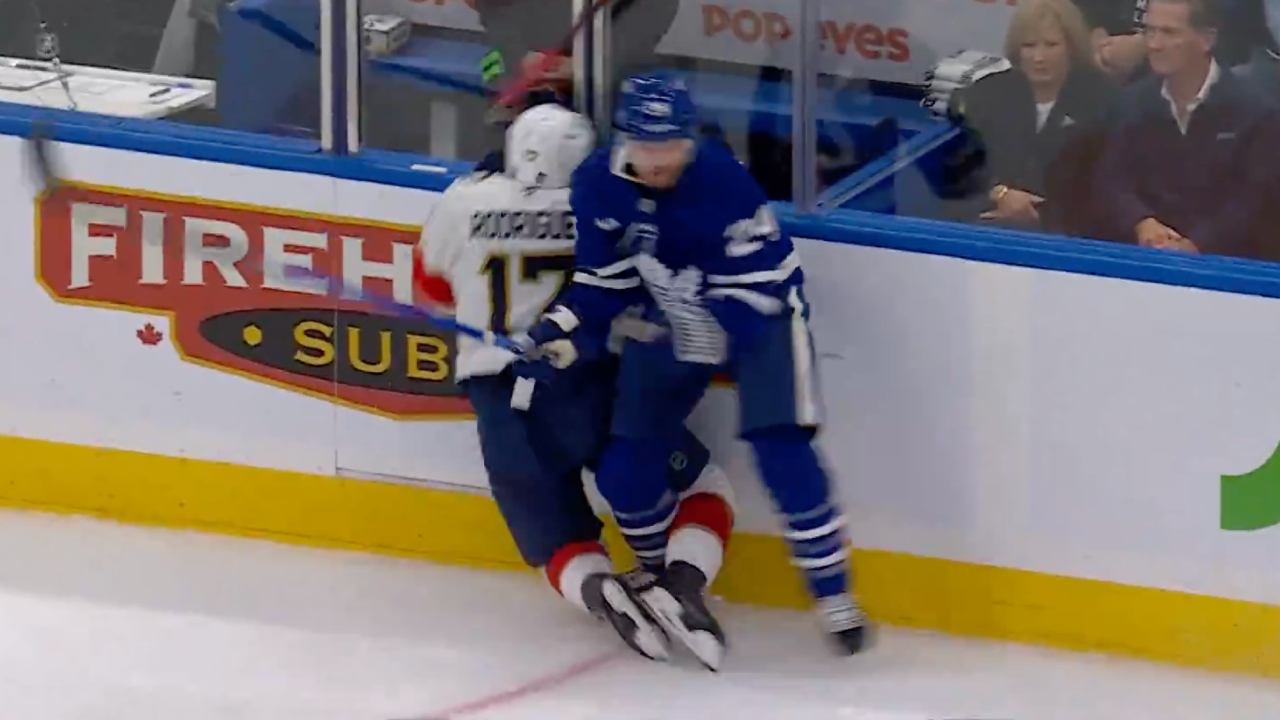
At its core, embellishment in hockey refers to a player exaggerating the effect of an opponent’s action—a hit, a stick infraction, or a trip—to draw a penalty call from the officials. The intention is to deceive the referee into believing a more severe infraction occurred than actually did, thereby gaining a power play advantage for their team.
The Core Definition from a League Perspective
From the National Hockey League’s (NHL) standpoint, Rule 64 specifically addresses Diving/Embellishment. It states that “Any player who blatantly dives, embellishes a fall or simulates an injury will be penalized.” The penalty typically involves a minor penalty for diving/embellishment, which serves as a deterrent. Repeat offenders can face supplementary discipline, including fines. The league’s focus is on maintaining the integrity of the game and ensuring that penalties are called based on genuine infractions, not theatrical displays. This rule, therefore, is a foundational element in protecting the NHL’s brand of legitimate, hard-fought competition.
The Nuance of Intent Versus Perception
The challenge for officials, and consequently for brand perception, lies in distinguishing genuine reactions to contact from deliberate exaggeration. A player might genuinely lose their balance or feel the impact of a stick, but if their fall or reaction appears overly dramatic, it can be perceived as embellishment. This subjectivity creates a grey area where intent is difficult to prove, and perception often becomes reality. For a player, being perceived as an embellisher, even if they genuinely feel they were fouled, can be just as damaging to their personal brand as actually diving. This perceptual battle highlights how critical authentic behavior is to maintaining a positive brand image in sports.
The Impact on Personal Brand: Player Reputation and Legacy
For individual athletes, the label of an “embellisher” can stick throughout their career, profoundly affecting their personal brand—how they are viewed by fans, teammates, coaches, and management.
The “Diver” Label: Stigma and Fan Backlash
No hockey player wants to be known as a “diver.” This label carries a significant stigma, often leading to fan backlash and derision. Fans, who are the ultimate consumers of the sport’s brand, value grit, resilience, and fair play. A player perceived as embellishing is seen as trying to cheat the game, undermining these core values. This can lead to jeers from opposing crowds, negative social media commentary, and a general erosion of respect. Such negative branding can overshadow legitimate skills and achievements, creating a tarnished legacy that’s hard to shake. It’s a direct hit to the personal brand equity built through years of hard work.
Trust and Respect Among Peers
Beyond the fans, a player’s standing among their peers—teammates and opponents—is crucial. Hockey is a tight-knit community where respect is earned through honesty and effort. A player known for embellishing can lose the trust of their teammates, who might view them as prioritizing individual gain (drawing a penalty) over the team’s collective reputation for toughness and fair play. Opponents might also target such players, not just physically, but with verbal jabs, further cementing the negative brand. This erosion of respect can impact locker room dynamics, on-ice communication, and overall team cohesion.
Contract Implications and Market Value
While not directly a financial penalty in itself beyond fines, the damage to a player’s personal brand through persistent embellishment can indirectly impact their market value and contract negotiations. General Managers look for players who embody desirable characteristics: leadership, integrity, and a team-first attitude. A player with a reputation for embellishment might be seen as a liability, someone who detracts from the team’s brand rather than enhancing it. While their on-ice skills are paramount, concerns about their “gamesmanship” can become a factor in how they are valued by potential employers, potentially limiting offers or affecting their leverage in negotiations. The brand a player builds extends beyond their stat sheet into their perceived character.

Team and League Branding: Integrity and Fan Engagement
The issue of embellishment doesn’t stop at the individual level; it has broader implications for the brand integrity of teams and the entire league.
Eroding Team Credibility and Morale
A team that frequently benefits from, or is perceived as encouraging, embellishment can suffer a collective brand hit. Opposing teams and fans may view them as a “soft” or “cheating” team, eroding their credibility. This perception can impact morale within the team itself if players feel their legitimate efforts are being overshadowed by opportunistic tactics. Coaches and management often emphasize playing with integrity and discipline, not just for ethical reasons but because it contributes to a strong, respectable team brand that resonates positively with stakeholders and creates a winning culture.
The NHL’s Brand of Fair Play
The NHL, as a premier sports league, carefully cultivates its brand image. Key components of this brand include speed, skill, toughness, and fair competition. Embellishment directly challenges the “fair competition” aspect. If embellishment becomes too prevalent or goes unaddressed, it can dilute the league’s brand, making the game appear less authentic and more theatrical. The league invests significantly in officiating and rules enforcement to ensure the integrity of the sport, which is critical for its long-term viability and attractiveness to sponsors and broadcasters. Consistently penalizing embellishment is a strategic move to protect and reinforce the NHL’s brand identity as a legitimate, competitive sport.
Fan Perception and the Entertainment Value
Fans are the lifeblood of any sport, and their perception directly influences the entertainment value and commercial success of the league. When fans witness clear embellishment, it can be frustrating and diminish their enjoyment of the game. They want to see genuine competition, not theatrical performances designed to manipulate outcomes. A perception that the game is becoming “soft” or “rigged” due to diving can lead to disengagement, impacting viewership, attendance, and merchandise sales. Maintaining the trust and engagement of the fanbase is paramount, and addressing embellishment is a crucial element in preserving the authentic, exciting brand of hockey that fans expect and demand.
Strategies for Managing the Embellishment Brand Challenge
Effectively managing the perception and reality of embellishment requires a multi-faceted approach involving players, teams, and the league. These strategies are all geared towards reinforcing a brand of integrity, fair play, and genuine athleticism.
Coaching and Player Development in Fair Play
The foundation of addressing embellishment begins at the grassroots and professional coaching levels. Coaches play a vital role in instilling values of fair play, resilience, and respect for the game. Developing players who prioritize legitimate effort over deceptive tactics is crucial. This involves not only discouraging embellishment but also teaching players how to react authentically to contact, how to maintain balance, and how to draw penalties through sheer skill and aggressive, but legal, play. Integrating these ethical considerations into player development reinforces a positive personal and team brand from an early stage.
League Enforcement and Consistency
The NHL’s consistent and impartial enforcement of Rule 64 is fundamental to managing the embellishment issue. Officials must be vigilant in identifying and penalizing diving. Furthermore, supplementary discipline for repeat offenders sends a strong message that the league is serious about protecting its brand. Consistency in calls helps to educate players on what constitutes embellishment and establishes clear boundaries. Transparent communication about these decisions can also help shape public perception and reinforce the league’s commitment to fair play.
Media Narratives and Public Relations
The media, including traditional sports journalism and social media, plays a significant role in shaping narratives around embellishment. Teams and players can proactively manage their brand by fostering a reputation for honest play. When incidents occur, how they are discussed and framed by media outlets and commentators influences public opinion. Leagues can also leverage their public relations efforts to highlight examples of sportsmanship and articulate their stance on fair play, subtly reinforcing their desired brand image. Ultimately, combating the negative brand implications of embellishment is an ongoing process that requires constant vigilance and a unified commitment to the core values that make hockey a beloved sport.
aViewFromTheCave is a participant in the Amazon Services LLC Associates Program, an affiliate advertising program designed to provide a means for sites to earn advertising fees by advertising and linking to Amazon.com. Amazon, the Amazon logo, AmazonSupply, and the AmazonSupply logo are trademarks of Amazon.com, Inc. or its affiliates. As an Amazon Associate we earn affiliate commissions from qualifying purchases.