
The name “Elphaba” evokes a potent image: a woman of striking green skin, formidable power, and an unyielding spirit. While she exists within the fantastical realm of L. Frank Baum’s Oz, specifically reimagined in Gregory Maguire’s novel Wicked: The Life and Times of the Wicked Witch of the West and its blockbuster musical adaptation, her influence extends far beyond mere storytelling. Elphaba is not just a character; she is a meticulously crafted brand persona, a cornerstone of a multi-million dollar franchise, and an enduring cultural icon whose narrative power offers profound lessons in brand strategy, identity, and audience engagement.

The Genesis of an Icon: Crafting a Fictional Brand Persona
Understanding Elphaba from a brand perspective begins with recognizing her origins as a deliberate subversion of an existing, iconic figure: the Wicked Witch of the West. This strategic re-imagining forms the very foundation of her brand identity.
Beyond the Emerald City: Redefining Villainy
For decades, the Wicked Witch of the West was synonymous with pure evil, a cackling antagonist defined solely by her malevolence towards Dorothy and her ruby slippers. Maguire and subsequently the musical’s creators embarked on an ambitious rebranding exercise: to give this infamous villain a name, a complex backstory, and a compelling “why.” This act of humanization transformed a two-dimensional antagonist into a multifaceted individual, turning a widely accepted narrative on its head.
This redefinition is a masterclass in brand differentiation. Instead of creating a wholly new character, the creators leveraged existing brand recognition (the Wicked Witch) and injected it with novelty, depth, and a compelling alternative perspective. The core message shifts from “she is evil” to “she was misunderstood,” a narrative twist that immediately captivates and challenges preconceived notions—a powerful move for any brand seeking to stand out and generate buzz. Elphaba becomes not just a villain, but a hero in her own story, fighting against systemic injustice and prejudice, a narrative arc that resonates deeply with modern audiences.
Visual Identity and Core Attributes
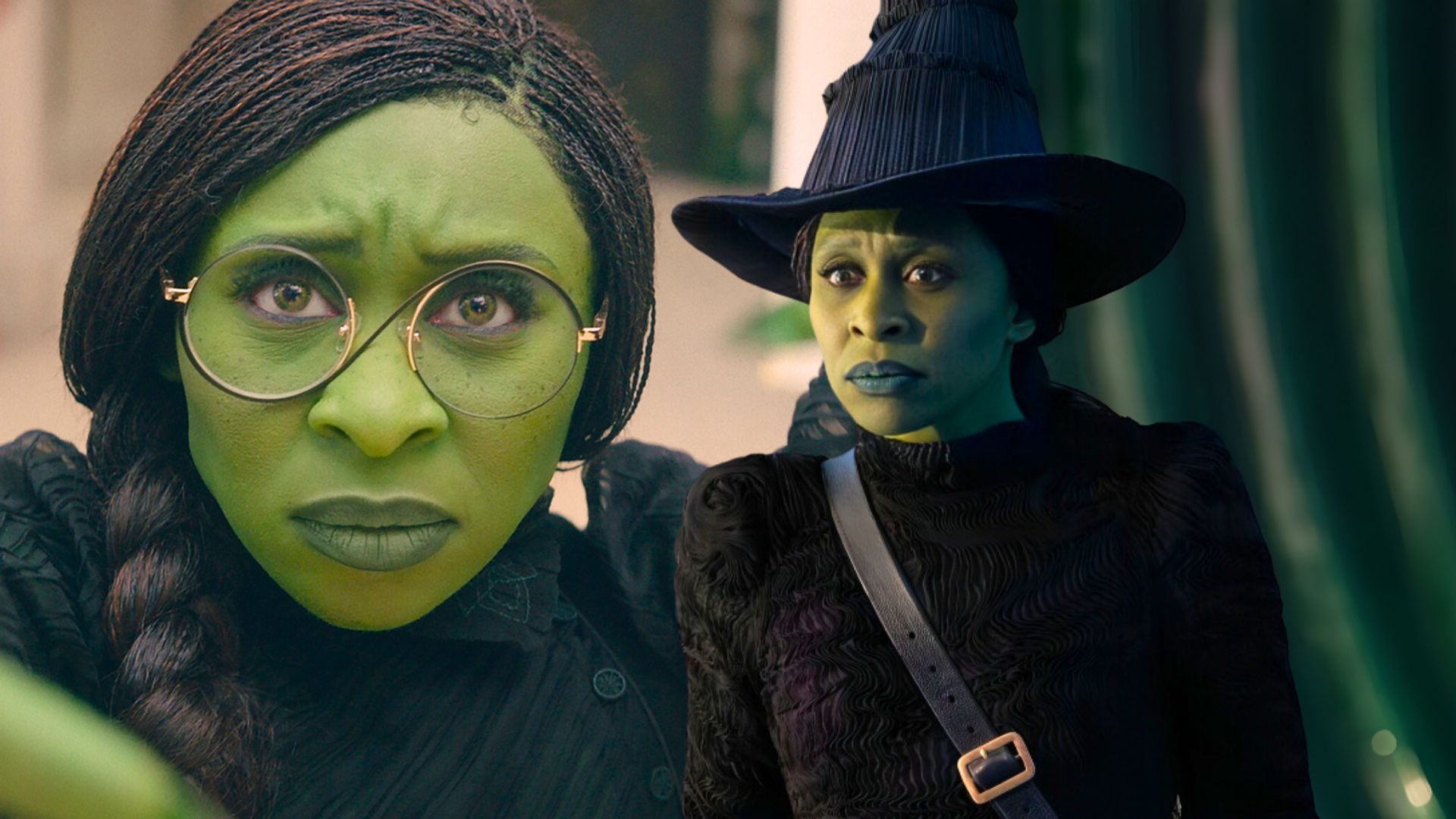
Every strong brand requires a distinctive visual identity and a clear set of core attributes. Elphaba’s brand excels on both fronts. Her emerald green skin is arguably her most potent visual identifier. It is unique, memorable, and immediately signals her otherness—the very characteristic that brands often leverage to establish a niche. This green hue is not just aesthetic; it’s symbolic, representing her ostracization, her power, and ultimately, her identity. In a world full of conventional heroes, Elphaba’s green skin makes her unforgettable and instantly recognizable, much like a distinctive logo or signature color for a corporate brand.
Beyond her appearance, Elphaba’s core attributes define her “brand values”:
- Intelligence and Intellect: She is a gifted sorceress and a sharp thinker, often ahead of her peers.
- Passion and Conviction: She cares deeply about animal rights, justice, and truth, refusing to compromise her beliefs.
- Empathy and Vulnerability: Despite her exterior, she feels deeply, forming strong bonds of friendship and experiencing profound heartbreak.
- Independence and Defiance: She consistently challenges authority and refuses to conform, choosing her own path regardless of consequence.
- Misunderstood Heroism: She embodies the struggle of the outsider, fighting for a cause greater than herself, often against insurmountable odds.
These attributes combine to create a compelling and consistent brand persona. She is not simply “the witch”; she is the principled outsider, the passionate activist, the misunderstood genius. This depth allows for rich storytelling and deep audience connection, essential ingredients for enduring brand loyalty.
Building a Resonant Narrative: The Power of Story in Branding
Elphaba’s narrative is not merely entertainment; it is a meticulously constructed story that serves as the backbone of the entire Wicked brand. It demonstrates how a compelling story can transform a product into a phenomenon, fostering emotional investment and widespread appeal.
The ‘Wicked’ Phenomenon: A Case Study in Story-Driven Branding
The success of Wicked—from its Broadway triumph to its global touring productions and forthcoming film adaptation—is intrinsically linked to the power of Elphaba’s story. Her journey from an outcast schoolgirl to the formidable Wicked Witch is an epic tale of friendship, betrayal, political corruption, and self-discovery. These universal themes resonate across demographics and cultures, demonstrating how a powerful narrative transcends specific contexts to achieve global reach.
The story provides the “why” behind the brand. Why should audiences care about Wicked? Because they care about Elphaba. Her struggle for acceptance, her fight against oppression, and her ultimate embrace of her true self taps into fundamental human desires. This emotional connection is far stronger than any fleeting trend; it builds a loyal fanbase that feels personally invested in the brand’s success and message. Brands that can tell a compelling story, placing their values and purpose at the heart of their narrative, often achieve similar levels of engagement and enduring success.
Authenticity and Relatability in a Fictional Context
Despite being a fantastical character with magical abilities, Elphaba’s struggles and triumphs are profoundly authentic and relatable. Her feeling of being different, her longing for acceptance, her frustration with corrupt systems, and her unwavering loyalty to her friends are experiences that resonate with almost everyone. Audiences see themselves in her vulnerability, her moments of doubt, and her ultimate courage.
This relatability is a cornerstone of effective branding. When an audience feels a genuine connection to a brand’s message or persona, they are more likely to trust it, champion it, and become loyal advocates. For Elphaba, this authenticity translates into a sense of shared experience, making her character not just an object of admiration, but a figure of empathy and inspiration. Brands, whether consumer products or personal enterprises, can learn from this: genuine connection, built on shared values and authentic representation, creates a bond that transcends mere transactional relationships.
Elphaba as a Brand Catalyst: Driving Engagement and Legacy

Elphaba’s influence extends beyond the stage and page, acting as a powerful catalyst for brand engagement, community building, and long-term legacy for the Wicked franchise.
Merchandise and Memorabilia: Extending the Brand Footprint
A strong brand persona like Elphaba’s naturally lends itself to diverse revenue streams beyond the core product. The distinct visual identity and compelling narrative translate effortlessly into a vast array of merchandise, from costumes and apparel to collectibles, soundtracks, and themed souvenirs. The “Elphaba effect” drives these sales, as fans eager to express their connection to the character and the Wicked brand invest in these extensions. This demonstrates how a well-defined character can become a commercial engine, expanding brand visibility and profitability far beyond its original medium. For businesses, this highlights the importance of creating a recognizable and desirable brand that can be leveraged across multiple product lines and platforms.
Cultivating Community: Fan Engagement and Advocacy
Perhaps one of the most powerful aspects of the Elphaba brand is its ability to foster an incredibly passionate and engaged community. Fans of Wicked and Elphaba are not just passive consumers; they are active advocates, discussing her themes on social media, creating fan art, participating in cosplay, and introducing new audiences to the story. This level of engagement transforms customers into brand ambassadors, generating organic marketing and reinforcing the brand’s message.
This vibrant community is a testament to the emotional depth and resonant themes embedded within Elphaba’s story. When a brand inspires such fervent loyalty and advocacy, it creates a self-sustaining ecosystem where the audience actively contributes to its growth and perpetuation. Modern brands increasingly strive to cultivate such communities, recognizing that collective enthusiasm and shared identity are invaluable assets in a competitive marketplace.
Enduring Cultural Impact and Brand Longevity
Elphaba has transcended her origins to become an enduring cultural archetype. She represents the misunderstood outsider, the champion of the marginalized, and the individual who dares to defy injustice. Her story continues to be relevant, sparking conversations about prejudice, power, and identity. This enduring relevance ensures the long-term viability and legacy of the Wicked brand.
Her influence can be seen in the development of other complex “villains” or anti-heroes in popular culture, reflecting a broader societal shift towards valuing nuanced perspectives. Elphaba’s longevity illustrates that brands built on strong, timeless themes and a deeply resonant character can achieve lasting cultural significance, ensuring their appeal for generations to come.
Lessons from Elphaba: Branding Principles for Any Enterprise
The phenomenon of Elphaba offers invaluable lessons for brand builders in any industry, demonstrating that the principles of compelling identity, narrative, and community are universally applicable.
The Power of Distinctive Identity
Elphaba’s green skin and fierce spirit teach that a unique, memorable identity is paramount. Brands must strive for clear differentiation, whether through a distinctive visual style, a unique value proposition, or an unconventional approach that makes them stand out in a crowded market. Being generic is often the shortest path to irrelevance.
Narrative as a Core Asset
Her complex backstory and heroic journey underscore the critical role of storytelling in branding. Beyond simply listing features, brands need to craft a compelling narrative—a “why”—that explains their purpose, their values, and their journey. This story fosters emotional connection, transforms products into experiences, and turns customers into loyal adherents.
Embracing Authenticity and Values
Elphaba’s unwavering commitment to her principles, despite adversity, highlights the importance of authenticity and consistent values. Brands that are true to their stated mission and values build trust and credibility. In an age of increasing transparency, genuine commitment to a purpose, even if it means challenging the status quo, resonates deeply with discerning consumers.
Cultivating a Community
The passionate Wicked fanbase demonstrates the power of nurturing a community around a brand. Brands should actively engage with their audience, provide platforms for interaction, and empower customers to become advocates. A vibrant community not only amplifies a brand’s message but also creates a sense of belonging and shared identity, transforming consumers into collaborators.
Ultimately, Elphaba is far more than a character in a popular musical. She is a masterclass in brand building, demonstrating how a well-conceived persona, anchored by a powerful narrative and distinctive identity, can captivate audiences, foster deep loyalty, and achieve enduring cultural and commercial success.
aViewFromTheCave is a participant in the Amazon Services LLC Associates Program, an affiliate advertising program designed to provide a means for sites to earn advertising fees by advertising and linking to Amazon.com. Amazon, the Amazon logo, AmazonSupply, and the AmazonSupply logo are trademarks of Amazon.com, Inc. or its affiliates. As an Amazon Associate we earn affiliate commissions from qualifying purchases.