
Economic incentive, at its core, is any factor that motivates individuals, businesses, or governments to take a specific action or to make a particular choice. These motivators are fundamental to how economies function, influencing everything from the smallest personal purchasing decision to large-scale international trade agreements. Understanding economic incentives is crucial for anyone navigating personal finance, operating a business, or simply observing the dynamics of markets, as they are the invisible hand shaping behavior in pursuit of perceived value or avoidance of cost.
The Foundational Role of Incentives in Economic Decisions
Economic incentives are the bedrock of rational choice theory, suggesting that individuals and entities respond predictably to changes in costs and benefits. They provide the “why” behind economic actions, prompting individuals to save more, businesses to invest in new technologies, or governments to enact certain policies. These motivators can be broadly categorized, offering a deeper insight into their pervasive influence.

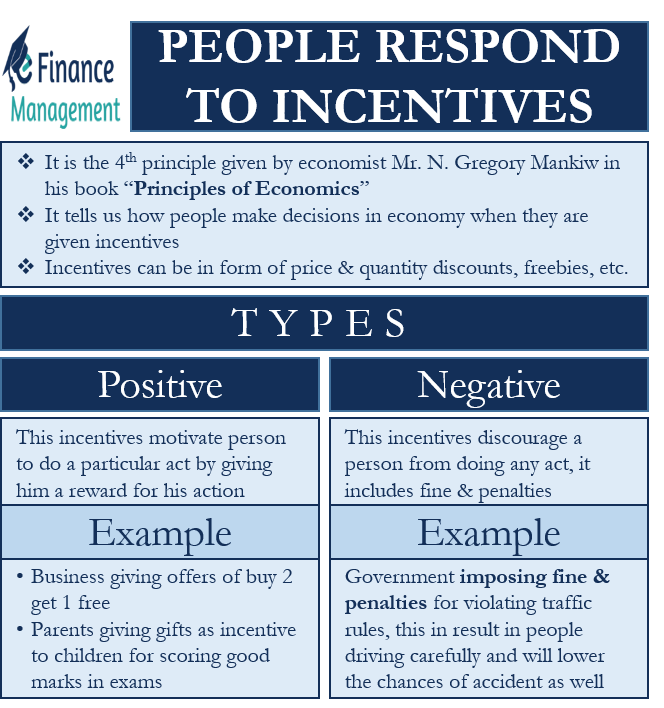
Positive vs. Negative Incentives
Positive incentives encourage specific actions by offering rewards or benefits. For instance, a bonus for exceeding sales targets motivates employees to work harder, or a tax credit for investing in renewable energy prompts businesses to adopt greener practices. These are designed to make a desired action more appealing or profitable.
Conversely, negative incentives discourage certain behaviors by imposing costs or penalties. A late payment fee on a credit card aims to encourage timely payments, while a carbon tax seeks to reduce pollution by making environmentally damaging activities more expensive. Negative incentives create a disincentive, making an undesirable action less attractive or costlier. Both positive and negative incentives are powerful tools for guiding economic behavior.
Monetary vs. Non-Monetary Incentives
Monetary incentives are directly financial. This includes wages, salaries, bonuses, interest rates on savings, tax rebates, subsidies, and discounts. These are quantifiable financial rewards or penalties that directly impact one’s financial standing. For a consumer, a sale price is a direct monetary incentive to purchase. For an investor, a higher dividend yield is a monetary incentive to buy certain stocks.
Non-monetary incentives, while not directly involving money, still have economic implications and can be highly effective. Examples include recognition, status, career advancement opportunities, flexible working hours, a sense of accomplishment, or improved working conditions. For a business, brand reputation or customer loyalty can be powerful non-monetary incentives that translate into long-term financial success. While not cash in hand, these factors significantly influence economic choices by affecting job satisfaction, consumer preference, or perceived value.
Economic Incentives in Personal Finance
For individuals, economic incentives are constant influences on everyday financial decisions, from how money is earned and saved to how it is spent and borrowed. Recognizing these incentives allows for more strategic financial planning and behavior.
Shaping Saving and Investing Behavior
Interest rates are a prime example of an economic incentive in personal finance. A higher interest rate offered by a bank incentivizes individuals to save more, as their money will grow faster. Conversely, a low interest rate might disincentivize saving and encourage spending or investing in assets with potentially higher returns.
Tax advantages also serve as significant incentives for investing. Contributions to retirement accounts like 401(k)s or IRAs often come with tax deductions or tax-deferred growth, encouraging individuals to save for their future. Similarly, tax credits for buying a home or investing in certain types of assets can steer personal capital towards specific economic activities deemed beneficial by policymakers. These incentives make long-term financial planning more appealing by reducing the immediate or future tax burden.
Influencing Debt Management
Lenders frequently use economic incentives to manage debt behavior. Low introductory interest rates on credit cards or loans incentivize borrowing, while penalties for late payments or exceeding credit limits aim to discourage irresponsible debt management. The availability of balance transfer offers with 0% APR for a limited period incentivizes consumers to consolidate debt, potentially saving on interest and making repayment more manageable. Understanding these incentives can help individuals optimize their debt strategies, either by taking advantage of favorable terms or by avoiding costly penalties.
Guiding Consumer Choices
Economic incentives are pervasive in consumer markets, directly influencing purchasing decisions. Sales, discounts, and promotional offers are classic examples, providing a direct monetary incentive to buy products or services. Loyalty programs, which offer points, rewards, or exclusive access based on past purchases, incentivize repeat business and brand allegiance. Similarly, the convenience of online shopping, free shipping thresholds, or bundle deals all act as non-monetary or indirect monetary incentives that make certain purchasing options more attractive to consumers.

Economic Incentives in Business Finance and Operations
Businesses are complex ecosystems driven by a multitude of economic incentives, guiding everything from human resource strategies to market positioning and investment decisions. For businesses, understanding and strategically deploying incentives is key to profitability and growth.
Driving Employee Performance
In the corporate world, economic incentives are vital for motivating employees and aligning their efforts with organizational goals. Performance bonuses, profit-sharing schemes, and stock options are powerful monetary incentives that reward high achievement and foster a sense of ownership. Commission-based pay structures directly incentivize sales personnel to increase revenue. Beyond direct financial rewards, non-monetary incentives like opportunities for professional development, recognition programs, and flexible work arrangements also play a significant role in attracting, retaining, and motivating talent, ultimately impacting productivity and financial outcomes.
Influencing Market Behavior and Investment
Governments often use economic incentives to steer business behavior in directions deemed beneficial for the broader economy. Subsidies for specific industries (e.g., agriculture, renewable energy) reduce production costs and encourage investment in those sectors. Tax breaks for research and development (R&D) incentivize innovation, leading to new products and services that can boost economic growth. Investment tax credits encourage businesses to purchase new equipment or expand facilities, stimulating capital expenditure and job creation. These incentives can significantly alter a company’s financial calculations for expansion or market entry.
Strategic Pricing and Sales
Businesses leverage economic incentives extensively in their pricing and sales strategies to attract customers and maximize revenue. Volume discounts encourage larger purchases, increasing sales turnover. Bundled offers (e.g., software suites, meal deals) provide a perceived value incentive, making multiple products more attractive when bought together. Early bird pricing or limited-time offers create a sense of urgency, incentivizing quicker purchasing decisions. Dynamic pricing, often seen in travel and e-commerce, adjusts prices based on demand and other factors, acting as a flexible incentive to manage sales and inventory efficiently.
Government and Policy-Driven Economic Incentives
Governments, at all levels, utilize economic incentives as powerful tools to achieve specific policy objectives, influencing not just individuals and businesses but entire economic sectors and societal behaviors. These incentives are critical in shaping national and regional financial landscapes.
Promoting Economic Growth and Development
To stimulate economic growth, governments frequently deploy a range of incentives. Tax cuts for corporations can encourage reinvestment and expansion. Grants for small businesses or startups foster entrepreneurship and job creation. Investment in infrastructure (e.g., roads, ports, broadband) creates an enabling environment that lowers business costs and attracts investment, indirectly acting as an incentive for businesses to locate or expand within certain regions. Special economic zones, offering reduced taxes or simplified regulations, are designed to attract foreign direct investment and boost local economies.
Shaping Social and Environmental Behavior
Economic incentives are also employed to address social and environmental challenges. Carbon taxes incentivize businesses and consumers to reduce their carbon footprint by making polluting activities more expensive. Rebates for purchasing energy-efficient appliances or electric vehicles encourage environmentally friendly consumption. Educational grants and scholarships incentivize individuals to pursue higher education, leading to a more skilled workforce and broader societal benefits. Similarly, health incentives, such as tax deductions for health savings accounts or employer wellness programs, promote healthier lifestyles, reducing public health costs in the long run.
Fostering Regional Development
Governments often use targeted incentives to promote development in specific regions. Enterprise zones, which offer tax breaks, relaxed regulations, and other benefits to businesses that locate in economically distressed areas, aim to stimulate investment and create jobs in those communities. Relocation packages or subsidies for businesses moving into certain areas can revitalize stagnant economies. These regionally focused incentives are crucial for addressing disparities in economic opportunity and promoting balanced growth across a nation.
The Impact and Ethical Considerations of Incentives
While economic incentives are undeniably powerful drivers of behavior and economic activity, their design and implementation warrant careful consideration. Flawed incentives can lead to unintended consequences, moral hazards, and even market distortions.
Unintended Consequences and Moral Hazards
Poorly designed incentives can sometimes lead to outcomes contrary to the original intent. For instance, an incentive to increase housing starts might lead to a glut of low-quality housing if not properly regulated. A common pitfall is the “moral hazard,” where an individual or entity takes on more risk because someone else bears the cost of that risk. For example, deposit insurance for banks, while stabilizing the financial system, can inadvertently incentivize banks to take on riskier investments, knowing that depositors are protected. It is essential to continuously evaluate the real-world impact of incentives.
Designing Effective and Ethical Incentives
Effective incentive design requires a deep understanding of human behavior, market dynamics, and the broader economic context. Incentives should be clear, measurable, and directly linked to the desired outcome. They should also be fair, transparent, and avoid creating perverse incentives that encourage unethical behavior or short-term gains at the expense of long-term sustainability. The challenge lies in crafting incentives that not only achieve their intended purpose but also contribute positively to overall economic welfare and societal good, minimizing negative externalities.
In conclusion, economic incentives are the invisible threads that weave through every aspect of economic life, from the individual’s choice of coffee to a nation’s trade policy. Their strategic application is critical for personal financial success, business growth, and effective governance, making their study and careful implementation an ongoing necessity in a dynamic global economy.
aViewFromTheCave is a participant in the Amazon Services LLC Associates Program, an affiliate advertising program designed to provide a means for sites to earn advertising fees by advertising and linking to Amazon.com. Amazon, the Amazon logo, AmazonSupply, and the AmazonSupply logo are trademarks of Amazon.com, Inc. or its affiliates. As an Amazon Associate we earn affiliate commissions from qualifying purchases.