
In the contemporary landscape of global markets, the term “Ecological Footprint” has transitioned from a niche scientific metric to a critical indicator of financial viability and institutional risk. While traditionally viewed through the lens of biology or environmental science, for the modern investor, business leader, and financial strategist, the ecological footprint represents the ultimate balance sheet of our planet’s natural capital. Understanding this concept is no longer just an act of corporate social responsibility; it is a fundamental requirement for navigating the complexities of ESG (Environmental, Social, and Governance) investing, resource management, and long-term wealth preservation.
The Financial Metrics of Sustainability: Defining the Ecological Footprint
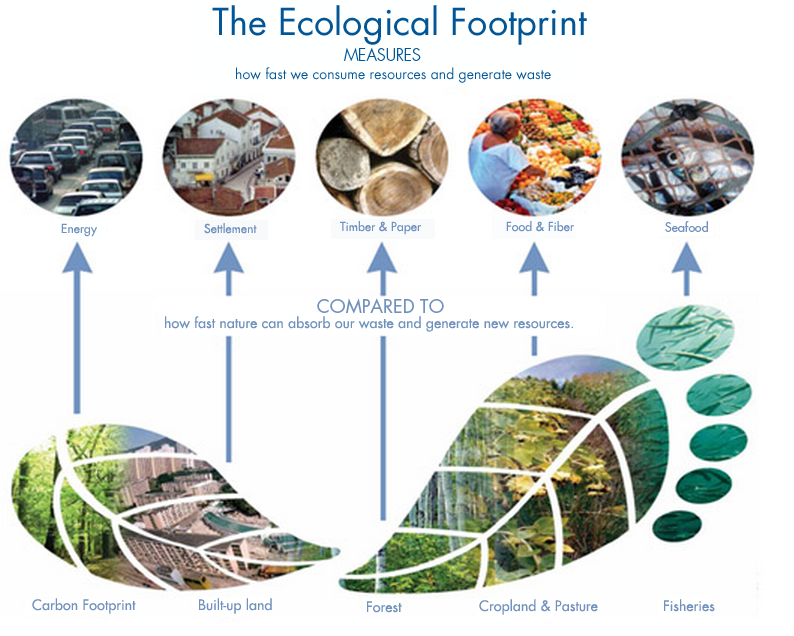
To understand the ecological footprint within a financial context, one must view it as a measure of demand versus supply. Specifically, it measures how much “nature” a human population, a business, or an investment portfolio requires to produce the resources it consumes and to absorb its waste, particularly carbon emissions.
The Bio-capacity Balance Sheet
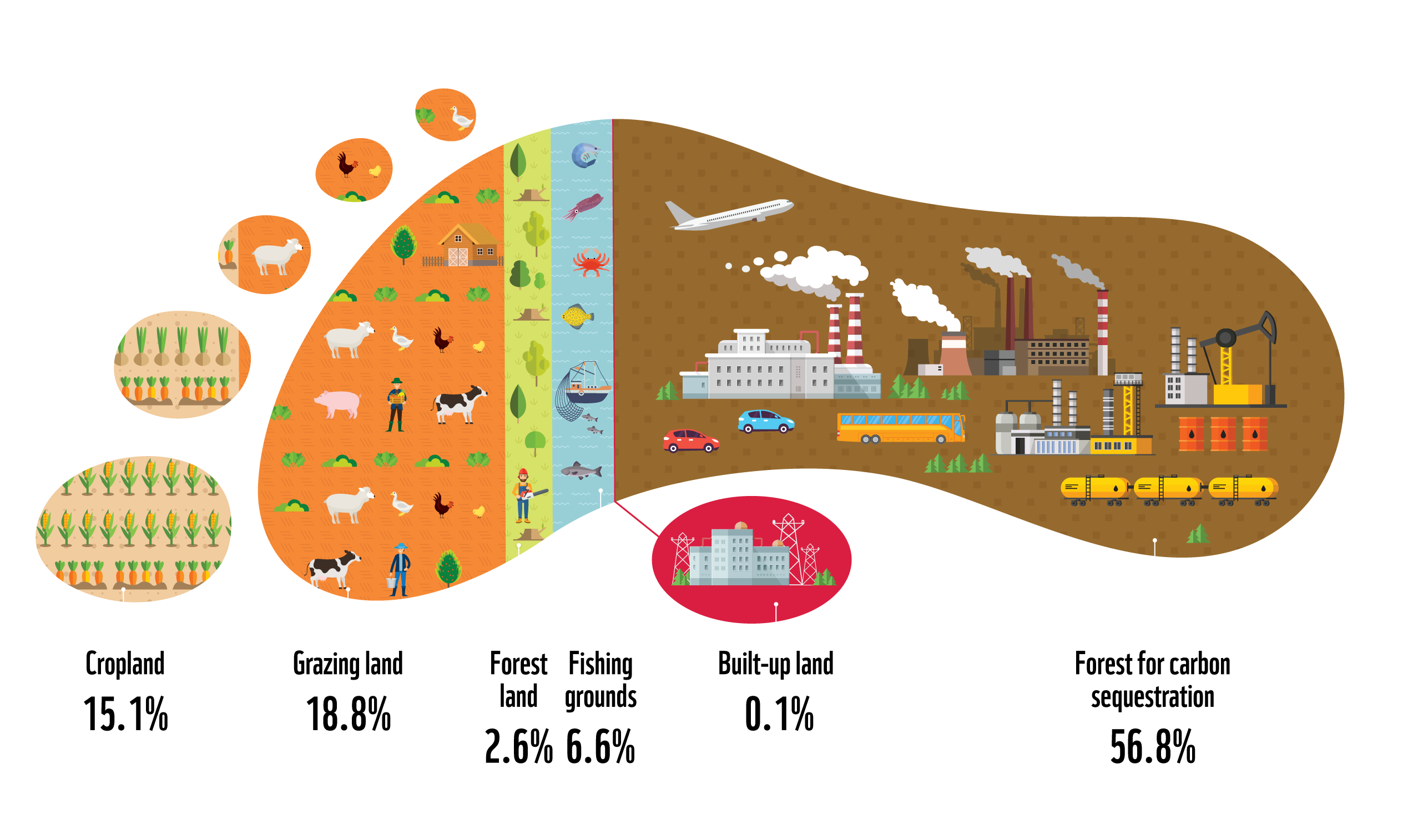
In accounting terms, if the ecological footprint is the “expense” side of the ledger, bio-capacity is the “revenue” or “asset” side. Bio-capacity represents the productivity of our ecological assets, including cropland, grazing land, forest land, fishing grounds, and built-up land. When a business or a nation’s footprint exceeds its bio-capacity, it runs an “ecological deficit.” Just as a company cannot sustain a financial deficit indefinitely without collapsing or accumulating crushing debt, a global economy cannot sustain an ecological deficit without liquidating its natural capital. For the financier, this deficit signifies a looming supply chain disruption and a devaluation of physical assets.
Why CFOs are Tracking Global Hectares
The standardized unit for the ecological footprint is the “global hectare” (gha). Modern Chief Financial Officers (CFOs) are increasingly integrating gha metrics into their annual reports. By quantifying resource use in hectares, companies can translate abstract environmental impacts into tangible data that influences credit ratings and insurance premiums. A high gha-per-unit-of-revenue suggests an inefficient business model that is over-reliant on finite resources—making it a risky bet in an era of tightening environmental regulations and fluctuating commodity prices.
ESG Investing and the Economic Value of a Low Footprint
The rise of ESG investing has fundamentally altered how capital is allocated. Investors are no longer looking solely at quarterly earnings; they are scrutinizing the sustainability of those earnings. The ecological footprint serves as a primary data point for assessing the “E” in ESG.
Risk Mitigation in Portfolio Management
From a portfolio management perspective, a high ecological footprint is synonymous with high systemic risk. Portfolios heavily weighted in industries with massive footprints—such as industrial agriculture, fast fashion, or heavy manufacturing—are vulnerable to “stranded assets.” These are assets that lose value prematurely due to environmental shifts or policy changes (like carbon taxes). By prioritizing companies with a lower ecological footprint, fund managers can insulate their portfolios from the volatility associated with resource scarcity and the inevitable transition to a low-carbon economy.
The Alpha of Sustainability
There is a growing body of evidence suggesting that “green” companies often outperform their “brown” counterparts over the long term. This “sustainability alpha” is driven by the fact that companies focused on reducing their ecological footprint are often more innovative, operationally efficient, and better managed. They anticipate regulatory changes rather than reacting to them, and they attract a higher caliber of talent and consumer loyalty. For the individual investor, identifying these low-footprint leaders is a proven strategy for achieving superior risk-adjusted returns.
The Carbon Credit Market: Turning Ecological Debt into Financial Assets

One of the most direct ways the ecological footprint impacts the world of money is through the carbon market. As nations strive to meet international climate agreements, the “waste” component of the ecological footprint—specifically CO2 emissions—has been commoditized.
Cap-and-Trade Systems and Compliance Markets
In many jurisdictions, governments have implemented cap-and-trade systems. This creates a financial ceiling on a company’s ecological footprint. If a company exceeds its allotted footprint (emissions), it must purchase allowances from companies that have kept their footprint low. This creates a direct financial penalty for ecological inefficiency and a profit motive for footprint reduction. For traders and institutional investors, these carbon allowances have become a new asset class, providing opportunities for hedging and speculation within the broader energy market.
Impact Investing and Voluntary Markets
Beyond government mandates, the voluntary carbon market allows businesses to “offset” their ecological footprint by investing in regenerative projects, such as reforestation or renewable energy. This has birthed a massive industry for impact investing. For a side-hustle seeker or a small business owner, participating in the supply chain of carbon sequestration—whether through sustainable land management or developing carbon-capture technologies—represents a significant “online income” or “business finance” opportunity. It is a market where ecological restoration is literally converted into financial liquidity.
Operational Efficiency: Reducing Footprint to Boost the Bottom Line
At the corporate level, reducing the ecological footprint is often the most direct path to increasing profit margins. In an economy defined by rising input costs, resource efficiency is a competitive advantage.
Resource Scarcity and Supply Chain Costs
The ecological footprint tracks how much land is required to support a supply chain. As global bio-capacity shrinks due to climate change and degradation, the cost of the land-based inputs (like timber, water, and crops) rises. Companies that master “circularity”—reusing materials and reducing waste—effectively lower their ecological footprint while simultaneously lowering their Cost of Goods Sold (COGS). For a business strategist, footprint reduction is synonymous with lean manufacturing; it is about extracting maximum economic value from every unit of natural capital used.
Tax Incentives and Green Subsidies
Governments worldwide are increasingly using fiscal policy to nudge the private sector toward a smaller ecological footprint. This includes tax credits for renewable energy installations, subsidies for electric fleets, and accelerated depreciation for energy-efficient machinery. For business finance professionals, navigating these “green” tax codes is essential. Utilizing these incentives allows a company to fund its transition to sustainability using what is effectively “interest-free” government capital, enhancing the firm’s overall valuation.
The Future of Money: Toward a Regenerative Economy
As we look toward the mid-21st century, the definition of wealth is evolving. We are moving away from an “extractive” economy and toward a “regenerative” one, where the growth of financial capital is decoupled from the expansion of the ecological footprint.
The Circular Economy Business Model
The most successful businesses of the future will be those that operate within the “circular economy.” In this model, the ecological footprint is minimized by design. Products are made to be repaired, remanufactured, or recycled back into the production loop. From a venture capital perspective, the circular economy is one of the most fertile grounds for new “unicorns.” Startups that can solve the problem of resource waste are effectively capturing a portion of the trillions of dollars currently lost to ecological inefficiency.
Long-term Wealth Preservation
For the individual interested in personal finance and long-term estate planning, the ecological footprint is a crucial consideration. Traditional hedges like real estate and gold are increasingly sensitive to ecological shifts. For example, coastal real estate value is tied directly to the global carbon footprint and its impact on sea levels. Wealth preservation in the modern era requires a diversified approach that includes “natural capital” assets—such as sustainable timberlands or water rights—that are likely to appreciate as the global ecological footprint continues to press against the limits of the planet’s bio-capacity.
In conclusion, the ecological footprint is far more than an environmental metric; it is a sophisticated financial tool that measures the sustainability of our global economic engine. For the savvy investor, it serves as a roadmap for identifying risk and uncovering opportunity. For the business leader, it is a blueprint for operational excellence and cost reduction. As the world moves toward a future where natural resources are increasingly scarce and carbon is priced, those who understand and manage their ecological footprint will be the ones who secure their financial future in the new green economy.
aViewFromTheCave is a participant in the Amazon Services LLC Associates Program, an affiliate advertising program designed to provide a means for sites to earn advertising fees by advertising and linking to Amazon.com. Amazon, the Amazon logo, AmazonSupply, and the AmazonSupply logo are trademarks of Amazon.com, Inc. or its affiliates. As an Amazon Associate we earn affiliate commissions from qualifying purchases.