
The traditional path to musical proficiency used to be paved with years of grueling scales, expensive private tutors, and the physical frustration of building finger calluses. However, the digital revolution has fundamentally altered the definition of “ease” in the context of music. When asking what the easiest musical instrument to learn is today, we can no longer look strictly at the physical mechanics of a wooden box with strings or a brass tube. Instead, we must look at the intersection of hardware and software.

In the contemporary landscape, the “easiest” instrument is the one with the lowest technological barrier to entry and the highest degree of software integration. Technology has democratized music education, turning what were once steep learning curves into intuitive, gamified experiences. From AI-powered feedback loops to MIDI-mapped interfaces, the ease of learning an instrument is now directly proportional to the quality of the technology supporting it.
The Digital Shift: Why Tech Defines “Ease” in Music
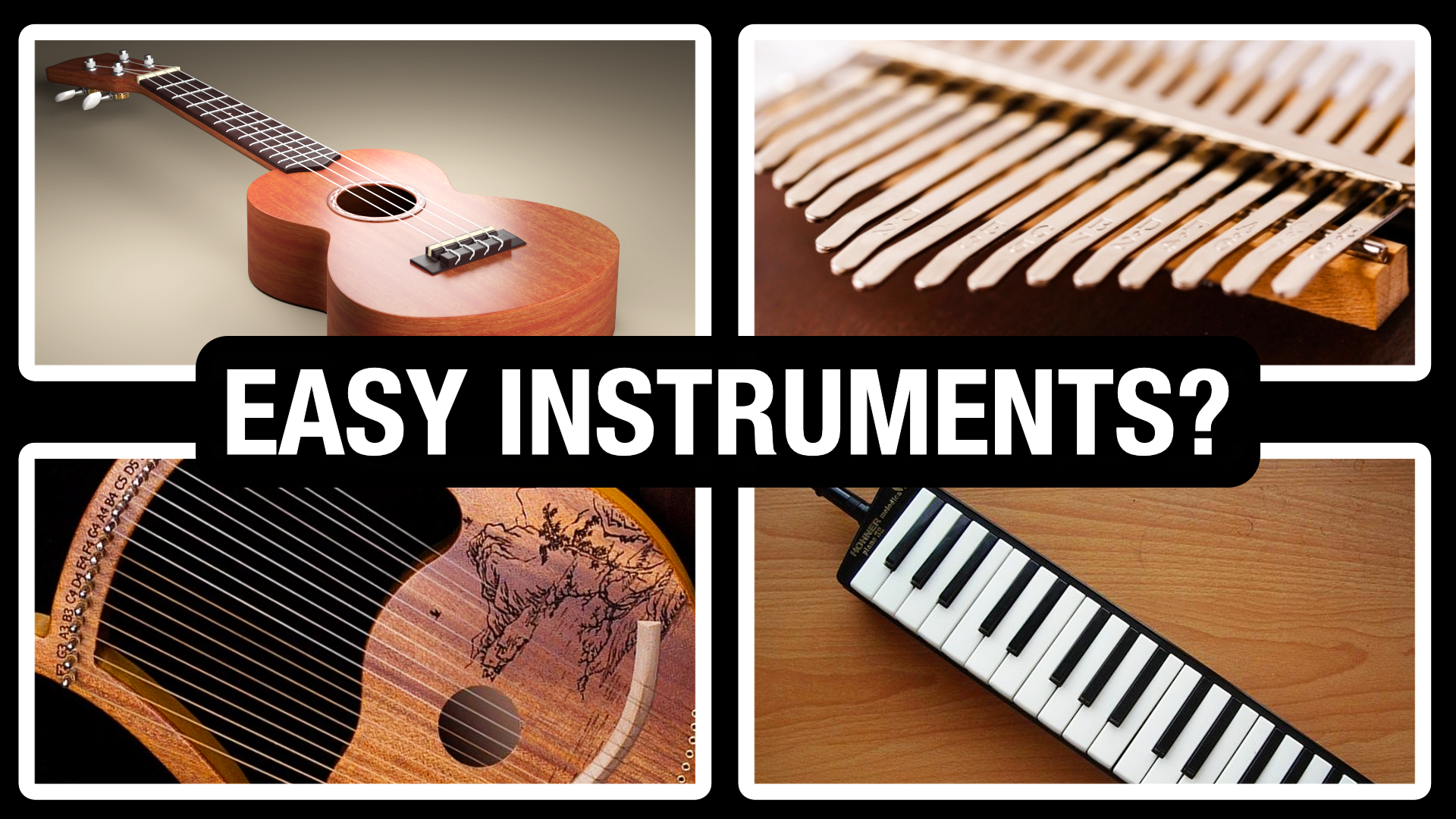
For decades, the ukulele or the recorder were cited as the easiest instruments due to their simple physical requirements. While these remain accessible, technology has introduced a new contender for the “easiest” title: the digital interface. The integration of software into the learning process has removed the most significant hurdle for beginners—the “feedback lag.”
From Sheet Music to Interactive Applications
In a traditional setting, a student plays a note and must wait for a teacher to correct them, or possess a highly trained ear to identify the mistake themselves. Modern music tech, such as Yousician or Flowkey, utilizes sophisticated pitch-recognition algorithms to provide instantaneous, real-time feedback. This reduces the cognitive load on the learner, allowing them to focus on rhythm and movement while the software handles the “correction” phase. This immediate feedback loop is the cornerstone of rapid skill acquisition.
The Role of Artificial Intelligence in Personalized Pedagogy
AI is no longer just a buzzword in music production; it is a primary educator. AI-driven platforms can now analyze a student’s performance patterns, identify specific areas of struggle—such as a recurring difficulty with a F-sharp minor transition—and automatically adjust the curriculum. By generating bespoke exercises that target a user’s unique weaknesses, technology makes the learning process significantly “easier” by eliminating the “one-size-fits-all” inefficiency of traditional method books.
The MIDI Keyboard: The Ultimate Gateway Instrument
If we evaluate instruments based on their integration with software and their versatility in a digital ecosystem, the MIDI keyboard stands unrivaled as the easiest instrument to master for the modern era. Unlike an acoustic piano, a digital keyboard acts as a controller for a limitless array of sounds, but its true power lies in its visual and logical layout.
Simplified Music Theory through Visualization
The linear layout of a keyboard is a physical representation of music theory. Tech-enhanced keyboards, such as those in the Komplete Kontrol series, feature “Light Guide” technology—LEDs above the keys that light up to indicate which notes are in a specific scale or chord. This hardware-software synergy allows a beginner to play complex arrangements without ever having studied a page of theory. By “locking” the keyboard to a specific key via software, the tech ensures that a beginner can never play a “wrong” note, drastically lowering the psychological barrier to entry.
Integration with Digital Audio Workstations (DAWs)
The ease of learning the keyboard is amplified by its relationship with DAWs like Ableton Live or Logic Pro. When a student learns the keyboard, they aren’t just learning an instrument; they are learning the primary input device for modern music production. Features like “MIDI Capture” allow learners to play freely and then retrospectively retrieve their best performances, even if they forgot to hit record. This removes the “performance anxiety” that often stymies beginners, making the creative process feel more like play and less like a test.
Smart Instruments: The Rise of App-Enabled Hardware
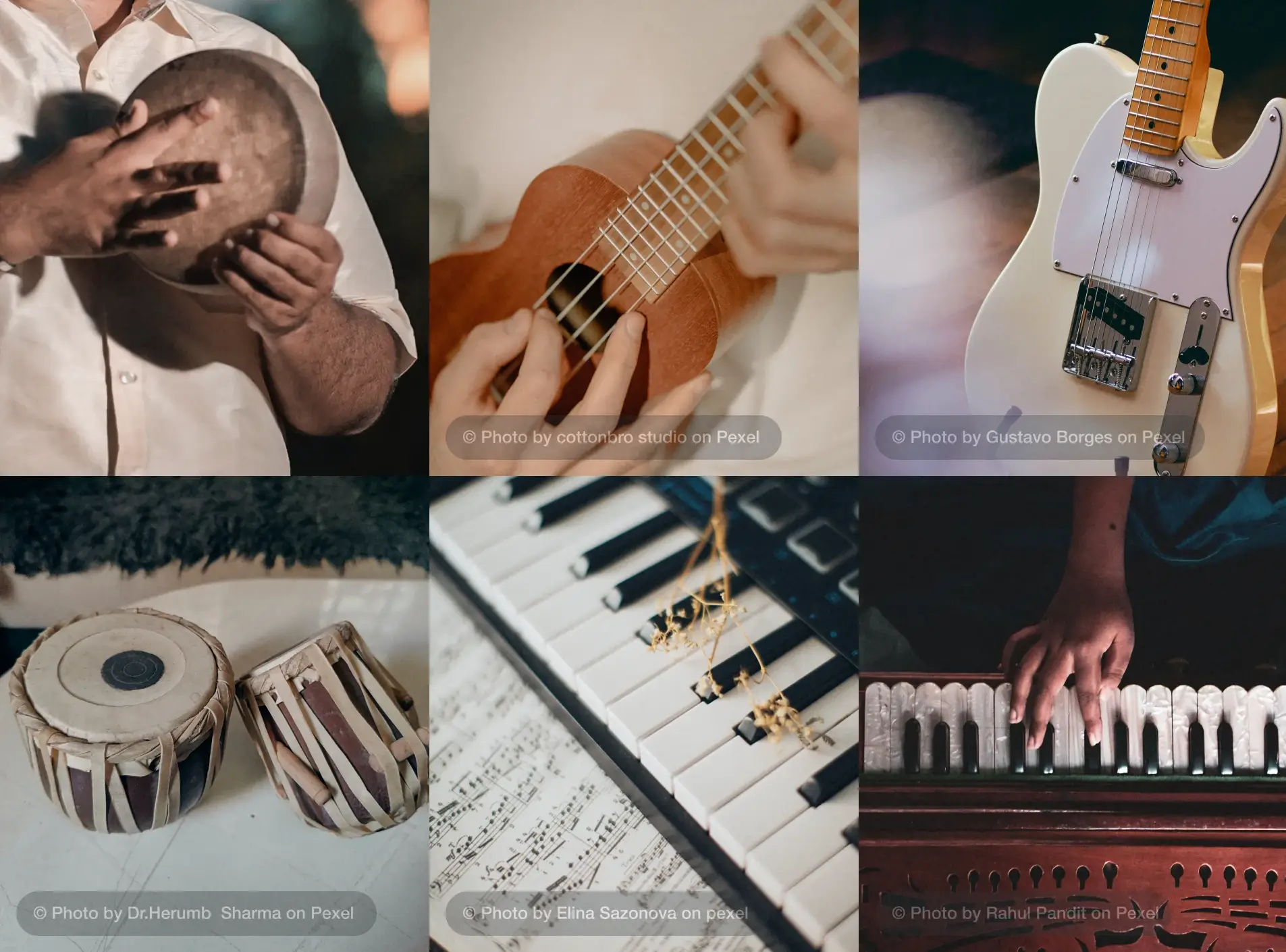
While the keyboard is a powerhouse, a new category of “smart instruments” has emerged, specifically designed to be the easiest path to musicality. These devices are built with a “tech-first” philosophy, often bypassing traditional mechanics in favor of digital sensors and haptic feedback.
LED-Guided Guitars and Ukuleles
Instruments like the Populele or the Jamstik have revolutionized stringed instrument education. These devices feature fretboards embedded with LEDs that sync via Bluetooth to a smartphone or tablet. As the app plays a song, the fretboard lights up exactly where the user needs to place their fingers. This eliminates the need to look back and forth between a book and the instrument, a common point of frustration for novices. By utilizing this “follow the lights” methodology, the tech converts a complex motor skill into a simple visual-spatial task.
Electronic Wind Instruments (EWIs) and Digital Percussion
For those interested in wind or percussion, tech has provided shortcuts through Electronic Wind Instruments and digital drum pads. A traditional saxophone requires intense embouchure (mouth muscle) development, which can take years. An EWI, however, uses digital breath sensors that can be calibrated for sensitivity. This means a beginner can produce a professional-grade sound with minimal physical effort. Similarly, digital drum pads with “quantization” features can automatically snap a beginner’s slightly-off-beat strikes into perfect rhythm, providing the gratification of a perfect performance while the student is still developing their internal clock.
Gamification: Turning Learning into a High-Tech Pursuit
The psychology of “ease” is often tied to engagement. Technology has made instruments easier to learn by borrowing engagement strategies from the video game industry. When the learning process feels like a game, the perceived effort decreases, even as the actual skill level increases.
The “Guitar Hero” Effect in Serious Learning
Platforms have taken the interface of games like Guitar Hero and applied them to real instruments. By presenting notes as falling “blocks” or scrolling tabs in a high-definition interface, these tools leverage the human brain’s natural affinity for pattern recognition. This gamified approach provides dopamine hits through high scores and leveling systems, which encourages the “deliberate practice” necessary for mastery without the mental fatigue associated with traditional rote memorization.
VR and AR: Immersive Musical Environments
Virtual Reality (VR) and Augmented Reality (AR) are the next frontiers in making instruments easy to learn. AR glasses can overlay digital fingering charts directly onto a physical instrument in real-time. VR applications like “Virtuoso” allow users to play imaginary instruments in a 3D space, where the physics can be manipulated to make “playing” impossible to mess up. These immersive technologies remove the physical limitations of the real world, allowing a user to build musical confidence in a controlled, digital environment before ever picking up a physical tool.
Future-Proofing: The Rise of the Bedroom Producer
When we discuss the easiest instrument to learn, we must eventually address the fact that the computer itself has become the most powerful instrument of the 21st century. For many, the “easiest” way to make music is not to learn a physical instrument at all, but to master the software that controls them.
Beyond the Physical: The Software-as-Instrument Model
In the modern tech landscape, a “Bedroom Producer” uses a laptop as their primary interface. Through the use of VSTs (Virtual Studio Technology) and loops, an individual can compose a symphony or a chart-topping pop track using only a mouse and keyboard. The learning curve here is not about finger dexterity, but about understanding software architecture and signal flow. For the digital native, this is often the path of least resistance.
The Democratization of Mastery
The ultimate goal of any instrument is expression. Technology has ensured that the “easiest” instrument is no longer defined by its physical simplicity, but by the robustness of its digital ecosystem. Whether it is a MIDI controller with light-guided keys, a smart guitar synced to an iPad, or a DAW that corrects every mistake, the barrier between an idea and a finished piece of music has never been thinner.
In conclusion, the easiest musical instrument to learn in the current era is the one that best leverages the power of technology. While the ukulele remains physically simple, the MIDI keyboard paired with interactive AI software offers the most comprehensive, scalable, and intuitive entry point into the world of music. By embracing hardware-software integration, aspiring musicians can bypass the frustrations of the past and move straight into the creative potential of the future. The “ease” of music is no longer found in the instrument itself, but in the code that teaches us how to play it.
aViewFromTheCave is a participant in the Amazon Services LLC Associates Program, an affiliate advertising program designed to provide a means for sites to earn advertising fees by advertising and linking to Amazon.com. Amazon, the Amazon logo, AmazonSupply, and the AmazonSupply logo are trademarks of Amazon.com, Inc. or its affiliates. As an Amazon Associate we earn affiliate commissions from qualifying purchases.