
In the rapidly evolving landscape of digital services and customer interactions, a critical metric often arises: DSAT. While the term itself might sound like a technical acronym, its implications reach far beyond the purely technical realm, impacting user experience, operational efficiency, and ultimately, business success. Understanding DSAT, its measurement, and its strategic importance is paramount for any organization aiming to thrive in today’s competitive digital environment. This article delves into the multifaceted nature of DSAT, exploring its definition, its relationship with customer satisfaction, and the actionable insights it provides for improving digital service delivery.
Understanding DSAT: Beyond a Simple Score
At its core, DSAT is an acronym for Digital Satisfaction. It quantifies how satisfied users are with their experience when interacting with a digital product, service, or platform. Unlike traditional customer satisfaction metrics that might rely on broader survey questions, DSAT specifically targets the digital touchpoints a user encounters. This includes everything from the usability and performance of a website or mobile app to the clarity of digital communications, the effectiveness of online self-service options, and the overall seamlessness of digital transactions.
The Digital Touchpoint Spectrum
The digital journey of a customer is rarely linear. It comprises a multitude of touchpoints, each offering an opportunity to either delight or disgruntle a user. DSAT aims to capture the sentiment across this entire spectrum. Consider the following examples:
- Initial Discovery: A user finds a product or service through online search or social media. The intuitiveness of the landing page, the clarity of information, and the speed of loading all contribute to their initial DSAT.
- Onboarding and Account Creation: The ease with which a user can sign up, create an account, or complete an initial setup process is crucial. Confusing forms, lengthy verification steps, or technical glitches can significantly lower DSAT.
- Product/Service Interaction: This is the heart of the digital experience. Whether it’s navigating a complex e-commerce site, using a productivity app, or accessing streaming content, the performance, functionality, and user-friendliness directly impact DSAT.
- Customer Support (Digital Channels): When users encounter issues, their experience with online chat, email support, knowledge bases, or AI-powered chatbots becomes a critical DSAT determinant. Slow response times, unhelpful automated responses, or the inability to resolve issues digitally can lead to significant dissatisfaction.
- Transaction and Payment: The security, speed, and ease of online transactions, from adding items to a cart to completing payment, are vital. Any friction or perceived risk can negatively impact DSAT.
- Post-Interaction and Feedback: Even after a transaction, the user’s experience with order tracking, digital receipts, and the ease of providing feedback contributes to their overall DSAT.
The continuous nature of digital interactions means that DSAT isn’t a one-time assessment but rather an ongoing evaluation across all these potential points of engagement.
DSAT vs. CSAT: A Crucial Distinction
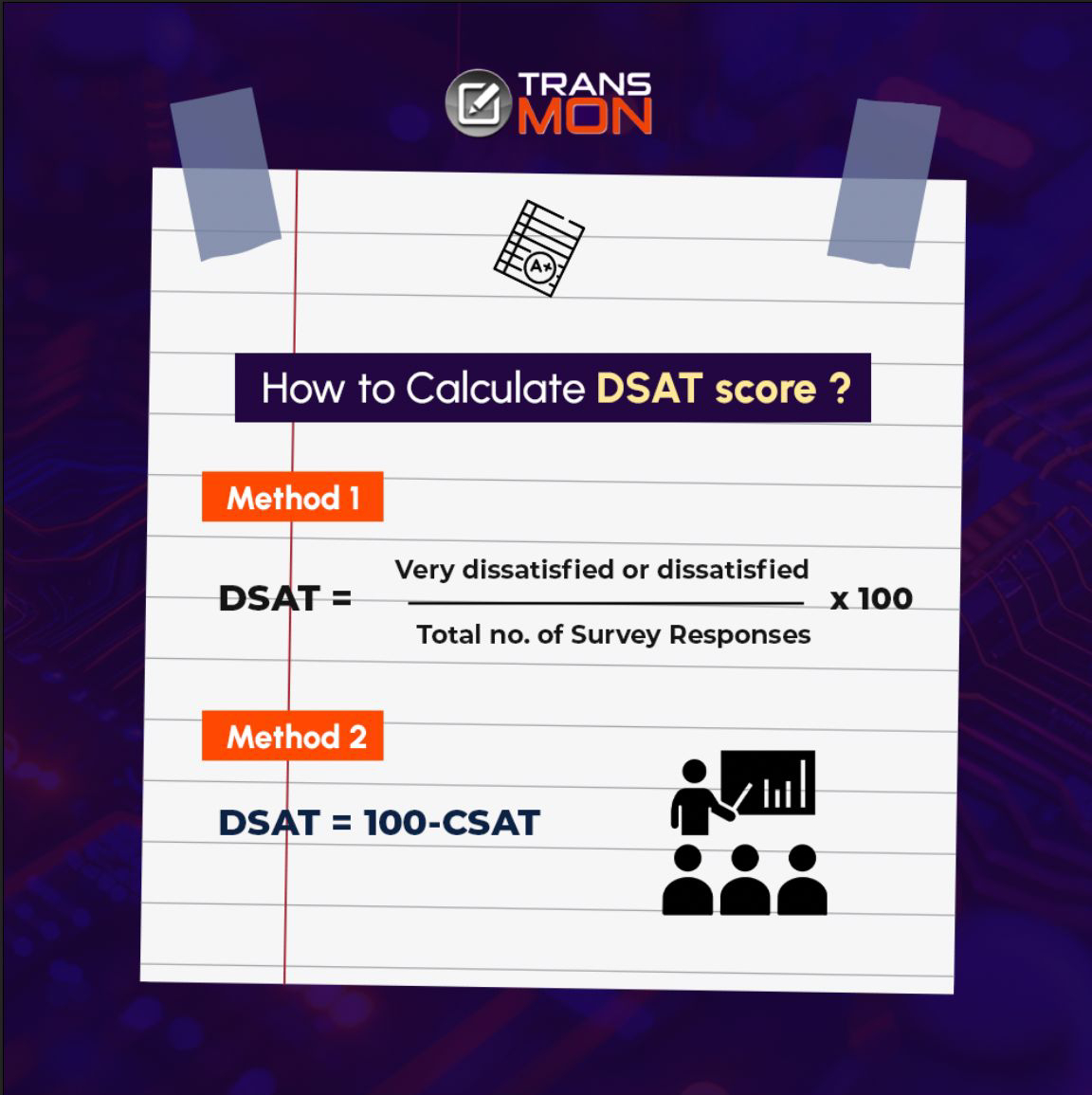
It’s important to differentiate DSAT from its more widely known counterpart, Customer Satisfaction (CSAT). While closely related, they are not interchangeable. CSAT is a broader measure that encompasses all aspects of a customer’s relationship with a company, including in-person interactions, phone calls, and overall brand perception. DSAT, on the other hand, is a more granular metric specifically focused on the digital realm.
Think of it this way: a customer might have a positive overall CSAT score due to excellent in-person customer service, but a consistently poor DSAT score if their experience with the company’s mobile app is frustrating. Conversely, a company could excel in its digital offerings, achieving high DSAT, but still have a lower overall CSAT if its physical stores or phone support are lacking.
This distinction is critical because it allows businesses to pinpoint specific areas of strength and weakness within their digital strategy. By tracking DSAT, organizations can identify which digital touchpoints are driving satisfaction and which are causing friction, enabling targeted improvements.
Measuring DSAT: Quantifying the Digital Experience
Accurate measurement is the cornerstone of any effective metric, and DSAT is no exception. A variety of methods and tools are employed to quantify digital satisfaction, each offering unique insights into user sentiment.
Direct Feedback Mechanisms
The most straightforward way to measure DSAT is by directly asking users about their digital experiences. This is typically done through:
- In-App/Website Surveys: Short, targeted surveys presented at opportune moments within the digital interface. These might ask users to rate their satisfaction with a specific feature, the ease of completing a task, or their overall experience on that particular page or within that session. Common questions include “How satisfied were you with X?” on a scale of 1-5 or “How easy was it to complete Y?” on a scale of “Very Difficult” to “Very Easy.”
- Post-Interaction Surveys: These surveys are sent out after a specific digital event, such as completing a purchase, submitting a support ticket, or finishing an onboarding process. They aim to capture the user’s sentiment immediately following the interaction.
- Net Promoter Score (NPS) within Digital Channels: While NPS is a general measure of loyalty, asking “How likely are you to recommend [Digital Product/Service] to a friend or colleague?” within a digital context can provide valuable DSAT insights.
Indirect Feedback and Behavioral Analysis
Beyond direct questioning, valuable DSAT data can be gleaned from analyzing user behavior within digital platforms. This indirect approach often reveals genuine sentiments that users might not articulate directly.
- User Behavior Analytics: Tools that track user journeys, clickstream data, time spent on pages, bounce rates, and task completion rates can highlight areas of friction. For example, a high bounce rate on a crucial onboarding page or a significant drop-off during the checkout process are strong indicators of low DSAT for those specific digital touchpoints.
- Usability Testing: Observing real users interacting with a digital product or service can uncover usability issues that directly impact DSAT. This qualitative method provides deep insights into why users might be struggling.
- Sentiment Analysis of Digital Communications: Analyzing text from online reviews, social media comments, support chat logs, and email correspondence for positive, negative, or neutral sentiment can provide a broad overview of DSAT. Natural Language Processing (NLP) tools are increasingly used for this purpose.
- Error Rate Monitoring: High rates of error messages or technical glitches encountered by users are direct indicators of poor digital experience and, consequently, low DSAT.
Key Performance Indicators (KPIs) Correlated with DSAT
While not direct measures of satisfaction, certain digital KPIs are strong indicators of DSAT. Improving these KPIs often leads to an increase in DSAT.
- Task Completion Rate: The percentage of users who successfully achieve their goals within a digital interface.
- Time on Task: The time it takes users to complete a specific task. Longer times can indicate complexity or inefficiency.
- Page Load Speed: Slow loading times are a significant detractor from the digital experience.
- Uptime and Availability: Ensuring digital services are consistently accessible is fundamental to user satisfaction.
By employing a combination of these measurement techniques, organizations can build a comprehensive picture of their DSAT, identifying specific pain points and areas of success within their digital offerings.
The Strategic Importance of DSAT
In today’s hyper-connected world, the digital experience is no longer a mere convenience; it is a fundamental pillar of customer engagement and business strategy. High DSAT translates into tangible benefits, while low DSAT can have detrimental consequences.
Driving Customer Loyalty and Retention
Satisfied digital users are more likely to remain loyal to a brand and continue using its digital services. When a digital experience is seamless, intuitive, and efficient, it fosters a sense of trust and reliability. Customers are less inclined to switch to competitors if their current digital interactions are consistently positive. This directly impacts customer retention rates, which are generally more cost-effective than acquiring new customers.
Conversely, a poor digital experience can be a major driver of churn. If users consistently struggle to navigate a website, complete a transaction, or get help through digital channels, they will seek alternatives. This is particularly true in industries with a high degree of competition.
Enhancing Brand Reputation and Advocacy
In the digital age, word-of-mouth travels at an unprecedented speed. Positive DSAT experiences can lead to enthusiastic customer advocacy. Satisfied users are more likely to leave positive online reviews, recommend the brand on social media, and become brand ambassadors. This organic marketing is invaluable and significantly contributes to building a strong and positive brand reputation.
Conversely, negative DSAT experiences can quickly damage a brand’s reputation. Frustrated users are often vocal about their dissatisfaction, sharing their negative experiences across social media platforms, review sites, and forums. This can deter potential customers and erode trust, making it harder for the business to attract and retain customers.
Improving Operational Efficiency and Reducing Costs
A well-designed and user-friendly digital experience can significantly reduce the burden on traditional customer support channels. When users can easily find answers to their questions through FAQs, knowledge bases, or self-service portals, they are less likely to contact customer service representatives. This leads to:
- Reduced Support Tickets: Fewer calls, emails, and chat requests mean lower operational costs for customer support teams.
- Increased Agent Productivity: Support agents can focus on more complex or high-value issues when routine queries are handled digitally.
- Faster Issue Resolution: Self-service options often provide immediate solutions, improving overall customer experience.
Furthermore, by identifying and rectifying digital usability issues that lead to low DSAT, businesses can prevent recurring problems, saving time and resources in the long run.
Driving Business Growth and Revenue
Ultimately, high DSAT is a strong indicator of business health and a catalyst for growth. When digital experiences are optimized for user satisfaction, it leads to:
- Increased Conversion Rates: A seamless and intuitive digital journey encourages users to complete desired actions, such as making a purchase, signing up for a service, or downloading an app.
- Higher Average Order Value (AOV): Positive experiences can encourage users to spend more time exploring products or services, potentially leading to larger purchases.
- New Customer Acquisition: A strong digital reputation and positive word-of-mouth attract new customers.
By focusing on DSAT, businesses are not just improving their digital interfaces; they are investing in a fundamental aspect of their customer relationships, which directly translates into sustainable business growth and increased profitability.
Optimizing DSAT: Strategies for Digital Excellence
Achieving and maintaining high DSAT requires a proactive and continuous approach to digital experience management. It’s not a one-time fix but an ongoing commitment to understanding and serving digital users.
User-Centric Design and Development
The foundation of high DSAT lies in building digital products and services with the user at the forefront. This involves:
- Empathy and User Research: Deeply understanding user needs, behaviors, motivations, and pain points through qualitative research methods like interviews, focus groups, and persona development.
- Intuitive User Interface (UI) and User Experience (UX) Design: Creating interfaces that are easy to navigate, aesthetically pleasing, and logically structured. This includes clear calls to action, consistent design patterns, and minimal cognitive load.
- Accessibility: Ensuring digital platforms are usable by everyone, including individuals with disabilities. This aligns with principles of inclusive design and expands the reach of digital services.
- Iterative Prototyping and Testing: Developing prototypes early in the design process and conducting rigorous usability testing with target users to identify and address issues before development is finalized.
Performance and Reliability
A slow, buggy, or unavailable digital service is a guaranteed way to drive down DSAT. Prioritizing performance and reliability is crucial:
- Optimized Loading Speeds: Employing techniques like image compression, code minification, and content delivery networks (CDNs) to ensure pages and applications load quickly across all devices and network conditions.
- Robust Infrastructure: Investing in scalable and reliable cloud infrastructure that can handle fluctuating traffic demands and minimize downtime.
- Proactive Monitoring and Alerting: Implementing tools to continuously monitor the performance and health of digital services, with automated alerts for any issues that arise.
- Thorough Quality Assurance (QA): Implementing comprehensive testing strategies, including functional testing, performance testing, and security testing, to identify and fix bugs before they impact users.
Continuous Feedback Loops and Iteration
DSAT is not a static metric. The digital landscape and user expectations are constantly evolving. Therefore, establishing and maintaining continuous feedback loops is essential for ongoing optimization:
- Regularly Analyze DSAT Data: Consistently review feedback from surveys, analytics, and sentiment analysis to identify emerging trends and persistent issues.
- Act on User Feedback: Don’t just collect feedback; use it to inform product development and service improvements. Prioritize changes that will have the most significant positive impact on DSAT.
- A/B Testing and Experimentation: Utilize A/B testing to compare different design variations, content, or features to determine which performs best in terms of user satisfaction and engagement.
- Stay Abreast of Digital Trends: Keep informed about new technologies, design paradigms, and evolving user expectations to ensure digital offerings remain relevant and competitive.
By embedding these strategies into the organizational culture and operational processes, businesses can move beyond simply measuring DSAT to actively cultivating a superior digital experience, fostering lasting customer relationships, and achieving sustainable success in the digital age.
aViewFromTheCave is a participant in the Amazon Services LLC Associates Program, an affiliate advertising program designed to provide a means for sites to earn advertising fees by advertising and linking to Amazon.com. Amazon, the Amazon logo, AmazonSupply, and the AmazonSupply logo are trademarks of Amazon.com, Inc. or its affiliates. As an Amazon Associate we earn affiliate commissions from qualifying purchases.