
In the landscape of modern digital communication, the term “double texting” has evolved from a niche dating observation into a significant psychological and technical phenomenon. At its core, double texting refers to the act of sending a second message—or a series of subsequent messages—before the recipient has replied to the initial one. While this might seem like a trivial aspect of daily life, it represents a fundamental shift in how human beings interact through technology, reflecting deep-seated changes in software design, notification management, and digital social norms.
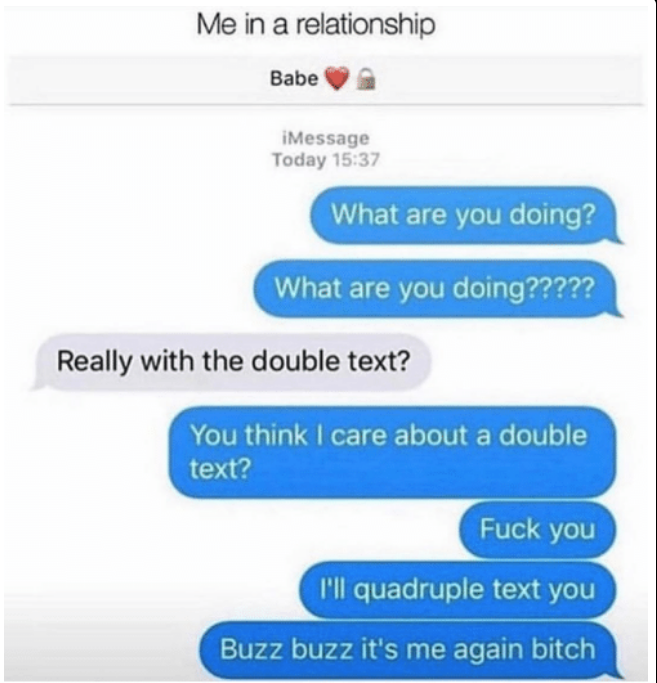
As our primary modes of communication have shifted from synchronous phone calls to asynchronous messaging apps like WhatsApp, iMessage, Slack, and Telegram, the “double text” has become a focal point of discussion regarding digital boundaries and attention economy. To understand what double texting is, we must look beyond the social anxiety it often induces and examine the technological infrastructure that facilitates it.
1. Understanding the Mechanism: The Technical Definition of Double Texting
To truly grasp the concept of double texting, one must first understand the technical transition from legacy SMS (Short Message Service) to modern Instant Messaging (IM) protocols. In the early days of mobile technology, SMS was a metered service, often costing users per message. This financial barrier naturally encouraged concise, singular transmissions.
The Shift from SMS to Instant Messaging (IM)
With the advent of data-driven messaging platforms, the cost of sending an individual message dropped to near zero. Apps like WhatsApp and Telegram utilize Voice over IP (VoIP) and data packets to transmit information instantly. This shift changed the “unit of communication.” Where a user might have previously condensed an entire thought into one 160-character SMS, they now tend to break ideas into smaller, bite-sized “bubbles.” Technically, this means that “double texting” is often just a byproduct of a fragmented typing style allowed by high-speed data transfer.
How Notification Systems Influence User Behavior
Modern operating systems (iOS and Android) are designed around the notification center. When you “double text,” you are effectively pushing multiple push notifications to the recipient’s lock screen. Each message triggers a distinct alert, a haptic vibration, or a sound. From a technical UX (User Experience) perspective, double texting increases the “interruptive load” on the recipient. This is why many messaging platforms are now implementing “silent” or “quiet” sending features, allowing users to send multiple messages without repeatedly triggering the recipient’s alert system.
2. The Psychology of Synchronous vs. Asynchronous Communication
The friction surrounding double texting stems from a mismatch in how people perceive “digital presence.” Communication technology has blurred the lines between synchronous communication (real-time, like a phone call) and asynchronous communication (delayed, like an email).
The Role of Read Receipts and “Seen” Statuses
One of the most significant technological drivers of double texting anxiety is the “Read Receipt.” Whether it is the blue ticks on WhatsApp or the “Read” timestamp in iMessage, these features provide the sender with telemetry regarding the recipient’s behavior. When a sender sees that a message has been delivered or read, but no reply is forthcoming, the psychological urge to “double text” to regain attention or clarify a point becomes intense. This is a direct result of “state tracking” in software—knowing the status of a message creates a feedback loop that didn’t exist in traditional mail or early paging systems.
Cognitive Load and Notification Fatigue
From a recipient’s perspective, double texting can contribute to significant cognitive load. When an individual is in “Deep Work” or focusing on a task, receiving five separate messages for one cohesive thought can be more disruptive than receiving a single long-form paragraph. The technical term for this is “Context Switching.” Each time a notification pings, the brain is forced to switch focus. Consequently, double texting is often viewed negatively not because of the content, but because of the technological intrusion it represents.
3. Digital Etiquette in a Hyper-Connected World

As technology matures, so do the social contracts we build around it. Double texting has become a litmus test for digital etiquette, varying significantly across different software environments and social contexts.
The Social Stigma of the “Double Ping”
In personal relationships and dating, the “double text” is often analyzed through the lens of power dynamics and “clumsiness.” However, in a tech-centric view, this is simply a matter of managing digital space. A sender who double texts frequently is often perceived as “loud” in a digital sense. The etiquette evolved to suggest that one should wait for a “clearance” of the previous message before initiating a new thread. This mirrors “half-duplex” communication protocols, where only one party transmits at a time to prevent signal interference.
Professional vs. Personal Boundaries in Messaging
The rules change entirely when we move from iMessage to professional tools like Slack or Microsoft Teams. In a professional tech environment, “double texting” is often a functional necessity. A developer might send a link to a pull request, followed by a brief explanation, and then a tag for the reviewer. In this context, the multiple messages serve as a log of information. However, even here, the concept of “threading” has been introduced to mitigate the messiness of double texting. By replying to one’s own message in a thread, a user can provide more information without “blowing up” the main channel’s notification feed.
4. Managing Your Digital Presence: Tools and Features to Optimize Communication
Software developers have recognized the stress associated with double texting and have introduced several features to help users manage their digital “noise floor.”
Using “Scheduled Send” to Avoid Overwhelming Recipients
One of the most effective tools against the negative effects of double texting is the “Scheduled Send” feature, now prevalent in Telegram and various email clients. If a user realizes they are sending too many messages in quick succession—especially during off-hours—they can schedule those messages to arrive as a single batch later. This respects the recipient’s “Do Not Disturb” settings and prevents the “double ping” from occurring during sensitive times.
Do Not Disturb and Focus Modes: Reclaiming Attention
On the recipient’s side, modern smartphone OS features like Apple’s “Focus Modes” or Android’s “Digital Wellbeing” are designed to filter out the noise of double texting. By allowing only certain contacts to “break through” or by silencing notifications from specific apps, users can mitigate the interruptive nature of persistent messagers. This technical solution places the power back in the hands of the receiver, making the “threat” of a double text less impactful on their daily productivity.
5. The Future of Messaging: AI-Driven Communication and Interaction Limits
As we look toward the future of communication technology, the very concept of “double texting” may be automated or mitigated by Artificial Intelligence.
Smart Replies and the Automation of Conversational Flow
AI-driven “Smart Replies” are already helping to close the gap between a sent message and a response. By offering one-tap responses, these tools reduce the “wait time” that often triggers a sender to double text. In the future, we may see AI “gatekeepers” that bundle multiple incoming texts from the same sender into a single summary, effectively neutralizing the disruptive nature of the double text before it even reaches the recipient’s screen.
Interaction Limits and “Slow Mode”
We are already seeing “Slow Mode” features in community platforms like Discord and Twitch, where users are technically restricted from sending messages too frequently. While unlikely to be implemented in private one-on-one chats, these technical constraints show a growing awareness of “message flooding.” The future of messaging software will likely focus on “quality of interaction” rather than just “speed of delivery,” potentially signaling the end of the double texting era as we know it.

Conclusion
Double texting is far more than a social faux pas; it is a fascinating intersection of human psychology and digital engineering. It is a product of an era where communication is instantaneous, nearly free, and highly intrusive. By understanding the technical underpinnings of why we double text—and how it affects the digital ecosystem of our recipients—we can become more intentional users of technology. Whether through the use of scheduled messages, respecting “Focus Modes,” or simply understanding the rhythm of asynchronous threads, mastering the art of the digital “ping” is an essential skill in the modern age. As communication tools continue to evolve, the goal remains the same: to use technology to connect with others without overwhelming the very human attention we seek to engage.
aViewFromTheCave is a participant in the Amazon Services LLC Associates Program, an affiliate advertising program designed to provide a means for sites to earn advertising fees by advertising and linking to Amazon.com. Amazon, the Amazon logo, AmazonSupply, and the AmazonSupply logo are trademarks of Amazon.com, Inc. or its affiliates. As an Amazon Associate we earn affiliate commissions from qualifying purchases.