
Double cleansing, a two-step facial washing method, has transcended a mere beauty trend to become a cornerstone of modern skincare routines, largely due to astute brand strategy and marketing. At its core, double cleansing involves using two different types of cleansers sequentially: first, an oil-based cleanser (such as a cleansing oil, balm, or micellar water) to dissolve oil-based impurities like makeup, sunscreen, and sebum; followed by a water-based cleanser (like a foam, gel, or cream cleanser) to remove water-based impurities such as sweat, dirt, and residual oil-based cleanser. This practice, while seemingly straightforward from a consumer perspective, represents a sophisticated strategic maneuver by beauty brands to expand product categories, deepen consumer engagement, and solidify brand positioning.
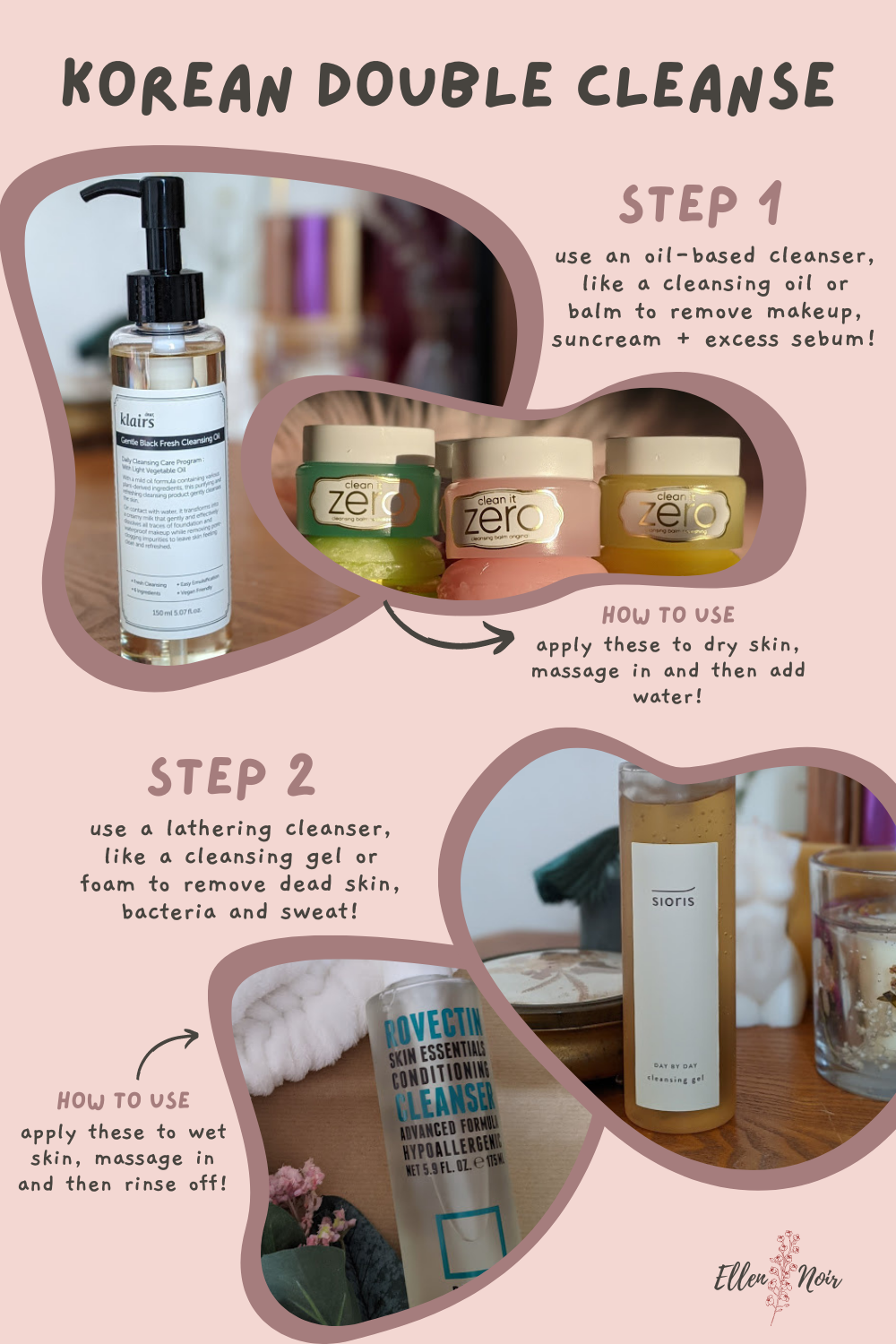
The Strategic Foundation of Double Cleansing: A Ritual Defined by Brand
The popularization of double cleansing is a prime example of how brands can introduce and normalize a multi-step routine, transforming it from a niche practice into a mainstream expectation. Originating from Asian beauty traditions, particularly K-beauty, its introduction to Western markets was not accidental but a calculated brand initiative. Brands recognized an opportunity to elevate the daily cleansing ritual, positioning it not just as a utilitarian task, but as a crucial, indulgent, and effective first step in a comprehensive skincare regimen.
From Niche Practice to Global Phenomenon
The initial challenge for brands was to educate consumers on the “why” behind double cleansing. This involved dispelling the notion that a single cleanser was sufficient and instead, articulating the specific benefits of a two-step approach. Brands invested heavily in content marketing, leveraging beauty bloggers, influencers, and dermatologists to explain how oil attracts oil, effectively dissolving stubborn makeup and sunscreen, while a subsequent water-based cleanse purified the skin without stripping it. This educational push was critical in establishing the perceived necessity of double cleansing, laying the groundwork for widespread adoption. By associating the routine with concepts like “deep clean,” “pore refinement,” and “improved product absorption,” brands cultivated a sense of elevated efficacy and luxury, distinguishing their offerings from conventional single-step cleansing solutions.
Crafting the Consumer Journey and Perception
For many consumers, the ritualistic aspect of double cleansing is as appealing as its purported benefits. Brands deliberately frame this routine as a moment of self-care, an investment in skin health and well-being. This narrative goes beyond product features; it sells an experience. From the sensory pleasure of massaging a rich cleansing balm into the skin to the refreshing sensation of a foamy second cleanse, every step is designed to be engaging. This emotional connection fosters brand loyalty and encourages consumers to view the double cleanse as an indispensable part of their daily ritual, rather than just an optional extra. The emphasis on a “clean canvas” for subsequent skincare products also strategically positions double cleansing as the gateway to the entire beauty regimen, subtly suggesting that the effectiveness of other brand products (serums, moisturizers) is contingent upon proper cleansing.
Product Innovation and Market Segmentation: Driving the Double Cleanse Ecosystem
The success of double cleansing as a brand strategy hinges significantly on product innovation and the subsequent segmentation of the cleanser market. Before double cleansing gained traction, the cleanser aisle was simpler. Today, it’s a diverse ecosystem of specialized products.
Expanding Cleanser Categories and SKUs
Brands didn’t just tell consumers to double cleanse; they created the tools to do it. This led to a proliferation of distinct product categories:
- Cleansing Oils & Balms: These were specifically formulated to break down oil-based impurities without stripping the skin. Brands developed a vast array of textures (from lightweight oils to luxurious solid balms), ingredient profiles (e.g., specific plant oils, emollients), and sensory experiences (fragrances, melting textures) to cater to diverse preferences and skin types. This innovation effectively doubled the potential for sales in the cleansing category.
- Micellar Waters: Positioned as a gentle, no-rinse option for the first cleanse, or a quick clean, micellar waters offered convenience and further diversified the oil-based cleansing segment. Brands highlighted their ease of use and suitability for sensitive skin, broadening the appeal of the initial cleansing step.
- Water-Based Cleansers: While these existed prior, brands refined and marketed them specifically as the “second step.” This involved formulating gentle yet effective gels, foams, and creams that removed residual impurities without causing dryness or irritation, ensuring the overall double cleansing experience was positive and balanced. Brands often emphasized pH balance and non-stripping formulations to complement the initial oil cleanse.
By creating distinct product categories tailored to each step, brands strategically expanded their product lines and increased average customer spend. Consumers are encouraged to purchase two specialized products where they once bought one, directly boosting revenue. This segmentation also allows brands to target different consumer needs and price points within the cleansing market, from entry-level options to premium formulations.
Ingredient Storytelling and Efficacy Claims
Within these expanded categories, brands heavily rely on ingredient storytelling to differentiate their products. A cleansing balm might highlight its blend of nourishing botanical oils (e.g., argan, jojoba, sunflower), while a second cleanser might emphasize soothing extracts (e.g., green tea, centella asiatica) or gentle exfoliants (e.g., salicylic acid). These ingredient narratives are not just about efficacy; they are about establishing a brand’s philosophy—whether it’s “clean beauty,” “dermatologist-tested,” “natural,” or “scientific.” This careful curation of ingredients and their associated benefits reinforces the value proposition of each product within the double cleansing routine, making the two-step process seem more sophisticated and beneficial than a single-step alternative.

Marketing the Method: Educating Consumers and Building Brand Loyalty
Effective marketing has been paramount in embedding double cleansing into global beauty consciousness. Brands have employed multi-faceted strategies to educate, persuade, and ultimately foster enduring consumer relationships.
Content Marketing and Influencer Endorsement
The rise of double cleansing coincided with the boom of digital content and influencer marketing. Brands seized this opportunity to:
- Create Educational Content: Blog posts, videos, and social media graphics detailed the “how-to” of double cleansing, often featuring step-by-step guides and visual demonstrations. This content demystified the process and made it accessible to a wide audience.
- Leverage Influencers and Experts: Collaborating with beauty influencers, dermatologists, and aestheticians proved highly effective. These trusted voices provided authentic endorsements, shared their personal experiences, and offered professional validation, significantly boosting consumer confidence and interest. An influencer demonstrating a visible reduction in blackheads or a brighter complexion after consistently double cleansing provided powerful social proof.
- Before-and-After Narratives: Brands expertly crafted narratives around the transformative power of double cleansing, often showcasing “before-and-after” images or testimonials highlighting improvements in skin clarity, texture, and radiance. This aspirational messaging reinforced the idea that double cleansing was a non-negotiable step towards achieving ideal skin.
This comprehensive content strategy positioned brands not just as product providers, but as educators and trusted guides in the skincare journey, deepening consumer loyalty beyond transactional relationships.
Cross-Promotion and Routine Integration
Brands cleverly integrate double cleansing into a broader skincare philosophy, often cross-promoting their other products. By presenting double cleansing as the essential “first step” in a multi-step routine, they create a natural pathway for consumers to explore and purchase subsequent products like toners, serums, and moisturizers from the same brand. This strategy fosters a holistic brand ecosystem, where each product enhances the efficacy of the others, reinforcing the overall brand promise of comprehensive skin health. Promotional bundles featuring a cleansing oil/balm and a water-based cleanser are a common tactic, encouraging the purchase of both components and streamlining the consumer’s entry into the double cleansing ritual.
Competitive Advantage and Brand Positioning Through Double Cleansing
In a highly saturated beauty market, embracing and promoting double cleansing has offered brands a significant competitive edge and a means to carve out distinct market positions.
Differentiating Brand Offerings
For newer brands, launching with a robust double cleansing line can immediately establish them as forward-thinking, effective, and catering to informed consumers. For established brands, it provides an opportunity to revitalize existing product lines or introduce new, specialized offerings that align with current skincare trends. Brands can differentiate themselves through:
- Ingredient Focus: Highlighting unique botanical blends, advanced scientific formulations, or sustainable sourcing within their cleansing products.
- Targeted Solutions: Developing double cleansing duos specifically for oily, sensitive, dry, or acne-prone skin, addressing specific consumer concerns with tailored solutions.
- Sensory Experience: Emphasizing luxurious textures, subtle fragrances, or ritualistic application methods that elevate the daily cleanse into a spa-like experience.
This differentiation allows brands to stand out in a crowded market and appeal to specific consumer segments looking for particular benefits or brand values.
Premiumization and Perceived Value
The emphasis on a two-step ritual inherently contributes to the premiumization of the cleansing category. By requiring two products and more conscious effort, double cleansing elevates the perception of value. Consumers are led to believe that this more intricate approach yields superior results, justifying a higher price point for specialized cleansers. Brands often package their double cleansing duos in aesthetically pleasing sets or offer them as part of luxurious skincare routines, further reinforcing their premium positioning. This strategy has successfully transformed what was once a basic necessity into a valuable investment in skin health, aligning with consumers’ growing willingness to spend more on effective skincare solutions.

Navigating the Double Cleanse Landscape: Future Trends and Brand Adaptability
As consumer preferences evolve, brands continue to adapt their double cleansing strategies. The future of double cleansing will likely see further innovation in sustainable packaging, refillable options, and formulations that cater to specific environmental concerns (e.g., waterless cleansers). The emphasis on personalized skincare also means brands will likely offer more tailored double cleansing solutions based on individual skin microbiome needs or genetic predispositions.
Ultimately, “what is double cleanse” is not just a question about a skincare technique, but a testament to effective brand building. It illustrates how strategic product development, targeted marketing, and consumer education can transform a beauty practice into a pervasive and profitable market segment, continually shaping consumer behavior and driving industry innovation. For brands, understanding and leveraging such trends is not just about selling products; it’s about defining rituals, building communities, and securing a lasting place in the hearts and routines of consumers.
aViewFromTheCave is a participant in the Amazon Services LLC Associates Program, an affiliate advertising program designed to provide a means for sites to earn advertising fees by advertising and linking to Amazon.com. Amazon, the Amazon logo, AmazonSupply, and the AmazonSupply logo are trademarks of Amazon.com, Inc. or its affiliates. As an Amazon Associate we earn affiliate commissions from qualifying purchases.