
For millions of investors worldwide, “how much is Google stock today?” is more than just a fleeting query; it’s a window into the pulse of the global technology sector and a bellwether for market sentiment. Google, or more accurately, its parent company Alphabet Inc., represents a cornerstone of the modern digital economy. Its diverse portfolio, spanning search, advertising, cloud computing, artificial intelligence, and ambitious “Other Bets,” makes it a complex yet compelling investment vehicle. Understanding its current stock price involves not only checking a real-time quote but also appreciating the intricate financial ecosystem that dictates its valuation.
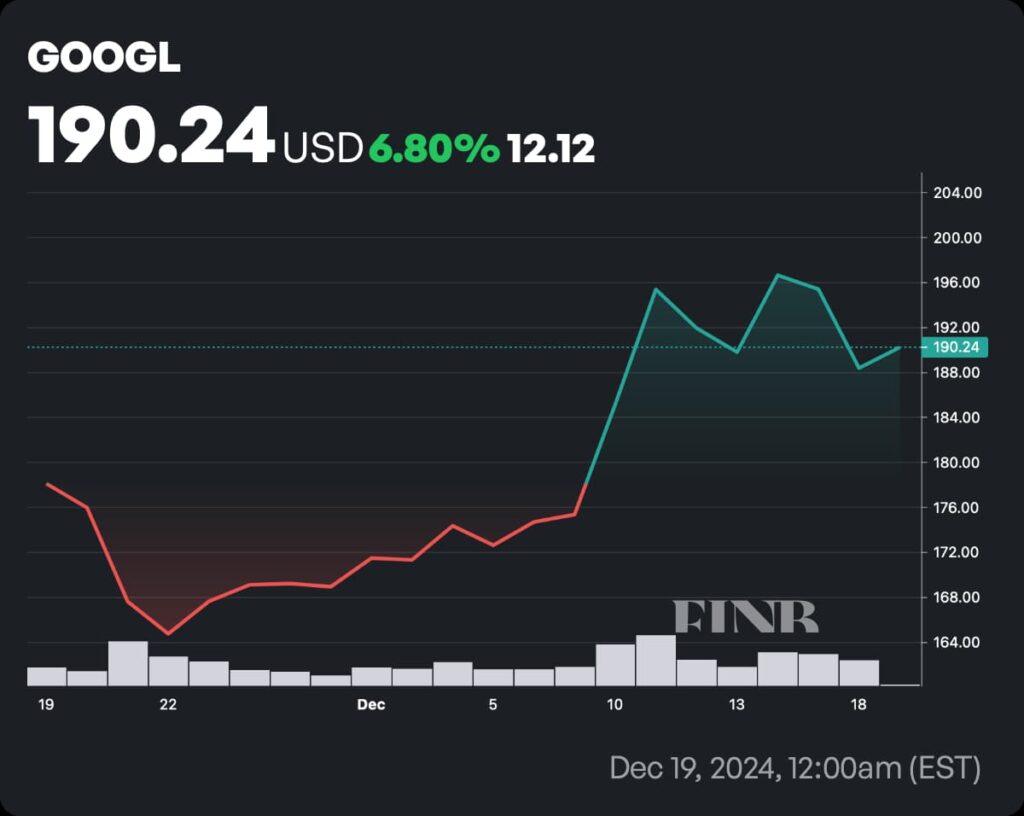
The stock market is a dynamic entity, and the price of a share like Alphabet’s fluctuates constantly throughout trading hours based on a myriad of factors. For investors seeking to understand or capitalize on these movements, a deep dive beyond the immediate numerical value is essential. This article will explore how to find Alphabet’s current stock price, dissect the unique structure of its shares, identify the key drivers behind its valuation, and offer insights into approaching it as part of a diversified investment strategy within the Money category.
Understanding Alphabet’s Dual-Class Stock Structure
One of the first unique aspects an investor encounters when researching Alphabet is its dual-class stock structure. Unlike most publicly traded companies that offer a single class of common stock, Alphabet issues two primary classes available to the public: Class A (GOOGL) and Class C (GOOG). This distinction is crucial for understanding the company’s governance and how different types of investors might approach its shares.
GOOGL (Class A): Voting Power for Public Investors
Class A shares, traded under the ticker symbol GOOGL, represent the traditional common stock with voting rights. Each GOOGL share typically grants its holder one vote per share on matters brought before shareholders, such as electing board members or approving corporate actions. While the voting power of individual public shareholders is diluted by the significant control retained by the founders through Class B shares (which are not publicly traded and carry 10 votes per share), GOOGL provides the closest avenue for retail investors to have a say in the company’s direction. Historically, GOOGL shares have traded at a slight premium or discount to GOOG shares, though this differential can fluctuate based on market dynamics and perceived value of voting rights.
GOOG (Class C): Non-Voting Shares, Often Preferred by Traders
Class C shares, identified by the ticker symbol GOOG, were created during a 2014 stock split. These shares are non-voting, meaning holders of GOOG stock do not have a say in company governance. The primary purpose of introducing Class C shares was to allow Alphabet to issue new equity for acquisitions, employee compensation, or capital raising without diluting the voting control of the founders. Because they lack voting rights, GOOG shares are often marginally more liquid and can appeal to traders and investors who are primarily interested in price appreciation and do not prioritize corporate governance participation. In practice, the price difference between GOOGL and GOOG is often negligible, as both track the same underlying economic value of Alphabet.
The Rationale Behind the Dual-Class System
The motivation behind Alphabet’s dual-class structure, mirrored by several other prominent tech giants, is primarily to allow the company’s founders, Larry Page and Sergey Brin, along with former CEO Eric Schmidt, to maintain long-term control over the company’s strategic direction. By holding a majority of the high-vote Class B shares, they can ensure that Alphabet’s long-term vision and culture are preserved, insulating the company from short-term market pressures or activist investor demands that might prioritize immediate profits over innovative, long-term projects. For investors, it means trusting in the vision and leadership of the founding team, as their influence remains paramount regardless of the public share ownership.
Factors Influencing Alphabet’s Stock Price
The daily price of Alphabet stock is a culmination of various forces, both internal to the company and external macroeconomic trends. Understanding these factors is key to interpreting price movements and making informed investment decisions within the financial markets.
Market Performance and Economic Indicators
The broader market environment plays a significant role. General economic health, reflected in metrics like GDP growth, inflation rates, interest rates set by central banks, and consumer confidence, can influence investor appetite for risk assets like stocks. During periods of economic expansion, investor optimism typically drives stock prices higher, while recessions or economic uncertainty often lead to pullbacks. Furthermore, the performance of major stock indices like the S&P 500 and Nasdaq Composite, which Alphabet is a significant component of, will invariably affect GOOGL/GOOG’s daily fluctuations.
Earnings Reports and Future Guidance
Alphabet’s quarterly earnings reports are pivotal events. These reports disclose the company’s financial performance, including revenue, net income, and earnings per share (EPS). Investors keenly scrutinize these figures against analyst expectations. Beating or missing these expectations, along with the company’s forward-looking guidance on future performance, can cause significant swings in the stock price. Key metrics for Alphabet include advertising revenue (Google Search & YouTube), Google Cloud revenue, and the performance of its “Other Bets” portfolio.
Innovation and Growth Sectors (AI, Cloud, Autonomous Driving)
Alphabet’s valuation is heavily tied to its perception as an innovation leader. Developments in artificial intelligence (AI), the growth trajectory of Google Cloud Platform (GCP), and advancements in its “Other Bets” like Waymo (autonomous driving) and Verily (life sciences) are crucial. Positive news, breakthrough technologies, or market leadership in these high-growth sectors can boost investor confidence and drive the stock price up. Conversely, setbacks or increased competition in these areas can have a negative impact. The market continuously assesses Alphabet’s ability to monetize its vast research and development investments.
Regulatory Scrutiny and Competitive Landscape
As a dominant force in several digital markets, Alphabet faces ongoing regulatory scrutiny worldwide, particularly regarding antitrust concerns, data privacy, and market dominance in search and advertising. Fines, new legislation, or forced changes to business practices resulting from these challenges can weigh heavily on the stock. Moreover, the competitive landscape—from rivals like Microsoft (Azure, Bing), Amazon (AWS), and Meta (advertising)—constantly pushes Alphabet to innovate and defend its market share. Any perceived loss of competitive edge can affect its valuation.
Broader Tech Sector Sentiment
Alphabet is deeply embedded within the technology sector. Therefore, sentiment towards the broader tech industry, often influenced by factors like interest rate expectations (which impact growth stock valuations more acutely), concerns over tech monopolies, or widespread shifts in investor preferences, can directly influence Alphabet’s stock price. A general rotation out of tech stocks into more value-oriented sectors, for instance, can lead to Alphabet’s shares declining even without specific negative news about the company itself.
Accessing Real-Time Stock Quotes and Historical Data
For current and prospective investors, knowing where to find reliable, real-time stock data for Alphabet is fundamental. The market is liquid and constantly updating, so access to accurate information is paramount for making timely decisions.
Reputable Financial Platforms and Brokers
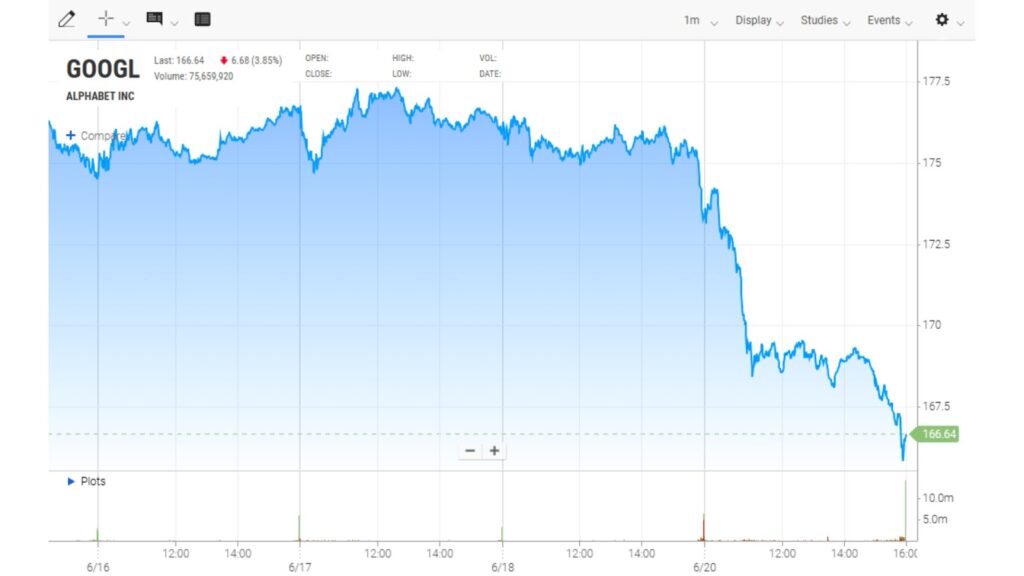
To find out “how much is Google stock today,” the easiest and most reliable method is to check a reputable financial news website or a brokerage platform. These platforms provide real-time or near real-time quotes, along with a wealth of other essential data:
- Major Financial News Sites: Websites like Yahoo Finance, Google Finance, Bloomberg, Reuters, and The Wall Street Journal all offer dedicated stock quote pages. Simply type in “GOOGL” or “GOOG” into their search bars.
- Brokerage Platforms: If you have an investment account with a broker (e.g., Fidelity, Charles Schwab, Robinhood, eToro), their platforms will provide the most direct access to current prices, often with advanced charting tools and direct trading capabilities.
- Stock Market Apps: Many mobile applications cater specifically to tracking stock prices and market news, offering convenience and alerts.
Understanding Key Metrics: Market Cap, P/E Ratio, Dividend (or lack thereof)
Beyond the raw price, several key metrics provide deeper insight into Alphabet’s valuation and financial health:
- Market Capitalization (Market Cap): This is the total value of all outstanding shares, calculated by multiplying the current stock price by the number of shares outstanding. It gives an idea of the company’s overall size.
- Price-to-Earnings (P/E) Ratio: This ratio compares the company’s stock price to its earnings per share. A higher P/E ratio often suggests investors expect higher future growth, but it can also indicate that a stock is expensive relative to its current earnings.
- Dividend Yield: Alphabet does not currently pay a dividend, which is common for growth-oriented tech companies that prefer to reinvest earnings back into the business for future expansion. Investors primarily seek capital appreciation rather than income.
- Volume: The number of shares traded in a given period indicates liquidity and investor interest.
Interpreting Stock Charts: Candlesticks, Volume, Moving Averages
Stock charts are powerful visual tools for understanding price trends over time. Learning to interpret basic chart elements can significantly enhance an investor’s ability to make informed decisions:
- Candlestick Charts: These show the open, close, high, and low prices for a specific period (e.g., a day, a week). The color of the candle indicates whether the price closed higher (green/white) or lower (red/black) than it opened.
- Volume: Typically displayed below the price chart, volume bars indicate the number of shares traded. High volume accompanying a price move suggests stronger conviction behind that move.
- Moving Averages: These lines smooth out price data to identify trends. Common moving averages include the 50-day and 200-day simple moving averages, which can act as support or resistance levels and signal shifts in momentum.
Investing in Alphabet: A Long-Term Perspective
For many investors, Alphabet represents a core holding within a diversified portfolio, especially for those seeking exposure to the growth potential of the digital economy. However, even for a company of Alphabet’s stature, a thoughtful investment approach is critical.
Why Google (Alphabet) Remains a Core Investment
Alphabet’s enduring appeal stems from several strategic advantages:
- Dominant Market Position: Google Search, Android, and YouTube command vast market shares, creating powerful network effects and significant barriers to entry for competitors.
- Diversified Revenue Streams: While advertising remains primary, the rapid growth of Google Cloud and the long-term potential of “Other Bets” offer diversification beyond core advertising.
- Innovation Engine: Alphabet consistently invests heavily in R&D, positioning itself at the forefront of emerging technologies like AI, quantum computing, and advanced robotics. This commitment to innovation fuels future growth.
- Strong Financials: The company typically maintains a strong balance sheet, generating substantial free cash flow, which provides resilience and flexibility for strategic investments and acquisitions.
The Importance of Diversification and Portfolio Strategy
While Alphabet is a robust company, no single stock should constitute an investor’s entire portfolio. Diversification across different companies, industries, asset classes (stocks, bonds, real estate), and geographies is crucial for managing risk. An investment in Alphabet should be considered as part of a broader, well-thought-out portfolio strategy that aligns with an individual’s financial goals, risk tolerance, and investment horizon. Over-reliance on any single stock, no matter how strong, exposes an investor to undue concentration risk.
Beyond Just the Stock Price: Fundamentals and Future Outlook
Savvy investors look beyond the daily stock price fluctuations. They delve into Alphabet’s fundamentals: its quarterly reports, annual shareholder letters, competitive positioning, management quality, and long-term strategic vision. They analyze how geopolitical events, technological shifts, and consumer behavior trends might impact the company’s future earnings power. The stock price is merely a reflection of current market sentiment and expectations; the underlying business strength and future potential are what truly drive long-term value.
Practical Steps to Monitor and Invest in Alphabet Stock
For those considering an investment in Alphabet, or simply wishing to stay informed, here are practical steps to take.
Choosing a Brokerage Account
The first step to investing in any public company stock is to open a brokerage account. There are numerous options, from traditional full-service brokers offering personalized advice to online discount brokers with lower fees and self-directed trading. Choose one that aligns with your investment style, budget, and desired level of support. Ensure the broker is regulated and offers access to major stock exchanges.
Researching Alphabet’s Financials
Before investing, conduct thorough due diligence. Access Alphabet’s investor relations website for official financial documents, including 10-K (annual report) and 10-Q (quarterly report) filings with the SEC. Read analyst reports from reputable financial institutions. Understand the company’s revenue segmentation, profit margins, debt levels, and cash flow generation. Pay attention to conference call transcripts where executives discuss performance and future outlook.
Placing a Buy Order: Market vs. Limit Orders
When you’re ready to buy, you’ll typically have two main order types:
- Market Order: This instructs your broker to buy shares immediately at the best available price. While quick, the execution price might vary slightly from what you saw moments before, especially in volatile markets.
- Limit Order: This allows you to specify the maximum price you’re willing to pay per share. Your order will only execute if the stock price drops to or below your specified limit. This offers more control over the entry price but might mean your order isn’t filled if the stock never reaches your limit.
For a stock like Alphabet, which is highly liquid, a market order is often acceptable for smaller trades, but a limit order can be beneficial during periods of high volatility or if you have a very specific price target.
Staying Informed About Market News
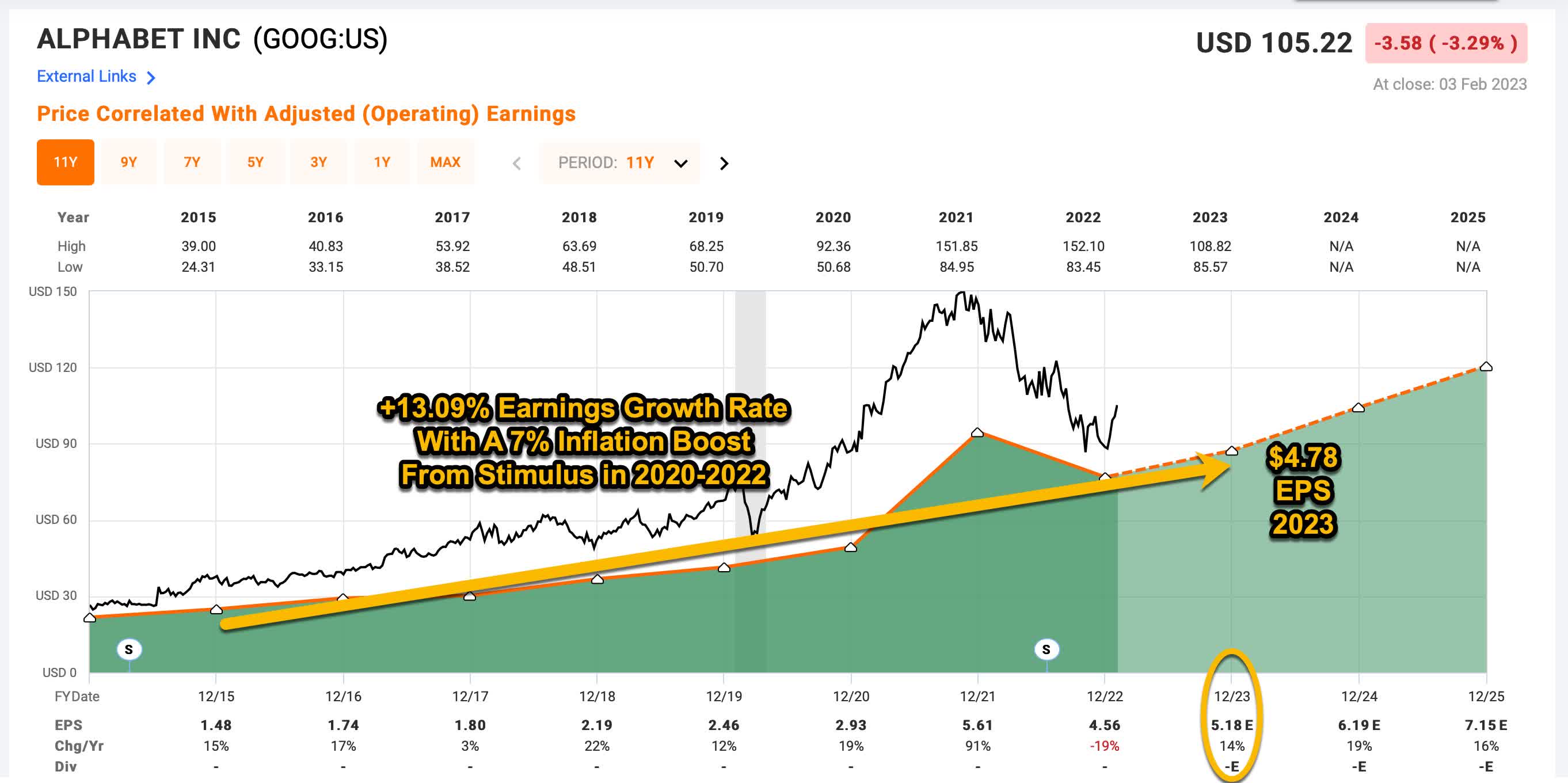
The stock market is constantly evolving, and staying informed is crucial for responsible investing. Subscribe to financial news outlets, follow reputable financial analysts, and set up alerts for Alphabet-specific news. Understand that short-term news can cause temporary price swings, but focus on how long-term trends and fundamental developments impact Alphabet’s intrinsic value.
In conclusion, asking “how much is Google stock today?” is the starting point of a more profound financial exploration. It leads to an understanding of a global tech giant’s unique share structure, the myriad factors that drive its valuation, and the practical steps involved in becoming an investor. For those navigating the complexities of personal finance and investing, Alphabet (GOOGL/GOOG) remains a compelling, albeit dynamic, component of the modern investment landscape, demanding continuous research, thoughtful strategy, and a long-term perspective.
aViewFromTheCave is a participant in the Amazon Services LLC Associates Program, an affiliate advertising program designed to provide a means for sites to earn advertising fees by advertising and linking to Amazon.com. Amazon, the Amazon logo, AmazonSupply, and the AmazonSupply logo are trademarks of Amazon.com, Inc. or its affiliates. As an Amazon Associate we earn affiliate commissions from qualifying purchases.