
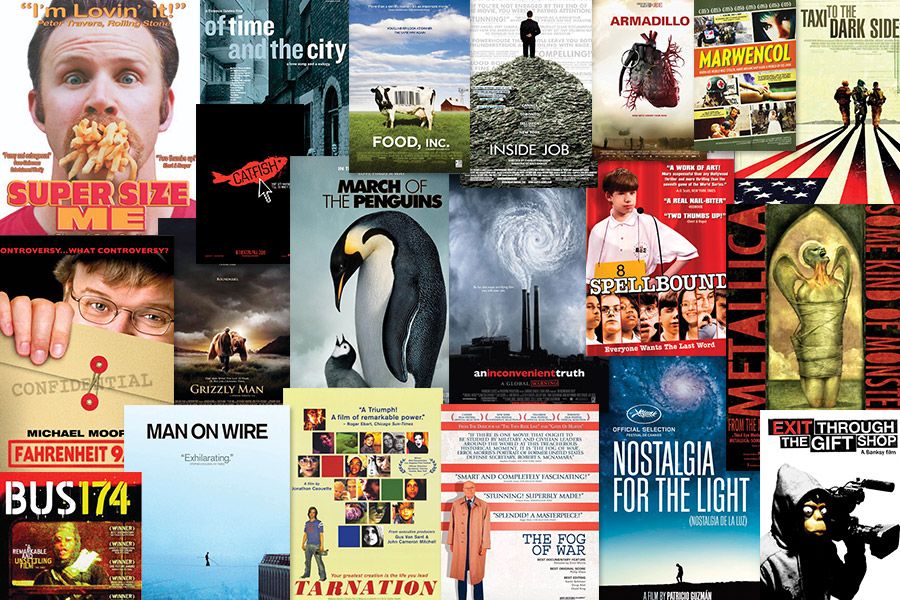
The traditional definition of a documentary—a non-fictional motion picture intended to document reality—has undergone a radical transformation in the digital age. While the core objective remains the pursuit of truth and the exploration of real-world subjects, the medium is now inextricably linked to the rapid advancement of technology. Today, a documentary is as much a product of high-end software, sophisticated AI tools, and digital distribution ecosystems as it is a product of journalistic integrity. To understand what a documentary movie is in the modern era, one must look through the lens of the technological innovations that have democratized production and revolutionized how we consume factual content.
The Technological Evolution of Documentary Production
The shift from analog film to digital formats was the first major technological pivot for the documentary genre. In the past, the high cost of celluloid and the bulkiness of cameras limited documentary filmmaking to well-funded studios or highly dedicated independents. Today, the definition of a documentary is shaped by the accessibility of professional-grade hardware and software.
High-Resolution Sensors and Computational Photography
Modern documentaries are defined by their visual fidelity. The move from 1080p to 4K, 8K, and even 12K resolution has allowed filmmakers to capture reality with unprecedented detail. Beyond raw resolution, the integration of high-dynamic-range (HDR) imaging allows for the documentation of environments—from deep underwater caves to high-contrast urban landscapes—that were previously impossible to capture accurately. Furthermore, the rise of “computational photography” within mirrorless camera systems enables solo filmmakers to achieve a cinematic look that once required a crew of ten.
Drone Technology and Remote Observation
The “bird’s eye view” used to be a luxury reserved for big-budget productions that could afford helicopter rentals. Now, LiDAR-equipped drones and stabilized gimbal systems have become standard tools in the documentary tech stack. This has birthed a sub-genre of environmental and architectural documentaries that rely on aerial mapping and remote sensing to tell stories about geography and climate change. These gadgets do not just record footage; they collect spatial data that can be translated into 3D models, providing a more comprehensive “document” of reality than ever before.
The Democratization of the Toolkit
A documentary today is often a “prosumer” achievement. With the advent of high-quality cameras on mobile devices and affordable stabilization tech, the barrier to entry has vanished. This technological democratization has shifted the genre’s focus from polished, high-budget narratives to raw, immediate, and “on-the-ground” digital reporting. The technology facilitates a faster turnaround from the event to the screen, making the documentary an agile tool for social commentary and breaking news.
Post-Production Powerhouses: Software and AI Integration
If the camera captures the “truth,” the post-production suite shapes the “narrative.” In the modern tech-centric view, a documentary is a complex data management project. The sheer volume of footage captured for a standard feature—often hundreds of hours—requires sophisticated software architectures to manage.
AI-Driven Editing and Transcription Tools
One of the biggest bottlenecks in documentary filmmaking has historically been the logging and transcription of interviews. Artificial Intelligence has fundamentally changed this. AI tools like Descript and Otter.ai allow filmmakers to transcribe hundreds of hours of audio in minutes. More impressively, “text-based editing” software allows editors to cut the video by simply deleting or moving text in the transcript. This AI-integrated workflow has reduced post-production timelines by months, allowing documentaries to remain relevant to current tech and social trends.
Archival Restoration via Machine Learning
Many documentaries rely on historical footage that is often degraded, grainy, or poorly recorded. Technologies such as Topaz Video AI and other machine learning upscaling tools are now used to restore archival “truth.” By using neural networks to fill in missing pixels and stabilize shaky hand-held footage from the 1960s, technology allows filmmakers to present history in a way that resonates with modern audiences used to high-definition visuals. This bridge between old data and new tech is a cornerstone of contemporary factual cinema.
Soundscapes and Spatial Audio
A documentary is not just seen; it is experienced. Digital Audio Workstations (DAWs) like Pro Tools and Ableton Live, combined with Dolby Atmos technology, allow documentary filmmakers to create immersive soundscapes. For nature documentaries, this means using directional microphones and AI noise-reduction software to isolate the sound of a rare animal while removing the hum of the camera crew. The technological ability to manipulate audio while maintaining its authenticity is a key component of what makes a modern documentary “real.”

Distribution Ecosystems: The Role of Apps and Algorithms
In the current digital economy, a documentary is also defined by how it is discovered and consumed. The transition from theatrical releases to streaming apps (VOD) and social video platforms has changed the very structure of non-fiction storytelling.
The Influence of Streaming Algorithms
Platforms like Netflix, Hulu, and Amazon Prime Video use sophisticated recommendation engines to categorize and promote documentary content. This “algorithmic curation” has created a boom in the “True Crime” and “Tech Exposé” genres. From a brand and tech perspective, documentaries are now designed to trigger engagement metrics. This has led to the rise of the “docuseries”—a fragmented, episodic version of the documentary movie designed to satisfy the “binge-watch” algorithms of modern streaming apps.
YouTube and the Rise of the Video Essay
The definition of a documentary has expanded to include the “video essay,” a format native to YouTube. Utilizing screen recording software, motion graphics, and fair-use archival clips, creators are producing high-impact documentaries from their home offices. These creators leverage SEO (Search Engine Optimization) and digital marketing strategies to reach millions, often outperforming traditional documentaries in terms of cultural impact. In this context, a documentary is a high-retention digital asset optimized for a specific platform’s player.
Interactive and VR Documentaries
The cutting edge of the genre lies in Virtual Reality (VR) and Augmented Reality (AR). These are not movies in the traditional sense but interactive digital environments. Using game engines like Unity or Unreal Engine, filmmakers create “volumetric documentaries” where the viewer can walk through a digital recreation of a war zone or a historical site. This shift from passive viewing to active “telepresence” represents the next phase of the documentary, where the “movie” becomes a piece of interactive software.
Digital Security and Ethics in the Age of Data
Because documentaries often deal with sensitive information, whistleblowers, and political unrest, the tech behind the movie must also include robust security protocols. The “what” of a documentary is increasingly defined by the “how” of its data protection.
Metadata Management and Source Protection
Modern documentary filmmakers must be experts in digital security. Protecting the identity of a source in a digital file requires more than just blurring a face; it requires the scrubbing of metadata (EXIF data) that could reveal GPS coordinates or timestamps. Software tools specifically designed for journalists are now a standard part of the documentary filmmaker’s kit, ensuring that the “truth” does not come at the cost of a source’s safety.
The Deepfake Dilemma
As we define what a documentary is, we must grapple with the technology that threatens its core: Deepfakes. AI-generated imagery and voice cloning have made it possible to fabricate “reality.” This has forced a new technological layer onto the documentary movie: digital verification and watermarking. Technologies like “Content Authenticity Initiatives” are being developed to create a digital trail for video files, proving that the footage was not tampered with. In the future, a documentary may be defined by its cryptographic proof of authenticity.
Conclusion: The Documentary as a Tech-Driven Narrative
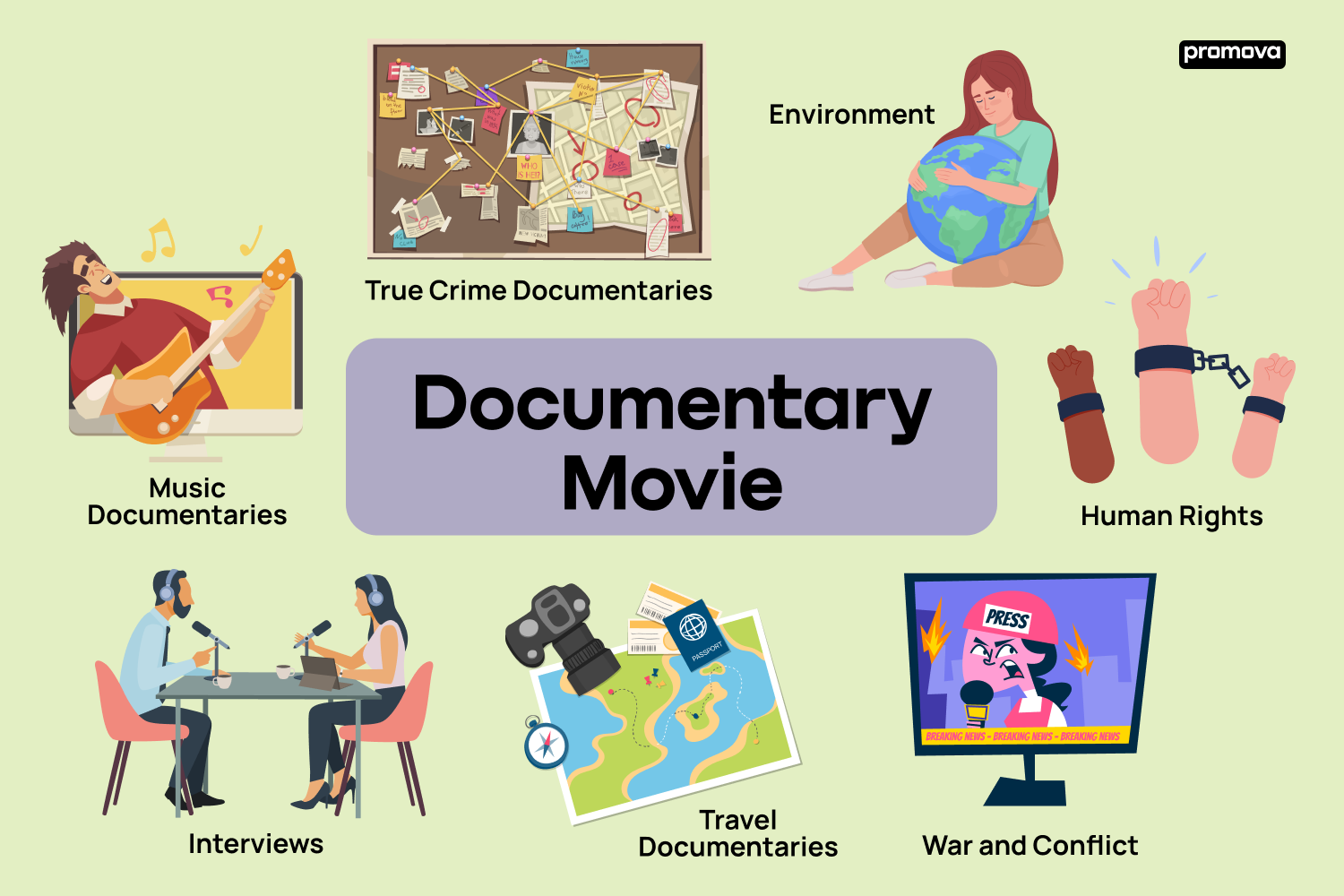
A documentary movie is no longer just a “film.” It is a sophisticated synthesis of high-resolution data capture, AI-enhanced post-production, and algorithmic distribution. It is a medium that uses the most advanced tools available—from drones and 8K sensors to machine learning and VR—to decode the complexities of our world.
As technology continues to evolve, the line between the observer and the observed will blur further. Whether it is a 90-minute feature on a streaming app, a 15-minute video essay on a digital platform, or a fully immersive VR experience, the documentary remains our most vital tool for understanding reality. However, its future is undeniably digital. To answer “what is a documentary movie” today is to describe a high-tech pursuit of truth, powered by an ever-expanding suite of digital tools designed to capture, edit, and share the human experience with clinical precision and cinematic emotion.
aViewFromTheCave is a participant in the Amazon Services LLC Associates Program, an affiliate advertising program designed to provide a means for sites to earn advertising fees by advertising and linking to Amazon.com. Amazon, the Amazon logo, AmazonSupply, and the AmazonSupply logo are trademarks of Amazon.com, Inc. or its affiliates. As an Amazon Associate we earn affiliate commissions from qualifying purchases.