
In the landscape of professional employment and business finance, the notice period is far more than a simple calendar countdown. It represents a critical bridge between two financial states, serving as a protective mechanism for both the individual’s personal cash flow and the organization’s operational stability. Understanding what a notice period means requires a deep dive into contract law, financial planning, and the economic value of human capital. At its core, the notice period is the contractually mandated timeframe between the formal announcement of a departure and the actual cessation of employment and its associated salary.

For the professional, this period is a vital window for financial recalibration. For the business, it is a strategic interval designed to mitigate the high costs of turnover. Navigating this phase with financial literacy is essential for maintaining long-term wealth and professional reputation.
Understanding the Financial Impact of Notice Periods on Personal Wealth
The most immediate implication of a notice period is the guarantee of continued income. In an era where financial volatility is a constant threat, the notice period acts as a built-in insurance policy. It ensures that the transition from one revenue stream to another is seamless, preventing the “income gaps” that can devastate a personal budget or derail long-term investment strategies.
The Continuity of Cash Flow
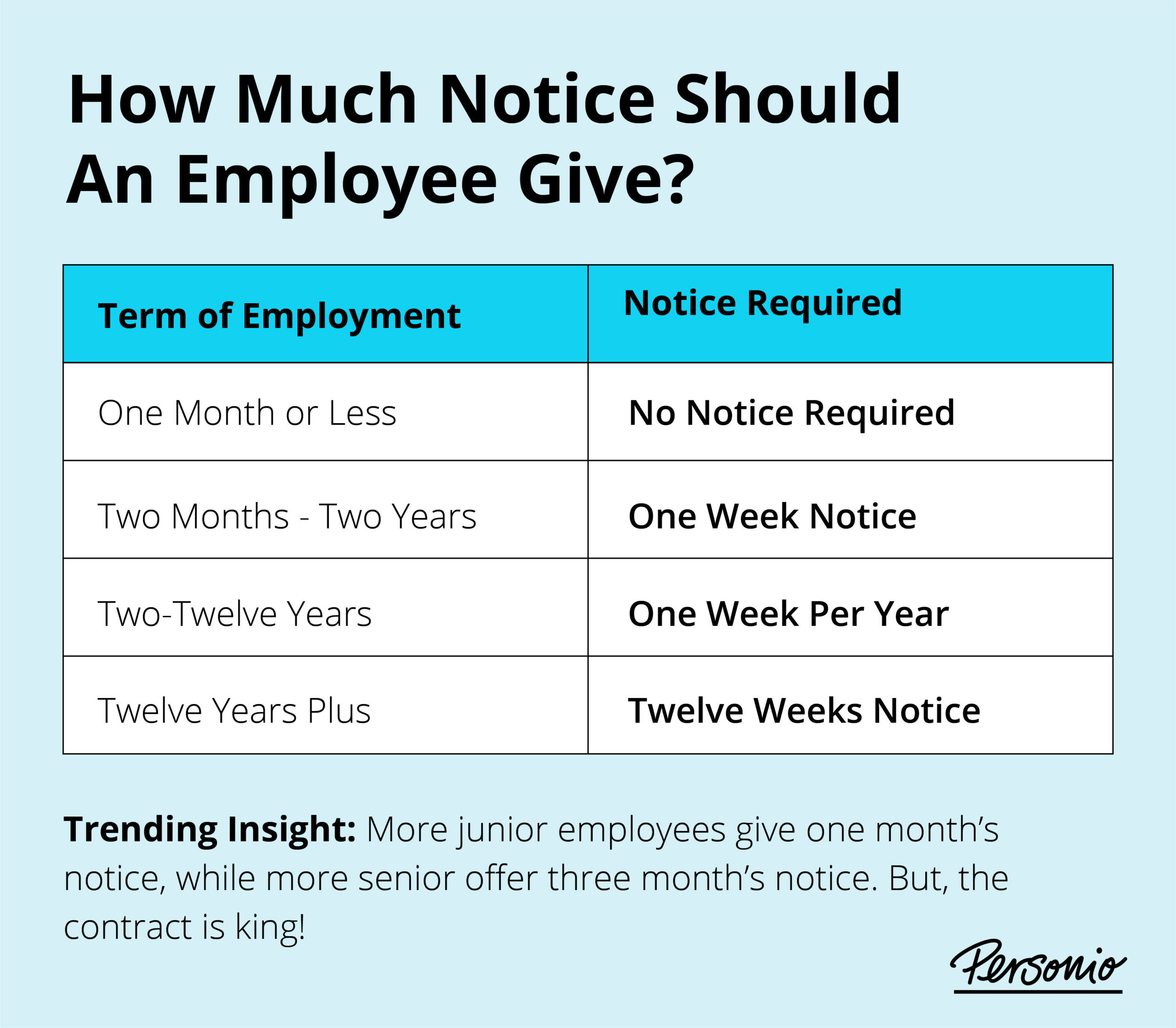
Most employment contracts specify a notice period ranging from two weeks to six months, depending on the seniority of the role and the local jurisdiction. During this time, the employee remains on the payroll, receiving their standard base salary and benefits. This predictability allows the individual to manage their monthly obligations—mortgages, insurance premiums, and investment contributions—without interruption. From a personal finance perspective, the notice period is a period of “low-risk liquidity,” where the primary goal is to secure the next financial anchor before the current one is lifted.
Tax Implications and Final Settlements
The end of a notice period often triggers a “final settlement” or “terminal pay.” This is a complex financial event that includes the payout of accrued but unused vacation time, pro-rated bonuses, and sometimes severance. Understanding how this lump sum is taxed is crucial. In many tax jurisdictions, a large final payment can temporarily push an individual into a higher tax bracket, potentially leading to a smaller-than-expected net take-home pay. Proactive financial planning involves calculating these figures in advance to determine if additional contributions to retirement accounts or other tax-sheltered vehicles are necessary to offset the liability.
Negotiating Buyouts and Garden Leave
In high-stakes corporate finance or senior executive roles, the notice period may take the form of “Garden Leave.” This is a unique financial arrangement where the employee is paid their full salary and benefits but is prohibited from reporting to work or joining a competitor. For the individual, this is a significant financial windfall—essentially a paid sabbatical that allows for personal development or rest without sacrificing income. Conversely, a “buyout” occurs when an employer pays the employee a lump sum to waive the notice period and leave immediately. Evaluating a buyout offer requires a careful comparison between the immediate cash injection and the loss of continued benefits like health insurance and employer-coordinated retirement contributions.
The Economics of the Notice Period for Business Finance
From the perspective of business finance, the notice period is a tool for risk management. The departure of a key employee is a financial liability; it represents a loss of institutional knowledge, a potential disruption in client relationships, and the onset of significant recruitment costs.
Cost of Turnover and Replacement
The true cost of losing an employee often ranges from 50% to 200% of their annual salary. This includes the direct costs of recruitment—job board fees, headhunter commissions, and interview hours—and the indirect costs of lost productivity. The notice period serves to amortize these costs. By requiring a period of notice, the company buys time to initiate the recruitment process while the departing employee is still generating value. This overlap minimizes the “vacancy gap,” during which a role remains unfilled but the overhead costs of the department remain constant.

Knowledge Transfer and Operational ROI
A well-utilized notice period focuses on the transfer of “soft” and “hard” assets. If an employee leaves without a proper handover, the business suffers a financial loss in the form of decreased efficiency. When a departing staff member spends their final weeks documenting processes, training a successor, or transitioning client accounts, they are essentially protecting the company’s return on investment (ROI). Financial controllers often view the salary paid during a notice period as a “transition tax”—a necessary expense to ensure that the revenue-generating activities of the role do not falter.
Mitigating Risks to Intellectual Property and Revenue
In sectors like fintech, software development, or investment banking, a notice period serves as a cooling-off phase. It prevents an individual from immediately taking sensitive financial data or strategic blueprints to a competitor. By maintaining the employment relationship for a set period, the company can audit access logs, secure proprietary software, and reinforce non-compete or non-solicitation agreements. The cost of the salary during this time is negligible compared to the potential financial devastation caused by the loss of trade secrets or the poaching of high-value clients.
Strategic Financial Planning During a Notice Period
When you enter a notice period, your financial priorities must shift from growth to stability and transition management. This is the time to audit your “career balance sheet” and ensure that no money is left on the table.
Budgeting for the Gap
Even with a new job offer in hand, there is often a discrepancy between the final paycheck of the old job and the first paycheck of the new one. This “transition gap” can be two to four weeks long depending on payroll cycles. During the notice period, it is wise to increase your liquid savings. Reviewing your emergency fund ensures that if the new role has a “probationary period” with different benefit structures, you are financially insulated.
Managing Employee Benefits and Equity
One of the most overlooked aspects of the notice period is the status of unvested equity, such as Stock Options or Restricted Stock Units (RSUs). Most equity agreements state that vesting ceases on the last day of employment. If a significant vesting cliff is approaching just weeks after your intended departure date, it may be financially prudent to negotiate an extension of the notice period or a later start date with the new employer. Furthermore, understanding the transition of health savings accounts (HSAs), flexible spending accounts (FSAs), and 401(k) loans is vital. For example, some 401(k) loans must be repaid in full upon termination, or they will be treated as a taxable distribution, carrying heavy penalties.
Leveraging the Period for Skill Monetization
For those transitioning into the “gig economy” or starting a side hustle, the notice period provides a low-risk environment to finalize a business plan or secure the first few independent clients. While you must remain dedicated to your current employer’s requirements to fulfill your contractual duty, the mental shift allows you to begin viewing your skills as a portable financial asset rather than just a component of a corporate identity.
Legal and Contractual Obligations: Protecting Your Financial Interest
The “notice period” is fundamentally a legal construct with deep financial consequences. Failure to adhere to the terms of the notice period can lead to legal disputes that are costly and damaging to one’s professional brand.
Payment in Lieu of Notice (PILON)
Many contracts contain a PILON clause. This allows the employer to terminate the contract immediately by paying the employee the salary they would have earned during the notice period. From a financial standpoint, PILON is often preferred by employers who want to move quickly, but for the employee, it requires a quick transition. It is important to ensure that a PILON payment includes not just base salary, but also the value of benefits and pension contributions that would have accrued, to ensure you are truly “made whole.”
Clawback Clauses and Signing Bonuses
The notice period is often the “trigger event” for clawback clauses. If you received a signing bonus or relocation assistance within a certain timeframe (usually 12–24 months), resigning may require you to pay back a prorated portion of those funds. Before submitting a resignation and entering the notice period, you must calculate these potential liabilities. In many cases, a new employer may be willing to provide a “sign-on bonus” specifically to cover these clawback costs, but this must be negotiated before the notice period begins.
In conclusion, the notice period is a sophisticated financial instrument that balances the needs of the individual and the organization. It provides the employee with the security of continued income and the time to manage complex benefit transitions, while offering the employer a buffer against the high costs of turnover and the risks of operational disruption. By approaching the notice period with a focus on financial strategy rather than just a “countdown to exit,” professionals can secure their wealth and businesses can protect their bottom line during the inevitable cycles of career movement.
aViewFromTheCave is a participant in the Amazon Services LLC Associates Program, an affiliate advertising program designed to provide a means for sites to earn advertising fees by advertising and linking to Amazon.com. Amazon, the Amazon logo, AmazonSupply, and the AmazonSupply logo are trademarks of Amazon.com, Inc. or its affiliates. As an Amazon Associate we earn affiliate commissions from qualifying purchases.