
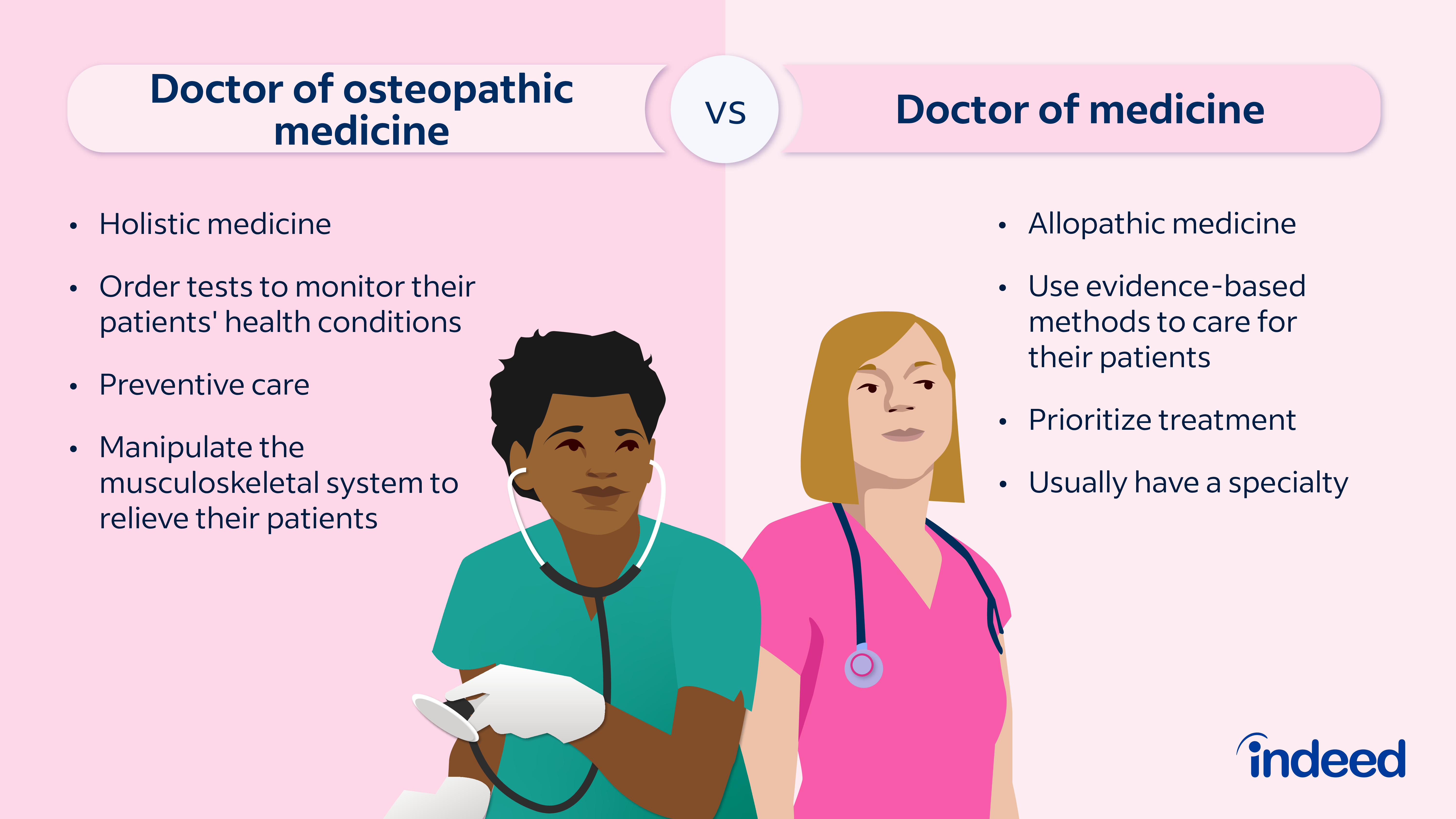
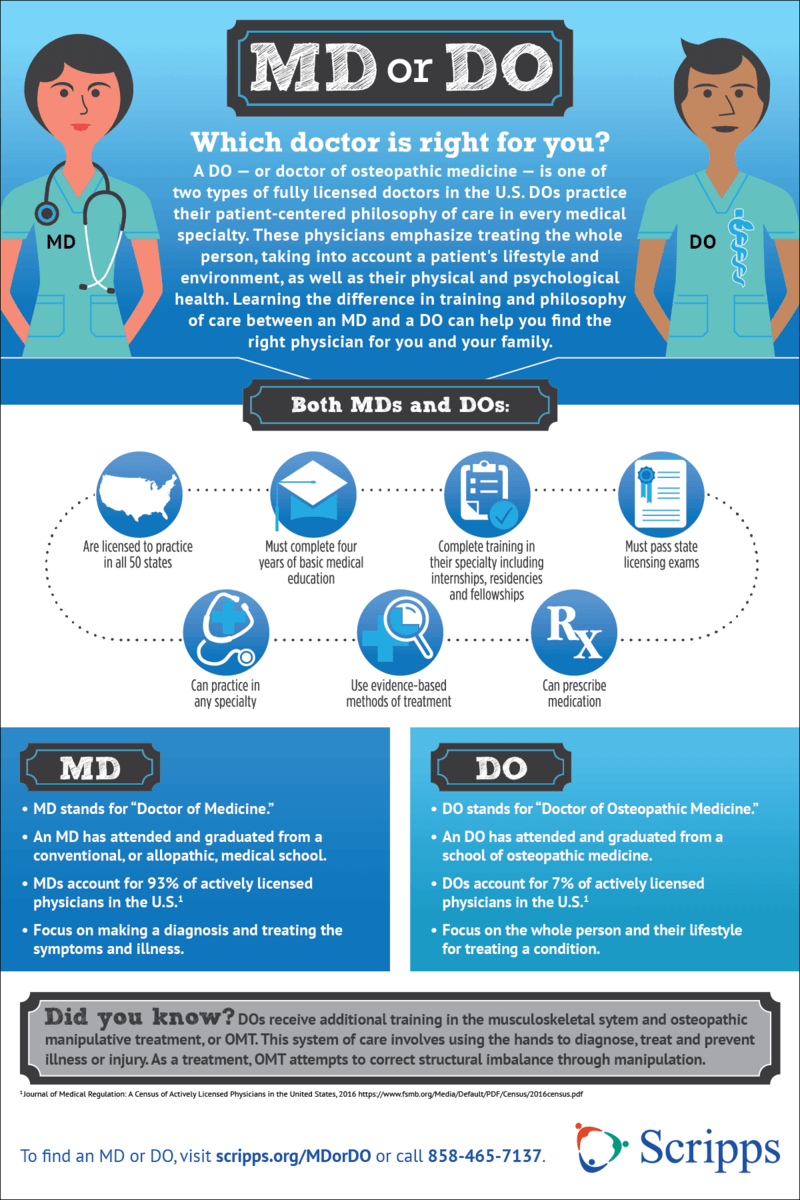
The medical field is a labyrinth of specialized terms, and one that often sparks curiosity is the “D.O.” degree. When you see “Doctor of Osteopathic Medicine” or “D.O.” attached to a physician’s name, it signifies a distinct and comprehensive approach to healthcare. Unlike their M.D. counterparts, D.O.s undergo training that uniquely blends traditional Western medicine with a holistic philosophy emphasizing the interconnectedness of the body’s systems. This article will delve into what it means to be a D.O. doctor, exploring their rigorous training, distinct treatment philosophy, and the breadth of their contributions across various medical specialties.
The Foundation of Osteopathic Medicine: A Holistic Approach
At its core, osteopathic medicine is built upon a profound understanding of the body as a dynamic, integrated unit. This philosophy, pioneered by Andrew Taylor Still in the late 19th century, posits that the musculoskeletal system – bones, muscles, and connective tissues – plays a crucial role in maintaining health and is intrinsically linked to all other bodily functions. While Western medicine often focuses on treating disease symptoms, osteopathic medicine seeks to identify and address the root causes of illness by considering the patient as a whole person – encompassing their physical, emotional, and social well-being.
Principles Guiding Osteopathic Care
Several foundational principles underpin the practice of osteopathic medicine:
- The Body is a Unit: This principle emphasizes that all body systems are interconnected and interdependent. A problem in one area can affect others. For example, a spinal misalignment could impact nerve function, circulation, or even organ health.
- The Body is Capable of Self-Healing and Self-Regulation: Osteopathic physicians believe in the body’s innate ability to heal and maintain balance. Their role is to support and enhance these natural processes.
- Structure and Function are Reciprocally Interrelated: This is a cornerstone of osteopathic practice. The physical structure of the body directly influences its function, and vice versa. If a joint is restricted, it can impede blood flow or nerve transmission, leading to dysfunction.
- Rational Treatment is Based upon These Principles: Osteopathic treatment is designed to restore structural integrity and support the body’s natural healing mechanisms.
This holistic perspective influences how D.O.s diagnose and treat patients, often leading to a more personalized and comprehensive care plan.
Training and Education: A Dual Approach
The journey to becoming a D.O. doctor is as rigorous as that of their M.D. counterparts, with a significant emphasis on a unique set of skills and knowledge.
The Osteopathic Medical School Curriculum
Osteopathic medical schools offer a curriculum that mirrors that of allopathic (M.D.) medical schools, covering the full spectrum of basic sciences and clinical rotations. Students receive comprehensive education in anatomy, physiology, pharmacology, pathology, and all major medical specialties.
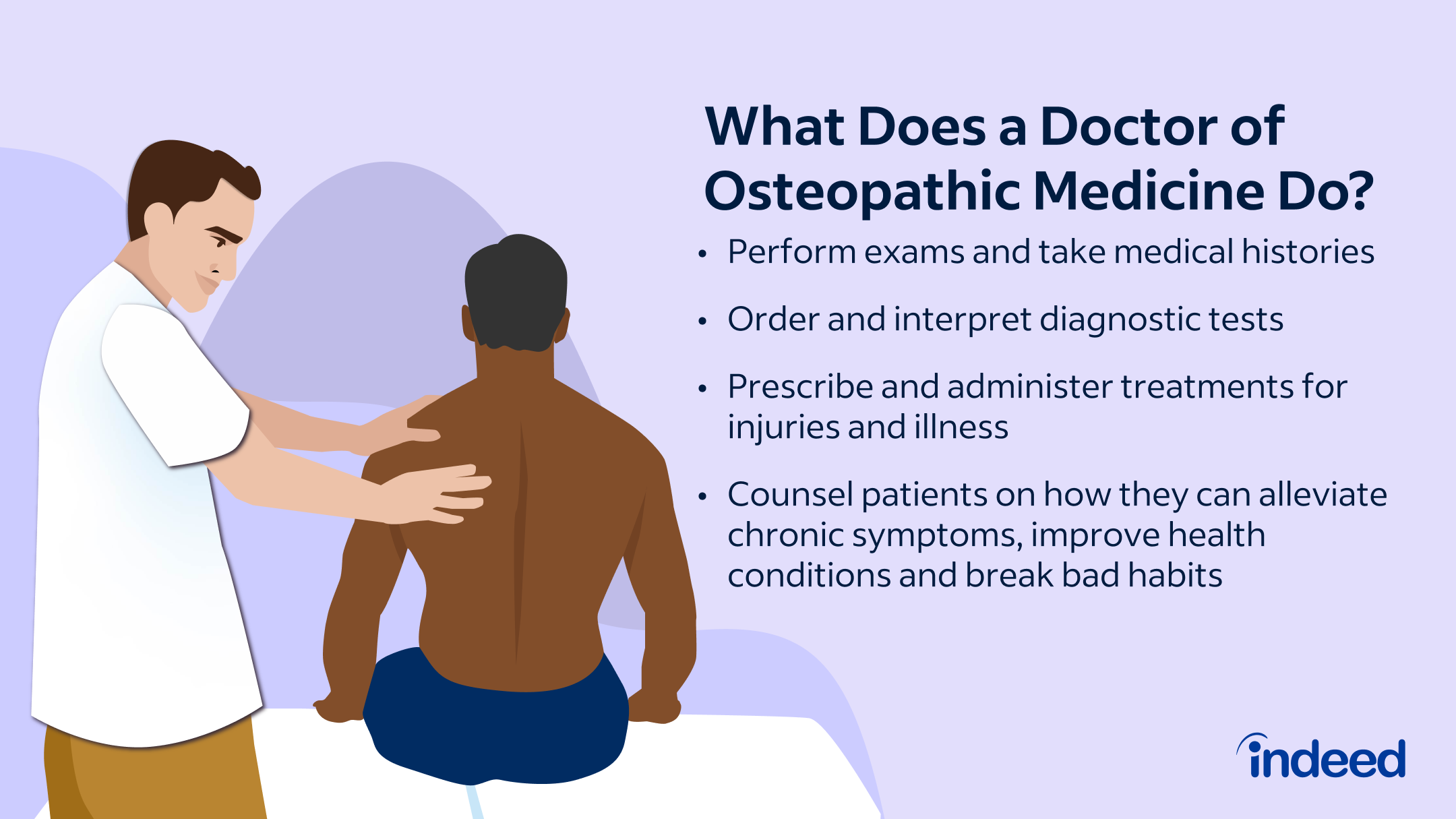
However, a key differentiator lies in the inclusion of Osteopathic Manipulative Treatment (OMT). This hands-on approach involves a variety of techniques to diagnose, treat, and prevent illness or injury by moving muscles and joints using stretching, gentle pressure, and resistance. OMT is not a standalone treatment but rather an integral part of the osteopathic medical approach, used in conjunction with conventional medical treatments.
Clinical Rotations and Residency
Following medical school, D.O. graduates complete internships and residencies in hospitals and clinics. These postgraduate training programs are accredited by the Accreditation Council for Graduate Medical Education (ACGME), the same body that accredits M.D. residency programs. This means that D.O.s and M.D.s often train side-by-side in various specialties, further blurring the lines of their practical application.
Crucially, D.O.s are licensed to practice the full scope of medicine and surgery in all 50 U.S. states and many countries worldwide. They can prescribe medication, perform surgery, and specialize in any area of medicine, from pediatrics and cardiology to surgery and neurology.
Osteopathic Manipulative Treatment (OMT): The Distinctive Skill
Osteopathic Manipulative Treatment (OMT) is the hallmark of osteopathic medicine and a primary distinguishing factor in D.O. training. It’s not a massage or chiropractic care, but rather a diagnostic and therapeutic tool that utilizes the physician’s hands to assess and treat somatic dysfunction.
What is Somatic Dysfunction?
Somatic dysfunction is a term used in osteopathic medicine to describe impaired or altered function of the body’s framework – the somatic system. This can manifest as:
- Tissues in a state of abnormal tension: Muscles might be overly tight, restricted, or spasming.
- Restricted Range of Motion: Joints may have limited movement due to muscle tension, fascial restrictions, or joint misalignments.
- Asymmetrical Function: The body may not be moving or functioning symmetrically.
These dysfunctions can arise from various causes, including injury, repetitive motion, poor posture, or even illness.
How OMT Works
OMT techniques are designed to address somatic dysfunction by:
- Improving Circulation: Gentle manipulation can help release restricted tissues, allowing for better blood flow and oxygenation to affected areas.
- Enhancing Nerve Function: By addressing structural restrictions that may be compressing nerves, OMT can improve nerve signal transmission.
- Promoting Lymphatic Drainage: Specific techniques can assist the lymphatic system in removing waste products and reducing inflammation.
- Reducing Pain and Muscle Spasms: OMT can alleviate muscle tension and spasms, leading to pain relief.
- Restoring Joint Mobility: By releasing restrictions around joints, OMT can improve their range of motion and overall function.
The beauty of OMT lies in its gentle yet effective nature. It empowers the body’s own healing mechanisms by restoring proper biomechanics. A D.O. might use OMT to address back pain, headaches, carpal tunnel syndrome, menstrual pain, or even assist in recovery from injuries.
D.O.s in Practice: Versatility and Impact
The comprehensive training and distinct philosophical approach of osteopathic medicine equip D.O.s to excel in a wide array of medical fields. Their holistic perspective often allows them to provide particularly effective care for patients with complex or chronic conditions.
Specializations and Subspecialties
Just like M.D.s, D.O.s can pursue any medical specialty they choose. This means you’ll find D.O.s working as:
- Primary Care Physicians: Family physicians, internists, and pediatricians who provide comprehensive healthcare for individuals and families.
- Surgeons: General surgeons, orthopedic surgeons, neurosurgeons, and more, performing life-saving procedures.
- Cardiologists: Diagnosing and treating heart conditions.
- Neurologists: Managing disorders of the brain and nervous system.
- Dermatologists: Specializing in skin health.
- Oncologists: Treating cancer.
- Psychiatrists: Addressing mental health conditions.
- And countless other specialties.
The unique osteopathic training can often bring an added dimension to these specialties, offering a more integrated approach to patient care. For instance, a D.O. cardiologist might consider the impact of musculoskeletal issues on a patient’s cardiovascular health, while a D.O. surgeon might utilize OMT to aid in post-operative recovery.
The Future of Osteopathic Medicine
Osteopathic medicine continues to grow in prominence. With over 135,000 active D.O. physicians in the United States, representing more than 11% of all physicians, their impact on healthcare is undeniable. The emphasis on patient-centered, holistic care aligns perfectly with the evolving landscape of healthcare, which increasingly prioritizes preventative medicine and personalized treatment plans. As the field of medicine advances, the principles and practices of osteopathic medicine are likely to become even more integral to providing well-rounded and effective patient care. Understanding what a D.O. doctor is, therefore, is crucial for patients seeking comprehensive and integrated healthcare solutions.
aViewFromTheCave is a participant in the Amazon Services LLC Associates Program, an affiliate advertising program designed to provide a means for sites to earn advertising fees by advertising and linking to Amazon.com. Amazon, the Amazon logo, AmazonSupply, and the AmazonSupply logo are trademarks of Amazon.com, Inc. or its affiliates. As an Amazon Associate we earn affiliate commissions from qualifying purchases.