
Dioctyl phthalate (DOP), also known as di(2-ethylhexyl) phthalate (DEHP), stands as one of the most widely utilized plasticizers globally. While its chemical structure and function as an additive to enhance flexibility and durability in plastics are foundational, its true significance unfolds within the intricate web of global commerce, industrial economics, and investment landscapes. Understanding “what is dioctyl phthalate” from a financial lens involves delving into its market dynamics, impact on various industries, regulatory pressures, and the strategic implications for businesses and investors worldwide.
DOP’s Market Presence and Economic Role in Global Industries
The economic footprint of dioctyl phthalate is substantial, primarily due to its critical role in the production of polyvinyl chloride (PVC) products. As a plasticizer, DOP integrates into PVC polymers, imparting properties like flexibility, elasticity, and processability that are essential for countless applications. Its widespread adoption stems from a favorable cost-benefit ratio, offering high performance at a relatively low price point compared to many alternatives.

Global Production and Consumption Trends
The production of DOP is a significant segment of the broader chemical manufacturing industry. Global demand is driven by the robust growth of sectors that rely heavily on plasticized PVC. Regions with expanding infrastructure development, such as Asia-Pacific, particularly China and India, are major consumers, fueling both production and import activities. Market analysis frequently tracks DOP production capacity, utilization rates, and inventory levels as indicators of economic health in downstream industries. Shifts in these metrics can signal broader economic trends, supply chain pressures, or emerging regulatory impacts. Financial performance of chemical companies with significant DOP portfolios is intrinsically linked to these global production and consumption dynamics, influencing revenue streams, profit margins, and investment attractiveness.
Price Volatility and Supply Chain Dynamics
The pricing of DOP is subject to the volatility of its primary feedstocks, notably 2-ethylhexanol and phthalic anhydride, which in turn are linked to crude oil prices. Fluctuations in these raw material costs directly impact the profitability of DOP manufacturers and, subsequently, the cost structures of industries that purchase it. Companies operating in this space must employ sophisticated hedging strategies and long-term procurement contracts to mitigate price risks. Furthermore, the global supply chain for DOP is susceptible to geopolitical events, trade policies, and logistical disruptions, all of which can lead to price spikes or shortages, creating significant financial challenges for businesses reliant on a stable supply. Managing these dynamics is a core component of supply chain finance and risk management for many industrial players.
Industry Dependence and Financial Impact
DOP’s versatility has made it indispensable across a spectrum of industries, directly influencing their operational costs, product development, and market competitiveness. Any shift in DOP availability, cost, or regulatory status sends ripples through these interconnected sectors, necessitating strategic financial planning and adaptation.
Key Sectors Reliant on DOP
The construction sector, automotive industry, medical device manufacturing, and consumer goods (e.g., cables, flooring, artificial leather) represent major end-users of DOP-plasticized PVC.
- Construction: PVC pipes, electrical cables, roofing membranes, and window frames benefit from DOP’s plasticizing properties, contributing to their durability and flexibility, essential for long-term infrastructure investments. The financial health of construction material suppliers is tied to stable and cost-effective access to plasticizers.
- Automotive: Interior components such as dashboards, door panels, and wiring harnesses utilize plasticized PVC for flexibility, resistance to wear, and aesthetic appeal. Cost control in material sourcing directly impacts the automotive industry’s notoriously thin profit margins.
- Medical Devices: Tubing, blood bags, and catheters often use plasticized PVC due to its biocompatibility and flexibility. However, this is also a highly regulated sector where concerns over leachate have driven a significant push towards alternative plasticizers, forcing substantial R&D investments and retooling costs for manufacturers.
- Consumer Goods: A vast array of everyday items, from footwear to stationery, incorporate DOP, benefiting from its cost-effectiveness in achieving desired material properties. Retail pricing and consumer affordability can be indirectly influenced by DOP’s market dynamics.
Cost Efficiencies and Performance Advantages
For decades, DOP has offered unparalleled cost efficiencies, enabling manufacturers to produce high-performance, durable, and flexible products at competitive prices. Its ease of processing reduces energy consumption and manufacturing complexity, translating into lower operational costs and higher production throughput. These financial advantages have allowed industries to achieve economies of scale, drive innovation in product design, and expand market access by making products more affordable for end-consumers. For businesses, the ability to leverage DOP has often meant a stronger competitive position and healthier profit margins.
Disruptions and Material Substitution Costs
While DOP has provided significant financial benefits, increasing scrutiny over its potential health and environmental impacts has led to a strategic shift towards non-phthalate plasticizers. This transition, while necessary for compliance and consumer safety, involves substantial financial outlays. Companies must invest heavily in:
- Research and Development (R&D): To identify, test, and validate alternative plasticizers and reformulate existing products.
- Retooling and Manufacturing Adjustments: Adapting production lines and processes to accommodate new materials.
- Regulatory Compliance: Navigating complex and evolving global regulations, including extensive testing and certification.
- Supply Chain Overhauls: Establishing new supply agreements for alternative raw materials, which may come at a premium price.
These costs directly impact a company’s balance sheet, potentially reducing short-term profitability but ensuring long-term market access and brand reputation. For investors, understanding a company’s strategy for phthalate substitution is critical for assessing future financial viability and sustainability.

Regulatory Landscape and Investment Considerations
The regulatory environment surrounding DOP is a critical factor influencing its market trajectory and investment appeal. Global health and environmental concerns have led to restrictions and bans in various regions, compelling industries to adapt and innovate.
Navigating Environmental and Health Regulations
Regulatory bodies worldwide, such as the European Union (EU) through REACH (Registration, Evaluation, Authorisation and Restriction of Chemicals), the U.S. Environmental Protection Agency (EPA), and various national agencies, have implemented or are considering restrictions on DOP, particularly in sensitive applications like toys, medical devices, and childcare articles. These regulations aim to mitigate potential health risks, such as endocrine disruption. For businesses, compliance is not merely a legal obligation but a significant financial undertaking, involving:
- Product Reformulation: Developing and switching to approved alternatives.
- Testing and Certification: Extensive analytical work to prove compliance.
- Supply Chain Due Diligence: Ensuring all upstream suppliers adhere to new standards.
- Market Restrictions: Loss of access to markets where non-compliant products are banned.
The financial implications extend from increased R&D spending to potential market share losses if adaptation is slow.
Financial Risks and Compliance Costs
The risk of non-compliance with DOP regulations can be severe, ranging from hefty fines and product recalls to reputational damage and legal liabilities. Companies must allocate significant portions of their operational budgets to regulatory affairs, risk management, and quality control. For publicly traded companies, a failure to anticipate or respond effectively to regulatory shifts can negatively impact stock performance and investor confidence. Conversely, companies that proactively invest in sustainable alternatives and transparent communication can build stronger brand equity and attract ESG (Environmental, Social, and Governance) focused investors. The cost of compliance, therefore, is an ongoing financial imperative that requires strategic oversight from the C-suite.
Investment Opportunities in DOP Production or Alternatives
The evolving landscape presents a bifurcated investment opportunity. While some investors might view traditional DOP production as a declining asset due to regulatory pressures, others might see opportunities in regions with less stringent regulations or in specialized industrial applications where DOP remains permissible and cost-effective. More significantly, there’s a burgeoning investment appetite for companies innovating in the field of non-phthalate plasticizers. This includes:
- Specialty Chemical Manufacturers: Companies developing and commercializing alternatives like DOTP (dioctyl terephthalate), citrates, or polymeric plasticizers. These firms often command higher valuations due to their intellectual property and market growth potential.
- R&D Focused Firms: Startups and established companies engaged in green chemistry and sustainable material science, offering solutions for a phthalate-free future.
- Recycling and Circular Economy Initiatives: Investments in technologies that can recycle plasticized PVC, reducing reliance on virgin materials and potentially mitigating environmental concerns.
Investors are increasingly prioritizing companies with clear strategies for sustainability, compliance, and innovation in this sector, viewing them as better positioned for long-term growth and resilience.
Strategic Business Implications and Future Outlook
The trajectory of dioctyl phthalate underscores the broader theme of balancing economic imperatives with health and environmental responsibilities. For businesses, this translates into strategic decisions that shape their future market position and financial health.
Diversification and R&D Investments
Forward-thinking companies are strategically diversifying their plasticizer portfolios, reducing over-reliance on a single compound like DOP. This involves continuous R&D investment into a range of alternative plasticizers that offer comparable performance characteristics while adhering to evolving regulatory standards. Financially, these investments are long-term plays, aiming to secure future revenue streams and mitigate risks associated with regulatory bans or shifts in consumer preferences. Companies that fail to invest in diversification risk becoming obsolete in markets demanding greener, safer product solutions.
Market Adaptability and Competitive Positioning
The ability to adapt quickly to changes in the DOP market is a key determinant of competitive advantage. This includes agile supply chain management, rapid product reformulation capabilities, and proactive engagement with regulatory bodies. Companies that can swiftly transition to non-phthalate alternatives without significant cost increases or performance compromises gain a competitive edge, often leading to increased market share and pricing power. Conversely, those that lag risk losing customers to more adaptable competitors, impacting their financial performance and market valuation.
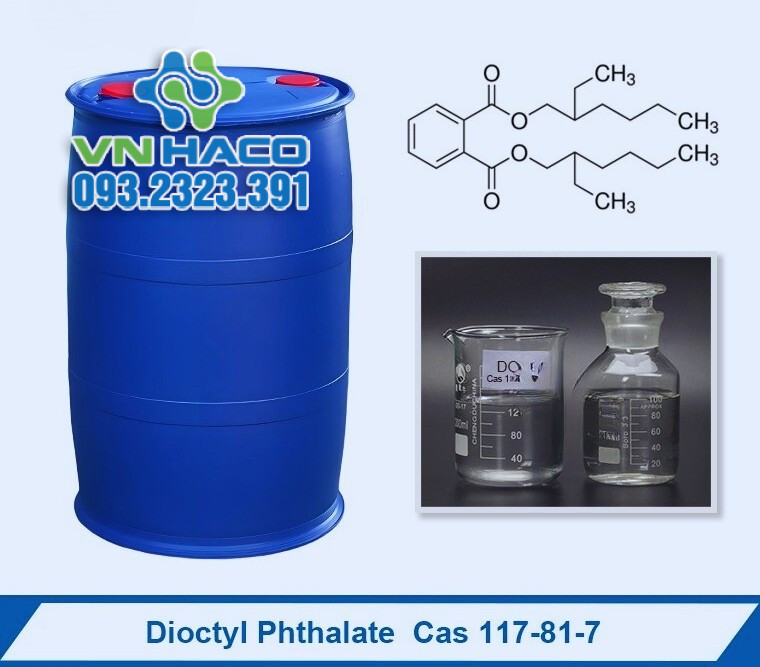
The Economic Trajectory of Phthalate Alternatives
The market for phthalate alternatives is projected to grow significantly, driven by regulatory mandates and consumer demand for safer products. This growth presents substantial economic opportunities for manufacturers of these alternatives, but also challenges related to scalability, cost-effectiveness, and securing raw material supplies. The increased demand for these alternatives can also lead to price premiums, affecting the cost structure of downstream industries. Investors are closely monitoring the commercialization success of new plasticizers, as their market penetration will dictate the long-term financial viability of numerous product lines and the companies that produce them. The economic trajectory of these alternatives will largely define the future landscape of the plasticizer industry and, by extension, the financial outlook of countless businesses reliant on flexible plastic materials.
aViewFromTheCave is a participant in the Amazon Services LLC Associates Program, an affiliate advertising program designed to provide a means for sites to earn advertising fees by advertising and linking to Amazon.com. Amazon, the Amazon logo, AmazonSupply, and the AmazonSupply logo are trademarks of Amazon.com, Inc. or its affiliates. As an Amazon Associate we earn affiliate commissions from qualifying purchases.