
In the modern era, the battle against infectious diseases has shifted from the microscopic slides of the 20th century to the high-performance computing (HPC) clusters of the 21st. When we discuss the differences between Type A and Type B influenza, we are no longer just talking about symptoms and recovery times; we are discussing complex data sets, genomic sequencing, and the sophisticated bioinformatics required to track viral evolution. For the technology professional, the flu is more than a seasonal nuisance—it is a masterclass in adaptive programming and biological data management.
Understanding the distinction between Type A and Type B influenza through a technological lens allows us to appreciate the sheer scale of computational power required to protect global health. From AI-driven predictive modeling to the engineering of mRNA delivery systems, the “tech stack” of modern virology is what allows us to differentiate, categorize, and eventually neutralize these biological threats.
The Computational Biology of Influenza: Understanding the Molecular Architecture
At its core, a virus is a biological code designed to hijack a host’s hardware (cells) to replicate its own software (RNA). The primary difference between Type A and Type B influenza lies in their genetic complexity and the “platforms” they can infect.
Genomic Sequencing: Distinguishing the Genetic Profiles
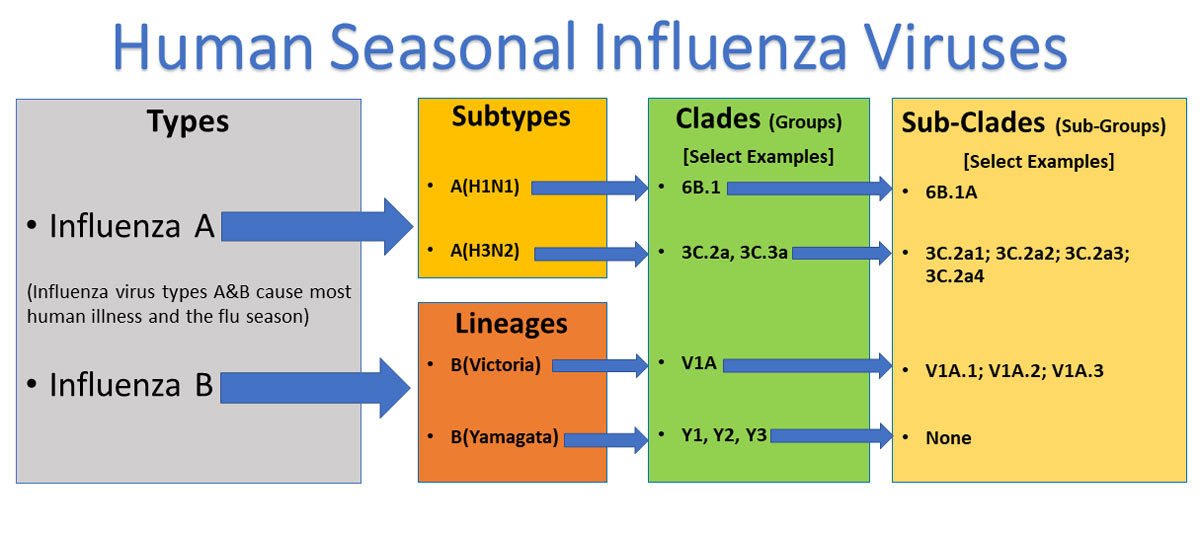
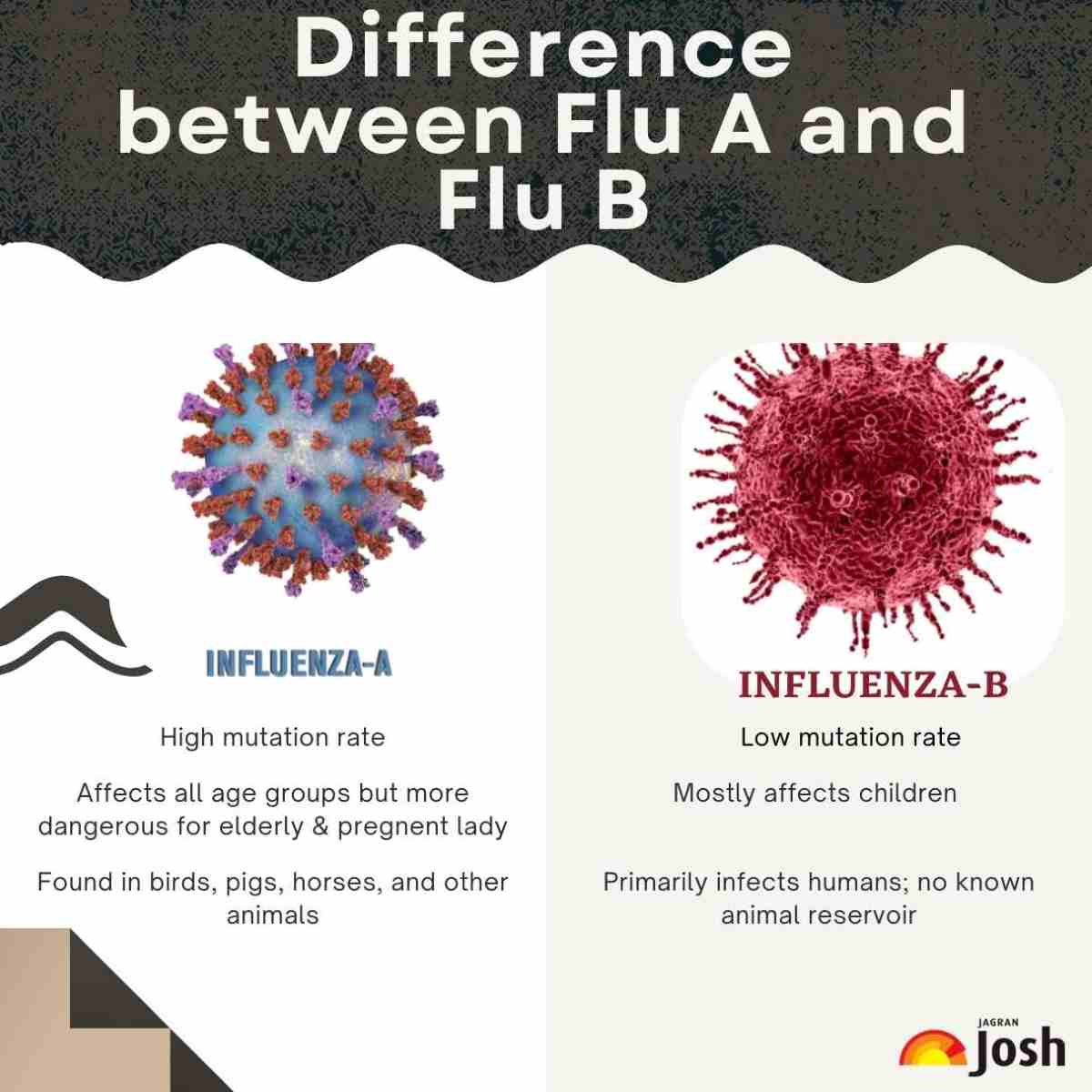
Type A influenza is the “enterprise-level” threat of the viral world. It is highly diverse and capable of infecting multiple “operating systems,” including humans, birds, pigs, and other animals. From a data perspective, Type A is defined by its two primary surface proteins: Hemagglutinin (H) and Neuraminidase (N). There are 18 different H subtypes and 11 different N subtypes, creating a massive combinatorial matrix of potential viral strains (e.g., H1N1, H3N2).
In contrast, Type B influenza is more of a “closed system.” It is almost exclusively found in humans and does not have the same variety of subtypes as Type A. Instead, it is classified into two lineages: Victoria and Yamagata. For bioinformaticians, sequencing Type B is a more predictable task, as it lacks the vast “cross-platform” compatibility that makes Type A so volatile and prone to sudden, massive updates (antigetic shifts).
The Role of Bioinformatics in Mapping Mutations
Bioinformatics tools use specialized software to align the RNA sequences of these viruses and identify where “bugs” or mutations occur. Type A viruses are notorious for “antigenic shift”—a major genetic reorganization that happens when two different strains infect the same cell and swap segments of their code. This is the biological equivalent of a massive system overhaul, often leading to pandemics because the human immune system lacks the “legacy drivers” to recognize the new version.
Type B viruses undergo “antigenic drift,” which refers to smaller, incremental updates to the genetic code. Technology platforms like Nextstrain provide real-time tracking of these drifts, allowing scientists to see how Type B evolves more slowly over time. By utilizing cloud-based genomic databases, researchers can differentiate between the two types with 99.9% accuracy, ensuring that the global medical community is looking at the correct “version” of the virus.
Predictive Modeling and AI: Simulating the Spread of Type A vs. Type B
Once the genomic data is captured, the next technological challenge is forecasting. Public health organizations rely on sophisticated software to predict which strains will dominate the upcoming season. This is where Artificial Intelligence (AI) and Machine Learning (ML) become the primary tools for differentiation.
Machine Learning Algorithms in Viral Forecasting
AI models are fed decades of historical data regarding viral spread, weather patterns, and human mobility. Because Type A and Type B behave differently in the wild, the algorithms must apply different weights to various parameters. Type A viruses often show higher transmission rates and greater seasonal variability. ML models use “Random Forest” and “Neural Network” architectures to process these variables and predict which specific “sub-version” of Type A (like H3N2) will likely be the most prevalent.
For Type B, the modeling is slightly different. Since Type B moves more slowly through the population and doesn’t have an animal reservoir, the models focus more heavily on pediatric data, as Type B often impacts children more significantly. These predictive simulations are critical for the World Health Organization (WHO) when they decide which four strains (quadrivalent) should be included in the annual software update: the flu vaccine.
Type A’s Pandemic Potential: Data-Driven Risk Assessment
The tech industry understands the concept of a “zero-day exploit”—a vulnerability that is discovered by hackers before a fix is available. In virology, Type A influenza is the source of almost all “zero-day” pandemic events. Because Type A can jump from animals to humans, it introduces entirely new genetic material to the human population.
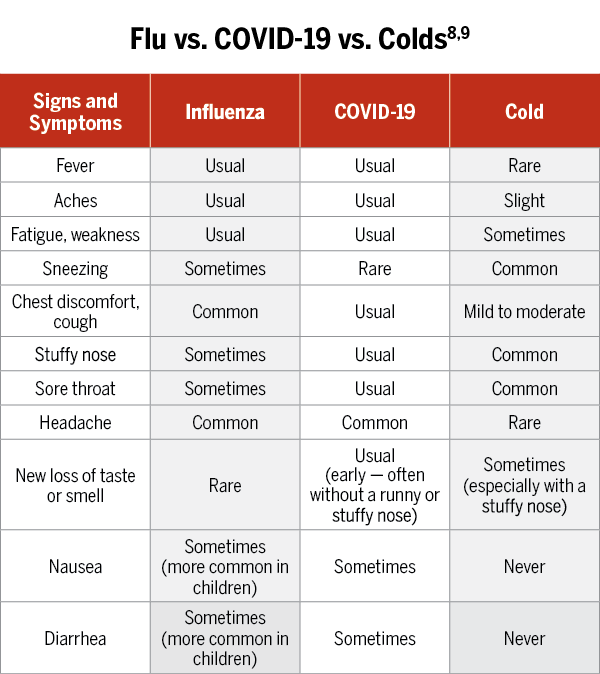
Computational fluid dynamics and agent-based modeling are used to simulate how a new Type A strain might spread through a digital twin of a city like New York or London. These simulations require massive amounts of compute power, often utilizing GPU acceleration to track millions of individual “agents” (digital citizens) as they interact. Type B, while capable of causing severe outbreaks, is rarely the focus of these high-level pandemic simulations because its evolutionary path is more constrained.
Diagnostic Technology: High-Tech Tools for Rapid Identification
In the clinic, the difference between Type A and Type B must be determined quickly to decide on a course of treatment. This has led to an explosion in diagnostic hardware and software.
PCR vs. Rapid Antigen Tests: The Hardware Evolution
The gold standard for differentiation is the Polymerase Chain Reaction (PCR) test. PCR is essentially a biological “search” function. It takes a small sample of genetic material and “amplifies” it (creates millions of copies) until the specific “signature” of Type A or Type B can be detected by optical sensors. Modern “Point-of-Care” (POC) PCR machines are marvels of microfluidic engineering, shrinking what used to be a room-sized lab into a device the size of a toaster.
Rapid Antigen Tests (RATs), while less sensitive, use lateral flow technology to detect specific proteins. The “tech” here is in the monoclonal antibodies embedded in the test strip, which are engineered to bind only to Type A or Type B proteins. Recently, smartphone-integrated diagnostics have emerged, where a phone’s camera and an AI app can read the subtle color changes on a test strip more accurately than the human eye, uploading the data to a centralized “health-cloud” for real-time epidemiological tracking.
Wearable Tech and Early Flu Detection
One of the most exciting trends in digital health is the use of wearables (like Oura, Apple Watch, or WHOOP) to detect the flu before symptoms even appear. By analyzing “biometric data streams”—specifically Heart Rate Variability (HRV), Resting Heart Rate (RHR), and Respiratory Rate—algorithms can detect the physiological signature of a viral infection.
Research is ongoing to see if these data signatures differ between Type A and Type B. While we aren’t yet at the point where your watch can tell you exactly which type of flu you have, the ability to flag an infection 24-48 hours before a fever starts is a major win for “proactive health maintenance.”
The Future of Vaccine Manufacturing: From Egg-Based to Tech-Driven mRNA
The final and perhaps most important technological distinction in the Type A vs. Type B conversation is how we manufacture the “patch” (the vaccine). For decades, we relied on 1940s-era technology: growing the virus in chicken eggs. Today, we are moving toward a digital-first approach.
Digital Twins in Vaccine Development
Modern vaccine manufacturing uses “Digital Twins”—virtual replicas of the manufacturing process—to optimize the production of flu components. Because Type A viruses can be difficult to grow in eggs (they often mutate during the process, making the vaccine less effective), cell-based and recombinant technologies have been developed. These methods involve using genetic engineering to “print” the proteins of the virus in a controlled bioreactor. This “software-defined” manufacturing is faster and more precise, allowing for a better match between the vaccine and the circulating strains of both Type A and Type B.
Automating the Annual Flu Shot Formulation
The ultimate goal is a “Universal Flu Vaccine,” and the path to it is paved with data science. Researchers are using structural biology software to identify the “highly conserved” regions of the virus—parts of the code that do not change between Type A and Type B or across different subtypes.
By targeting the “stem” of the Hemagglutinin protein rather than the “head” (which is the part that mutates), tech-driven biopharma companies hope to create a one-time “security update” for the human immune system. This would eliminate the need for the annual “patching” cycle we currently endure and would provide a broad-spectrum defense against both the volatile Type A and the steady Type B.
Conclusion: The Integrated View of Viral Management
The difference between Type A and Type B influenza is a narrative of complexity versus stability. Type A is the high-velocity, high-risk variable that requires constant surveillance and massive computational overhead. Type B is the persistent, slower-evolving threat that requires focused, longitudinal data tracking.
As we continue to integrate AI, blockchain for secure health data sharing, and advanced molecular engineering into our public health infrastructure, the distinction between “biology” and “technology” continues to blur. In the fight against the flu, our greatest weapon is no longer just the microscope—it is the algorithm. By leveraging the full spectrum of modern tech, from genomic sequencing to predictive AI, we are moving closer to a world where “flu season” is no longer a scheduled system crash, but a minor, background-automated update.
aViewFromTheCave is a participant in the Amazon Services LLC Associates Program, an affiliate advertising program designed to provide a means for sites to earn advertising fees by advertising and linking to Amazon.com. Amazon, the Amazon logo, AmazonSupply, and the AmazonSupply logo are trademarks of Amazon.com, Inc. or its affiliates. As an Amazon Associate we earn affiliate commissions from qualifying purchases.