
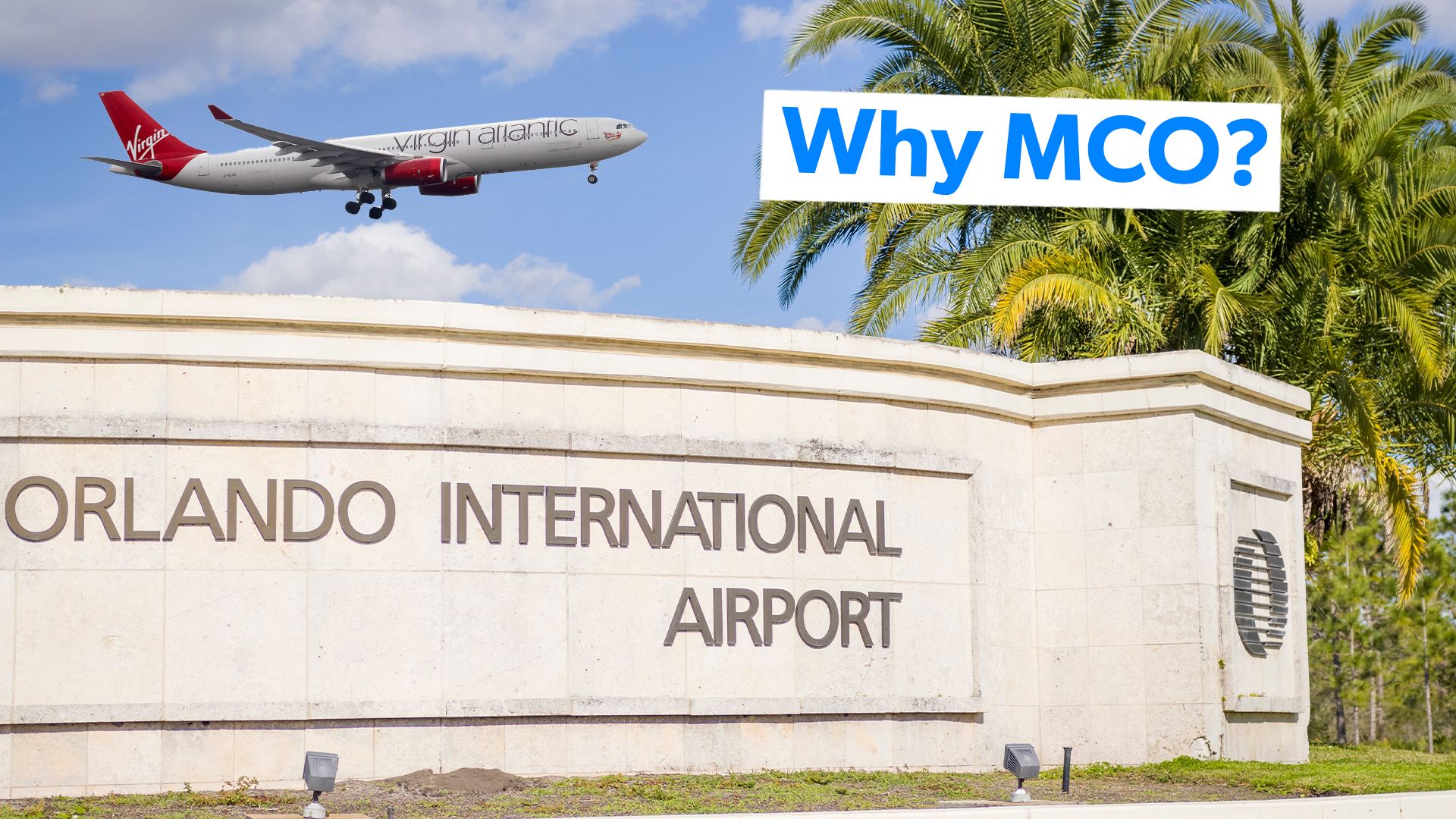
In the world of global travel, a brand is often reduced to a simple three-letter sequence. For millions of travelers heading to the theme park capital of the world, those three letters are “MCO.” While most people recognize it as the identifier for Orlando International Airport, the story behind the code and its evolution into a multi-billion-dollar brand is a masterclass in legacy preservation, corporate identity, and destination marketing.
Understanding “What is airport code MCO” requires looking beyond the luggage tags. It involves analyzing how a former military installation transformed its identity into one of the most recognizable gateways in the aviation industry. In this exploration, we delve into the branding strategy that makes MCO more than just an acronym, but a cornerstone of Florida’s global image.
The Legacy Behind the Letters: From Military Base to Global Brand
To understand the brand identity of MCO, one must first address the most common question: why isn’t the code “ORL” or “OIA”? The answer lies in the heritage of the site, a legacy that the Greater Orlando Aviation Authority (GOAA) has strategically chosen to honor rather than erase.
The McCoy Air Force Base Origin
The “MCO” code stands for McCoy Air Force Base, named after Colonel Michael Norman Wright McCoy, a legendary figure in the U.S. Air Force who perished during a flight competition in 1957. When the base transitioned into a joint-use facility and eventually a full-scale commercial airport in the 1970s, the IATA code MCO was already etched into the global flight system.
From a branding perspective, keeping the MCO designation was a decision that balanced historical continuity with logistical efficiency. In brand strategy, a name change carries immense risk—it can lead to confusion, loss of equity, and significant rebranding costs. By retaining MCO, the airport maintained its link to its disciplined, high-performance military roots while pivoting toward a consumer-facing future.
Maintaining Heritage in a Modern World
In contemporary brand strategy, “heritage branding” is a powerful tool. It tells the consumer that an entity has deep roots and a proven track record. For Orlando International, MCO serves as a subtle nod to the region’s contribution to national defense and the aerospace industry. While the average tourist might not know the story of Colonel McCoy, the code itself has become a “legacy mark.” It is a shorthand for reliability that has survived the transition from a cold-war era base to a premier vacation hub.
The Power of Three Letters: How MCO Defines Orlando’s Corporate Identity
An airport code is perhaps the purest form of minimalist branding. It must be unique, memorable, and functional across every digital and physical touchpoint in the world. MCO has successfully transitioned from a technical identifier to a central pillar of Orlando’s corporate identity.
Simplicity in Global Recognition
The most effective brands are often the simplest. In the aviation industry, where thousands of airports compete for slots and passengers, MCO stands out. It avoids the generic nature of “ORL” (which is actually the code for the smaller Orlando Executive Airport) and creates a distinct “brand bucket” in the traveler’s mind.
When a traveler sees “MCO” on their boarding pass, it triggers a specific set of brand associations: palm trees, world-class theme parks, and the unique architecture of the Orlando terminals. This is the hallmark of successful personal and corporate branding—when a symbol alone can evoke an emotional response and a clear set of expectations.
Consistency Across Digital and Physical Touchpoints
Modern branding is about the “omnichannel experience.” MCO is not just on the side of a building; it is in the URL of the airport’s website, the handle of its social media accounts, and the metadata of every flight tracking app.
The airport’s branding team has leaned into the MCO identifier, using it as a hashtag and a design element in terminal signage. This consistency ensures that whether a traveler is booking a flight in London or landing on the tarmac in Florida, the brand “MCO” remains the constant thread. In branding, consistency equals trust, and trust is the most valuable currency in the travel sector.

Marketing the Destination: MCO as a Gateway to Experience
Airport branding is unique because it must serve two masters: the local community and the global traveler. MCO does not just market itself as a facility; it markets itself as the “Gateway to the Magic.”
Branding Beyond the Tarmac
The MCO brand is inextricably linked to the Orlando experience. Unlike many airports that feel sterile or disconnected from their surroundings, MCO has cultivated a “Florida-first” brand aesthetic. From the lush greenery and water features in the atriums to the high-end retail partnerships with Disney, Universal, and SeaWorld, the airport serves as a physical manifestation of the regional brand.
This is a strategic choice in “Experience Design.” The brand promise of MCO is that your vacation starts the moment you step off the plane, not when you reach your hotel. By aligning its corporate identity with the entertainment giants of the region, MCO enhances its own brand value through association.
Collaborative Branding with Florida Tourism
MCO acts as the primary marketing funnel for Central Florida. The airport’s branding strategy involves close collaboration with Visit Orlando and various local chambers of commerce. This unified front ensures that the brand “MCO” is synonymous with “Orlando” in the minds of international investors and tourists.
In brand strategy, this is known as “Co-Branding.” By positioning itself as the essential infrastructure for the region’s most famous attractions, MCO ensures its own growth is tied to the success of its partners. The airport isn’t just a place where planes land; it is a vital part of the storytelling process that defines the Florida brand.
Strategic Brand Evolution: The Future of Orlando International
As we look to the future, the MCO brand is undergoing its most significant evolution yet. The aviation industry is shifting toward “Smart Airports,” and MCO is positioning itself as a leader in this high-tech branding landscape.
The Terminal C Expansion as a Brand Statement
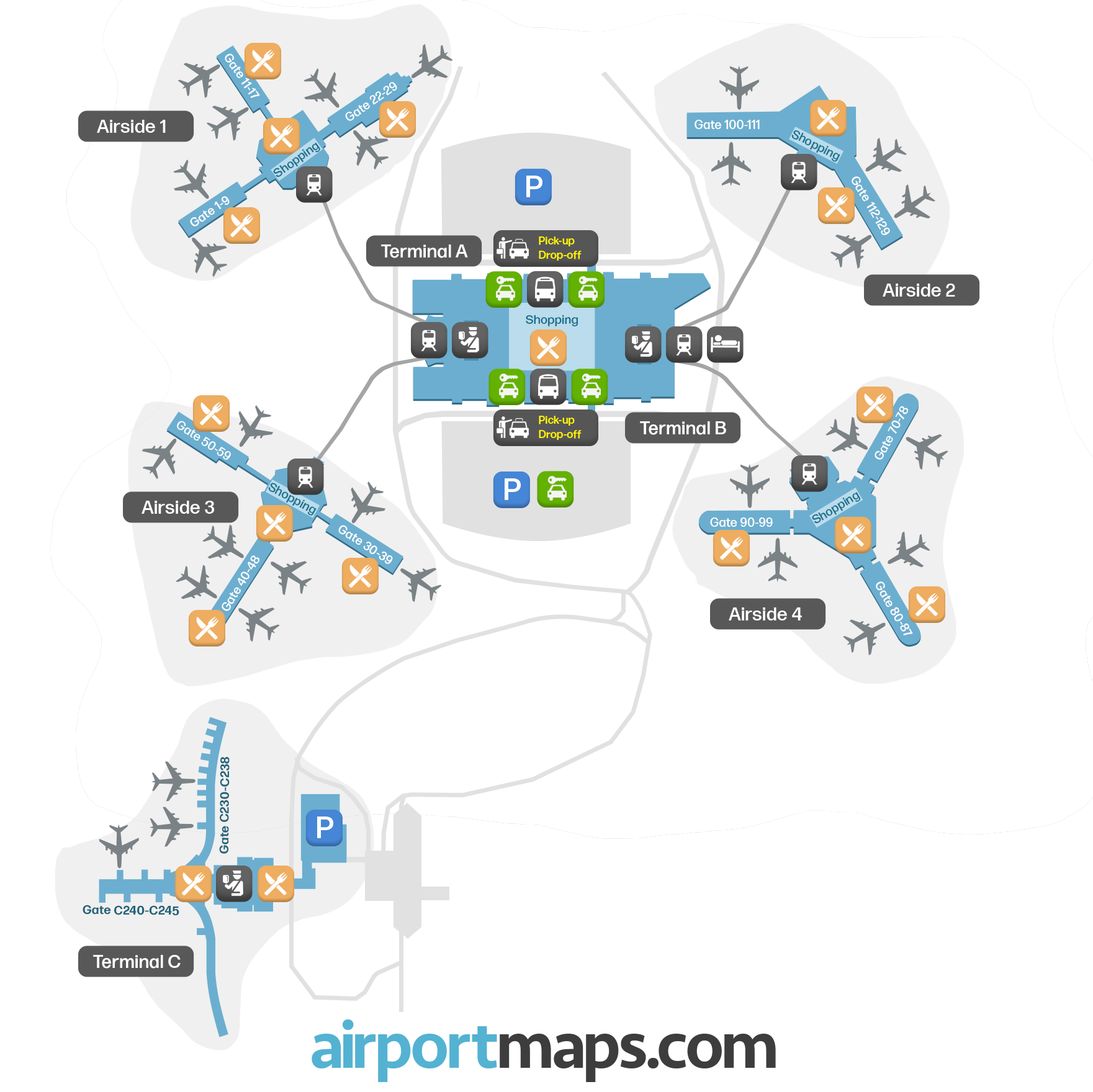
The recent opening of Terminal C at MCO is more than just a capacity increase; it is a major brand refresh. Terminal C represents the “new” MCO—sleek, technologically advanced, and environmentally conscious. The use of massive digital media installations (the “Experiential Media Environment”) serves to reinforce the brand’s commitment to innovation and storytelling.
In terms of brand positioning, Terminal C moves MCO from being a “legacy airport” to a “world-class hub.” It signals to airlines and passengers that MCO is invested in the future of travel. This is a critical move in maintaining a competitive brand edge against other major hubs like Miami (MIA) or Atlanta (ATL).
Adapting to the Modern Traveler’s Brand Expectations
Today’s travelers—specifically Millennials and Gen Z—view brands through the lens of sustainability and ease of use. MCO has responded by integrating brand initiatives focused on environmental stewardship and seamless digital navigation.
From automated passport control to “green” building certifications, the MCO brand is evolving to meet the ethical and functional demands of the modern consumer. A brand that does not evolve becomes a relic; by constantly updating its physical and digital presence, MCO ensures that its three-letter code remains a symbol of progress rather than just a reminder of the past.
Conclusion: The Lasting Impact of the MCO Identity
So, what is airport code MCO? It is far more than a technical label for Orlando International Airport. It is a brand that encapsulates decades of history, a strategic corporate identity that facilitates global commerce, and a gateway that defines the travel experience for millions.
From its military origins as McCoy Air Force Base to its current status as a beacon of innovation in the aviation industry, MCO has mastered the art of branding. It demonstrates how a simple identifier can be leveraged to build a powerful, recognizable, and trusted global entity. As Orlando continues to grow as a hub for both tourism and technology, the MCO brand will remain at the forefront, proving that in the world of marketing, even a three-letter code can tell a story of epic proportions.
aViewFromTheCave is a participant in the Amazon Services LLC Associates Program, an affiliate advertising program designed to provide a means for sites to earn advertising fees by advertising and linking to Amazon.com. Amazon, the Amazon logo, AmazonSupply, and the AmazonSupply logo are trademarks of Amazon.com, Inc. or its affiliates. As an Amazon Associate we earn affiliate commissions from qualifying purchases.