
Diabetes mellitus, a chronic condition affecting millions worldwide, is often discussed in broad strokes. However, understanding the nuances between its primary forms, Type 1 and Type 2 diabetes, is crucial for effective management, prevention, and overall health awareness. While both share the common thread of impacting blood sugar regulation, their origins, mechanisms, and treatment approaches diverge significantly. This article will delve into these distinctions, drawing parallels and contrasts that illuminate the unique challenges and realities of each type, all through the lens of how technological innovation, strategic brand understanding, and financial literacy can intersect with diabetes care.

Understanding the Core of the Problem: Insulin’s Role and Its Disruption
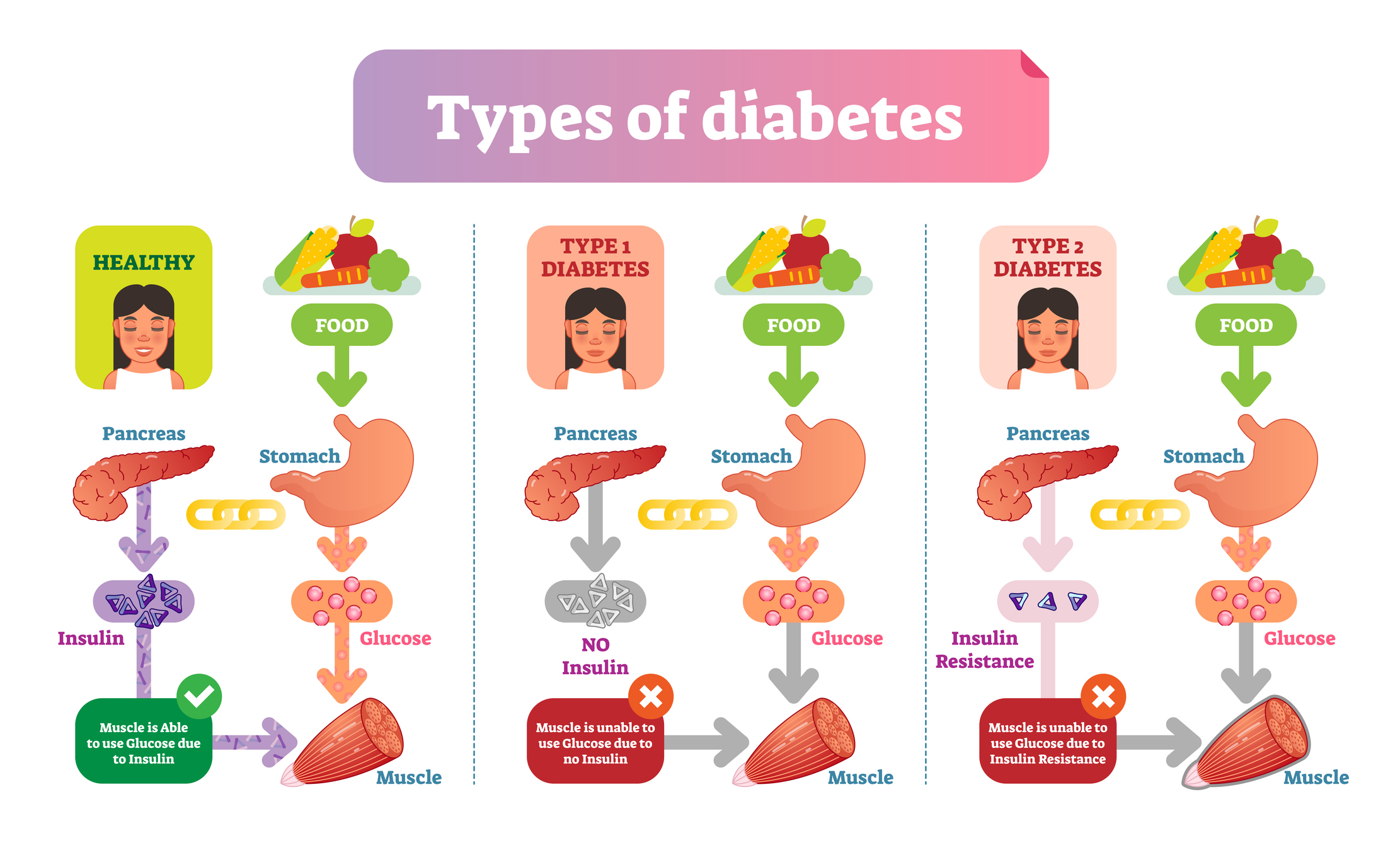
At the heart of diabetes lies insulin, a vital hormone produced by the pancreas. Insulin acts like a key, unlocking the body’s cells to allow glucose (sugar) from the bloodstream to enter and be used for energy. When this intricate process malfunctions, blood glucose levels can rise to dangerous highs, leading to the cascade of health problems associated with diabetes.
Type 1 Diabetes: An Autoimmune Uprising
Type 1 diabetes is an autoimmune disease. This means that the body’s own immune system, which is designed to protect against foreign invaders like bacteria and viruses, mistakenly attacks and destroys the insulin-producing beta cells in the pancreas. The exact trigger for this autoimmune response is not fully understood, but genetic predisposition and environmental factors are believed to play a role.
Key Characteristics of Type 1 Diabetes:
- Onset: Typically develops in childhood or adolescence, though it can occur at any age.
- Cause: Autoimmune destruction of pancreatic beta cells.
- Insulin Production: Little to no insulin is produced by the body.
- Symptoms: Often appear suddenly and can include increased thirst, frequent urination, unexplained weight loss, extreme hunger, fatigue, and blurred vision.
- Treatment: Requires lifelong insulin therapy, usually through injections or an insulin pump, along with careful blood glucose monitoring, carbohydrate counting, and regular exercise.
It’s important to note that Type 1 diabetes is not caused by lifestyle choices and cannot be prevented through diet or exercise alone. It’s a condition that requires proactive and consistent management from diagnosis onwards.
Type 2 Diabetes: A Tale of Insulin Resistance and Deficiency
Type 2 diabetes is far more prevalent than Type 1 and accounts for the vast majority of diabetes cases. In this form, the body either doesn’t produce enough insulin or the cells become resistant to the insulin that is produced. This insulin resistance means that even when insulin is present, it can’t effectively help glucose enter the cells. Over time, the pancreas may also struggle to keep up with the increased demand for insulin, leading to a relative insulin deficiency.
Key Characteristics of Type 2 Diabetes:
- Onset: Usually develops in adulthood, though it is increasingly being diagnosed in younger individuals due to rising obesity rates.
- Cause: A combination of insulin resistance and insufficient insulin production.
- Insulin Production: The body produces insulin, but it’s either not used effectively (resistance) or eventually, production declines.
- Symptoms: Symptoms often develop gradually and can be mild or even absent for years. They may include increased thirst, frequent urination, increased hunger, fatigue, blurred vision, slow-healing sores, and frequent infections.
- Treatment: Initially managed through lifestyle modifications like diet and exercise. If these are not sufficient, oral medications and/or injectable non-insulin medications may be prescribed. In some advanced cases, insulin therapy may be required.
Type 2 diabetes is strongly linked to lifestyle factors such as being overweight or obese, physical inactivity, unhealthy diet, and genetic predisposition. Fortunately, it is often preventable or can be significantly delayed through healthy lifestyle choices.
The Interplay of Technology, Brand, and Money in Diabetes Management
While the biological differences between Type 1 and Type 2 diabetes are fundamental, the way individuals manage these conditions is increasingly influenced by broader societal and technological trends. Understanding these influences can empower individuals and shape more effective healthcare strategies.
Technology: Empowering Proactive Management and Data-Driven Insights
Technology plays a transformative role in diabetes care for both types, offering tools for better monitoring, more precise treatment, and greater autonomy.
For Type 1 Diabetes: Precision and Automation
For individuals with Type 1 diabetes, the constant need for insulin administration and blood glucose monitoring makes technology a lifeline.
- Continuous Glucose Monitors (CGMs): These small devices, worn under the skin, provide real-time glucose readings, eliminating the need for frequent finger pricks. CGMs transmit data to smartphones or dedicated readers, allowing users and their healthcare providers to track trends, identify patterns, and make timely adjustments to insulin doses. This technology is crucial for preventing dangerous highs and lows, especially during sleep or physical activity.
- Insulin Pumps: These wearable devices deliver a continuous basal rate of insulin throughout the day and can be programmed to deliver boluses for meals or to correct high blood glucose. Advanced insulin pumps can even communicate with CGMs, creating a semi-closed-loop system that automatically adjusts insulin delivery based on glucose readings. This significantly reduces the burden of manual injections and offers more precise insulin management.
- AI-Powered Apps and Predictive Analytics: The integration of Artificial Intelligence (AI) is revolutionizing diabetes management. Apps can analyze CGM and pump data, predict glucose trends, and offer personalized recommendations for meal timing, exercise, and insulin adjustments. These tools are becoming increasingly sophisticated, acting as intelligent co-pilots for individuals managing the complex task of balancing insulin, food, and activity.
- Digital Security and Data Privacy: As more personal health data is collected and shared through these technologies, digital security and data privacy become paramount. Robust security measures are essential to protect sensitive health information from breaches and ensure patient trust.

For Type 2 Diabetes: Lifestyle Reinforcement and Early Intervention
While not requiring constant insulin, technology is equally impactful for Type 2 diabetes, focusing on promoting healthy habits and enabling early detection of complications.
- Smart Wearables for Activity Tracking: Fitness trackers and smartwatches can monitor daily activity levels, sleep patterns, and calorie expenditure. This data can motivate individuals to adhere to exercise recommendations, a cornerstone of Type 2 diabetes management.
- Dietary Tracking Apps: Apps that help users log their food intake and analyze nutritional content can be invaluable for individuals aiming to manage their weight and carbohydrate intake. Some apps even offer barcode scanning for easy food logging.
- Telehealth and Remote Monitoring: Technology facilitates remote consultations with healthcare providers, allowing for regular check-ins and adjustments to treatment plans without requiring frequent in-person visits. This is particularly beneficial for individuals in remote areas or those with mobility challenges.
- AI for Risk Assessment and Prevention: AI algorithms can analyze population health data to identify individuals at higher risk of developing Type 2 diabetes, enabling targeted preventive interventions. Furthermore, AI can be used to personalize lifestyle recommendations based on individual data and preferences.
Brand: Building Trust, Awareness, and Empowering Communities
In the context of diabetes, the concept of “brand” extends beyond commercial products to encompass the messaging, reputation, and community support surrounding diabetes awareness and management.
For Healthcare Providers and Organizations: Building Trust and Expertise
Healthcare providers and diabetes organizations need to cultivate a strong brand that signifies trust, expertise, and empathy.
- Consistent Messaging: Clear, consistent, and accessible information about diabetes, its types, and management strategies is crucial for public understanding and confidence. This applies to public health campaigns, hospital websites, and patient education materials.
- Personal Branding for Healthcare Professionals: Individual doctors, nurses, and dietitians can build personal brands through their online presence, sharing valuable insights and establishing themselves as go-to resources. This fosters stronger patient-provider relationships.
- Case Studies and Success Stories: Showcasing successful diabetes management strategies and patient testimonials can provide inspiration and practical guidance for others. These case studies act as powerful “brand ambassadors” for effective care.
- Reputation Management: Maintaining a positive reputation for diabetes care services involves ensuring high-quality patient experiences, ethical practices, and a commitment to continuous improvement.
For Patients and Support Groups: Fostering Community and Advocacy
The “brand” of diabetes support is built by the collective voice and experiences of those living with the condition.
- Online Communities and Forums: Digital platforms allow individuals with diabetes to connect, share experiences, offer support, and learn from each other. These communities create a sense of belonging and reduce feelings of isolation.
- Advocacy Groups: Organizations that advocate for better diabetes research, access to care, and policy changes play a vital role in shaping the “brand” of diabetes awareness and fighting for patient needs.
- Personal Branding for Advocacy: Individuals who bravely share their diabetes journey online or in public can become powerful advocates, raising awareness and inspiring others.
Money: Financial Planning, Access to Care, and Economic Impact
The financial implications of diabetes are significant, impacting both individuals and the broader economy. Understanding the “money” aspect is essential for sustainable management and broader societal well-being.
For Individuals: Navigating Healthcare Costs and Financial Security
Managing diabetes often involves significant financial considerations.
- Personal Finance and Insurance: Understanding health insurance plans, co-pays, deductibles, and prescription drug coverage is crucial for managing the ongoing costs of diabetes care, including insulin, medications, and medical supplies.
- Budgeting for Healthcare: Individuals need to budget for regular doctor’s appointments, lab tests, and potential emergency care. This can involve setting aside funds or exploring flexible spending accounts.
- Online Income and Side Hustles: For some, exploring online income streams or side hustles can provide supplemental income to help cover healthcare expenses. This requires careful financial planning and time management, especially when balancing these with the demands of diabetes management.
- Financial Tools for Health Management: Various financial tools and apps can help individuals track healthcare spending, manage bills, and plan for future medical needs.
For the Broader Economy: Business Finance and Healthcare Systems
The economic impact of diabetes is far-reaching.
- Business Finance and Employee Health: Companies are increasingly recognizing the importance of employee well-being and investing in programs that support the health of their workforce, including diabetes prevention and management initiatives. This can lead to reduced healthcare costs and increased productivity.
- The Pharmaceutical and Medical Device Industries: The development and distribution of insulin, oral medications, and advanced technologies represent a significant sector within the healthcare industry. Understanding the economics of these industries is crucial for ensuring access and affordability.
- Government Healthcare Policies: Government policies related to healthcare funding, insurance coverage, and pharmaceutical pricing have a direct impact on the accessibility and affordability of diabetes care for millions.
- Financial Tools for Healthcare Providers: Healthcare organizations utilize various financial tools for budgeting, revenue cycle management, and strategic investment in new technologies and research.
Conclusion: A Holistic Approach to Diabetes
The distinction between Type 1 and Type 2 diabetes is fundamental to understanding their unique biological underpinnings. Type 1 diabetes is an autoimmune condition requiring lifelong insulin therapy, while Type 2 diabetes is characterized by insulin resistance and often preventable through lifestyle changes. However, in today’s world, navigating diabetes management is no longer solely a medical endeavor. The pervasive influence of technology offers unprecedented tools for monitoring and precision treatment. Strategic branding, whether by healthcare institutions or patient communities, fosters trust, awareness, and support. And a sound understanding of financial literacy is essential for individuals to affordably access the care they need and for healthcare systems to remain sustainable. By embracing a holistic approach that integrates medical knowledge with advancements in technology, strong community networks, and robust financial planning, we can empower individuals living with diabetes to lead healthier, more fulfilling lives.
aViewFromTheCave is a participant in the Amazon Services LLC Associates Program, an affiliate advertising program designed to provide a means for sites to earn advertising fees by advertising and linking to Amazon.com. Amazon, the Amazon logo, AmazonSupply, and the AmazonSupply logo are trademarks of Amazon.com, Inc. or its affiliates. As an Amazon Associate we earn affiliate commissions from qualifying purchases.