
Memorial Day and Veterans Day are two significant American holidays, often observed with parades, ceremonies, and moments of reflection. While both honor those who have served in the armed forces, their fundamental focus and the emotional resonance they evoke differ significantly. From a brand perspective, understanding this distinction is not merely an exercise in historical accuracy; it’s crucial for crafting authentic and impactful communications, fostering meaningful engagement with military communities, and aligning corporate values with public sentiment. Misinterpreting or conflating these two observances can lead to missteps in branding, marketing, and public relations, potentially alienating intended audiences and undermining genuine efforts to connect. This article will explore the distinct branding elements of Memorial Day and Veterans Day, examining their core messaging, target audiences, and the strategic implications for brands seeking to acknowledge and honor these important occasions.
Memorial Day: A Brand of Sacrifice and Remembrance
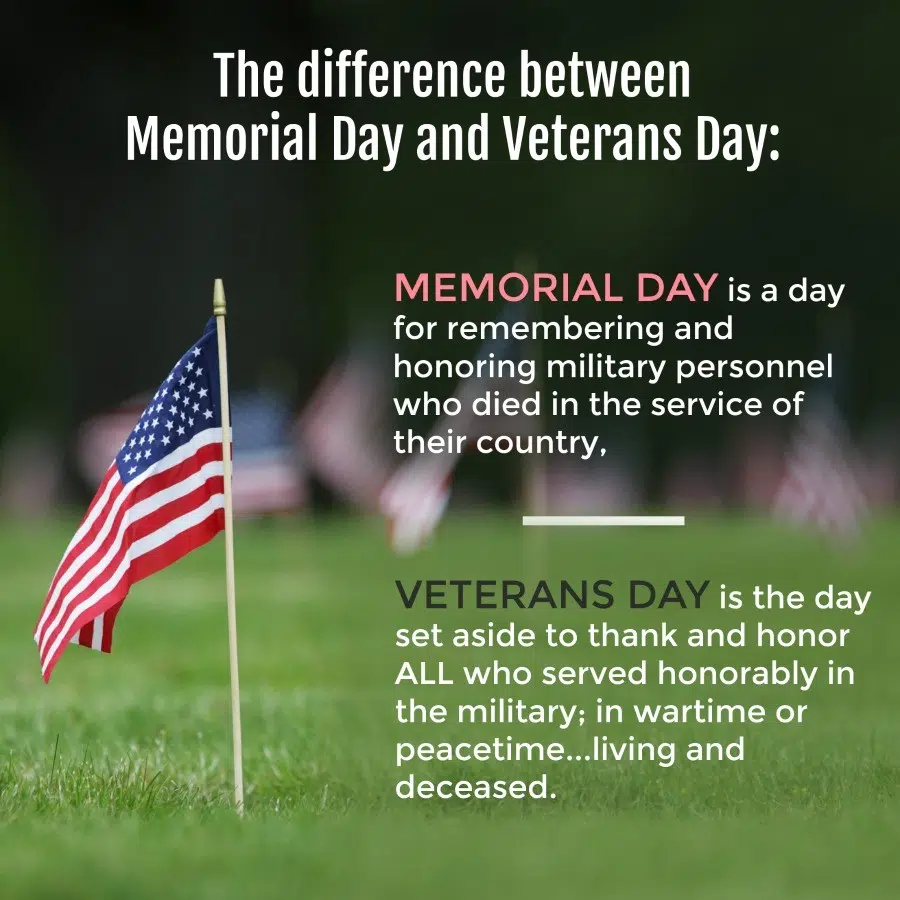
Memorial Day’s brand is intrinsically linked to the profound concept of sacrifice. It is a day dedicated to remembering and honoring those who have made the ultimate sacrifice while serving in the United States military. The emotional core of Memorial Day is one of solemnity, grief, and profound gratitude for the lives lost in defense of the nation.
The Brand Identity: Solemnity, Loss, and Gratitude
The visual and thematic elements associated with Memorial Day typically evoke a sense of reverence and remembrance. Red poppies, often worn as a symbol of remembrance, are a powerful visual cue. The focus is not on living veterans, but on the fallen. This distinction is paramount in understanding the brand’s identity. It’s about acknowledging the immense cost of freedom and expressing gratitude for the lives that can no longer be lived.
Target Audience: A Nation Reflecting on Loss
The primary audience for Memorial Day’s brand is the entire nation, but particularly families of fallen service members, veterans who have lost comrades, and all citizens who wish to acknowledge the sacrifices made for their liberty. The messaging on Memorial Day should be sensitive, respectful, and empathetic. Brands engaging with this holiday should aim to foster a sense of shared national reflection on loss and sacrifice.
Brand Messaging: Honoring the Ultimate Sacrifice
Effective brand messaging for Memorial Day centers on themes of remembrance, honor, and gratitude for those who died in service. It is a time to pause and reflect on the human cost of conflict. Brands can support this by:
- Highlighting stories of fallen heroes: Sharing narratives, with appropriate permissions and sensitivity, of individuals who lost their lives serving the country.
- Supporting organizations that aid Gold Star families: Partnering with or donating to charities that provide support and resources to families of fallen service members.
- Creating platforms for remembrance: Offering online spaces or physical events where individuals can share memories and pay tribute.
- Emphasizing the “why” behind the holiday: Reinforcing the understanding that this day is about mourning and honoring, not simply a long weekend or the unofficial start of summer.
Veterans Day: A Brand of Service and Celebration
In contrast to Memorial Day’s focus on loss, Veterans Day is a brand dedicated to celebrating the service and achievements of all those who have worn the uniform of the United States. It is a day of appreciation, recognition, and gratitude for the living veterans who have contributed to the nation’s defense and security.
The Brand Identity: Appreciation, Achievement, and Living Legacy
Veterans Day’s brand is characterized by a sense of pride, respect, and acknowledgment of the unique skills, experiences, and dedication of veterans. The emphasis is on their continued contributions to society, their resilience, and their commitment to the country. While acknowledging their service involved sacrifice, the primary emotional tone is one of celebration and honor for those who are still with us.

Target Audience: A Nation Thanking Its Heroes
The target audience for Veterans Day’s brand is broad, encompassing all Americans who wish to express their gratitude to living veterans. It also directly engages with the veteran community itself, providing a platform for them to be recognized and appreciated. Brands seeking to connect with this audience should aim to convey genuine appreciation and respect for their service.
Brand Messaging: Recognizing Service and Contributions
Effective brand messaging for Veterans Day should focus on thanking veterans for their service, acknowledging their diverse contributions, and celebrating their ongoing roles in civilian life. Brands can effectively engage with Veterans Day by:
- Expressing direct gratitude: Simple yet powerful messages of “Thank you for your service” are fundamental.
- Highlighting veteran success stories: Showcasing veterans who have transitioned into civilian careers and are making significant contributions in various fields. This reinforces the value of their skills and experience.
- Offering veteran-specific benefits and support: This could include employment initiatives, discounts, or partnerships with veteran organizations.
- Sponsoring or participating in veteran events: Actively engaging in parades, career fairs, and other community events that honor veterans.
- Educating the public on the breadth of military service: Helping people understand the diverse roles and responsibilities that service members undertake.
The Strategic Brand Implications: Navigating the Nuances
For brands, the distinction between Memorial Day and Veterans Day is not merely semantic; it has direct implications for strategic planning, marketing campaigns, and corporate social responsibility initiatives. Misaligning a brand’s message with the appropriate holiday can lead to inauthentic communication and unintended negative perceptions.
Avoiding Brand Missteps: The Peril of Conflation
A common pitfall for brands is conflating the two holidays. For instance, using Memorial Day as an opportunity to offer sales and promotions, while ostensibly thanking veterans, can be perceived as disrespectful. The solemnity of Memorial Day demands a focus on remembrance of the fallen, not commercialism. Conversely, a Veterans Day campaign that solely focuses on sacrifice without celebrating the living service of veterans can feel incomplete.
Crafting Authentic Brand Narratives
Brands that successfully navigate these holidays do so by crafting authentic narratives that resonate with the unique spirit of each occasion. This involves:
- Understanding the emotional landscape: Recognizing that Memorial Day calls for solemn reflection, while Veterans Day invites celebration and appreciation.
- Tailoring messaging to the audience: Speaking directly to the families of the fallen on Memorial Day and to all living veterans on Veterans Day.
- Demonstrating genuine support: Moving beyond superficial gestures to engage in meaningful initiatives that align with the values of each holiday. This could involve supporting military families, providing career opportunities for veterans, or contributing to veteran mental health services.
- Integrating observances into broader brand strategy: Rather than treating these holidays as isolated marketing opportunities, brands can weave them into their year-round commitment to supporting the military community. This demonstrates a consistent and genuine dedication.

The Power of Differentiated Brand Engagement
By understanding and respecting the distinct branding of Memorial Day and Veterans Day, companies can:
- Build trust and credibility: Authentic engagement demonstrates a deep understanding and respect for the military community and their experiences.
- Enhance brand reputation: Brands that honor these holidays thoughtfully are often perceived positively by consumers and employees alike.
- Foster deeper connections with military families and veterans: Meaningful initiatives can create lasting relationships and goodwill.
- Attract and retain military-affiliated talent: A demonstrated commitment to supporting veterans can make a company an employer of choice.
In conclusion, Memorial Day and Veterans Day, while both honoring military service, represent distinct brands with unique identities, target audiences, and messaging imperatives. For brands, recognizing and respecting these differences is not just a matter of etiquette; it is a strategic imperative for building authentic connections, fostering trust, and demonstrating genuine appreciation for those who have served and sacrificed for the nation. By embracing the nuances of each holiday, brands can move beyond superficial acknowledgment to create truly meaningful engagement, reinforcing their commitment to the military community and solidifying their brand’s reputation as one that understands and values service and sacrifice.
aViewFromTheCave is a participant in the Amazon Services LLC Associates Program, an affiliate advertising program designed to provide a means for sites to earn advertising fees by advertising and linking to Amazon.com. Amazon, the Amazon logo, AmazonSupply, and the AmazonSupply logo are trademarks of Amazon.com, Inc. or its affiliates. As an Amazon Associate we earn affiliate commissions from qualifying purchases.