
Navigating the complexities of federal bankruptcy law is a daunting task for any individual or business owner facing insurmountable debt. In the United States, the legal framework provides several paths for debt relief, but for the vast majority of consumers, the choice boils down to two specific options: Chapter 7 and Chapter 13. While both chapters offer a “fresh start” by halting collection actions through an automatic stay, they operate on fundamentally different principles, timelines, and eligibility requirements. Understanding these nuances is critical for long-term financial recovery and asset protection.
Understanding Chapter 7: The Liquidation Path
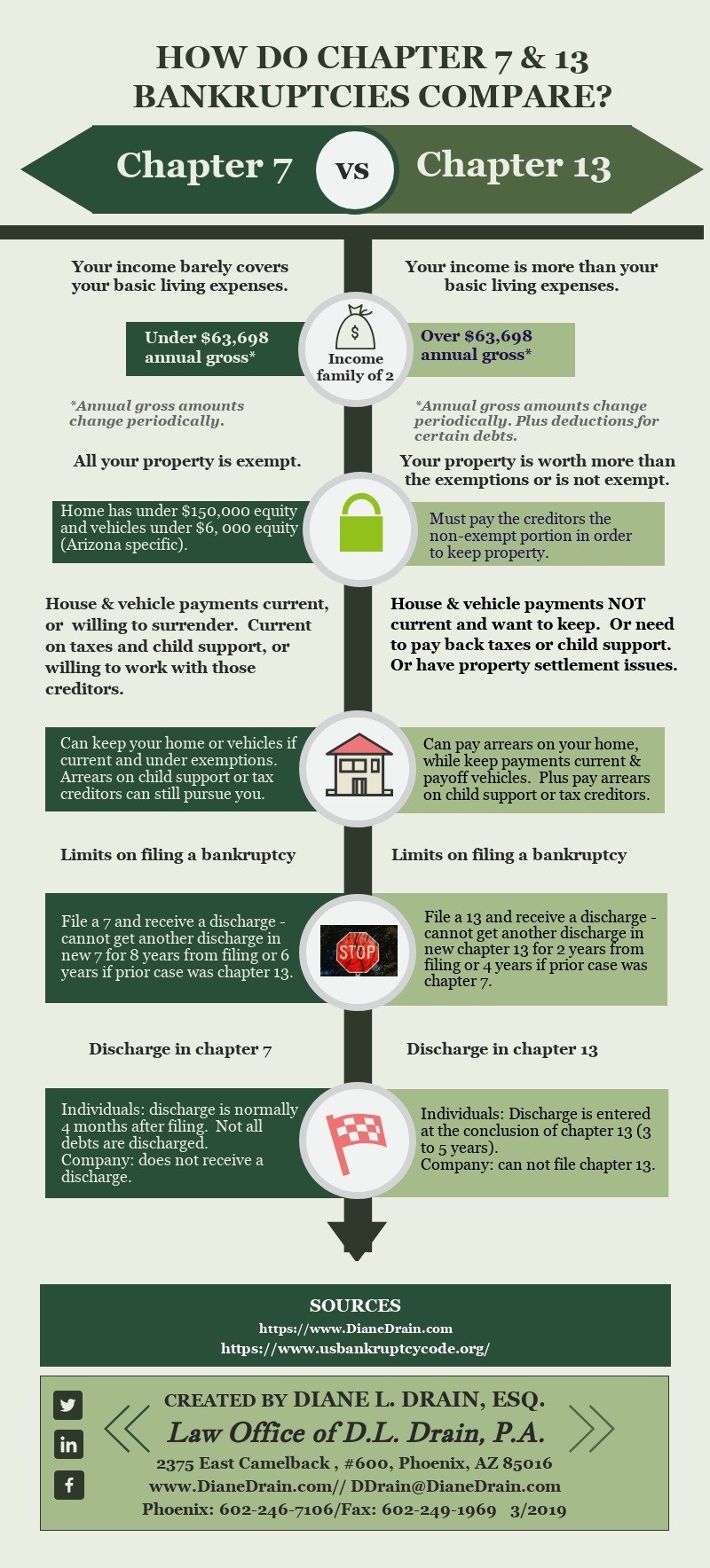
Chapter 7 bankruptcy is often referred to as “straight” or “liquidation” bankruptcy. It is designed for individuals who do not have the financial means to pay back their existing debts. The primary objective of Chapter 7 is to discharge unsecured debts—such as credit card balances, medical bills, and personal loans—as quickly as possible, typically within four to six months.
The Means Test and Eligibility
Not everyone can file for Chapter 7. To prevent abuse of the system, the Bankruptcy Abuse Prevention and Consumer Protection Act of 2005 introduced the “Means Test.” This test evaluates your average monthly income over the six months preceding your filing and compares it to the median income for a household of your size in your state. If your income is below the median, you automatically qualify. If it is above the median, a secondary calculation determines whether you have enough “disposable income” to pay back at least a portion of your debts through a Chapter 13 plan. If the court determines you have the means to pay, you may be barred from Chapter 7.
The Role of the Trustee and Asset Liquidation
In a Chapter 7 case, a court-appointed trustee is assigned to oversee the process. The trustee’s primary job is to identify “non-exempt” assets that can be sold to pay off creditors. However, it is a common misconception that filers lose everything. Each state (and the federal government) provides “exemptions” that protect certain types and amounts of property. Common exemptions include a portion of equity in a primary residence, a modest vehicle, clothing, household goods, and qualified retirement accounts like 401(k)s and IRAs. In many “no-asset” cases, the filer keeps all their property because everything they own falls under an exemption.
Timeline and Debt Discharge
The speed of Chapter 7 is one of its most significant advantages. Once the petition is filed, the automatic stay goes into effect, preventing creditors from calling, suing, or garnishing wages. Roughly 30 days later, the filer attends a “Meeting of Creditors” (also known as a 341 meeting). If the trustee finds no assets to liquidate and no creditors object, the court typically issues a discharge order within 60 to 90 days after the meeting. This discharge legally releases the debtor from personal liability for most unsecured debts.
Understanding Chapter 13: The Wage Earner’s Plan
Chapter 13 bankruptcy functions as a reorganization or “repayment plan.” It is tailored for individuals who have a regular source of income but are struggling to keep up with high debt loads or are facing immediate threats like home foreclosure or vehicle repossession. Unlike Chapter 7, Chapter 13 allows you to keep all your property, regardless of its value, provided you adhere to a court-approved repayment schedule.
Repayment Structures and Disposable Income
In a Chapter 13 filing, the debtor proposes a plan to pay back all or a portion of their debts over a period of three to five years. The length of the plan is determined by the debtor’s income relative to the state median. The monthly payment is calculated based on “disposable income”—the amount left over after paying “reasonable and necessary” living expenses. These payments are sent to a Chapter 13 trustee, who distributes the funds to creditors according to a specific hierarchy: priority debts (like child support and recent taxes) are paid first, followed by secured debts (like mortgages), and finally unsecured debts.
Protecting Your Assets (Home and Car)
The most powerful feature of Chapter 13 is its ability to save a home from foreclosure. If a homeowner has fallen behind on mortgage payments, Chapter 13 allows them to “cure the default” by spreading the past-due amounts over the life of the three-to-five-year plan, all while continuing to make regular current mortgage payments. Similarly, Chapter 13 can be used to restructure car loans, potentially lowering the interest rate or reducing the principal balance to the actual value of the vehicle through a process known as a “cramdown.”
Debt Limits and Long-Term Commitments
Chapter 13 is not available to everyone. It is reserved for individuals (not corporations) who fall within specific debt limits. As of current regulations, a debtor cannot have more than approximately $2.75 million in total debt (combined secured and unsecured). Furthermore, Chapter 13 requires a significant long-term commitment. Because the plan lasts several years, any windfalls—such as tax refunds or inheritances—often must be turned over to the trustee to pay creditors.
Key Differences: A Comparative Analysis
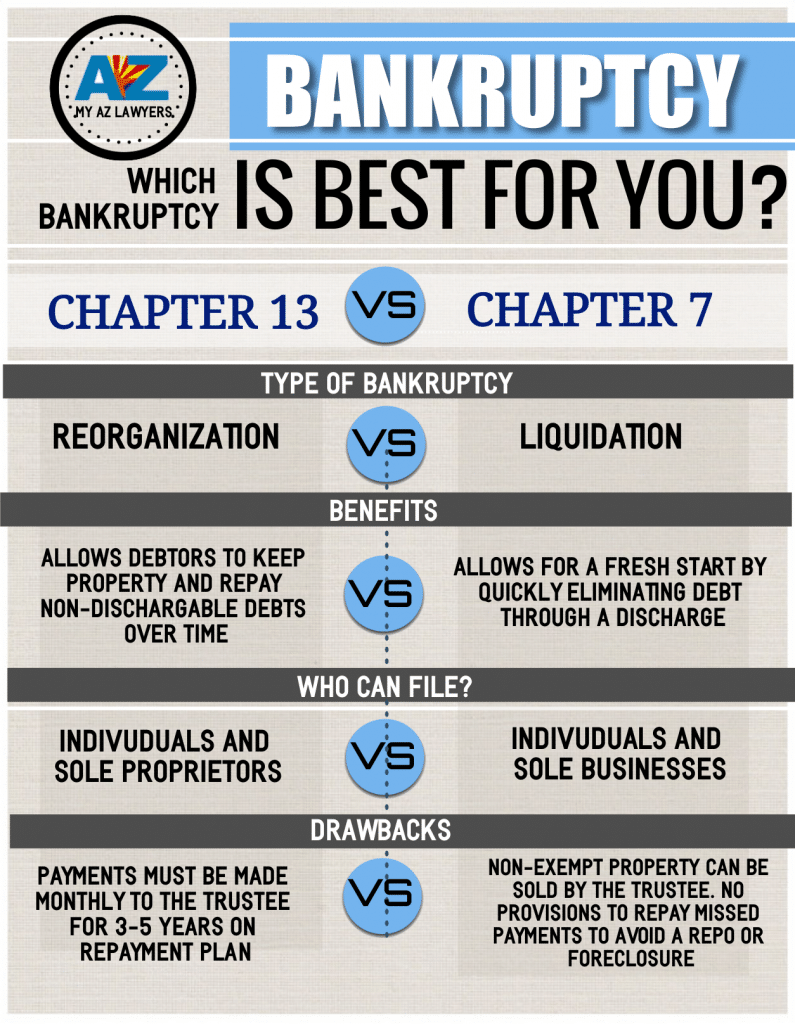
While both paths lead to debt relief, the practical differences between Chapter 7 and Chapter 13 influence everything from your daily budget to your credit report for years to come.
Timeframe and Duration
The most glaring difference is the duration. Chapter 7 is a “sprint,” concluding in a few months. This allows the individual to begin the financial rebuilding process almost immediately. Chapter 13 is a “marathon.” Debtors remain under the supervision of the bankruptcy court for up to five years. If a debtor fails to make a single payment during that time, the case may be dismissed, leaving the remaining debts intact and the assets vulnerable to creditors again.
Impact on Credit Scores and Future Borrowing
Both filings will negatively impact your credit score, but the duration of the “scar” on your credit report differs. A Chapter 7 bankruptcy stays on your credit report for 10 years from the filing date. A Chapter 13 bankruptcy typically stays on the report for 7 years. Interestingly, many people find it easier to qualify for a mortgage sooner after a Chapter 7 discharge (often two years for FHA loans) than they do while still in the middle of a Chapter 13 plan, though it is possible to buy a home during Chapter 13 with court permission.
Costs and Attorney Fees
The cost of filing also varies. Chapter 7 attorney fees are generally lower because the case is shorter and less complex. Most attorneys require these fees to be paid upfront because any unpaid legal fees would be discharged along with the other debts once the case is filed. In contrast, Chapter 13 attorney fees are higher due to the ongoing work required over several years. However, many jurisdictions allow “fee-only” or “low-down” filings for Chapter 13, where a portion of the attorney’s fees is bundled into the monthly repayment plan.
Strategic Decision-Making: Which Route is Right for Your Finances?
Choosing between these two chapters is rarely a matter of preference; it is usually dictated by your specific financial circumstances and your goals.
When Chapter 7 is the Optimal Choice
Chapter 7 is generally the best option for those who own very little property, have low income, and are overwhelmed by unsecured debt. If you are renting a home, own an older car, and have $50,000 in credit card debt with no way to pay it back, Chapter 7 offers the cleanest break. It allows you to wipe the slate clean and start directing your income toward savings and future goals rather than servicing high-interest debt.
When Chapter 13 Offers Better Protection
Chapter 13 is the strategic choice for those with “non-exempt” assets they wish to keep. For example, if you own a family heirloom or a piece of real estate that exceeds your state’s exemption limits, a Chapter 7 trustee would sell it. In Chapter 13, you can keep the asset by paying creditors an amount equal to the asset’s non-exempt value over the course of your plan. It is also the primary tool for those who are behind on “secured” debts (like a house or car) and want to catch up without the threat of repossession or foreclosure.
The Long-Term Financial Implications of Filing
Regardless of the chapter chosen, bankruptcy is a tool of financial management, not a permanent mark of failure. The goal is to move from a state of insolvency to a state of stability.
Rebuilding Credit After Discharge
Rebuilding credit begins the day the discharge is granted. For Chapter 7 filers, this happens quickly. For Chapter 13 filers, the consistent monthly payments made to the trustee can actually demonstrate financial discipline to future lenders. Many individuals find that their credit scores actually increase within a year of filing because their “debt-to-income” ratio has drastically improved, even though the bankruptcy filing remains on the record.

Psychological and Social Considerations
The financial stress of carrying unpayable debt takes a significant toll on mental health, productivity, and family life. The “difference” between Chapter 7 and Chapter 13 also involves the psychological experience of the filer. Chapter 7 provides immediate relief and a sense of closure. Chapter 13 provides a sense of “paying what you can,” which some find more ethically satisfying, though it requires much higher levels of sustained financial discipline.
In conclusion, Chapter 7 and Chapter 13 serve distinct purposes within the American financial system. One offers a quick exit for those with no means, while the other offers a structured recovery for those with income and assets to protect. By carefully analyzing income, debt types, and long-term objectives, individuals can leverage these legal frameworks to reclaim their financial future and build a foundation for lasting stability.
aViewFromTheCave is a participant in the Amazon Services LLC Associates Program, an affiliate advertising program designed to provide a means for sites to earn advertising fees by advertising and linking to Amazon.com. Amazon, the Amazon logo, AmazonSupply, and the AmazonSupply logo are trademarks of Amazon.com, Inc. or its affiliates. As an Amazon Associate we earn affiliate commissions from qualifying purchases.