
In the evolving landscape of sandbox survival games on the Roblox platform, “A Dusty Trip” has emerged as a standout title that prioritizes technical depth and mechanical realism. Inspired by titles like The Long Drive, this game challenges players to traverse a desolate wasteland, managing limited resources to keep their vehicle operational. Central to this technical challenge is the fuel system, specifically the utilization of diesel. For many players, understanding the technical distinction between fuel types is the difference between a successful expedition and a breakdown in the middle of a digital desert.
Understanding the Core Engine Mechanics of A Dusty Trip
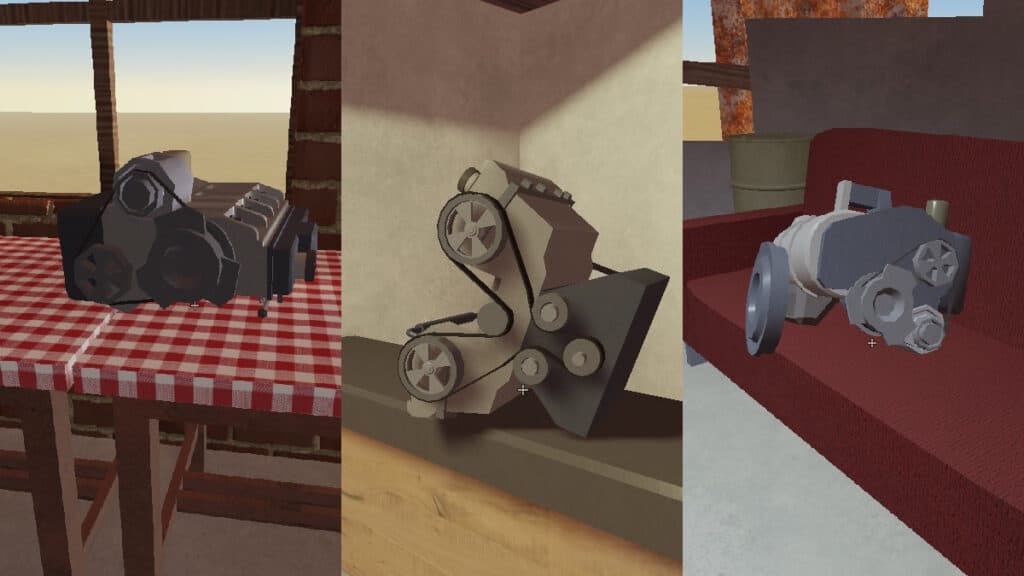
At its technical core, “A Dusty Trip” is a simulation of mechanical dependencies. Unlike arcade-style racing games where fuel is a generic bar that refills at a checkpoint, this game utilizes a complex system of variables to determine engine performance. The primary use of diesel in “A Dusty Trip” is to power specific high-torque, heavy-duty engine blocks that are designed for longevity and efficiency over long distances.
The Distinction Between Diesel and Gas Engines
From a programming perspective, the game treats engine types as unique objects with specific requirements. If a player finds a diesel engine—often identifiable by its larger size or specific model designation—it will only function if the “Diesel” fluid variable is present in the fuel tank.
The technical logic within the game script checks for a “fuel_type” match. If a player accidentally fills a gasoline-powered engine with diesel, or vice versa, the script triggers an engine failure state. This reflects real-world mechanical engineering where the ignition temperatures and compression ratios of diesel and gasoline are incompatible. In “A Dusty Trip,” the technical consequence of misfueling is often a complete engine stall, requiring the player to manually siphon the tank—a mechanic that highlights the game’s commitment to procedural realism.
Fluid Physics and Interaction in the Roblox Environment
The developers of “A Dusty Trip” have implemented a fluid interaction system that goes beyond simple item usage. Every liquid container in the game—be it a jerrycan, a bottle, or the vehicle’s fuel tank—contains data regarding its volume and composition.
Diesel is handled as a distinct data point. When a player pours diesel into a tank, the game calculates the mixing ratio if other fluids are present. This technical layer forces players to pay close attention to the UI tooltips. A tank that is 90% diesel and 10% water will result in poor engine performance or damage, simulating the “technical debt” of poor resource management. This granular approach to fluid physics is what elevates the game from a simple drive-and-survive to a technical simulator.
Resource Management as a Gameplay Loop
In “A Dusty Trip,” diesel is not just a fuel; it is a critical component of a broader resource management algorithm. The game’s difficulty curve is programmed around the scarcity of these resources, forcing players to interact with the environment in a highly methodical way.
Scavenging Algorithms and Loot Tables
The availability of diesel is governed by the game’s loot table logic. As players progress further into the map, the probability of finding specific fuel types shifts. Diesel is often found in larger, abandoned industrial structures or heavy-duty trucks scattered along the road.
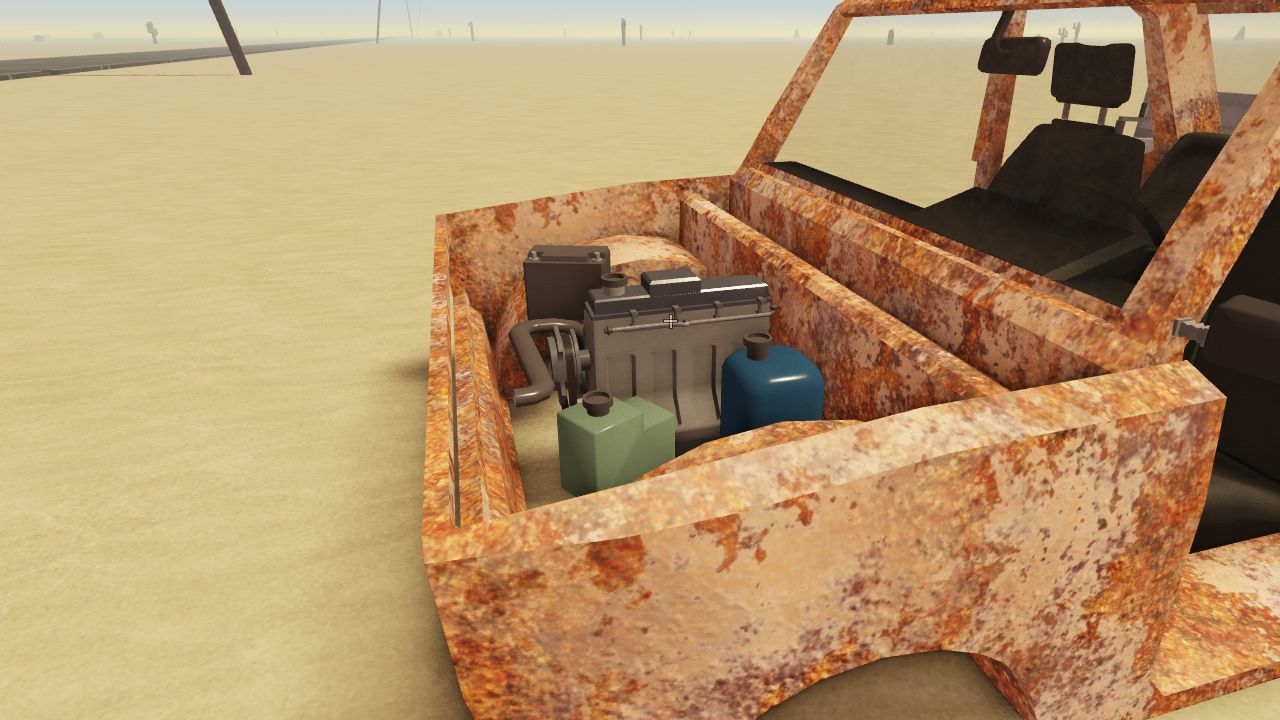
Technically, the game uses a randomized spawn system that balances the player’s current needs against the intended difficulty. Understanding the “tech” of scavenging involves recognizing the visual cues associated with diesel storage. Typically, green jerrycans or large barrels signify diesel. By analyzing the loot patterns, experienced players can optimize their “run,” ensuring they have enough high-density fuel to power the more robust diesel engines which offer better fuel economy over thousands of studs (the unit of measurement in Roblox).
The Technical Impact of Fuel Efficiency
One of the most interesting technical aspects of diesel in “A Dusty Trip” is its efficiency coefficient. Within the game’s code, diesel engines are often scripted to consume fuel at a slower rate than their gasoline counterparts, particularly when the vehicle is under a heavy load (such as carrying multiple spare tires and crates).
This efficiency is a calculated trade-off. While diesel engines might have a lower top speed (lower max velocity variables), their “fuelconsumptionrate” is optimized for the ” Dusty Trip” endurance loop. Players who understand this technical nuance will often prioritize finding a diesel engine for the early game to ensure they can cover more ground with less frequent stops.
Troubleshooting Vehicle Failures: A Technical Guide
The complexity of the vehicle system in “A Dusty Trip” means that simply having diesel is not enough; the engine must be part of a healthy, integrated system. Troubleshooting why a diesel-powered vehicle won’t start requires a technical understanding of the game’s interdependent variables.
Engine Swapping and Compatibility
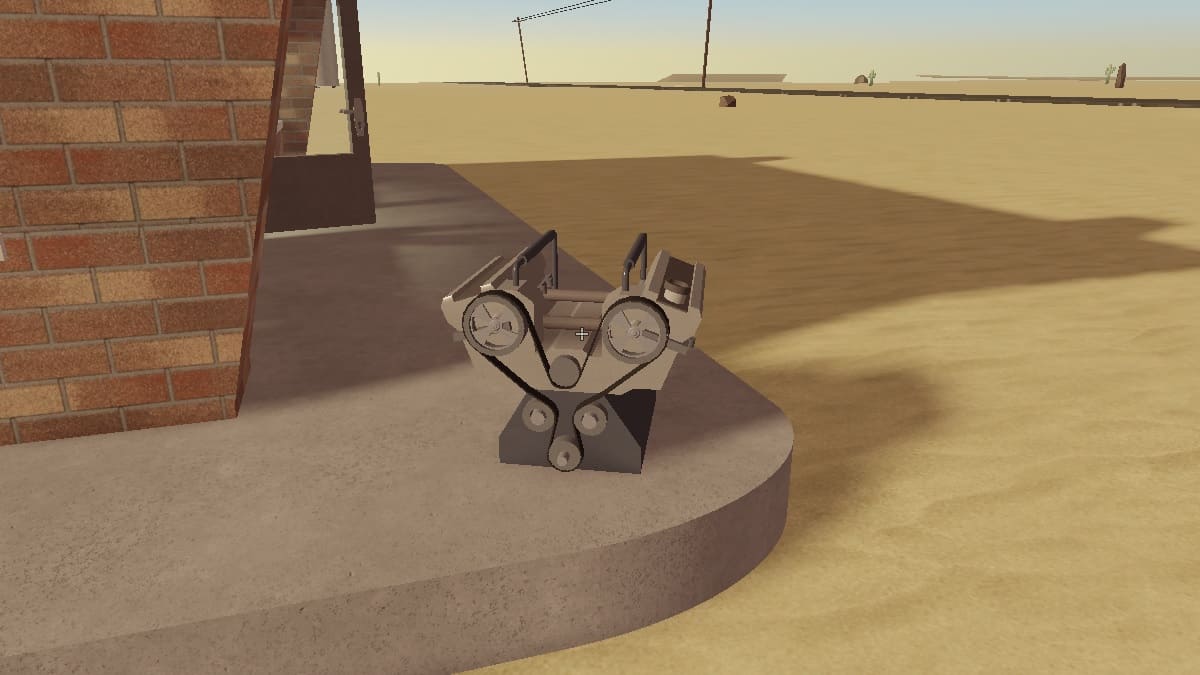
“A Dusty Trip” allows for a high degree of modularity. Players can remove an engine and replace it with a different one found in the world. This is a significant technical feature. When a player swaps a standard gas engine for a diesel engine, they must ensure the entire fuel delivery system is purged of the previous fuel type.
The technical workflow for a successful engine swap involves:
- Compatibility Check: Ensuring the engine block fits the chassis (standard vs. van vs. truck).
- Fuel Purge: Siphoning out old gasoline variables from the fuel tank.
- Fluid Injection: Filling the system with at least 1-2 liters of diesel to prime the engine script.
If these steps aren’t followed, the game’s “ignition_logic” will fail to return a “true” value, and the vehicle will remain stationary.
Radiators, Oil, and Coolant Synchronization
Diesel engines in the game generate heat at a different rate than gas engines. This introduces the technical necessity of monitoring the radiator and oil levels. A diesel engine running on low oil will eventually trigger a “break_part” event, leading to a permanent engine failure.
The UI provides real-time data on these levels. Technically, the “heat_variable” increases based on the engine’s RPM and the external temperature. The radiator, filled with water or coolant, acts as a heat sink. If the player neglects these sub-systems, the diesel engine—despite being robust—will seize. This interconnectedness is a hallmark of sophisticated technical game design, where one resource (diesel) is useless without the support of others (oil and water).
The Evolution of Survival Game Logic on the Roblox Platform
“A Dusty Trip” represents a shift in how games are developed on Roblox. Moving away from simple clicker mechanics, developers are now using Luau (Roblox’s coding language) to create complex, state-based systems. The diesel mechanic is a prime example of this evolution.
Scripting Complex Interactions in a Sandbox World
The interaction between the player’s hand, the diesel container, and the fuel tank involves a chain of technical events.
- Raycasting: The game uses raycasting to determine exactly where the fluid is being poured.
- Proximity Prompts: These trigger the transfer of data (fuel volume) from the container to the vehicle.
- State Persistence: The game must remember exactly how much diesel is in your tank even if you move miles away from your starting point, requiring efficient data storage and chunk loading.
These technical hurdles are handled seamlessly, providing a “hard-core” survival experience that rivals standalone PC titles. The use of diesel as a specific, non-interchangeable fuel type is a deliberate design choice to increase the technical complexity of the player’s journey.
Future Technical Updates and Optimization
As “A Dusty Trip” continues to receive updates, the technical role of diesel is likely to expand. Developers often hint at the introduction of different “grades” of fuel or even bio-diesel crafting mechanics. From a technical standpoint, this would involve adding new IDs to the fluid database and adjusting the combustion scripts to account for different octane or cetane ratings.
Furthermore, optimization is a constant focus. Handling the physics of a moving vehicle with multiple “loose” parts (doors, wheels, engines) is CPU-intensive. The technical challenge for the developers is to keep the fuel and engine simulation accurate without causing “lag” or physics glitches, especially when the vehicle is traveling at high speeds across procedurally generated terrain.
In conclusion, diesel in “A Dusty Trip” is far more than a simple inventory item. It is the lifeblood of the game’s most efficient engines and a core component of its complex mechanical simulation. By requiring players to understand the technical requirements of their vehicle, manage fluid compatibility, and navigate the scarcity of resources, the game provides a deeply rewarding technical challenge. Whether you are siphoning a derelict truck or carefully monitoring your temperature gauge, the diesel mechanic is central to the “A Dusty Trip” experience, grounding the fantastical wasteland in a sense of realistic, technical struggle.
aViewFromTheCave is a participant in the Amazon Services LLC Associates Program, an affiliate advertising program designed to provide a means for sites to earn advertising fees by advertising and linking to Amazon.com. Amazon, the Amazon logo, AmazonSupply, and the AmazonSupply logo are trademarks of Amazon.com, Inc. or its affiliates. As an Amazon Associate we earn affiliate commissions from qualifying purchases.