
The ubiquitous nature of electricity in our daily lives is undeniable. From the moment we wake up to the soft glow of our alarm clock to the late-night streaming of our favorite shows, electrical devices are integral to our routines. However, as our reliance on technology deepens, so does our consumption of electricity. This escalating demand raises a crucial question for individuals and organizations alike: what, precisely, consumes more electricity in the realm of modern technology? Understanding this energy landscape is no longer a niche concern for environmentalists; it’s a fundamental aspect of efficient technology adoption, cost management, and responsible digital citizenship.
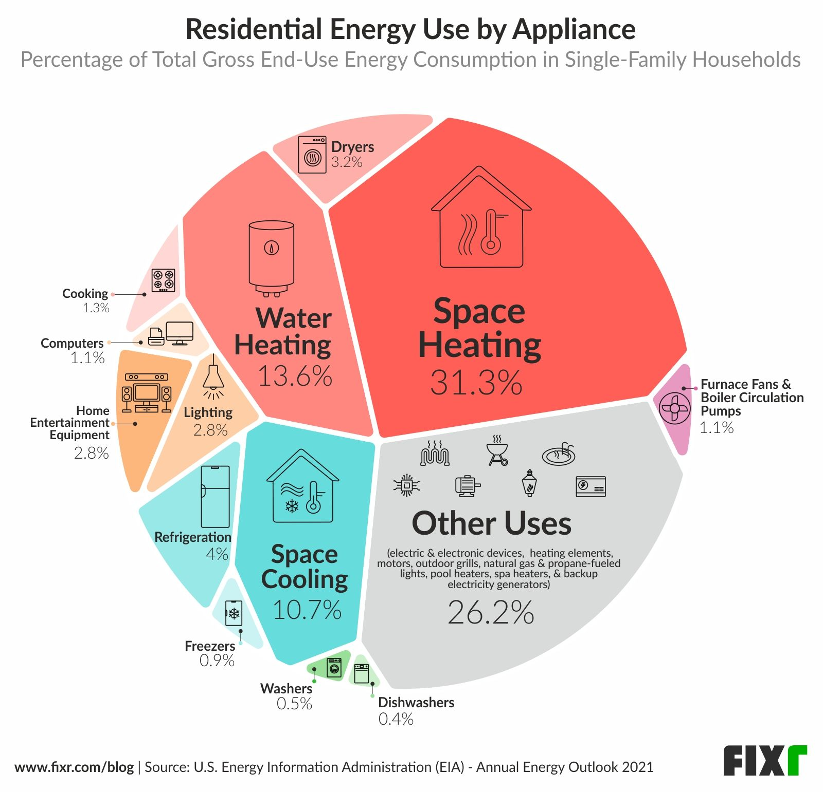
This exploration delves into the technological drivers of electricity consumption, dissecting the devices and systems that are the primary energy drains. We will move beyond simply listing culprits, instead focusing on the underlying principles, the comparative impacts, and the evolving trends that shape our energy footprint in the digital age. By gaining a clearer picture of where our electricity is going, we can make more informed decisions, optimize our technological environments, and contribute to a more sustainable future.
The Power-Hungry Giants: Data Centers and Their Insatiable Appetite
At the apex of technological electricity consumption lie the colossal infrastructures that power our digital world: data centers. These are not just rooms filled with servers; they are intricate ecosystems designed for relentless processing, storage, and transmission of data. Their energy demands are staggering and continue to grow exponentially.
The Pillars of the Digital Economy: Servers and Processing Power
The fundamental function of a data center is to house and operate servers. These machines, responsible for everything from hosting websites and running cloud applications to performing complex calculations for AI and scientific research, are the engines of the digital economy. Each server, packed with powerful processors, memory, and storage, draws a significant amount of power. The sheer volume of these servers, often numbering in the tens of thousands or even hundreds of thousands within a single facility, creates a massive collective draw.
The processing power required for modern applications, especially those involving machine learning, artificial intelligence, and high-performance computing, is particularly energy-intensive. Training complex AI models, for instance, can require thousands of GPUs (Graphics Processing Units) running concurrently for extended periods, pushing the boundaries of energy efficiency. The constant need for faster processing speeds and greater capacity directly translates into higher electricity consumption. As data volumes explode and computational demands soar, the energy required to power these server farms becomes a critical factor.
Keeping the Cool: Cooling Systems as Major Energy Consumers
Beyond the direct energy used by IT equipment, a substantial portion of a data center’s electricity consumption is dedicated to maintaining optimal operating temperatures. Servers generate immense amounts of heat, and without effective cooling, they would quickly overheat, leading to performance degradation and potential hardware failure.
Cooling systems, such as chillers, air conditioners, and sophisticated airflow management, are essential but notoriously energy-hungry. These systems often operate 24/7, working to dissipate the heat generated by thousands of active processors. The efficiency of these cooling systems can vary dramatically. Older, less efficient methods, or facilities in warmer climates, require significantly more energy to maintain the desired low temperatures. Innovations in free cooling (utilizing outside air), liquid cooling, and more efficient chiller technologies are constantly being developed to mitigate this substantial energy drain, but the fundamental need for robust cooling remains a major component of data center electricity usage.
The Unseen Drain: Networking and Ancillary Systems
While servers and cooling systems dominate the discussion, it’s crucial to acknowledge the significant energy consumed by other components within a data center. The intricate network of switches, routers, and other networking equipment that facilitates data flow between servers and to the outside world also draws power. These devices, while individually less power-hungry than a server, are numerous and operate continuously.
Furthermore, data centers require a robust power infrastructure, including uninterruptible power supplies (UPSs) and backup generators. These systems, while critical for reliability, also consume electricity, both during normal operation and in standby mode. Power distribution units (PDUs) that manage the flow of electricity to individual racks and servers also contribute to the overall energy footprint. Therefore, when considering the total electricity consumption of a data center, it’s a holistic view of all these interconnected systems that provides a complete picture.
The Personal Tech Ecosystem: Devices in Our Homes and Offices
Beyond the large-scale infrastructure of data centers, the devices we interact with daily in our homes and offices constitute another significant, albeit distributed, segment of electricity consumption. This category encompasses a vast array of gadgets, appliances, and personal computing devices.
Computing Powerhouses: Desktops, Laptops, and Their Peripherals
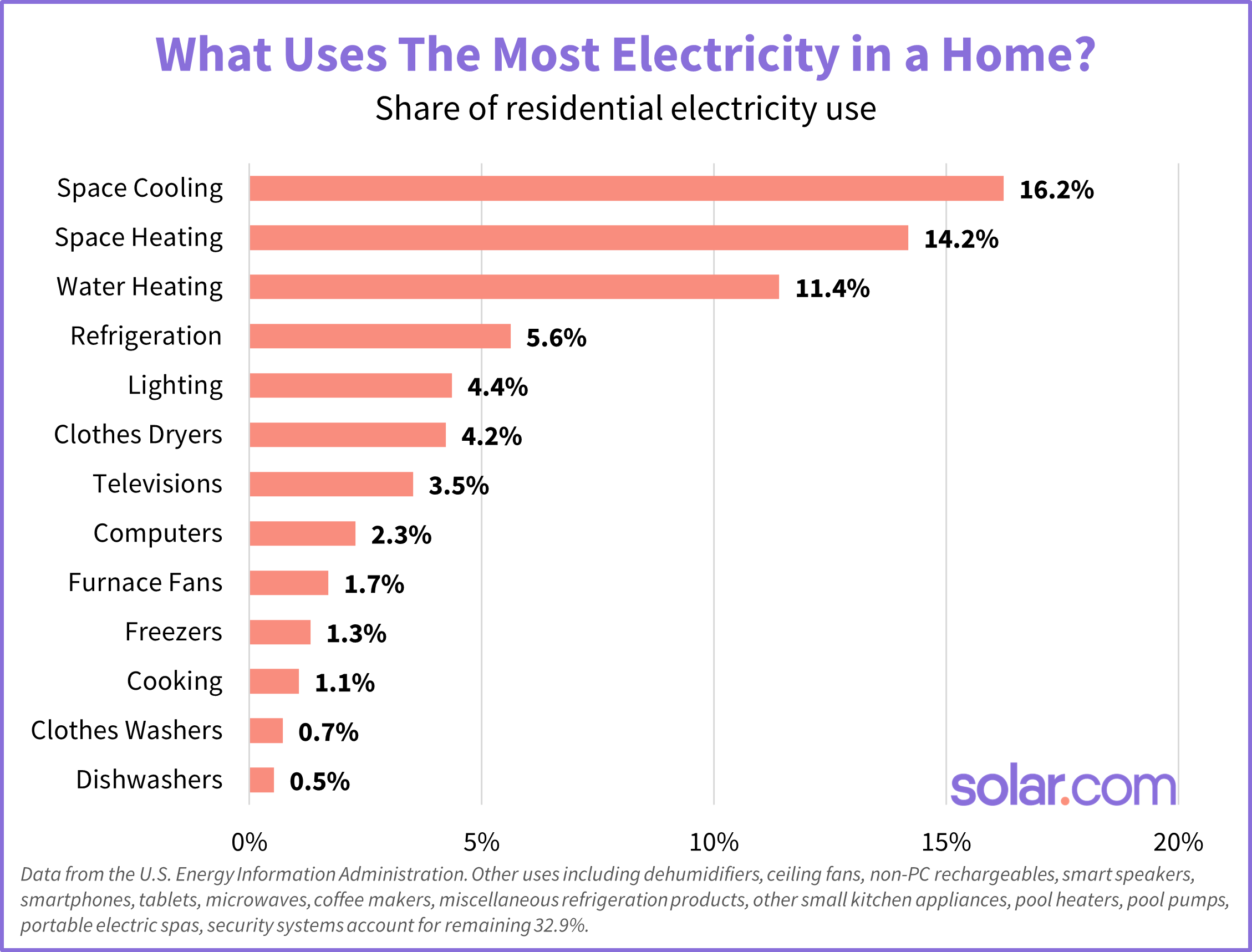
Personal computers, whether desktops or laptops, are central to modern work and entertainment. Desktops, generally more powerful, tend to consume more electricity than laptops. This is due to larger power supplies, more robust cooling systems, and the need to power larger displays. High-performance gaming PCs, with their dedicated graphics cards and powerful processors, can be particularly energy-intensive, often rivaling the power consumption of some smaller servers.
Laptops, while designed for portability and energy efficiency, still contribute to overall consumption. Their power draw varies greatly depending on usage – from light web browsing to intensive video editing or gaming. Peripherals such as external monitors, hard drives, speakers, and webcams, while individually consuming less power, add to the total electricity draw when used in conjunction with a computer. The persistent “phantom load” or “vampire draw” of devices left plugged in, even when not in active use, also contributes to this consumption.
The Entertainment Hub: Smart TVs, Gaming Consoles, and Streaming Devices
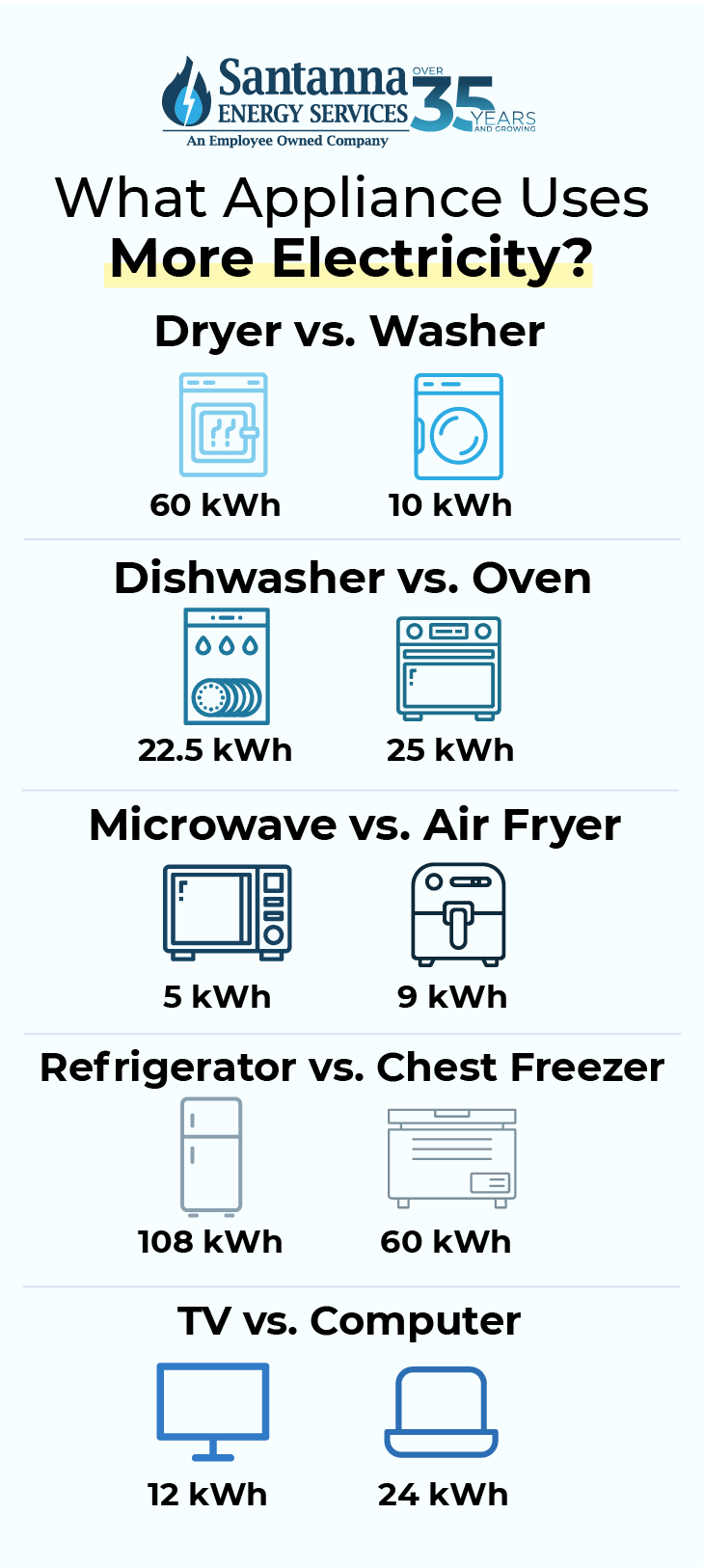
The way we consume entertainment has dramatically shifted, and with it, the electricity demands of our entertainment devices. Large, high-resolution smart TVs, especially those employing technologies like OLED or QLED, can consume considerable power, particularly when displaying bright images or playing content at high refresh rates. The processing power required to run smart TV apps and navigate interfaces also adds to their energy footprint.
Gaming consoles represent another significant energy consumer. Modern consoles are essentially powerful mini-computers designed for graphically intensive gaming. They require substantial power to run their processors, graphics cards, and cooling systems. Extended gaming sessions can therefore contribute significantly to household electricity bills. Similarly, streaming devices, while generally more efficient than full-fledged computers or gaming consoles, still contribute to the overall load, especially when multiple devices are in use simultaneously.
The Connected Home: Smart Appliances and the Internet of Things (IoT)
The proliferation of the Internet of Things (IoT) has brought a new wave of connected devices into our lives. Smart appliances, such as refrigerators, washing machines, thermostats, and lighting systems, promise convenience and efficiency. However, each connected device, with its embedded processors, Wi-Fi connectivity, and sensors, requires a constant supply of electricity.
While individual smart appliances may have a lower power draw than their traditional counterparts, the sheer number of these devices in a modern home can lead to a cumulative increase in energy consumption. The constant communication between these devices and the internet, and the energy used by the servers that manage them, also adds to the overall picture. Furthermore, the development of more energy-efficient IoT devices and smarter power management strategies will be crucial in controlling the energy impact of this growing technological trend.
Emerging Trends and the Future of Electricity Consumption in Tech
The landscape of electricity consumption in technology is not static. Rapid advancements and evolving user behaviors are constantly reshaping which technologies are the most power-hungry and how we can manage this consumption more effectively.
The Rise of AI and High-Performance Computing
As mentioned earlier, Artificial Intelligence and High-Performance Computing (HPC) are rapidly becoming dominant forces in electricity consumption. The training of massive neural networks, the execution of complex simulations for scientific research, and the deployment of AI in various industries all demand enormous computational resources. This translates directly into an increased need for powerful processors (CPUs and GPUs), specialized AI accelerators, and the robust cooling infrastructure to support them. Data centers are increasingly being reconfigured and built with AI workloads in mind, leading to specialized hardware and optimized power delivery systems. The continued development and widespread adoption of AI will undoubtedly make it one of the most significant drivers of electricity demand in the coming years.
The Evolving Nature of Cloud Computing and Edge Computing
Cloud computing, while offering scalability and cost-effectiveness, relies heavily on centralized data centers, whose energy consumption we have already discussed. However, the trend is also moving towards edge computing, where data processing and analysis occur closer to the source of data generation. This can include devices at the “edge” of the network, such as sensors in factories, smart city infrastructure, or even individual smartphones. While edge computing aims to reduce latency and bandwidth requirements, it introduces a more distributed form of energy consumption. The aggregation of numerous smaller computing devices at the edge, each with its own power needs, will require careful consideration in terms of overall energy management and efficiency. Balancing the energy demands of large, centralized cloud infrastructure with the distributed nature of edge computing will be a key challenge.
The Imperative of Energy Efficiency and Sustainable Technologies
The growing awareness of climate change and the increasing cost of energy have fueled a strong drive towards energy efficiency across the technology sector. Manufacturers are investing heavily in developing more power-efficient processors, displays, and power supplies. Software developers are optimizing their applications to consume less computational power. Data centers are adopting advanced cooling techniques, renewable energy sources, and sophisticated energy management systems. Furthermore, the concept of “green IT” is gaining traction, focusing on reducing the environmental impact of technology throughout its lifecycle, from manufacturing to disposal, with energy consumption being a central pillar. The future of electricity consumption in tech will largely depend on our collective ability to innovate and implement these energy-saving solutions. Consumers, too, play a role by making informed purchasing decisions and adopting energy-conscious usage habits.
In conclusion, the question of “what consumes more electricity” in the tech domain is a complex one, with no single, simple answer. It is a dynamic interplay between massive, centralized data centers powering our digital infrastructure and the vast array of personal devices we use daily. The continuous evolution of technology, particularly the ascent of AI and the decentralization offered by edge computing, presents both challenges and opportunities in managing our energy footprint. The path forward lies in a concerted effort towards innovation in energy efficiency, the adoption of sustainable practices, and a growing consciousness of the energy implications of our technological choices.
aViewFromTheCave is a participant in the Amazon Services LLC Associates Program, an affiliate advertising program designed to provide a means for sites to earn advertising fees by advertising and linking to Amazon.com. Amazon, the Amazon logo, AmazonSupply, and the AmazonSupply logo are trademarks of Amazon.com, Inc. or its affiliates. As an Amazon Associate we earn affiliate commissions from qualifying purchases.