
In the landscape of chronic health conditions, diabetes stands out for its profound reliance on data. Understanding “diabetes levels” is not merely about grasping medical terminology; it’s about interpreting a continuous stream of physiological information to make informed decisions that impact daily health and long-term well-being. Historically, this interpretation was a manual, often sporadic, process. Today, however, technology has fundamentally reshaped how we define, monitor, and react to these crucial metrics, transforming diabetes management into an increasingly precise, personalized, and proactive endeavor. This article delves into what diabetes levels truly signify, viewed through the lens of the technological innovations that empower patients and healthcare professionals alike.
The Technological Revolution in Glucose Monitoring
The cornerstone of understanding diabetes levels lies in glucose monitoring. For decades, this process was characterized by inconvenience and limited insights. The advent of sophisticated technologies has not only made monitoring easier but has also painted a far more comprehensive picture of an individual’s glycemic status.
From Finger Pricks to Continuous Glucose Monitors (CGMs)
The journey from traditional blood glucose meters (BGMs) to continuous glucose monitors (CGMs) represents a paradigm shift. BGMs, while essential, provide only snapshots of glucose levels at specific points in time. Users obtain a reading by pricking their finger to draw blood, which is then applied to a test strip. This method, though still valuable, offers limited insight into trends or rapid fluctuations.
CGMs, on the other hand, are a marvel of miniaturized biosensing technology. These devices feature a tiny sensor inserted under the skin, typically on the arm or abdomen, which measures glucose levels in the interstitial fluid every few minutes. This continuous stream of data is then wirelessly transmitted to a receiver, smartphone app, or smart insulin pump. The real-time nature of CGM data provides users with dynamic insights: they can see their glucose levels rising after a meal, understand the impact of exercise, and identify nocturnal lows. This constant feedback loop empowers users to make immediate adjustments to their diet, activity, or medication, moving from reactive management to proactive intervention. Furthermore, many CGMs come with customizable alarms that alert users to dangerously high or low glucose levels, significantly enhancing safety and peace of mind.
Smart Meters and Data Synchronization
Even for those who primarily rely on finger-prick testing, technology has brought significant improvements. Modern smart blood glucose meters are far more than simple measurement devices. They often feature Bluetooth connectivity, allowing them to automatically synchronize readings with companion smartphone apps or cloud-based platforms. This eliminates the need for manual logging, reducing errors and ensuring that all data is consolidated in one easily accessible location. These smart meters can also provide average readings, identify patterns, and even offer medication reminders, integrating seamlessly into a broader digital health ecosystem. The ability to effortlessly share this synchronized data with healthcare providers during consultations has also streamlined appointments, enabling more efficient and data-driven clinical decisions.
Interpreting Diabetes Levels with Digital Tools
Collecting data is only half the battle; the true power lies in interpretation. Digital tools, powered by advanced algorithms and artificial intelligence, are transforming raw glucose numbers into actionable insights, helping individuals understand the deeper meaning of their diabetes levels.
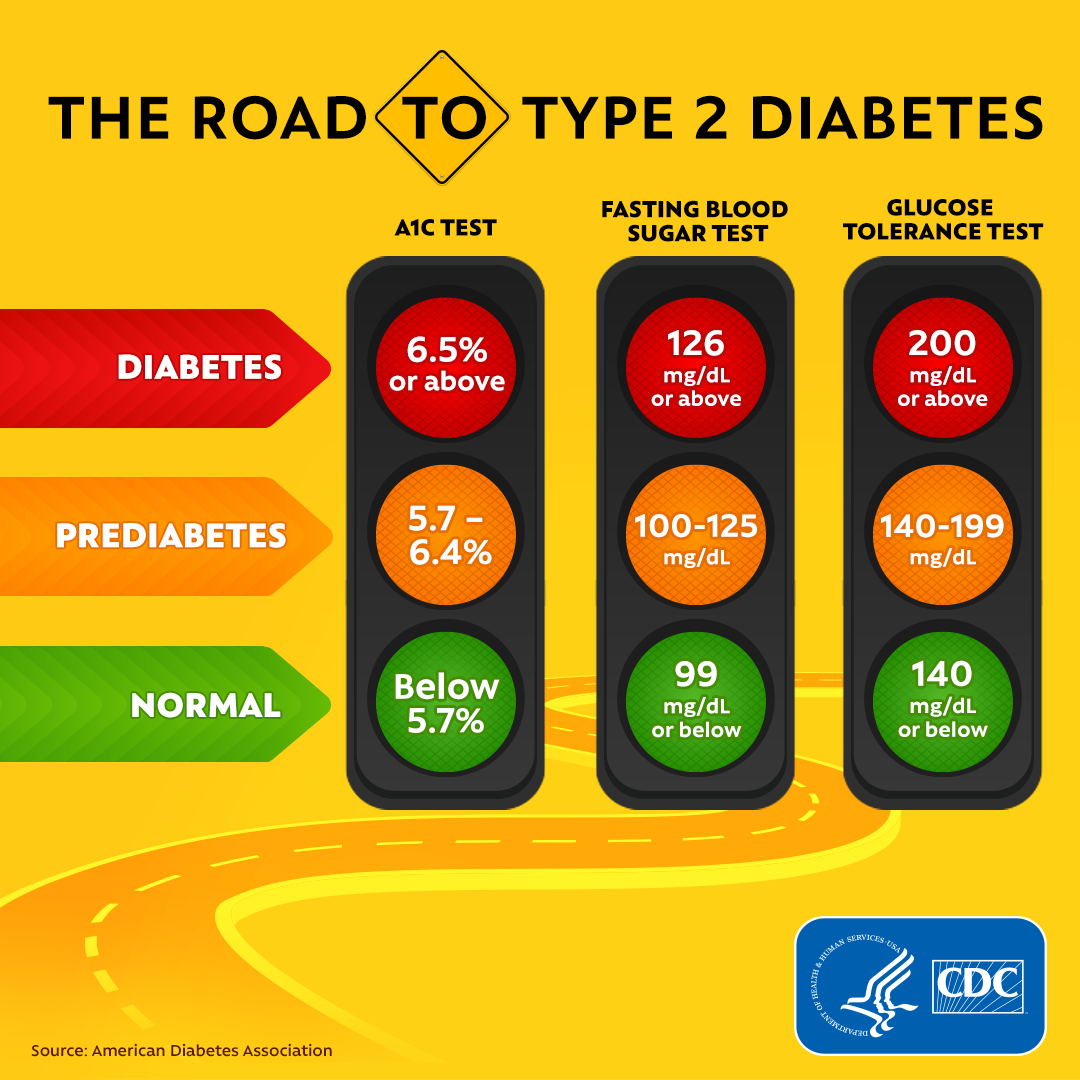
Understanding Glucose Metrics: A1C, Fasting, Post-Meal, and More
While CGMs provide real-time data, understanding “diabetes levels” also requires familiarity with various metrics, all of which are increasingly managed and interpreted through digital platforms.
- HbA1c (Glycated Hemoglobin): Often referred to as simply A1C, this is a long-term indicator, reflecting average blood glucose levels over the past 2-3 months. While traditionally measured in a lab, many diabetes management apps allow users to manually log their A1C results, tracking its trend over time. Some emerging technologies are also exploring point-of-care A1C testing that integrates directly with digital health records.
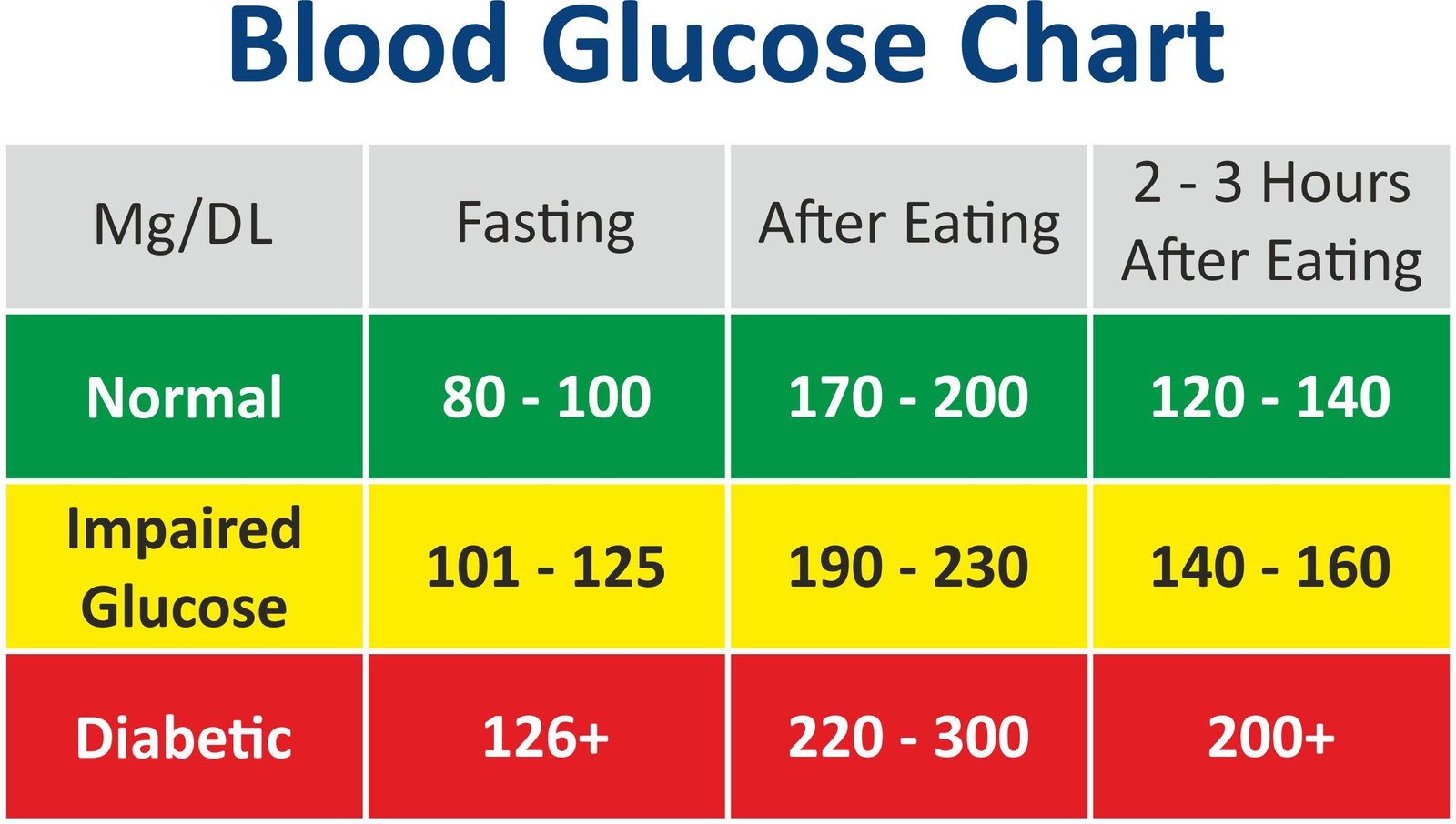
- Fasting Blood Glucose: This level is measured after an overnight fast and indicates baseline glucose control. Digital logs within apps allow for easy tracking of fasting levels, helping users and their doctors identify consistent patterns that might require medication adjustments.
- Post-Meal Glucose: Readings taken 1-2 hours after eating are crucial for understanding how specific foods impact blood sugar. Advanced apps allow users to log meals, often with nutritional information, and correlate this data directly with post-meal glucose spikes, providing personalized dietary insights.
- Time in Range (TIR): A relatively newer and increasingly important metric, TIR, derived primarily from CGM data, represents the percentage of time an individual’s glucose levels remain within a target range (e.g., 70-180 mg/dL). Digital platforms provide intuitive visualizations of TIR, offering a more nuanced view of glucose control than A1C alone, highlighting variability and the frequency of highs and lows.
The Role of AI and Machine Learning in Predictive Analytics
The sheer volume of data generated by modern glucose monitoring systems is too vast for human analysis alone. This is where artificial intelligence (AI) and machine learning (ML) come into play. These technologies can process continuous streams of glucose data, alongside other inputs like food logs, exercise, sleep patterns, and medication dosages, to identify subtle trends and predict future glucose excursions.
AI-powered algorithms can, for example, alert a user to a likely hypoglycemic event several hours before it occurs, based on current trends and historical data. They can suggest optimal insulin doses, predict the impact of different meal choices, or even recommend adjustments to exercise routines. This predictive capability moves diabetes management from reactive problem-solving to proactive prevention, minimizing adverse events and optimizing glycemic control with unprecedented precision. These tools also learn and adapt over time, becoming more accurate as they accumulate more of an individual’s unique data, making management truly personalized.
Apps and Platforms: Centralizing Diabetes Management Data
At the heart of technologically-driven diabetes management are sophisticated apps and digital platforms. These serve as central hubs for data collection, analysis, and communication, making the complexities of diabetes levels more manageable and understandable.
Personalized Insights and Trend Analysis
Modern diabetes management apps are far more than just digital logbooks. They integrate data from CGMs, smart meters, activity trackers, and even manual entries for meals and medication. With this comprehensive dataset, they generate personalized reports, graphs, and visualizations that highlight critical trends. Users can easily see how different factors—dietary choices, stress levels, sleep quality, and physical activity—impact their glucose levels. These apps often provide intuitive dashboards that distill complex data into easily digestible insights, empowering users to understand patterns that might lead to highs or lows and make proactive lifestyle adjustments. Some even offer gamified elements or peer support communities, fostering engagement and a sense of shared experience.
Integration with Wearables and Health Ecosystems
The utility of diabetes apps is amplified by their ability to integrate with a broader ecosystem of wearable devices and digital health platforms. Activity trackers (e.g., smartwatches, fitness bands) can sync data on steps, heart rate, and sleep directly into diabetes management apps, allowing for comprehensive correlation with glucose levels. For instance, a user might observe that insufficient sleep consistently leads to higher fasting glucose levels.
Beyond individual devices, these apps are increasingly designed to integrate with electronic health records (EHRs) and telehealth platforms. This seamless data flow enables healthcare providers to access a complete and real-time picture of a patient’s diabetes levels, even between appointments. It facilitates remote monitoring, allows for more timely adjustments to treatment plans, and supports virtual consultations, making healthcare more accessible and efficient. The goal is to create a cohesive digital environment where all relevant health data contributes to a holistic understanding and management of diabetes.
The Future of Diabetes Level Management: Emerging Technologies
The pace of innovation in diabetes technology shows no signs of slowing. The future promises even more integrated, automated, and personalized solutions that will continue to redefine how we understand and manage diabetes levels.
Automated Insulin Delivery Systems (AID)
Automated Insulin Delivery (AID) systems, often referred to as “artificial pancreases,” represent a significant leap forward. These systems integrate a CGM with an insulin pump and a sophisticated control algorithm. The algorithm continuously receives glucose data from the CGM and automatically adjusts insulin delivery through the pump to keep glucose levels within a target range, minimizing both highs and lows. While still requiring some user input (e.g., meal announcements), these “hybrid closed-loop” systems significantly reduce the burden of manual management, offering unprecedented glycemic control and improving quality of life for many individuals with type 1 diabetes. Full closed-loop systems, which require no user input at all, are the ultimate goal and are continuously being refined.
Non-Invasive Glucose Monitoring & Smart Implants
The pursuit of truly non-invasive glucose monitoring remains a holy grail in diabetes technology. Imagine a future where glucose levels can be accurately measured without any skin penetration—perhaps through smart contact lenses, wearables that analyze sweat, or sophisticated optical sensors. Several companies are actively researching and developing these technologies, promising a future where monitoring is utterly seamless and pain-free.
Furthermore, smart implants are another area of exciting development. These could range from long-term implantable glucose sensors that provide data for months without replacement, to advanced implantable insulin delivery devices that offer even greater autonomy and precision. These futuristic technologies aim to make diabetes management so integrated and automatic that it virtually disappears into the background of daily life, allowing individuals to focus less on their condition and more on living fully.

Conclusion
Understanding “diabetes levels” in the modern era means recognizing the profound impact of technology. From continuous glucose monitoring and smart meters that capture real-time data, to AI-driven analytics that predict future trends, and integrated platforms that centralize all health information, technology has transformed a complex medical condition into a manageable data challenge. As we look to the future, with advancements like automated insulin delivery systems and truly non-invasive monitoring, the promise of precision, personalization, and proactive management continues to grow. These innovations not only illuminate what diabetes levels are but also empower individuals to master them, paving the way for healthier, more confident lives.
aViewFromTheCave is a participant in the Amazon Services LLC Associates Program, an affiliate advertising program designed to provide a means for sites to earn advertising fees by advertising and linking to Amazon.com. Amazon, the Amazon logo, AmazonSupply, and the AmazonSupply logo are trademarks of Amazon.com, Inc. or its affiliates. As an Amazon Associate we earn affiliate commissions from qualifying purchases.