
In the contemporary medical landscape, the term “dental cleaning” has undergone a radical transformation. What was once a rudimentary process of manual scraping and polishing has evolved into a sophisticated technological procedure known as professional dental prophylaxis. In the era of Industry 4.0, dental cleaning is no longer just a hygiene appointment; it is a high-tech intersection of ultrasonic physics, laser biology, and artificial intelligence.
To understand what modern dental cleaning is, one must look beyond the chair and into the suite of hardware and software tools that practitioners use to disrupt oral biofilms. This article explores the technological architecture of modern dental cleaning, the AI-driven diagnostics that guide it, and the digital future of preventive oral maintenance.
Beyond the Scraping: The Technological Foundation of Modern Prophylaxis
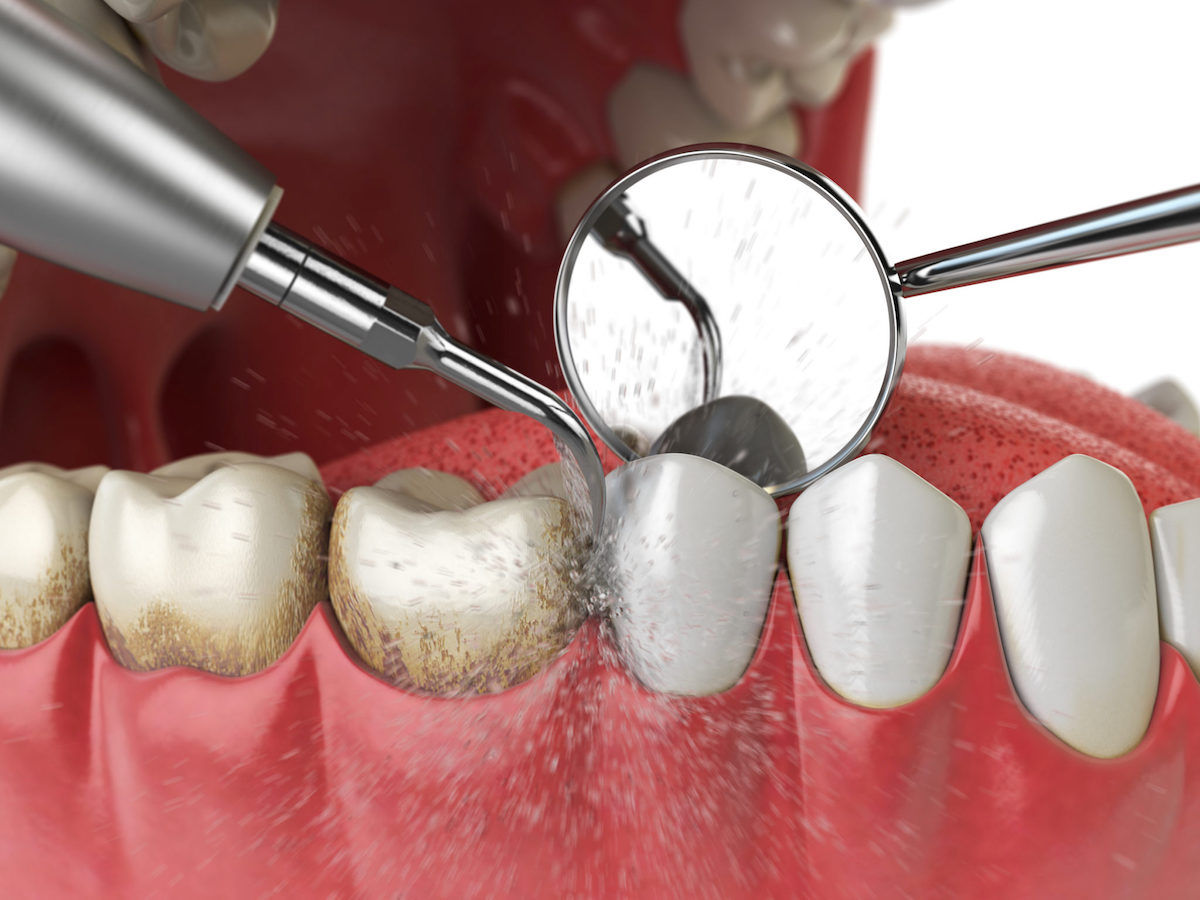
At its core, dental cleaning is the systematic removal of dental plaque (biofilm) and calculus (tartar). However, the “how” has shifted from mechanical force to precision technology. The modern dental suite utilizes specialized equipment designed to maximize efficiency while minimizing trauma to the tooth structure.
Ultrasonic Scaling and Piezoelectric Technology
The cornerstone of modern professional cleaning is the ultrasonic scaler. Unlike manual hand instruments that rely on the clinician’s physical leverage, ultrasonic scalers use high-frequency sound waves to shatter calculus deposits. There are two primary technologies at play: magnetostrictive and piezoelectric.
Piezoelectric scalers utilize ceramic discs that expand and contract when subjected to an electric current, creating linear vibrations at frequencies between 25,000 and 50,000 Hz. This technology allows for extreme precision, enabling the removal of hardened deposits with minimal heat generation. The accompanying “cavitation” effect—where microscopic bubbles form and collapse in the irrigation fluid—chemically disrupts the cell walls of harmful bacteria, effectively “cleaning” the area at a molecular level before the tool even touches the tooth.
Air Polishing and Guided Biofilm Therapy (GBT)
The evolution of “polishing” has moved away from the gritty prophy paste and rubber cups toward air-flow technology. Guided Biofilm Therapy (GBT) represents a significant tech trend in dentistry. It utilizes a pressurized stream of air, water, and erythritol powder. This fine-tuned delivery system can reach deep into periodontal pockets and around orthodontic brackets that traditional tools cannot access. The software-controlled pressure settings ensure that the soft tissues remain unharmed while the biofilm is completely eradicated.
The Role of Artificial Intelligence and Imaging in Preventive Maintenance
A dental cleaning is only as effective as the diagnostic data supporting it. In the tech-integrated office, practitioners no longer rely solely on visual inspection. They use a stack of imaging tools and AI algorithms to map the “topography” of the mouth.
AI-Driven Diagnostics and Plaque Detection
Artificial Intelligence (AI) has become a primary tool in identifying where a cleaning needs to be most intensive. Modern intraoral cameras are often equipped with fluorescence technology. When a specific wavelength of light is emitted, the AI software analyzes the reflection to highlight active bacterial colonies that are invisible to the naked eye.
Furthermore, AI platforms like Overjet or Pearl are being integrated into dental software to analyze radiographs (X-rays) in real-time. These tools can detect subgingival calculus (tartar below the gum line) with a higher degree of accuracy than human practitioners, providing a digital “heat map” for the hygienist to follow during the cleaning process.
Intraoral Scanners: Mapping the Terrain
The transition from physical impressions to digital “twins” is a major shift in dental tech. High-speed intraoral scanners take thousands of frames per second to create a 3D rendered model of the patient’s mouth. During a cleaning, these scans serve two purposes: they allow the patient to see exactly where plaque is accumulating in high-definition 3D, and they allow for longitudinal tracking. By comparing scans from year to year, software can detect “micromovements” or enamel erosion that might necessitate a change in cleaning protocol.
Laser Dentistry and the Future of Painless Debridement
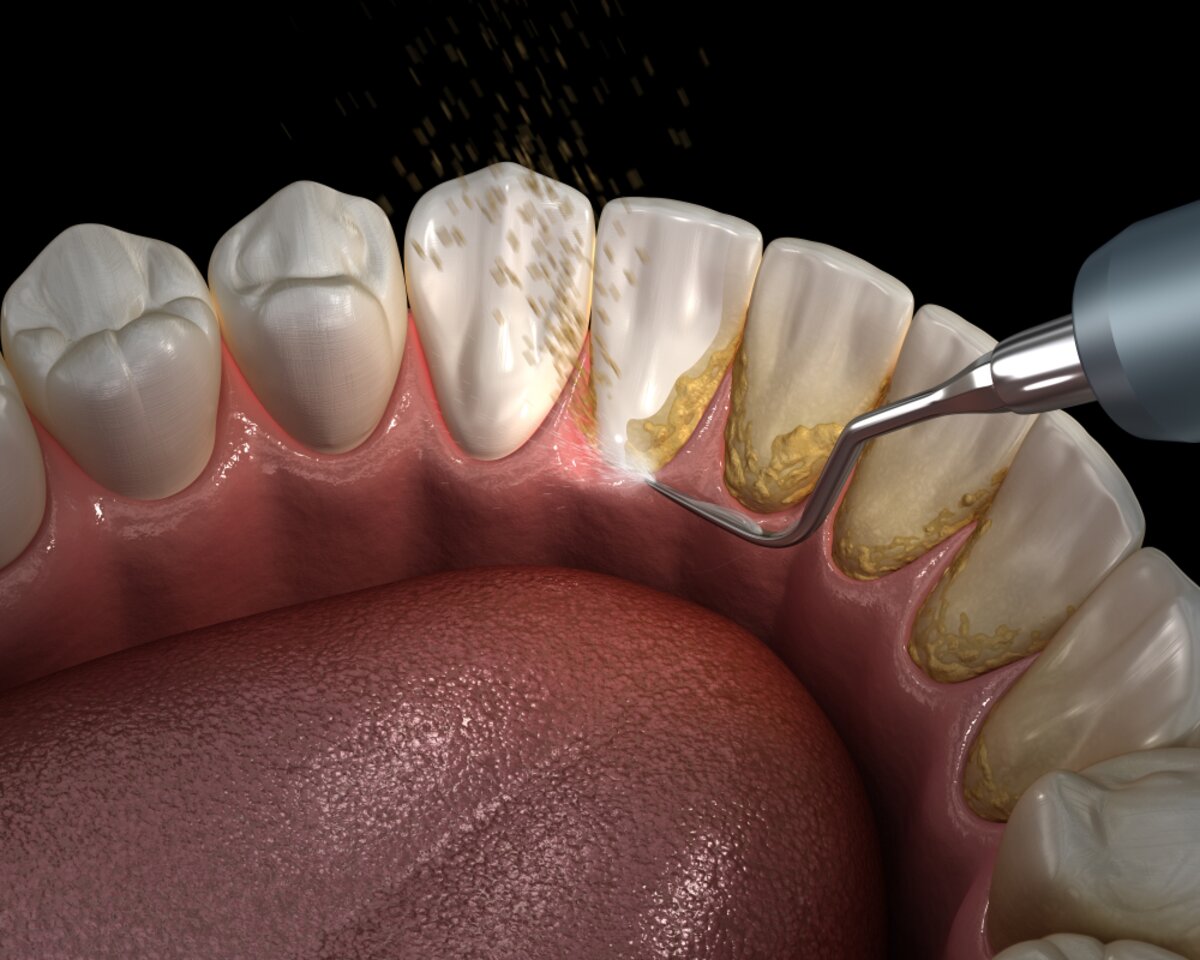
One of the most significant leaps in the definition of a “dental cleaning” is the inclusion of laser technology. Laser-assisted periodontal therapy is redefining the standards of “deep cleaning” and bacterial management.
Diode Lasers and Microbial Reduction
Soft-tissue diode lasers are increasingly used during the cleaning process to perform “Laser Bacterial Reduction” (LBR). While a traditional cleaning removes the physical buildup, the laser targets the bacteria at a microscopic level. The light energy is absorbed by the pigmented pathogens responsible for gum disease, effectively vaporizing them without damaging the surrounding healthy tissue. This tech-heavy approach significantly reduces post-operative inflammation and accelerates the healing of the gingival attachment.
Photodynamic Therapy (PDT) in Biofilm Management
Emerging from the world of photobiology, Photodynamic Therapy is being integrated into high-end dental cleanings. This involves applying a light-sensitive “photosensitizer” solution to the gums, followed by exposure to a specific wavelength of light. The resulting chemical reaction releases singlet oxygen, which is lethal to bacteria. This represents a shift from mechanical cleaning to “biophotonic” cleaning, where light and chemistry do the heavy lifting.
Smart Devices and the Consumer Tech Integration
The definition of dental cleaning now extends beyond the clinic and into the “Internet of Things” (IoT). The technology used by patients at home is now being synced with the technology used by professionals in the office, creating a continuous loop of data.
The Internet of Things (IoT) in Home Maintenance
Smart toothbrushes equipped with pressure sensors, accelerometers, and Bluetooth connectivity are now standard in the tech-conscious household. These devices track “brushing coverage” through mobile apps, providing users with real-time feedback. For the professional, this data is invaluable. Some high-tech dental practices now allow patients to “upload” their brushing data prior to a cleaning appointment. This allows the dental professional to treat the appointment not as a generic procedure, but as a data-driven intervention based on the patient’s specific habits.
Teledentistry and Remote Monitoring
The “cleaning” process is becoming proactive rather than reactive through teledentistry platforms. Using specialized smartphone attachments, patients can take high-resolution photos of their teeth and upload them to a secure portal. AI algorithms then screen these images for signs of gingivitis or calculus buildup. If the software flags an issue, the patient is prompted to schedule a professional cleaning before the condition escalates. This “remote monitoring” tech is changing the cadence of dental cleanings from a standard “six-month” interval to a “need-based” model driven by real-time data.
Cybersecurity and Data Privacy in the Digital Dental Office
As dental cleanings become more reliant on digital scans, AI analysis, and cloud-based tracking, the “cleaning” appointment must also be viewed through the lens of digital security. A modern dental practice is, in many ways, a data management hub.
Protecting Patient Imaging and Records
The 3D scans and AI diagnostic reports generated during a cleaning constitute highly sensitive biometric data. The infrastructure of a modern dental office must include robust encryption and HIPAA-compliant cloud storage. As we define “what is dental cleaning” in the 21st century, we must include the “digital hygiene” required to protect patient files. This includes secure APIs for sharing data between specialists and end-to-end encryption for teledentistry consultations.
The Ethics of AI in Oral Health
As we rely more on software to tell us “where to clean,” the tech industry is focusing on the “explainability” of AI. It is not enough for a software program to highlight an area of the tooth; the tech must provide a transparent rationale for its diagnosis. This ensures that the professional cleaning remains a human-led process supported by machine precision, rather than a black-box automated procedure.
In conclusion, a dental cleaning is no longer a simple mechanical task. It is a sophisticated, tech-driven process that utilizes the laws of physics, the power of light, and the intelligence of algorithms to preserve human health. From ultrasonic cavitation to AI-mapped diagnostics, the modern “cleaning” is a testament to how far medical technology has come in transforming a routine chore into a masterpiece of digital engineering.
aViewFromTheCave is a participant in the Amazon Services LLC Associates Program, an affiliate advertising program designed to provide a means for sites to earn advertising fees by advertising and linking to Amazon.com. Amazon, the Amazon logo, AmazonSupply, and the AmazonSupply logo are trademarks of Amazon.com, Inc. or its affiliates. As an Amazon Associate we earn affiliate commissions from qualifying purchases.