
In the contemporary landscape of business and marketing, the term “community” has evolved from a buzzword into a cornerstone of sustainable brand strategy. For decades, the relationship between a brand and its audience was purely transactional: a company produced a product, and a consumer purchased it. However, the digital revolution and the saturation of the marketplace have shifted the power dynamic. Today, when we ask, “What does a community mean to you?” from a brand perspective, we are asking how a business can transform from a faceless entity into a living, breathing ecosystem of shared values and mutual growth.
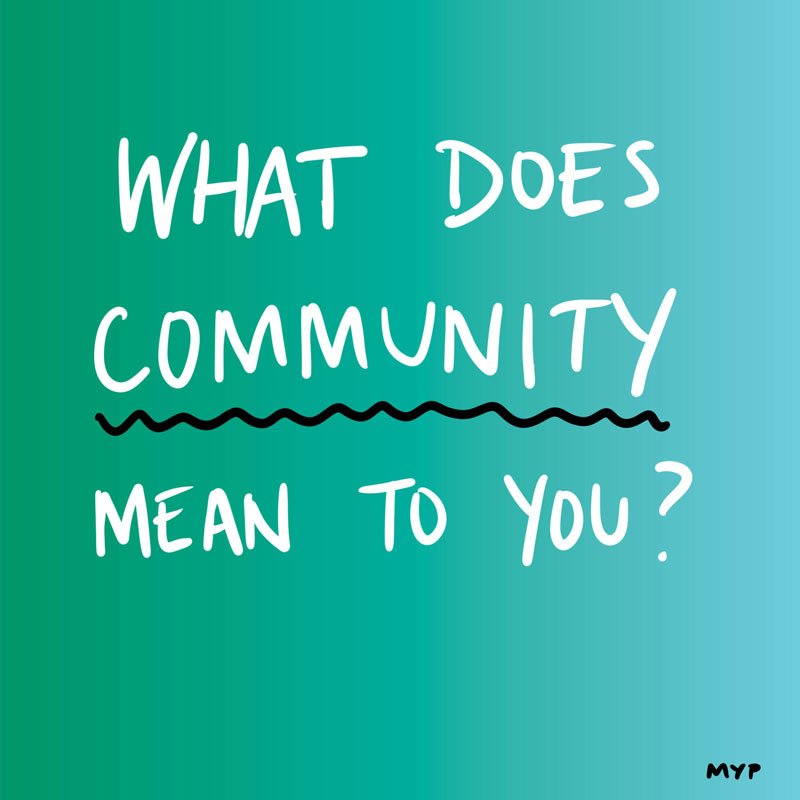
The Shift from Consumers to Community Members
The traditional marketing funnel—awareness, interest, desire, and action—is increasingly being replaced by a circular model of engagement. In this new paradigm, the “customer” is no longer just a data point on a sales spreadsheet; they are a member of a collective. This shift represents a fundamental change in how brand identity is constructed and maintained.
Beyond the Transactional Relationship
For a modern brand, community means moving beyond the “buy and fly” mentality. When a brand treats its audience as a community, it recognizes that the value of the relationship extends far beyond the point of sale. A community member is someone who identifies with the brand’s mission, participates in its narrative, and contributes to its evolution. This creates a sense of psychological ownership. When users feel they have a stake in a brand’s success, their loyalty becomes resilient to price fluctuations or the arrival of new competitors.
The Psychology of Belonging in Branding
At its core, branding is the management of perception and emotion. Human beings have an evolutionary need to belong to groups that reflect their identity. A successful brand community taps into this need by providing a space where individuals feel seen and understood. Whether it is a high-performance fitness brand or a niche software provider, the brand becomes a badge of identity. To the member, the community means finding “their people.” To the brand, it means cultivating an emotional moat that is incredibly difficult for competitors to breach.
Core Pillars of a Thriving Brand Community
Building a community is not as simple as creating a Facebook group or a Discord server. It requires a deliberate brand strategy that prioritizes long-term connection over short-term metrics. To understand what a community truly means, one must look at the structural pillars that support it.
Shared Purpose and Values
A community cannot exist without a “North Star.” This is the shared purpose that binds the brand and its followers together. If a brand’s only purpose is to generate profit, it will fail to build a community. However, if a brand stands for something—be it environmental sustainability, the democratization of design, or the pursuit of professional excellence—it provides a rallying cry. Community members are brought together by what they believe, and the brand acts as the facilitator of those beliefs.
Rituals and Language
Shared language and rituals are the “glue” of any culture, including brand culture. Think of the way certain tech communities use specific terminology or how lifestyle brands host annual summits that feel more like family reunions than corporate events. These rituals create a sense of exclusivity and “insider” status. When a community member adopts the lexicon of a brand, they are signaling their membership and reinforcing their bond with others in the group.
Peer-to-Peer Engagement
A true brand community is not a hub-and-spoke model where the brand is the only one talking. Instead, it is a web of peer-to-peer interactions. What a community means to a member is often the help they receive from another member, not the brand itself. When users start answering each other’s questions, sharing tips, and celebrating each other’s wins, the brand has successfully transitioned from a provider to a platform. This organic interaction is the highest form of brand advocacy.
The Strategic Value of Community in Modern Marketing
From a corporate identity and marketing perspective, community is one of the most potent assets a company can possess. It is not just a “nice-to-have” social element; it is a driver of measurable business value.
Reducing Customer Acquisition Costs (CAC)
In an era where digital advertising costs are skyrocketing and privacy regulations are making targeting more difficult, community-led growth is the ultimate solution. A robust community acts as an unpaid marketing department. Word-of-mouth within a community is far more influential than a paid banner ad. When existing members advocate for the brand, they lower the barrier to entry for new members, effectively reducing the cost of acquisition through organic trust-building.
Product Co-Creation and Feedback Loops
What does a community mean to a product development team? It means a real-time, high-fidelity focus group. Brands that integrate their communities into the design process—asking for feedback on beta features or voting on new product colors—ensure that they are building exactly what the market wants. This co-creation process doesn’t just improve the product; it strengthens the bond with the community, as members feel their voices directly influence the brand’s trajectory.
Crisis Resilience and Brand Advocacy
Every brand will eventually face a challenge, whether it’s a product recall, a PR mishap, or a market downturn. During these times, a community acts as a protective shield. Because community members have an emotional investment in the brand, they are more likely to offer the benefit of the doubt and even defend the brand against external criticism. This resilience is something that no amount of traditional PR can buy; it must be earned through consistent community engagement.
Building Your Tribe: A Roadmap for Personal and Corporate Brands
Whether you are building a personal brand as a thought leader or managing the corporate identity of a multinational firm, the steps to fostering a community are rooted in authenticity and consistency.
Identifying Your Core “Why”
Before inviting people into a community, a brand must be crystal clear on its own identity. You cannot build a community around a vacuum. You must define what you stand for, what you stand against, and who you are for. This clarity acts as a filter, attracting the right people and repelling those who do not align with the brand’s mission. A community that tries to be everything to everyone will ultimately mean nothing to anyone.
Choosing the Right Platforms for Interaction
The “where” of a community is just as important as the “why.” Different platforms foster different types of connections. A professional brand might find its home on LinkedIn or a private Slack channel, while a visual lifestyle brand might thrive on Instagram or Pinterest. The key is to meet your community where they already spend their time and to provide tools that facilitate the specific types of interaction your brand strategy requires.
Measuring Success Beyond Vanity Metrics
In a community-centric brand strategy, traditional metrics like “likes” or “follower counts” are secondary. What really matters is engagement depth, sentiment, and member retention. Brands should look at how many members are contributing content, the frequency of peer-to-peer interactions, and the “lifetime value” of community members compared to non-members. These metrics provide a much clearer picture of the community’s health and its impact on the brand’s bottom line.
The Future of Brand Community in a Digital-First World
As we look toward the future, the concept of community will continue to be reshaped by technology and changing social expectations. However, the fundamental human desire for connection will remain constant.
The Role of Ethics and Inclusivity
Modern communities are increasingly defined by their ethical stances. For a brand, community means creating a space that is inclusive and safe. A brand’s corporate identity is now judged by how it protects its community members and how it promotes diversity within its ranks. Brands that fail to prioritize these values risk alienating the very people they wish to lead. Ethical leadership is no longer optional; it is a prerequisite for community trust.
Balancing Automation with Human Touch
As AI and automation become more prevalent in marketing, the “human touch” will become a premium commodity. While AI can help manage community data or provide 24/7 support, it cannot replace the genuine empathy and connection that define a true community. The most successful brands of the future will be those that use technology to remove friction, but keep humans at the center of the conversation.
In conclusion, when we ask, “What does a community mean to you?” the answer lies in the shift from being a vendor to being a partner. For a brand, a community is a living testament to its values, a source of innovation, and its most loyal advocate. For the member, it is a place of belonging, growth, and shared identity. In the intersection of these two perspectives lies the future of successful brand strategy—a future where business is not just about transactions, but about the enduring power of human connection.
aViewFromTheCave is a participant in the Amazon Services LLC Associates Program, an affiliate advertising program designed to provide a means for sites to earn advertising fees by advertising and linking to Amazon.com. Amazon, the Amazon logo, AmazonSupply, and the AmazonSupply logo are trademarks of Amazon.com, Inc. or its affiliates. As an Amazon Associate we earn affiliate commissions from qualifying purchases.