
Dental caries, commonly known as tooth decay or cavities, is a progressive disease that results in the destruction of tooth structure. It is one of the most prevalent chronic diseases globally, affecting individuals across all age groups and socioeconomic statuses. While often discussed purely in terms of oral health, the financial implications of dental caries are profound and far-reaching, representing a significant burden on individuals, families, and healthcare systems alike. Understanding not just the pathology but also the economic fallout of this condition is crucial for effective prevention, treatment, and sound financial planning. This article will delve into what dental caries is, not merely as a medical phenomenon, but as a silent yet potent force impacting personal finance, investment in health, and overall economic stability.

The Anatomy of a Costly Condition: Understanding Dental Caries
At its core, dental caries is an infectious process where specific types of bacteria in the mouth produce acids that erode the hard tissues of the teeth. This process leads to the formation of holes, or cavities, which can progressively enlarge, causing pain, infection, and ultimately, tooth loss if left untreated. From a financial perspective, the initial stages of caries often go unnoticed, which means potential savings from early, less invasive interventions are missed, leading to a much higher cost down the line.
Beyond the Toothache: The Biological Process and Its Price Tag
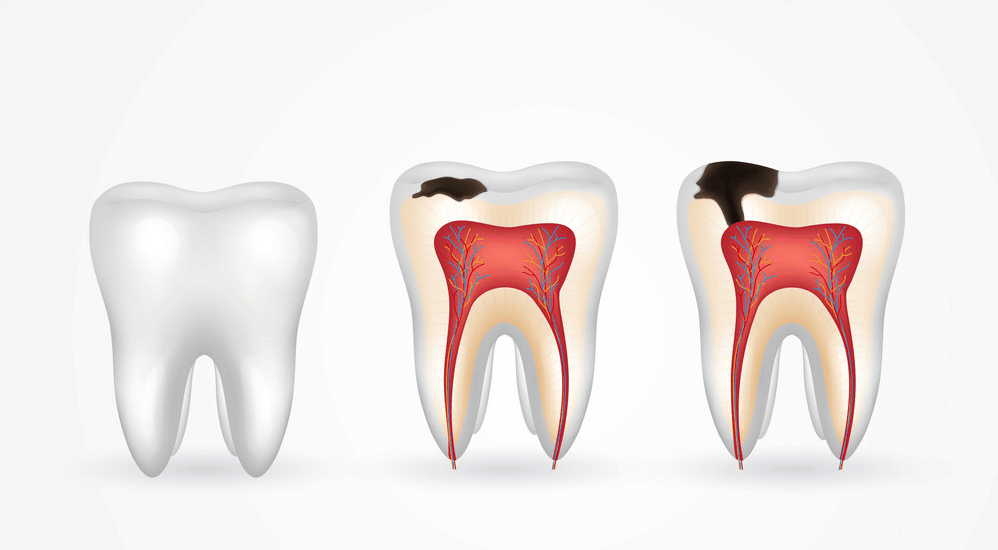
The disease initiates when bacteria in plaque, a sticky film that constantly forms on teeth, metabolize sugars from our diet, converting them into acids. These acids demineralize the enamel, the tooth’s outermost protective layer. Over time, if this acid attack persists without adequate remineralization (a natural repair process aided by saliva and fluoride), a lesion forms. What begins as a microscopic loss of minerals can develop into a visible cavity.
The price tag associated with this biological process starts small but escalates rapidly. A nascent lesion, sometimes referred to as a “white spot lesion,” might be reversible with enhanced oral hygiene and fluoride application, incurring minimal to no direct professional cost beyond routine preventive care. However, once the enamel is breached and a true cavity forms, professional intervention becomes necessary. The type and extent of this intervention directly correlate with the depth and size of the cavity, and consequently, its cost. Neglecting these early signs means that the body’s natural defense mechanisms are overwhelmed, and the financial cost associated with restoring health becomes inevitable and often substantial. This journey from a minor, reversible condition to a major, costly one underscores the critical financial wisdom of early detection and intervention.
The Silent Erosion: Why Early Detection Saves Money
One of the most insidious aspects of dental caries is its silent progression. In its early stages, a cavity typically causes no pain or discomfort, making it easy for individuals to be unaware of its presence. This lack of symptoms means that many people only seek dental attention when the decay has advanced significantly, reaching the softer dentin layer beneath the enamel, or even the innermost pulp, where nerves and blood vessels reside. By this point, the treatment required is often more complex, more invasive, and far more expensive than what would have been needed for an incipient lesion.
Regular dental check-ups, often twice a year, are the cornerstone of early detection. During these visits, dentists can identify early signs of demineralization or small cavities through visual inspection, probing, and sometimes X-rays. Addressing these issues when they are small might involve simple fluoride varnish applications, dental sealants, or small, conservative fillings. The cost of these preventive and early restorative procedures is dramatically lower than the cost of treating advanced decay. For instance, a small composite filling might cost a few hundred dollars, while a root canal treatment followed by a crown for a severely decayed tooth can easily run into thousands. This disparity highlights that investing in routine preventive care is not merely good health practice but a financially savvy strategy that safeguards one’s wallet from future, significantly larger expenses. The initial outlay for regular check-ups is a minor expense compared to the potential savings from avoiding advanced dental procedures.
The Direct Financial Burden of Caries Treatment
Once dental caries progresses beyond the point of simple prevention, restorative treatment becomes necessary. The financial implications here are immediate and tangible, directly impacting a person’s disposable income and potentially their savings. The cost varies widely based on the extent of the decay, the type of tooth affected, the materials used, and the geographical location of the dental practice.
From Simple Fillings to Complex Restorations: A Cost Spectrum
The spectrum of treatments for dental caries ranges from relatively inexpensive to remarkably costly. The most common intervention is a dental filling, where the decayed portion of the tooth is removed and replaced with a restorative material. The cost of a filling can vary based on the material chosen (amalgam, composite resin, gold, ceramic) and the size of the cavity. While an amalgam (silver) filling might be the least expensive option, composite (tooth-colored) fillings are often preferred for aesthetic reasons, coming at a higher price. Larger cavities that require more extensive reconstruction will naturally incur greater costs.
When decay has penetrated deeper into the tooth, reaching the pulp chamber, a more advanced and expensive procedure known as a root canal treatment becomes necessary. This involves removing the infected pulp, cleaning and shaping the root canals, and then sealing them. A root canal alone can cost significantly more than a filling, and it is often followed by the placement of a crown to protect the weakened tooth, adding another substantial layer of expense. Crowns, which encase the entire visible portion of the tooth, are custom-made restorations typically fabricated from porcelain, ceramic, metal, or a combination, and represent a considerable investment. This progression illustrates how a seemingly minor cavity can lead to a cascade of increasingly expensive interventions, emphasizing the financial incentive for prompt treatment.
Emergency Care: The Premium Price of Neglect
Ignoring dental caries can lead to severe pain, swelling, and infection, often culminating in an emergency dental visit. Emergency dental care is almost universally more expensive than planned, scheduled treatment. When an individual is in acute pain, they often have fewer options for comparing prices or choosing the most cost-effective solution. Urgent care typically incurs higher fees due to the immediate availability of staff and resources outside of regular scheduling, and the need for rapid diagnosis and relief.
Furthermore, an untreated infection from dental caries can spread to other parts of the body, leading to more severe health complications that require emergency medical attention, not just dental. Conditions like cellulitis, a serious bacterial skin infection, or even sepsis, a life-threatening response to infection, can arise from neglected dental abscesses. The costs associated with hospital stays, intravenous antibiotics, and specialized medical care dwarf even the most expensive dental procedures. This scenario starkly highlights the financial peril of deferring dental care, transforming a manageable dental issue into a potential medical and financial crisis. The premium price of emergency care serves as a stark reminder that proactive, routine dental maintenance is a financially responsible choice.
The Escalating Costs of Tooth Loss and Replacement
In the worst-case scenario, advanced, untreated dental caries can lead to irreversible tooth destruction, necessitating extraction. While an extraction might seem like a final, albeit unfortunate, solution, it often opens the door to a new set of financial challenges: tooth replacement. Losing a tooth can affect chewing ability, speech, and facial aesthetics, prompting many to consider options like dental implants, bridges, or dentures.
Dental implants are considered the gold standard for tooth replacement due to their longevity and natural feel. However, they are also the most expensive option, often involving surgical placement of a titanium post, a healing period, and then the attachment of a custom-made crown. A single dental implant can cost several thousand dollars, representing a significant long-term financial commitment. Dental bridges, which span the gap created by a missing tooth by using adjacent teeth as anchors, are another option, typically less expensive than implants but still a substantial cost. Dentures, whether partial or full, are generally the most affordable replacement option but come with their own set of adjustments and maintenance costs. The cumulative cost of losing a tooth and then replacing it far exceeds the cost of preventing or treating the initial cavity, underscoring the enormous financial benefits of preserving natural teeth whenever possible.
Prevention: The Ultimate Financial Investment in Oral Health
While the costs of treating dental caries can be daunting, the good news is that most forms of tooth decay are preventable. Viewing oral health prevention not as an expense but as a strategic financial investment is key. Just as one invests in retirement funds or a home, investing in preventive dental care yields significant returns by avoiding future, much larger expenditures.
Proactive Care: How Routine Check-ups and Cleanings Pay Dividends
The most effective financial strategy against dental caries is consistent, proactive care. This primarily involves regular dental check-ups and professional cleanings, typically recommended twice a year. During these appointments, dental professionals can thoroughly clean areas that are difficult to reach with a toothbrush and floss, remove plaque and tartar buildup, and identify any early signs of decay or other oral health issues.
The cost of routine check-ups and cleanings is relatively modest, especially when compared to the cost of a filling, root canal, or tooth replacement. By investing in these regular visits, individuals effectively “future-proof” their oral health budget. Dentists can provide fluoride treatments or recommend sealants for children and sometimes adults, which are highly effective, low-cost interventions that provide significant protection against cavities. These preventive measures act as an insurance policy, protecting against the high costs of future restorative work. Skipping these routine visits to save a small amount in the short term often leads to discovering advanced problems later, resulting in far greater financial outlays. Thus, the dividend from consistent preventive care is substantial: healthier teeth and a healthier bank account.
Smart Spending: Investing in Effective Oral Hygiene Products
Beyond professional care, daily oral hygiene plays an indispensable role in preventing dental caries, and making smart choices about oral hygiene products is another form of financial investment. The market is saturated with various toothbrushes, toothpastes, and dental flosses, ranging in price and purported benefits. However, effective oral hygiene doesn’t necessarily require the most expensive products.
Investing in a good quality toothbrush (manual or electric), fluoride toothpaste, and dental floss or interdental cleaners is foundational. Fluoride toothpaste is particularly critical as fluoride strengthens tooth enamel, making it more resistant to acid attacks. While there are premium brands, many affordable fluoride toothpastes offer excellent protection. Electric toothbrushes, while a larger initial investment, can be more effective at plaque removal for some individuals and can pay for themselves over time by reducing the need for costly dental work. Similarly, consistent use of dental floss or interdental brushes helps remove plaque and food particles from between teeth, areas where cavities frequently start. These relatively low-cost daily habits are powerful financial tools, preventing the very conditions that lead to expensive dental procedures. Strategic spending on these essentials is a wise allocation of resources for long-term financial health.
Dietary Choices: A Wallet-Friendly Approach to Cavity Prevention
Perhaps one of the most budget-friendly approaches to preventing dental caries lies in dietary choices. The link between sugar consumption and cavity formation is well-established. Reducing the frequency and amount of sugary foods and drinks, especially between meals, significantly reduces the fuel source for acid-producing bacteria in the mouth. This strategy not only benefits oral health but often contributes to overall physical health and can even lead to savings on groceries and medical bills.
Choosing water over sugary sodas, juices, and sports drinks is a simple yet effective financial decision. Water is typically cheaper, and in many places, free from the tap, providing hydration without contributing to tooth decay. Limiting processed snacks high in refined carbohydrates and sugars, and opting for fresh fruits, vegetables, and whole grains, not only reduces cavity risk but also often leads to a more nutrient-dense diet. While some healthy foods can be perceived as expensive, the long-term financial benefits of avoiding dental and systemic health issues far outweigh the cost difference. This approach to prevention requires discipline more than significant monetary outlay, making it an accessible and powerful tool in managing one’s financial exposure to dental caries.
The Ripple Effect: Caries’ Impact on Broader Financial Well-being
The financial implications of dental caries extend far beyond direct treatment costs. An unhealthy mouth can have a cascading effect on an individual’s overall health, productivity, and even career prospects, thereby impacting their broader financial well-being. Recognizing these wider economic consequences is crucial for a holistic understanding of the disease.
Lost Productivity and Missed Opportunities
Dental pain and discomfort arising from advanced caries can significantly impair an individual’s ability to concentrate, work, or attend school. Persistent toothaches, infections, or the need for extensive dental procedures can lead to missed workdays or reduced productivity while at work. For hourly wage earners or those without generous sick leave policies, lost workdays translate directly into lost income. Even for salaried employees, decreased productivity due to discomfort or repeated dental appointments can affect performance reviews, career advancement, and potential salary increases.
Beyond work, dental issues can interfere with daily life, leading to missed social engagements, educational opportunities, or other activities that contribute to personal and professional development. The financial impact here is indirect but significant, representing lost potential earnings and a diminished quality of life. Furthermore, chronic oral health problems can be a source of stress and anxiety, which can further impact mental health and lead to additional healthcare costs. Thus, the financial burden of dental caries isn’t just about paying for treatment; it’s also about the opportunity cost of what could have been achieved without the hindrance of poor oral health.
The Interconnection: Oral Health, Systemic Diseases, and Healthcare Costs
The mouth is not isolated from the rest of the body; oral health is intrinsically linked to overall systemic health. Untreated dental caries and associated infections can contribute to or exacerbate various chronic systemic diseases, which in turn leads to even greater healthcare costs. For instance, research has shown links between periodontal (gum) disease, often a consequence of poor oral hygiene and neglected decay, and conditions like diabetes, heart disease, stroke, and even adverse pregnancy outcomes.
When oral infections contribute to or worsen these systemic conditions, individuals face a dual financial burden: the cost of dental treatment and the significantly higher, ongoing costs of managing chronic medical illnesses. Managing diabetes or heart disease involves regular doctor visits, expensive medications, diagnostic tests, and potentially hospitalizations. These cumulative medical expenses can quickly eclipse the cost of treating even advanced dental caries. Investing in oral health, therefore, becomes an investment in preventing a wider array of medical conditions and the associated crippling financial costs, making it a cornerstone of comprehensive financial planning for long-term health.

Financial Planning for Lifelong Oral Health: Insurance, FSAs, and Budgeting
Given the potential financial challenges posed by dental caries, incorporating oral health into broader financial planning is an astute strategy. This involves understanding and leveraging tools like dental insurance, Flexible Spending Accounts (FSAs), and Health Savings Accounts (HSAs), as well as diligent personal budgeting.
Dental insurance plans vary widely, but many offer coverage for preventive care (like check-ups and cleanings) at a high percentage, sometimes even 100%, while covering restorative procedures at a lower percentage. Understanding one’s plan benefits and maximizing them is crucial. For instance, scheduling preventive visits to align with annual benefit periods can optimize coverage. FSAs and HSAs are tax-advantaged accounts that allow individuals to set aside pre-tax money for qualified medical and dental expenses. Contributing to these accounts can effectively reduce the out-of-pocket cost of dental care, making it more affordable and easing the financial strain.
Beyond insurance and tax-advantaged accounts, simple personal budgeting for dental care is vital. Allocating a portion of one’s monthly or annual budget specifically for dental check-ups, cleanings, and potential restorative work ensures that funds are available when needed, preventing reliance on high-interest credit cards or dipping into emergency savings. Proactive financial planning for oral health is not just about reacting to problems but about establishing a sustainable strategy that supports lifelong dental well-being, effectively mitigating the financial risks associated with dental caries. By prioritizing oral health within a financial framework, individuals can safeguard both their smiles and their economic security.
aViewFromTheCave is a participant in the Amazon Services LLC Associates Program, an affiliate advertising program designed to provide a means for sites to earn advertising fees by advertising and linking to Amazon.com. Amazon, the Amazon logo, AmazonSupply, and the AmazonSupply logo are trademarks of Amazon.com, Inc. or its affiliates. As an Amazon Associate we earn affiliate commissions from qualifying purchases.