
In our increasingly interconnected world, digital security is no longer a niche concern; it’s a fundamental pillar of our daily lives, both personal and professional. From managing our finances online to running complex businesses, we rely on the consistent and uninterrupted availability of digital services. But what happens when that availability is intentionally disrupted? This is where the concept of a “Denial of Service” (DoS) attack emerges, a potent threat that can cripple individuals, businesses, and even critical infrastructure.
A Denial of Service attack, often abbreviated as DoS, is a malicious attempt to disrupt the normal functioning of a targeted server, service, or network by overwhelming it with a flood of illegitimate traffic or requests. The ultimate goal is to render the resource unavailable to its legitimate users, effectively denying them access. Imagine a popular store suddenly being swamped by thousands of people all asking for the same, impossible-to-fulfill request simultaneously. The store’s employees would be unable to serve genuine customers, and the entire operation would grind to a halt. A DoS attack operates on a similar principle, but in the digital realm.

While the core concept is straightforward, the methods and motivations behind DoS attacks can be diverse, reflecting the ever-evolving landscape of cybersecurity. Understanding what a DoS attack is, how it works, and its implications is crucial for anyone operating in the digital space, whether you’re an individual managing your personal finances online or a large corporation whose brand reputation hinges on seamless service delivery.
The Anatomy of a Digital Disruption: How DoS Attacks Work
At its heart, a DoS attack exploits vulnerabilities in the way networks and services handle requests. These attacks don’t necessarily aim to steal data (though they can sometimes be a smokescreen for other malicious activities) but rather to disrupt operations, cause reputational damage, or extort money. The key is to consume the target’s resources – such as bandwidth, processing power, or memory – to the point where it can no longer respond to legitimate requests.
There are several common strategies employed in DoS attacks:
Flooding the Channels: Bandwidth Exhaustion Attacks
One of the most prevalent types of DoS attacks involves overwhelming the target’s network connection with an enormous volume of traffic. This is akin to creating a massive digital traffic jam.
- UDP Flood: In this attack, attackers send a large number of User Datagram Protocol (UDP) packets to random ports on the target system. The target system then has to check each port to see if any application is listening, wasting its resources. If a port is closed, it sends back an ICMP “Destination Unreachable” packet. The sheer volume of these requests and the subsequent responses can quickly exhaust the target’s bandwidth, making it inaccessible.
- ICMP Flood (Ping Flood): This attack leverages the Internet Control Message Protocol (ICMP), commonly used for network diagnostics like ping. Attackers send a flood of ICMP echo requests (pings) to the target system. The target system is then obligated to respond to each ping with an ICMP echo reply. If the volume of incoming pings is high enough, the target’s resources and network bandwidth can be completely consumed by generating these replies, leaving no capacity for legitimate traffic.
- SYN Flood: This attack targets the Transmission Control Protocol (TCP) handshake, the process by which two devices establish a connection. When a client wants to establish a TCP connection, it sends a SYN (synchronize) packet. The server responds with a SYN-ACK (synchronize-acknowledge) packet. The client is supposed to reply with an ACK (acknowledge) packet to complete the handshake. In a SYN flood attack, the attacker sends a flood of SYN packets, often with spoofed (fake) source IP addresses. The server sends back SYN-ACK packets and waits for the ACK, but the ACK never arrives because the source IP was fake or the attacker simply doesn’t send it. This leaves many half-open connections consuming server resources, eventually leading to a denial of service.
Exploiting Application Weaknesses: Application-Layer Attacks
While bandwidth exhaustion attacks target the network infrastructure, application-layer attacks aim to exploit vulnerabilities within the software and services themselves. These attacks are often more subtle and can be harder to detect because they may appear as legitimate user traffic.
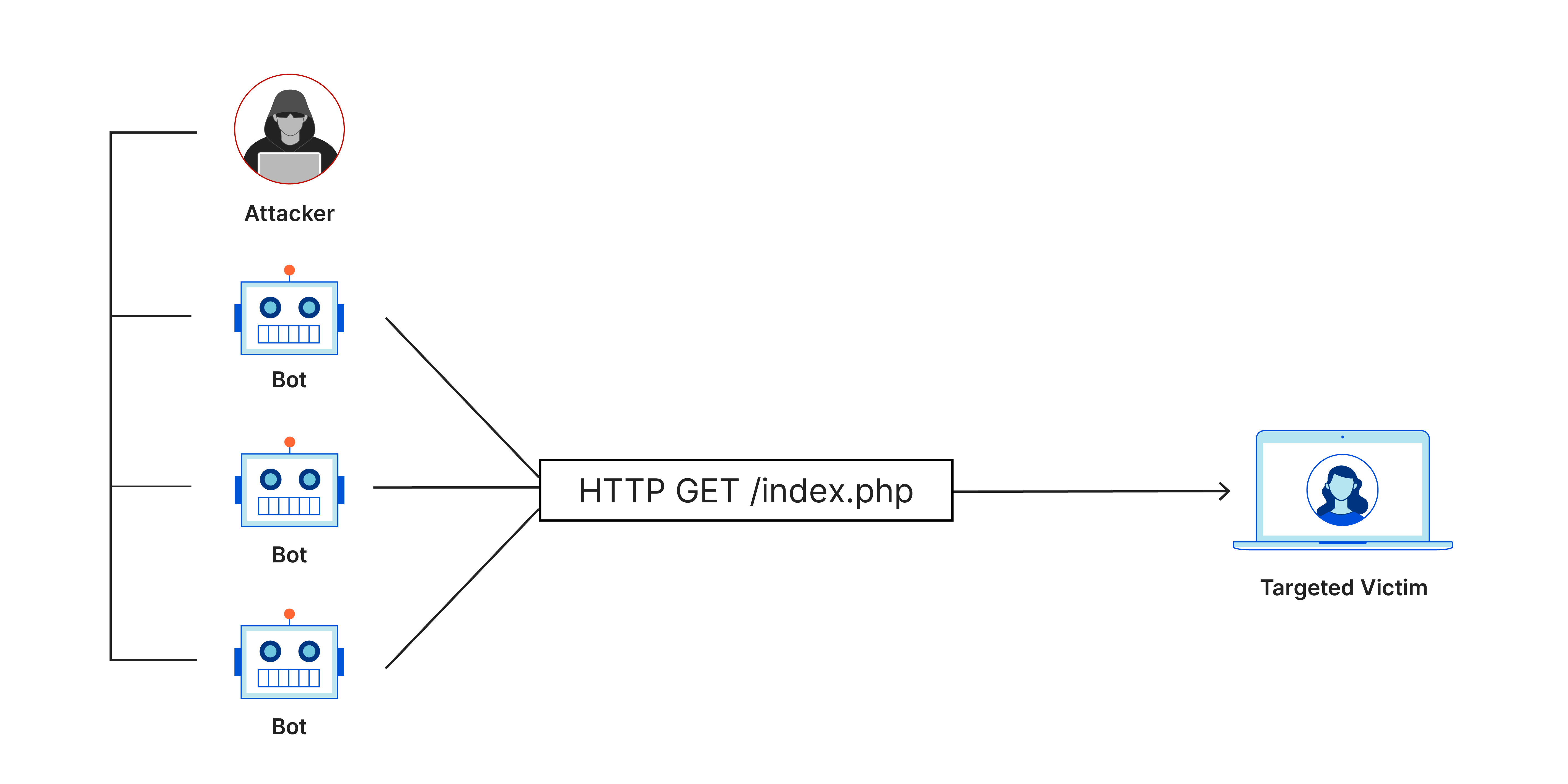
- HTTP Flood: Attackers send a high volume of seemingly legitimate HTTP requests to a web server. These requests can be for specific pages, login attempts, or other resource-intensive operations. The web server expends significant resources processing these requests, leading to a slowdown or complete unavailability for genuine users. This is particularly effective against websites that are not optimized for handling a large number of simultaneous requests or have inefficient backend processes.
- Slowloris: This is a more sophisticated attack that aims to exhaust a web server’s connection pool. Instead of sending a large volume of requests quickly, Slowloris sends partial HTTP requests and keeps the connection open by sending small, periodic updates. It does this repeatedly, opening up many such connections. Since web servers have a limited number of available connections, they can become saturated with these slow, incomplete requests, preventing legitimate users from establishing new connections.
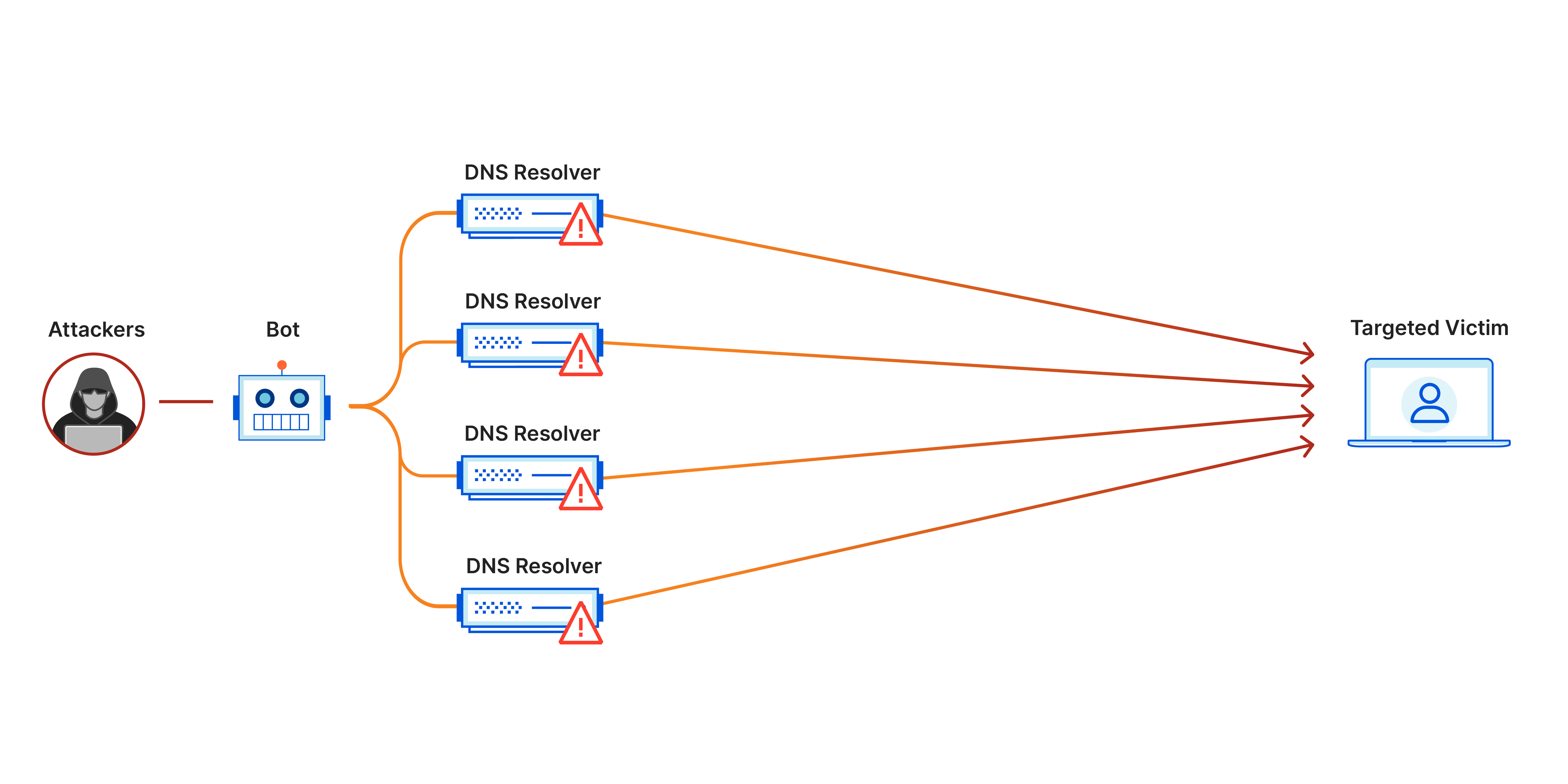
- DDoS Amplification and Reflection Attacks: These are highly effective and insidious types of DoS attacks that leverage third-party servers to amplify the attack traffic. In an amplification attack, attackers send a small query to a vulnerable server (like a DNS or NTP server) with a spoofed source IP address that belongs to the target. The vulnerable server then responds with a much larger reply to the target’s IP address. This multiplies the attacker’s initial effort, making the attack much more powerful. Reflection attacks work similarly, where the attacker crafts a request that will elicit a response from the target, but the response is redirected to the victim.
The Ripple Effect: Consequences of Denial of Service Attacks
The impact of a DoS attack can extend far beyond the immediate unavailability of a service. The consequences can be severe and far-reaching, affecting individuals, businesses, and even societal functions.
For Individuals and Personal Finance
Even individuals are not immune to the repercussions of DoS attacks. If your primary method of accessing your bank account, investment portfolio, or other critical financial services is through a website or app that becomes unavailable due to a DoS attack, you could face significant inconvenience.
- Inability to Access Funds: Imagine needing to make an urgent payment or transfer money, only to find your online banking portal offline. This can lead to missed deadlines, late fees, and significant stress.
- Disrupted Trading: For active investors, a DoS attack on an exchange or brokerage platform can mean missing out on crucial trading opportunities or being unable to exit a losing position, leading to financial losses.
- Compromised Online Shopping: Even basic online shopping can be disrupted, preventing you from taking advantage of sales or making necessary purchases.
For Businesses and Brand Reputation
For businesses, the stakes are considerably higher. Downtime translates directly into lost revenue, damaged credibility, and a tarnished brand image.
- Financial Losses: Every minute a website or e-commerce platform is down, a business loses potential sales. For large online retailers or service providers, these losses can amount to millions of dollars per hour.
- Reputational Damage: Customers expect reliable access to services. If a company’s website or app is consistently unavailable due to attacks, customers will lose trust and seek alternatives. This can be particularly damaging for businesses that rely heavily on their online presence and customer engagement.
- Operational Disruption: Beyond direct customer-facing services, many business operations rely on network connectivity. Internal systems, communication tools, and cloud-based applications can all be affected, grinding productivity to a halt.
- Loss of Customer Loyalty: In today’s competitive market, customers have many choices. Persistent service disruptions due to DoS attacks can drive customers away, and regaining their trust can be a long and arduous process.
- Impact on Marketing and Branding Efforts: A significant investment in marketing campaigns can be rendered ineffective if the target audience cannot access the advertised services or products due to an attack.
Distributed Denial of Service (DDoS) Attacks: Amplifying the Threat
The term “Denial of Service” often becomes “Distributed Denial of Service” (DDoS) in practice, and this distinction is crucial. A DDoS attack is a coordinated attack that originates from multiple compromised computer systems (often a botnet) simultaneously. This distributed nature makes them significantly more powerful and challenging to defend against than single-source DoS attacks.
- Botnets: Attackers typically use botnets – networks of infected computers, often referred to as “zombies” – to launch DDoS attacks. These computers are remotely controlled by the attacker and are used to send a flood of traffic to the target.
- Scale and Intensity: The sheer number of sources in a DDoS attack can overwhelm even robust defenses. The combined power of thousands or millions of compromised devices can generate traffic volumes that far exceed what a single attack could achieve.
- Difficulty in Tracing: Identifying and blocking the source of a DDoS attack is far more difficult than with a single-source DoS attack, as the traffic is coming from numerous, often geographically dispersed, locations.
Fortifying Your Defenses: Strategies Against DoS Attacks
Protecting against DoS and DDoS attacks requires a multi-layered approach, combining proactive measures, detection capabilities, and rapid response strategies.
Proactive Measures and Network Infrastructure
Building a resilient digital infrastructure is the first line of defense.
- Sufficient Bandwidth and Scalability: Ensuring your network infrastructure has ample bandwidth and can scale up to handle unexpected surges in traffic is essential. Cloud-based solutions can offer dynamic scaling capabilities.
- Firewalls and Intrusion Prevention Systems (IPS): Robust firewalls can block malicious traffic, and IPS can identify and mitigate known attack patterns. Regularly updating and configuring these systems is paramount.
- Load Balancing: Distributing incoming traffic across multiple servers can prevent any single server from becoming overwhelmed.
- Content Delivery Networks (CDNs): CDNs distribute your website’s content across a global network of servers. This not only improves loading times for users but can also absorb a significant portion of attack traffic, shielding your origin server.
Detection and Mitigation Services
Specialized services are crucial for identifying and responding to attacks in real-time.
- DDoS Mitigation Services: Many cloud providers and specialized security companies offer DDoS mitigation services. These services act as a shield, filtering malicious traffic before it reaches your network, while allowing legitimate traffic to pass through. They often employ advanced techniques to identify and block attack patterns.
- Traffic Monitoring and Anomaly Detection: Implementing tools that continuously monitor network traffic for unusual patterns, spikes, or suspicious activity is vital for early detection.
- Rate Limiting: Configuring systems to limit the number of requests a single IP address or user can make within a certain timeframe can help mitigate certain types of DoS attacks.
Incident Response Planning
Having a well-defined plan for what to do when an attack occurs can significantly reduce its impact.
- Develop an Incident Response Plan: This plan should outline the steps to be taken, who is responsible for each action, and how to communicate with stakeholders during an attack.
- Regular Testing and Drills: Periodically testing your incident response plan ensures that your team is prepared and can execute the plan effectively under pressure.
- Collaboration with ISPs and Security Providers: Maintaining good relationships with your Internet Service Provider (ISP) and security vendors can facilitate quicker response and mitigation during an attack.
In conclusion, Denial of Service attacks are a persistent and evolving threat in the digital landscape. By understanding their mechanics, potential consequences, and adopting a comprehensive defense strategy, individuals and organizations can significantly enhance their resilience and protect their digital assets, ensuring the continued availability of services that are so critical to our modern lives. The investment in robust security measures is not just a cost; it’s an essential safeguard for your digital presence, your financial well-being, and your brand’s reputation.
aViewFromTheCave is a participant in the Amazon Services LLC Associates Program, an affiliate advertising program designed to provide a means for sites to earn advertising fees by advertising and linking to Amazon.com. Amazon, the Amazon logo, AmazonSupply, and the AmazonSupply logo are trademarks of Amazon.com, Inc. or its affiliates. As an Amazon Associate we earn affiliate commissions from qualifying purchases.