
In the increasingly digital landscape of education and professional development, understanding the nuances of grading systems can be crucial. Whether you’re a student navigating academic requirements, an employee tracking professional development, or an administrator designing evaluation frameworks, deciphering the various codes and abbreviations used in grading is essential. Among these, the abbreviation “NR” frequently appears, often causing confusion. This article delves into the meaning of “NR” in the context of academic and professional grades, exploring its implications, common scenarios, and how to effectively address situations where it arises.
Understanding the Spectrum of Grade Notations
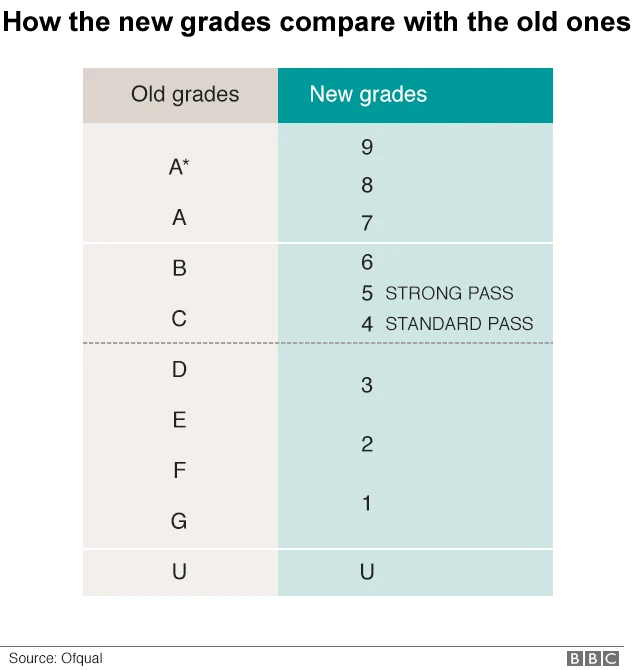
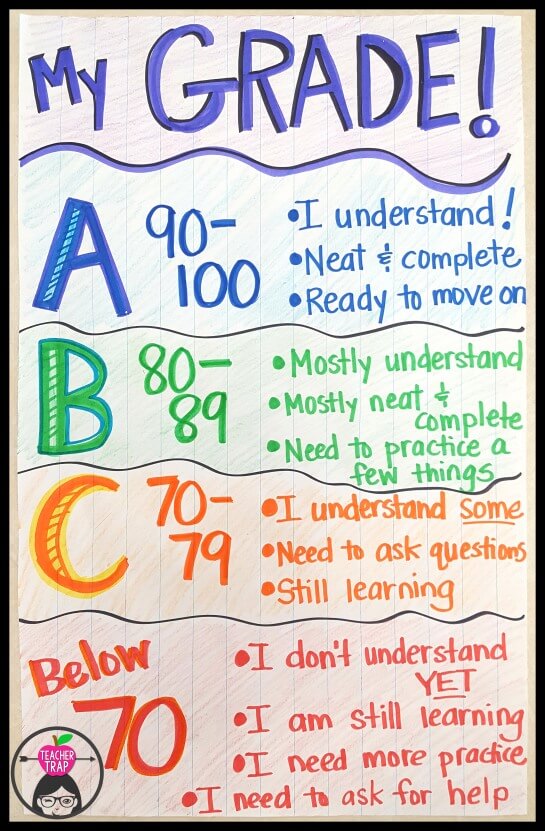
Grading systems are designed to provide a standardized method of assessing performance, learning, and achievement. While letter grades (A, B, C, D, F) and numerical percentages are widely recognized, a variety of other notations exist to convey specific circumstances or status. These notations often serve a more granular purpose than a simple evaluation of mastery. They can indicate pending results, exemptions, or even administrative issues. Understanding the context in which “NR” appears is the first step to correctly interpreting its meaning.
The Ubiquitous “NR”: Not Reported or No Record
At its core, “NR” in the context of grades overwhelmingly signifies “Not Reported” or “No Record.” This is a neutral placeholder, indicating that a grade has not yet been assigned or officially entered into the system for a particular assignment, course, or competency. It is not a reflection of performance, either positive or negative, but rather an administrative status. The absence of a grade means that the evaluation process for that specific item is either incomplete, in progress, or has encountered an administrative hurdle.
The implications of “NR” can vary significantly depending on the educational or professional setting. For students, an “NR” on a transcript might mean a delay in graduation, an inability to enroll in future courses that have prerequisites, or a need to clarify their academic standing. In professional development contexts, it could indicate that a required training module hasn’t been marked as complete, potentially impacting a promotion or certification.
Reasons Behind the “NR”
The occurrence of an “NR” is rarely arbitrary. It typically stems from a confluence of factors, often related to the workflow of grading and record-keeping. Identifying these underlying reasons is key to resolving the “NR” and ensuring accurate academic or professional records.
Incomplete Submission or Evaluation
One of the most common reasons for an “NR” is that the work itself was either not submitted by the student or learner, or that the evaluation process by the instructor or assessor has not yet been finalized. This could be due to a variety of logistical issues. For instance, a student might have forgotten to attach a file to an online submission, or a physical assignment might have been misplaced. On the assessor’s side, an instructor might be overwhelmed with a large volume of submissions, or an external assessor might be experiencing delays in providing feedback.
Administrative Delays and System Errors
Beyond individual submissions and evaluations, administrative processes play a significant role. Many institutions and organizations utilize sophisticated learning management systems (LMS) or human resources information systems (HRIS) to manage grades and progress. These systems, while efficient, are not immune to errors or delays. A grade might be correctly entered by an instructor but fail to propagate through the system due to a glitch, or it might be awaiting final approval from a departmental administrator. In some cases, the student’s enrollment status might be under review, leading to a temporary hold on grade recording.
Missing Prerequisites or Pending Actions
In some structured learning environments, particularly at higher education levels, an “NR” might appear if certain prerequisite conditions haven’t been met. This could involve not completing a foundational course, a required workshop, or a preliminary assessment. The “NR” then serves as a flag that the learner needs to address these outstanding requirements before the current assessment can be formally recorded. It’s a mechanism to ensure that learners are on the correct learning path and have acquired the necessary foundational knowledge.
Navigating the “NR” Status: Strategies for Resolution
Encountering an “NR” can be a source of anxiety, but it is generally a resolvable issue. Proactive communication and a clear understanding of the procedures within the given institution or organization are paramount to effectively addressing this notation. The goal is to move from a “Not Reported” status to a definitive grade or outcome.
Proactive Communication with Instructors and Administrators
The most direct and effective way to address an “NR” is through clear and timely communication. Students should reach out to their instructors, professors, or designated academic advisors as soon as they notice an “NR” that they believe is in error or requires clarification. Similarly, employees facing an “NR” in professional development records should contact their HR department or the relevant training coordinator.
When initiating contact, it’s essential to be prepared. This includes having specific details about the assignment or course in question, the date it was due, and any proof of submission or completion you might possess. A polite and professional inquiry can often expedite the resolution process. Frame your communication as a desire to understand and rectify the situation, rather than a complaint. For example, “I noticed that my grade for [Assignment Name] in [Course Name] is showing as ‘NR.’ I wanted to follow up to ensure it was received and to see if there’s anything I need to do to facilitate its grading.”
Understanding Institutional Policies and Procedures

Each educational institution and professional organization has its own specific policies and procedures for handling grades, submissions, and administrative notations. Familiarizing yourself with these policies can provide valuable insight into why an “NR” might have occurred and what steps are typically taken for resolution. Many institutions publish their academic calendars, grading policies, and student handbooks online, which can serve as excellent resources.
Knowing the typical turnaround time for grading can also be helpful. If an “NR” appears shortly after an assignment deadline, it might simply be a matter of waiting for the instructor to complete their grading. However, if an “NR” persists for an extended period, it warrants more immediate attention. Understanding the escalation process – who to contact if your initial inquiry doesn’t yield results – can also be crucial for effective resolution.
Documenting Your Progress and Submissions
Maintaining thorough documentation of all academic and professional work is a critical strategy for preventing and resolving “NR”s. This includes keeping copies of all submitted assignments, whether they are physical papers or digital files. For online submissions, screenshots of confirmation pages or emails acknowledging receipt can serve as invaluable evidence.
In professional development settings, this documentation might involve keeping records of completed training modules, attendance at workshops, or certifications obtained. For projects with defined deliverables, ensure you have records of when those deliverables were submitted and to whom. This comprehensive record-keeping acts as a safety net, providing clear proof of your efforts and completions should an “NR” arise.
The Broader Impact of “NR”s in Educational and Professional Contexts
While often a temporary status, an unresolved “NR” can have significant long-term consequences. Its presence on official records can create misunderstandings and impede progress in various aspects of a learner’s journey. Addressing these notations promptly is not just about correcting an administrative error; it’s about ensuring accurate representation of one’s achievements and maintaining a clear path forward.
Implications for Academic Progress and Graduation
For students, particularly at the university level, an “NR” can have a direct impact on their academic progress. Many courses have prerequisites that must be successfully completed with a certain grade. If a prerequisite course shows an “NR,” a student may be blocked from enrolling in the subsequent course, potentially delaying their degree progression.
Furthermore, an “NR” on a final transcript can complicate graduation requirements. Universities often have specific criteria for course completion and grade point averages that need to be met. An outstanding “NR” can prevent a student from meeting these criteria, leading to a postponed graduation date. This is why proactive follow-up is essential, especially as graduation deadlines approach.
Consequences in Professional Development and Career Advancement
In the professional realm, “NR” can similarly affect career trajectories. Many organizations tie professional development requirements to performance reviews, promotions, or eligibility for specific roles. If mandatory training modules or skill assessments are marked as “NR,” an employee might be deemed ineligible for advancement or may face scrutiny regarding their commitment to professional growth.
Moreover, in fields that require specific certifications or licenses, an “NR” on a necessary training or assessment could mean that the individual is not yet fully qualified to practice. This underscores the importance of ensuring all professional development milestones are accurately recorded and acknowledged.
Strategies for Preventing “NR”s
The best approach to dealing with “NR”s is to prevent them from occurring in the first place. By adopting diligent practices, individuals can significantly reduce the likelihood of encountering this administrative notation.
Meticulous Record-Keeping and Submission Practices
As mentioned earlier, meticulous record-keeping is foundational. Always save copies of your work and any confirmation of submission. When submitting work digitally, ensure you double-check that the correct files are attached and that the submission process is completed successfully. If submitting physically, obtain a receipt or confirmation of delivery. Be aware of submission deadlines and aim to submit well in advance to avoid last-minute technical glitches or unforeseen circumstances.
Understanding and Adhering to Timelines and Policies
Thoroughly understanding the grading timelines and policies of your institution or organization is crucial. Know when grades are typically expected to be posted, and be aware of any specific procedures for late submissions or extensions. If you anticipate a delay in your own submission, communicate this proactively with the relevant parties. This demonstrates responsibility and can often lead to more flexible arrangements than a blank “NR.”
Regular Verification of Records
Make it a habit to regularly check your academic transcripts or professional development records. Don’t wait until a critical juncture, like registration for the next semester or a performance review, to discover an “NR.” By periodically reviewing your progress, you can identify and address any discrepancies or missing information much earlier, when it is easier to rectify. This proactive verification approach can save considerable time and stress in the long run.
In conclusion, while the abbreviation “NR” can initially seem cryptic, it consistently points to a status of “Not Reported” or “No Record.” It serves as a critical administrative flag, indicating that a grade or assessment is pending or has not yet been officially documented. Understanding the common reasons behind an “NR,” such as incomplete submissions, administrative delays, or pending prerequisites, is the first step towards resolution. By adopting proactive communication strategies, meticulously documenting progress, and familiarizing oneself with institutional policies, individuals can effectively navigate and resolve “NR” statuses. Furthermore, implementing preventative measures like diligent record-keeping and regular verification of academic and professional records can significantly minimize the occurrence of these notations, ensuring a smoother and more accurate representation of one’s educational and career journey.
aViewFromTheCave is a participant in the Amazon Services LLC Associates Program, an affiliate advertising program designed to provide a means for sites to earn advertising fees by advertising and linking to Amazon.com. Amazon, the Amazon logo, AmazonSupply, and the AmazonSupply logo are trademarks of Amazon.com, Inc. or its affiliates. As an Amazon Associate we earn affiliate commissions from qualifying purchases.