
The word “dude” has transcended its origins as a specific descriptor to become a ubiquitous term, a casual identifier, and, surprisingly, a powerful element in the lexicon of modern branding. Far from being mere slang, understanding “dude” through a brand lens reveals insights into authenticity, relatability, and targeted communication. In the realm of brand strategy, personal branding, and corporate identity, the essence of “dude” represents a specific persona, an attitude, and a cultural shorthand that can profoundly influence how an entity is perceived. It’s not about using the word itself, but rather embodying the characteristics associated with it to cultivate a desired brand image.
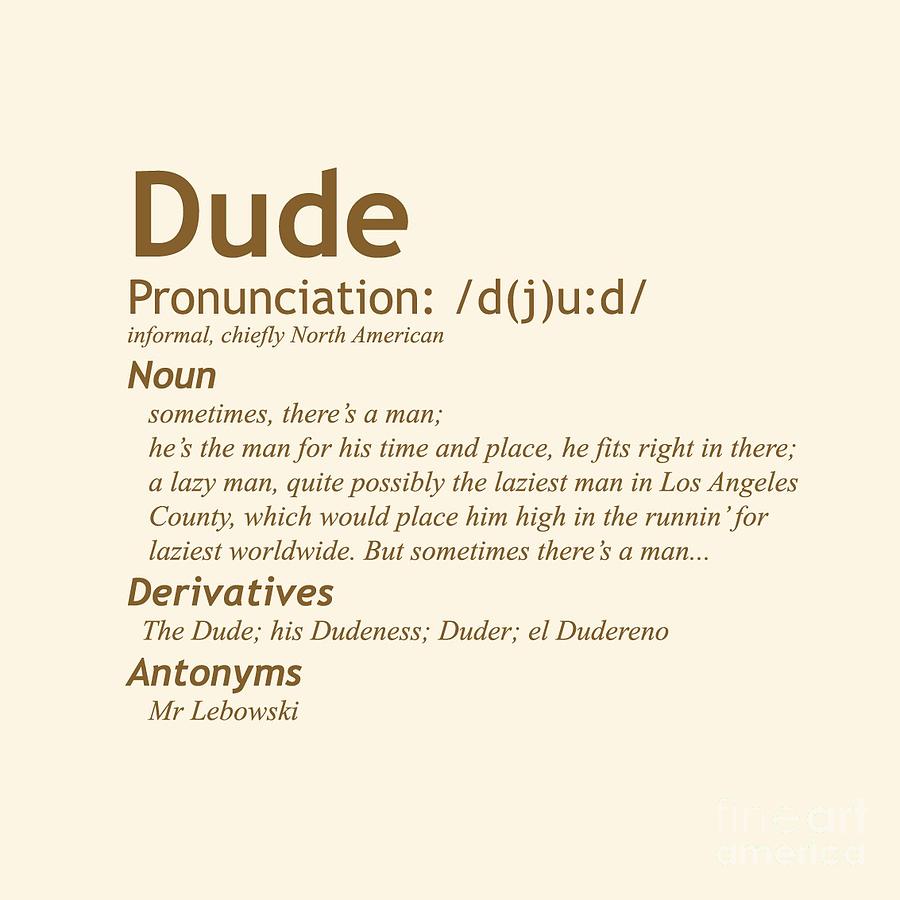
The Evolution of “Dude”: A Brand Identity Journey
To grasp “dude’s” branding utility, one must first trace its fascinating etymological and cultural journey. The word’s shifting definitions highlight its adaptability, a key trait for any successful brand identity.
Early Meanings: A Fashion Statement
The term “dude” first surfaced in American English in the 1880s, initially describing a man who was excessively concerned with his appearance and fashion, often to the point of foppishness. A “dude” was an urbanite, a dandy, who dressed in a refined, sometimes exaggerated, manner, contrasting sharply with the rugged frontiersmen or working-class individuals of the era. This early iteration of “dude” represented a specific, albeit nascent, personal brand: an individual prioritizing style, leisure, and a certain detachment from manual labor. Brands targeting this demographic would have emphasized sophistication, exclusivity, and aesthetic appeal.
From Cowboys to Counterculture: Embracing Casual Cool
The turn of the 20th century saw a transformation, particularly in popular culture. As Eastern urbanites ventured West, the term “dude ranch” emerged, referring to resorts where “city dudes” could experience a sanitized version of cowboy life. Here, “dude” began to shed its pejorative connotations, acquiring a more neutral, almost endearing, quality associated with an outsider experiencing something new.
The most significant shift, however, occurred in the mid-20th century. Post-World War II, and particularly during the 1960s and 70s counterculture movements, “dude” evolved into a generalized, informal address for a male, often signifying camaraderie, a relaxed attitude, and a rejection of traditional formalities. Surfer culture, in particular, adopted “dude” as a cornerstone of its laid-back, rebellious, yet inclusive identity. This marked its transition from a specific identity marker to a more universal, informal identifier, imbued with connotations of cool, authenticity, and non-conformity. For personal brands, aligning with “dude” at this stage meant projecting a vibe of freedom, community, and understated confidence.
Modern Usage: A Fluid Descriptor
Today, “dude” is remarkably fluid. While still predominantly male, its usage has expanded to include females and even gender-neutral contexts, often serving as an interjection, an expression of surprise or agreement, or a casual address within a peer group. This fluidity is crucial for branding. Modern “dude” encompasses a broad spectrum of traits: laid-back, authentic, friendly, approachable, non-judgmental, and possessing a certain street-smart savvy. It can imply a shared understanding, a sense of belonging, and an unpretentious demeanor. For brand strategists, this modern interpretation offers a rich palette of characteristics to integrate into a brand’s voice and visual identity.
“Dude” as a Personal Branding Archetype
In the realm of personal branding, embodying the “dude” archetype can be a deliberate and effective strategy to cultivate a specific public persona. It’s about projecting an image that resonates with the core values associated with the term.
Authenticity and Approachability
A personal brand leveraging the “dude” ethos aims for authenticity. This persona eschews pretense, formality, and corporate jargon, opting instead for transparency and genuine connection. It signals an individual who is relatable, down-to-earth, and easy to engage with. For thought leaders, consultants, or creatives, this can be invaluable, as it breaks down barriers and fosters trust. An approachable “dude” persona might communicate complex ideas in simple terms, admit vulnerabilities, or present solutions in a pragmatic, no-nonsense manner, making them highly accessible to a broad audience. Their online presence, from social media tone to professional headshots, would reflect this relaxed yet competent demeanor.
Targeting Specific Demographics: The Laid-Back Professional
Certain industries and demographics naturally gravitate towards the “dude” archetype. Tech, creative arts, outdoor recreation, and casual lifestyle brands often find resonance with this persona. A “laid-back professional dude” might be a highly skilled developer who presents himself in a hoodie rather than a suit, or a marketing guru who uses humor and relatable analogies instead of dry statistics. This appeals to audiences who value substance over style, innovation over tradition, and genuine connection over superficial polish. The strategic use of “dude-like” language, imagery, and communication styles can effectively signal membership in a specific cultural tribe, attracting like-minded clients, collaborators, or followers.

The Risks of Misappropriation or Overuse
While powerful, the “dude” archetype carries risks. Misappropriation occurs when the persona feels inauthentic or forced. A brand attempting to be “dude-like” without genuine alignment with its values or audience will come across as disingenuous or condescending. Similarly, overuse of casual language or an overly relaxed demeanor can undermine credibility, particularly in industries where formality and seriousness are expected (e.g., finance, law, healthcare). The challenge is to strike a balance, integrating the positive attributes of the “dude” persona—approachability, authenticity, relatability—without sacrificing professionalism or strategic intent. Context and nuance are paramount.
Corporate Branding and the “Dude” Persona
Beyond individual identities, corporate brands frequently tap into the “dude” essence to shape their overall identity, voice, and marketing strategies. This is especially prevalent in sectors aiming to disrupt traditional markets or connect with younger, more digitally native audiences.
Crafting a Relatable Voice: Startups and Tech Brands
Many modern startups, particularly in the tech sector, embrace a “dude” adjacent brand voice to differentiate themselves from established, often more formal, competitors. This involves adopting a conversational, friendly, and often witty tone in their marketing copy, customer service interactions, and product messaging. Think of app interfaces that use playful language, or tech companies whose “about us” pages read like a chat with a friend. This strategy aims to humanize the brand, making complex technology or services feel less intimidating and more accessible. By speaking with their audience rather than to them, these brands foster a sense of community and shared journey, akin to the camaraderie implied by “dude.” The “dude” persona allows brands to project an image of innovation, agility, and a consumer-centric approach.
Marketing Implications: From Slang to Sales
Integrating the “dude” persona into marketing extends beyond language. It influences visual branding (casual aesthetics, vibrant colors, informal typography), advertising campaigns (humorous, slice-of-life scenarios, relatable characters), and even product design (intuitive, user-friendly, non-intimidating interfaces). The goal is to create an experience that feels effortless, cool, and aligned with a specific lifestyle. For instance, a beverage brand might feature diverse groups of friends casually enjoying their product, embodying the inclusive and relaxed vibe of “dude.” This approach builds emotional connections, making the brand feel like a trusted companion rather than a distant corporation. Effective “dude” marketing translates cultural familiarity into brand loyalty by making the brand feel like an extension of the consumer’s social circle.
Case Studies: Brands That Mastered (or Misfired) the “Dude” Vibe
Successful integration requires deep audience understanding. Brands like Mailchimp (with its quirky, helpful tone) or Dollar Shave Club (with its irreverent, honest advertising) have effectively channeled aspects of the “dude” persona to create distinctive and beloved brands. They understand their audience values authenticity, humor, and a straightforward approach. Their “dude” persona is about being approachable and real, not necessarily using the word “dude.”
Conversely, brands that misfire often do so by attempting to force a casual, “dude-like” image without genuine alignment. This can manifest as an established, conservative brand suddenly adopting youth slang, coming across as inauthentic or even patronizing. The disconnect between the brand’s core identity and its attempted persona creates a jarring experience, leading to skepticism and a loss of trust. The “dude” persona must be earned through consistent behavior and genuine understanding, not merely adopted as a superficial trend.
Strategic Considerations for Integrating “Dude” into Brand Identity
For any brand contemplating the “dude” persona, strategic planning is essential to ensure authenticity, impact, and long-term success. It’s not a superficial tactic but a deeply integrated aspect of brand identity.
Audience Demographics and Psychographics
The first step is a thorough understanding of the target audience. Who are they? What are their values, their communication styles, and their cultural touchstones? Does a “dude” persona genuinely resonate with them, or would it alienate them? For younger, more digitally savvy audiences, the casual, authentic vibe of “dude” might be highly appealing. For older, more traditional demographics, it might be perceived as unprofessional or disrespectful. Psychographics, which delves into attitudes and aspirations, is equally important. Are your customers looking for comfort and familiarity, or formality and authority? The “dude” persona appeals to those who value ease, connection, and an unpretentious approach.
Brand Values and Mission Alignment
A brand’s adoption of the “dude” persona must be intrinsically linked to its core values and mission. If a brand champions innovation, accessibility, and community, then a “dude-like” identity might be a natural fit, allowing it to communicate those values effectively. However, if a brand’s mission centers on exclusivity, luxury, or rigid tradition, attempting to embody a “dude” persona would create a fundamental misalignment, eroding brand integrity. Authenticity is paramount; the persona must feel like a genuine extension of what the brand stands for, not a costume it wears to appeal to a trend.
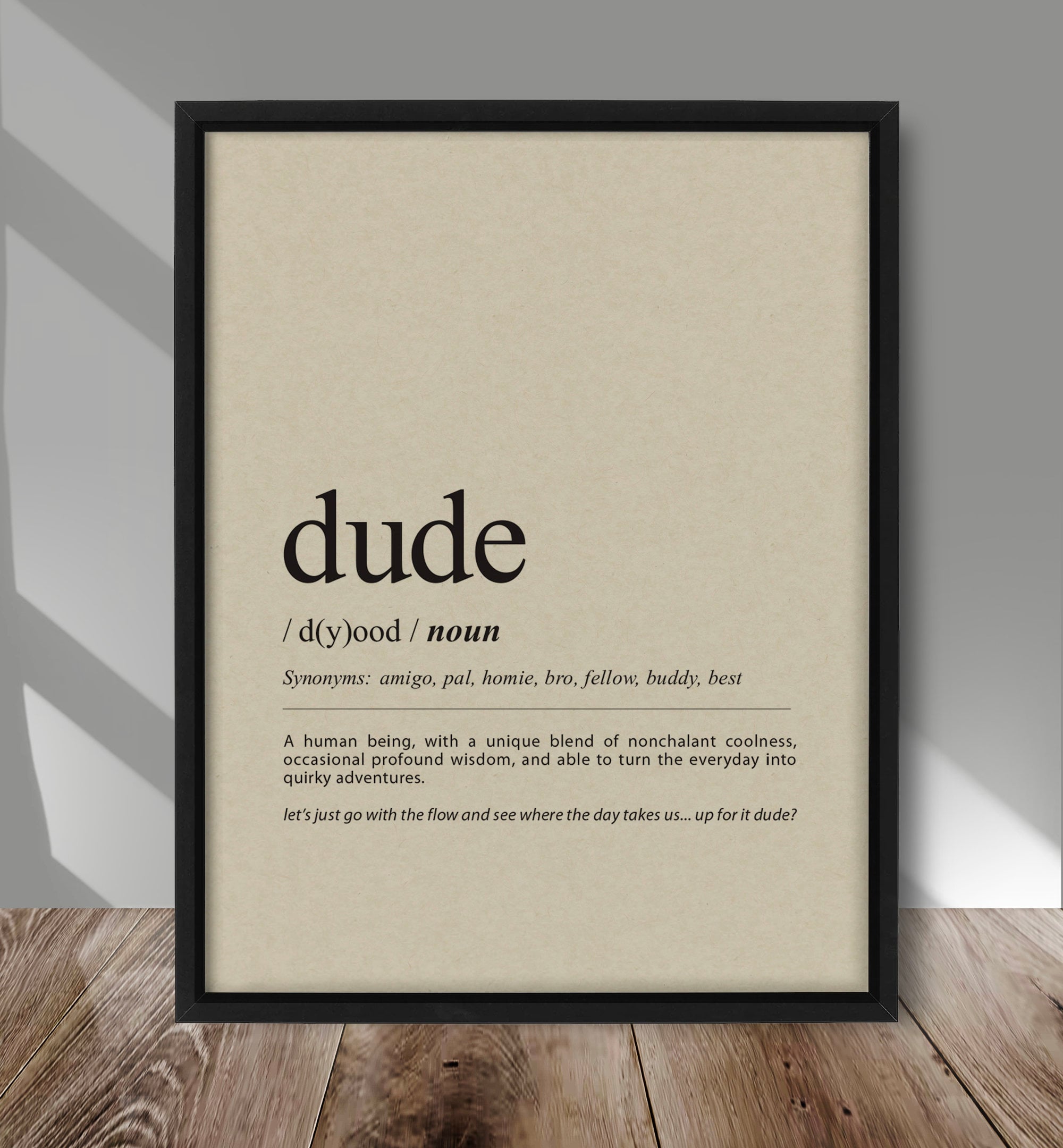
Consistency Across Channels
Once adopted, the “dude” persona must be consistently applied across all brand touchpoints. From website copy and social media posts to customer service interactions and visual design, the brand’s voice and attitude must remain cohesive. Inconsistency breeds confusion and undermines the brand’s identity. This means training staff on the brand’s tone of voice guidelines, ensuring marketing materials reflect the chosen persona, and maintaining a unified aesthetic across all platforms. A brand that is “dude-like” in its advertising but rigid and formal in its customer service will fail to build the trust and connection that the persona is designed to foster. The “dude” brand should feel like a reliable, friendly presence no matter where the customer encounters it.
aViewFromTheCave is a participant in the Amazon Services LLC Associates Program, an affiliate advertising program designed to provide a means for sites to earn advertising fees by advertising and linking to Amazon.com. Amazon, the Amazon logo, AmazonSupply, and the AmazonSupply logo are trademarks of Amazon.com, Inc. or its affiliates. As an Amazon Associate we earn affiliate commissions from qualifying purchases.