
The seemingly simple question, “how much are movies?” unravels a complex tapestry woven from personal finance, intricate business economics, and the ever-evolving dynamics of the global entertainment industry. It’s a query that extends far beyond the price of a single movie ticket, encompassing everything from your monthly streaming subscriptions and the multi-million-dollar budgets studios pour into production, to the intangible value we derive from cinematic experiences. In an era marked by unprecedented choice in content consumption, understanding the financial ecosystem of movies is crucial for both consumers seeking to optimize their entertainment spending and industry observers tracking the pulse of a massive global business. This article delves into the multifaceted costs associated with films, exploring consumer expenditures, the immense financial outlays of production, the diverse revenue streams, and the enduring economic value proposition of cinematic storytelling.
The Consumer’s Wallet: Understanding Your Movie Expenditure
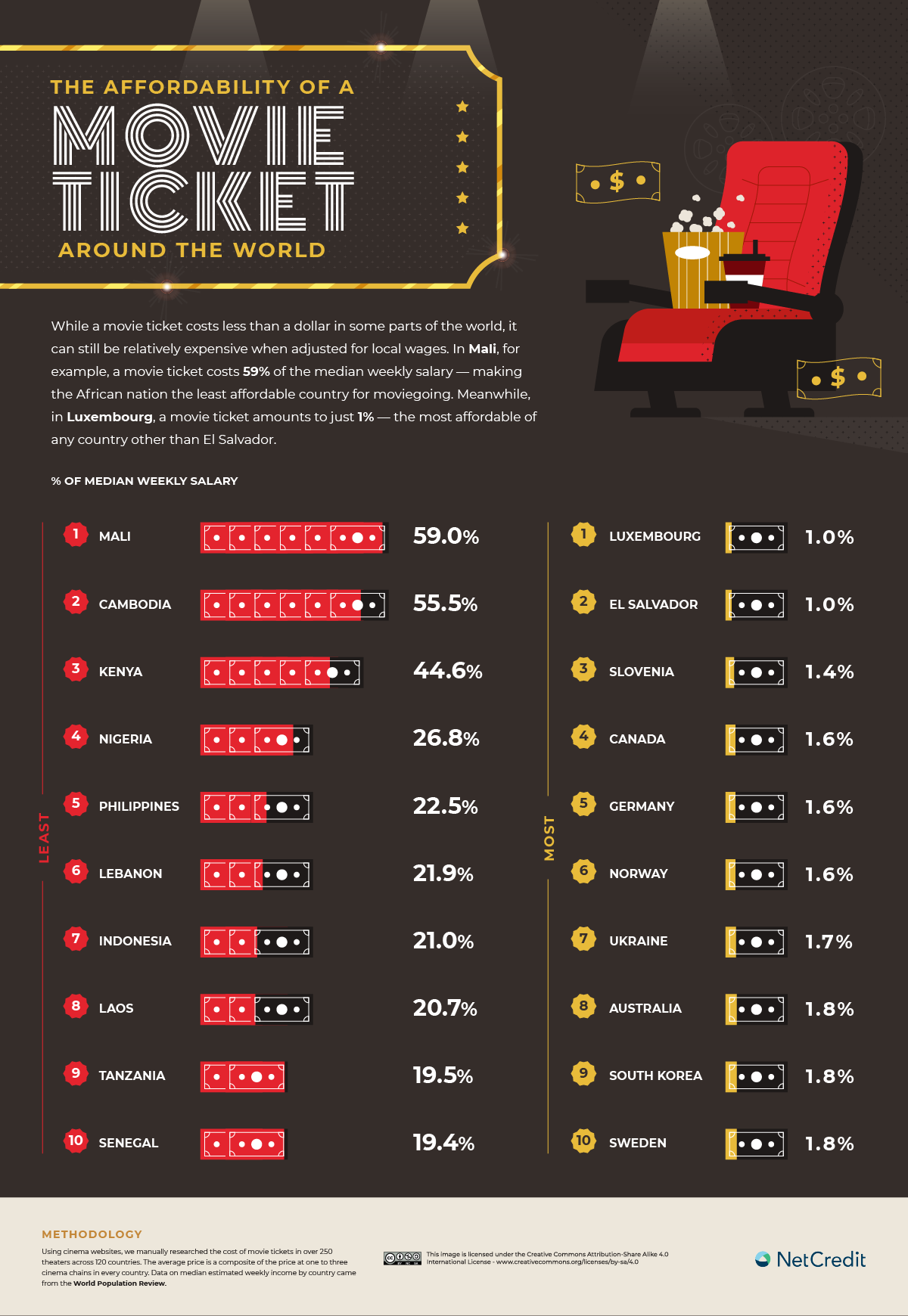
For the average individual, the cost of movies is a direct line item in their personal finance budget, yet its true scope is often underestimated. The ways we consume movies have diversified dramatically, each with its own price tag and unique value proposition.
The Enduring Charm of Theatrical Release: Ticket Prices and Hidden Costs
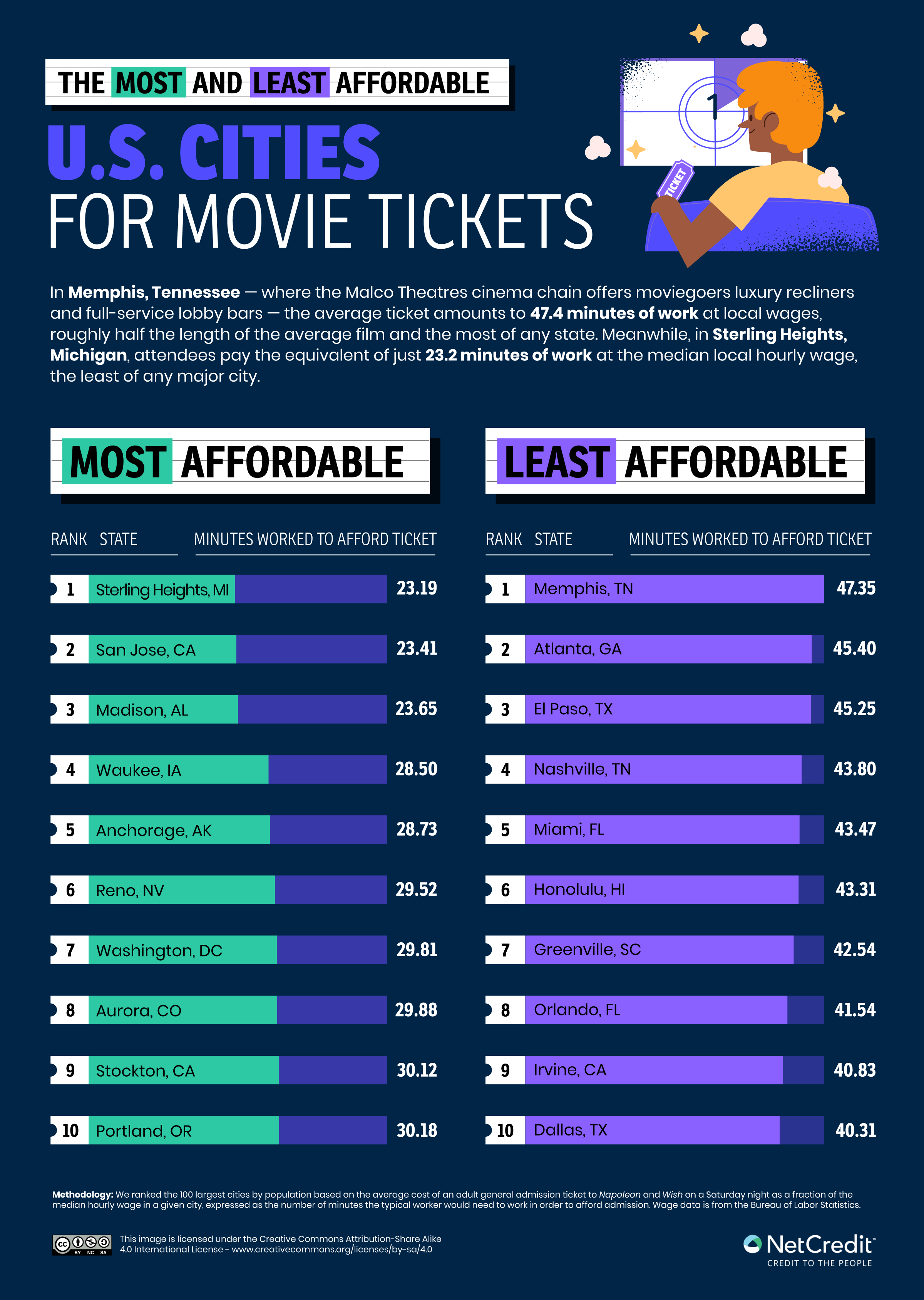
Despite the rise of in-home entertainment, the magic of the big screen persists. However, experiencing a movie in theaters comes with a tangible cost that has steadily increased over the years. Average ticket prices vary significantly by region and country, often ranging from $10 to $15 in the U.S., but can soar for premium formats. IMAX, 3D, Dolby Cinema, and other immersive experiences command higher prices, sometimes pushing a single ticket past $20.
Beyond the ticket, an evening at the cinema often entails a host of “hidden costs” that quickly add up. Concessions—popcorn, sodas, and candies—are notoriously marked up, frequently doubling or tripling the initial ticket cost for a couple or family. Parking fees, transportation costs, and even the expense of a babysitter for parents contribute to the overall outlay. Savvy consumers might leverage matinee showings, discount Tuesdays, or cinema loyalty programs to mitigate these expenses, highlighting how even a seemingly simple leisure activity requires financial planning and awareness.
The Streaming Revolution: Subscription Models and Digital Rentals
The last decade has witnessed a seismic shift towards streaming, transforming how we access and pay for movies. Instead of a per-movie charge, many now opt for subscription services, which offer vast libraries of content for a fixed monthly fee. Giants like Netflix, Disney+, Max, Hulu, and Amazon Prime Video each present their own pricing tiers, typically ranging from $7 to $20 per month.
The convenience and breadth of content offered by these platforms are undeniable, but they also introduce a new financial challenge: “streaming fatigue.” As exclusive content drives subscribers to multiple platforms, managing several subscriptions can quickly accumulate to a significant monthly expenditure, sometimes rivaling or exceeding the cost of traditional cable TV. Beyond subscriptions, digital rentals (PVOD – Premium Video On Demand) and electronic sell-through (EST – buying digital copies) offer individual movie access, typically priced from $4 to $20, allowing consumers to access new releases sooner or own beloved titles digitally without a subscription.
Physical Media: A Niche Investment for Cinephiles?
While digital consumption dominates, a dedicated segment of cinephiles continues to invest in physical media, primarily Blu-rays and 4K UHD discs. These purchases, typically ranging from $15 to $35 for new releases, represent a different kind of financial commitment. Unlike streaming, which offers temporary access, physical media provides permanent ownership, often with superior audio-visual quality and a wealth of bonus features.
For collectors, physical media can also be seen as a tangible investment in their cultural library, offering re-watchability independent of internet access or streaming service availability. Special edition sets or limited releases can even appreciate in value over time, appealing to those who view their movie collection as both an entertainment asset and a potential long-term financial holding. However, the upfront cost is higher, and the storage of physical media requires consideration.
The Billion-Dollar Question: Deconstructing Movie Production Budgets
While consumers grapple with ticket prices and subscriptions, the true financial magnitude of the film industry is revealed in the colossal budgets required to bring a movie to life. These are not just artistic endeavors but intricate financial undertakings, often involving hundreds of millions of dollars.
From Script to Screen: What Drives Production Costs?
The journey from a script to a finished film is incredibly expensive, with costs stemming from every stage of production. The largest chunks often go towards talent acquisition. Star actors and A-list directors command salaries in the millions, sometimes tens of millions, often with additional backend deals tied to box office performance. Key crew members, including cinematographers, editors, and production designers, also represent significant payroll expenses.
Production expenses encompass everything from elaborate sets and practical effects to cutting-edge visual effects (VFX) that can consume a substantial portion of the budget. Location scouting, permits, equipment rentals (cameras, lighting, sound gear), and the sheer logistics of transporting and housing hundreds of cast and crew members on location contribute immensely. Post-production—editing, sound design, musical scores, and color grading—further adds to the financial tally, transforming raw footage into a polished cinematic product. Insurance, legal fees, and administrative overhead also layer on costs, making film production one of the most capital-intensive creative industries.
The Marketing Machine: Advertising’s Crucial Role
Producing a film is only half the battle; getting audiences to see it is another costly endeavor. Marketing and distribution campaigns are often budgeted separately from production and can easily add tens or even hundreds of millions of dollars to a film’s overall cost. Global marketing efforts include trailers, TV spots, online advertisements, social media campaigns, print ads, and lavish premieres.
A blockbuster film might spend as much on marketing as it does on its production. The goal is to build hype, drive awareness, and ultimately compel audiences into theaters or onto streaming platforms. Effective marketing is a critical financial investment, directly impacting a film’s commercial success and its ability to recoup its initial production costs. Without a robust marketing push, even the best film can fail to find its audience, underscoring the vital financial role of advertising.
When Blockbusters Break the Bank: Extreme Examples and Their Risks
Some films, particularly in the superhero, sci-fi, and fantasy genres, push production budgets into stratospheric territory. Films like James Cameron’s Avatar sequels or major Marvel Cinematic Universe installments can have production budgets exceeding $250 million, sometimes approaching $400 million, before marketing costs are even factored in. These mega-budgets are often justified by the need for groundbreaking visual effects, global location shoots, and A-list ensemble casts.
While these blockbusters aim for massive returns, they also carry immense financial risks. A film with a $200 million production budget and $100 million marketing budget needs to gross significantly more than $300 million worldwide just to break even, due to revenue splits with exhibitors and other distributors. Underperforming at the box office or failing to attract sufficient streaming viewership can lead to substantial financial losses for studios, making each mega-budget film a high-stakes gamble in the world of business finance.
The Shifting Sands of Revenue: How Movies Make (or Lose) Money
Understanding “how much are movies” from a financial perspective necessitates examining the diverse revenue streams that fuel the industry. The traditional model has been dramatically reshaped, but several key avenues remain vital.
The Traditional Box Office: A Declining but Still Potent Force
Historically, the box office was the primary barometer of a film’s success and its initial revenue generator. Global box office performance, measured by ticket sales worldwide, remains a significant financial indicator. However, its dominance has been challenged by evolving consumer habits and, more recently, global events.
Studios do not keep 100% of box office receipts. A significant portion, often around 50% in domestic markets and 25-40% internationally, goes to cinema exhibitors. This revenue split means a film must gross double its combined production and marketing budget to simply break even from theatrical sales alone. The “theatrical window”—the period of exclusive cinema release before a film is available on other platforms—has also shortened, impacting the total potential box office revenue and forcing studios to re-evaluate their financial strategies.
Streaming’s Dominance: Subscription Fees and Licensing Deals
For many studios, streaming platforms now represent a colossal and increasingly central revenue stream. For production companies that own their streaming services (e.g., Disney+ for Disney, Max for Warner Bros. Discovery), subscriber fees are a direct form of income. The more subscribers, the more predictable and recurring revenue. This direct-to-consumer model allows studios to bypass traditional intermediaries and gather valuable data on viewer preferences.
Beyond proprietary platforms, licensing content to third-party streaming services remains a lucrative financial strategy. Studios can sell the rights for their films to appear on platforms they don’t own, generating substantial upfront payments or ongoing royalties. This hybrid approach to distribution and monetization ensures that films continue to generate income long after their initial theatrical or direct-to-streaming debut. The fierce competition for exclusive content also drives up licensing fees, creating a seller’s market for popular titles.
Ancillary Markets: From Merch to Home Entertainment
While box office and streaming capture headlines, ancillary markets have always been crucial for a film’s profitability. These “secondary” revenue streams can significantly bolster a film’s financial performance and turn a marginal success into a substantial profit. Merchandising, including toys, clothing, video games, and collectibles, is a massive industry, particularly for franchise films. Soundtracks and musical scores also generate royalties.
Home entertainment, encompassing digital rentals/sales (PVOD/EST) and physical media sales (DVD, Blu-ray, 4K UHD), continues to provide consistent revenue, offering consumers different options to own or repeatedly watch films. Furthermore, TV syndication rights, international distribution deals, and even in-flight entertainment licensing contribute to the long tail of a film’s financial life cycle. These diverse revenue channels underscore that the financial success of a movie is rarely dependent on a single income stream but rather a complex interplay of various monetization strategies.
The Economic Value Proposition of Cinema: More Than Just a Price Tag
Beyond the direct costs and financial returns, movies offer a unique economic value proposition that extends into cultural, social, and broader economic spheres. The question “how much are movies?” also asks about their worth, not just their price.
Entertainment as an Investment: Intangible Returns
For the consumer, spending money on movies is an investment in entertainment, escapism, and shared experiences. The intangible returns—the joy, the thought-provoking narratives, the emotional connection, the shared laughter or tears with friends and family—are difficult to quantify but contribute significantly to quality of life. In an increasingly digital world, a trip to the cinema can be a cherished social outing, fostering connection and cultural discourse.
From a personal finance perspective, evaluating the “value for money” of movies means comparing their cost to other forms of entertainment (e.g., live concerts, sporting events, dining out) and assessing the duration and intensity of the experience. A two-hour movie might offer a profound emotional journey for a fraction of the cost of other leisure activities, making it a high-value entertainment investment for many.
The Financial Impact on Related Industries
The film industry is a powerful economic engine, generating ripple effects across numerous related sectors. Film production directly creates millions of jobs globally, from highly specialized craftspeople to administrative staff, indirectly supporting local economies through catering, accommodation, and transportation services during shoots. Tourism is often boosted by popular film locations, drawing fans who wish to experience the settings of their favorite movies.
Technological innovation is another significant byproduct. The demands of filmmaking, particularly in areas like visual effects, camera technology, and sound engineering, drive advancements that often find applications in other industries. The cultural export of films also contributes to a nation’s soft power, enhancing its global image and facilitating trade and diplomatic ties.

Navigating the Future: Trends in Movie Economics
The financial landscape of movies is in constant flux. The debate between theatrical exclusivity and streaming convenience continues to shape release strategies, with hybrid models gaining traction. Studios are exploring personalized pricing, leveraging data analytics and AI to offer tailored subscription tiers or rental options. The rise of niche content and diverse storytelling, often facilitated by lower-budget streaming productions, is expanding the market and attracting new audiences, challenging the traditional blockbuster-centric model.
The question of “how much are movies” will continue to evolve, influenced by technological advancements, shifts in consumer behavior, and innovative business strategies. As the industry adapts, so too will the financial considerations for both the creators and the consumers of cinematic art.
In conclusion, “how much are movies?” is a question laden with economic complexity. It requires an understanding of individual spending on tickets, subscriptions, and physical media, alongside the colossal budgets for production and marketing, and the diverse revenue streams that sustain a global industry. From the perspective of personal finance, it’s about making informed choices to maximize entertainment value. From a business finance standpoint, it’s about navigating high-stakes investments, evolving distribution models, and the continuous quest for profitability in a dynamic, capital-intensive creative sector. As the cinematic world continues its captivating journey, its financial underpinnings remain a fascinating study in money, value, and human desire for storytelling.
aViewFromTheCave is a participant in the Amazon Services LLC Associates Program, an affiliate advertising program designed to provide a means for sites to earn advertising fees by advertising and linking to Amazon.com. Amazon, the Amazon logo, AmazonSupply, and the AmazonSupply logo are trademarks of Amazon.com, Inc. or its affiliates. As an Amazon Associate we earn affiliate commissions from qualifying purchases.