
In the world of fitness and bodybuilding, performance-enhancing substances have long been a subject of intense debate, scientific scrutiny, and clinical application. Among the most discussed compounds is Nandrolone Decanoate, commonly referred to as “Deca.” Understanding what Deca is requires looking past the common misconceptions to evaluate its origins, its mechanism of action, its therapeutic uses, and the significant financial and health implications surrounding its use. For those operating within the sports and health business sectors, understanding the market dynamics of such substances is as critical as understanding the biological impact.
The Pharmaceutical Foundation of Nandrolone Decanoate
At its core, Deca is an injectable anabolic androgenic steroid (AAS). It is a derivative of testosterone, specifically 19-nortestosterone, which features the removal of the 19th carbon atom in the steroid structure. This chemical alteration is pivotal because it significantly modifies how the substance interacts with the body compared to standard testosterone.

Chemical Properties and Delivery
The “Decanoate” suffix refers to the ester attached to the Nandrolone molecule. Esters are used in pharmaceutical engineering to control the release rate of the hormone once it enters the bloodstream. The Decanoate ester is relatively long, creating a slow-release mechanism that makes the substance ideal for less frequent administration. In a professional context, this represents a sophisticated delivery system designed to maintain stable serum levels over an extended period, which is a hallmark of high-quality drug formulation.
Mechanism of Action
Nandrolone binds to the androgen receptor, but with a unique affinity that distinguishes it from other compounds. It displays a lower tendency for aromatization—the process by which androgens are converted into estrogens—compared to testosterone. This lower conversion rate is one of the primary reasons Deca is frequently utilized in therapeutic settings where estrogen-related side effects, such as water retention or gynecomastia, must be carefully managed.
The Therapeutic and Clinical Landscape
While Deca is infamous in the realm of competitive athletics, its initial design and current medical applications are rooted in genuine clinical need. Understanding the professional use of this substance involves examining its historical role in modern medicine and how it serves specific patient populations.
Managing Chronic Wasting Conditions
Deca was developed to address severe medical conditions, most notably anemia and muscle-wasting diseases. By stimulating the production of red blood cells and enhancing nitrogen retention in the muscle tissue, it provides a metabolic buffer for patients struggling with chronic illness. In the context of business and healthcare management, the supply chains for these types of pharmaceutical products are strictly regulated, ensuring that they remain reserved for legitimate medical indications such as HIV-related wasting or osteoporosis management in geriatric populations.
Nitrogen Retention and Tissue Repair
The most cited biological benefit of Deca is its ability to promote significant nitrogen retention. Nitrogen is a fundamental component of protein synthesis. When a body is in a positive nitrogen balance, it is in an anabolic (building) state. By improving the efficiency with which the body utilizes protein, Nandrolone aids in the repair and recovery of muscle tissue. This is why, in orthopedic or rehabilitation medicine, clinicians have occasionally explored its use to help patients recover from severe trauma or surgery, provided the potential risks are thoroughly outweighed by the therapeutic gains.
The Economic and Regulatory Environment of Anabolic Substances
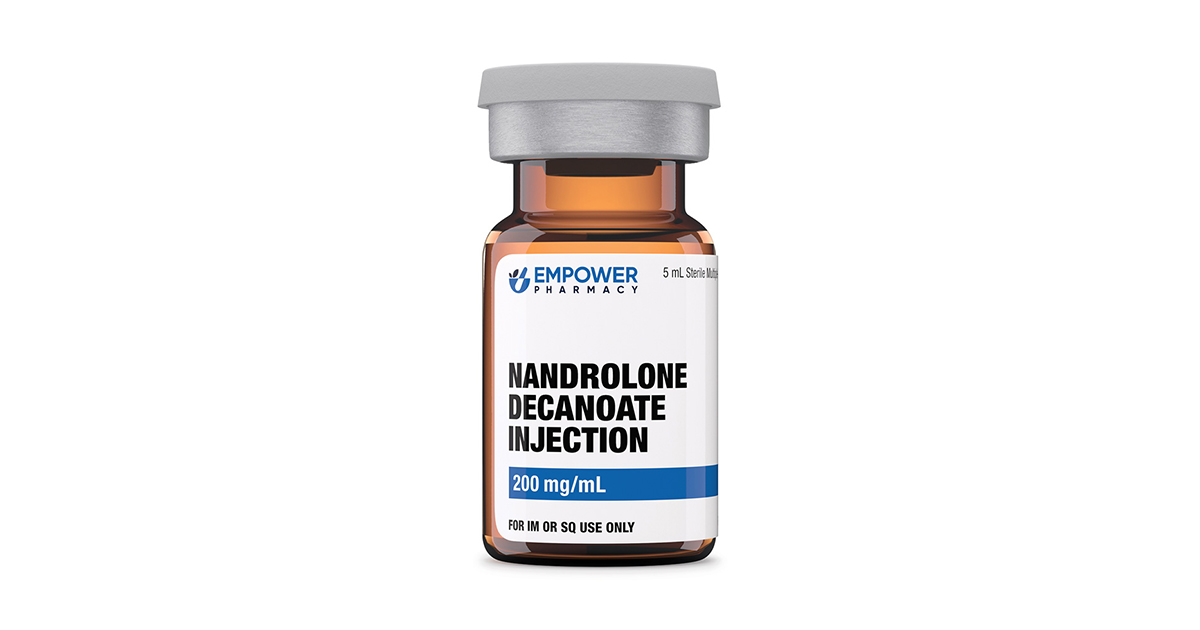
The existence and distribution of substances like Deca are governed by a complex web of laws, international trade regulations, and economic factors. From a business perspective, the anabolic steroid market exists within a unique shadow economy that operates parallel to legitimate pharmaceutical commerce.
The Cost of Illicit Markets
Because Deca is a controlled substance in most jurisdictions, the “market” for it is largely illicit. This creates a significant financial risk for both the producer and the consumer. The lack of standardized quality control in the black market means that the purity and potency of products labeled as “Deca” can vary wildly. For anyone evaluating the business side of the fitness industry, the financial losses associated with tainted products, legal fees, and healthcare costs resulting from sub-par formulations represent a massive hidden liability.
Regulatory Hurdles and Compliance
Global governing bodies such as the World Anti-Doping Agency (WADA) maintain strict prohibitions on Nandrolone. For athletes and fitness professionals, being associated with the distribution or use of these substances can lead to the permanent forfeiture of sponsorship deals, professional contracts, and competitive eligibility. From an institutional standpoint, the business of fitness thrives on integrity; therefore, the introduction of non-compliant substances often results in severe economic fallout, as it compromises the legitimacy of sporting organizations and brands.
The Professional Risk-to-Reward Assessment
In any professional pursuit—whether it is personal branding, corporate strategy, or high-performance athletics—risk management is the cornerstone of longevity. Deca carries a distinct profile of risks that extend beyond the physical, impacting professional reputation and long-term financial stability.
The Cost of Health Complications
From a healthcare finance perspective, the side effects of Nandrolone use—such as cardiovascular strain, endocrine disruption, and potential psychological impacts—can lead to long-term chronic health issues. These health outcomes often result in substantial medical expenditures. When a person chooses to use such a substance, they are implicitly assuming a liability that could eventually affect their ability to work, earn an income, or maintain their personal brand.
Reputation Management and Personal Branding
In the digital age, a professional’s brand is their most valuable asset. The association with performance-enhancing drugs is inherently controversial. For fitness influencers, coaches, and athletes, the disclosure—or discovery—of anabolic steroid use can lead to the rapid erosion of public trust. The financial implications are immediate: loss of brand partnerships, alienation of an audience that prioritizes natural wellness, and potential legal scrutiny. Professional athletes and content creators must weigh whether the temporary gains in physical performance are worth the permanent devaluation of their professional brand identity.
Strategic Outlook for the Fitness Industry
The future of physical performance is shifting toward transparency and evidence-based science. As the fitness industry evolves, the role of pharmacological interventions is being scrutinized through the lens of longevity and health optimization rather than mere aesthetic or performance maximization.
The Shift Toward Sustainable Performance
The market is currently seeing a surge in demand for natural performance optimization, including advanced supplementation, biohacking, and nutrition science. Investors and business owners in the health sector are increasingly pivoting toward technologies that support hormone health naturally rather than through synthetic intervention. This transition signifies a broader movement toward “clean” fitness, where the value proposition is based on sustainable, long-term health rather than the unsustainable gains associated with traditional AAS usage.
The Intersection of Ethics and Profitability
Ultimately, the decision to engage with substances like Deca is a decision that involves balancing immediate performance goals with long-term professional risks. Businesses that prioritize high-quality, transparent, and ethical practices are consistently outperforming those that rely on the ephemeral gains of unregulated substances. For those interested in the growth of the fitness sector, the path to sustained profitability and market influence lies in the integration of ethical health strategies. Understanding what Deca is—a potent, regulated, and high-risk pharmaceutical tool—allows professionals to make informed decisions that align with their long-term financial and professional objectives. The focus, therefore, must remain on how to optimize performance without compromising the integrity of the individual or the industry.
aViewFromTheCave is a participant in the Amazon Services LLC Associates Program, an affiliate advertising program designed to provide a means for sites to earn advertising fees by advertising and linking to Amazon.com. Amazon, the Amazon logo, AmazonSupply, and the AmazonSupply logo are trademarks of Amazon.com, Inc. or its affiliates. As an Amazon Associate we earn affiliate commissions from qualifying purchases.