
Credit card debt is a significant burden for millions of households. When monthly payments become unmanageable and interest rates continue to climb, many consumers begin searching for a way out. One term that often surfaces during these searches is “debt forgiveness.” While the idea of having your balances wiped clean sounds like a financial miracle, the reality of credit card debt forgiveness—more accurately known as debt settlement—is a complex process with long-term implications for your financial health.
In the realm of personal finance, understanding how these mechanisms work is essential for making informed decisions. This article explores the mechanics of debt forgiveness, the process of negotiation, the potential consequences, and the alternatives available to those seeking financial relief.
Understanding the Mechanics of Credit Card Debt Forgiveness
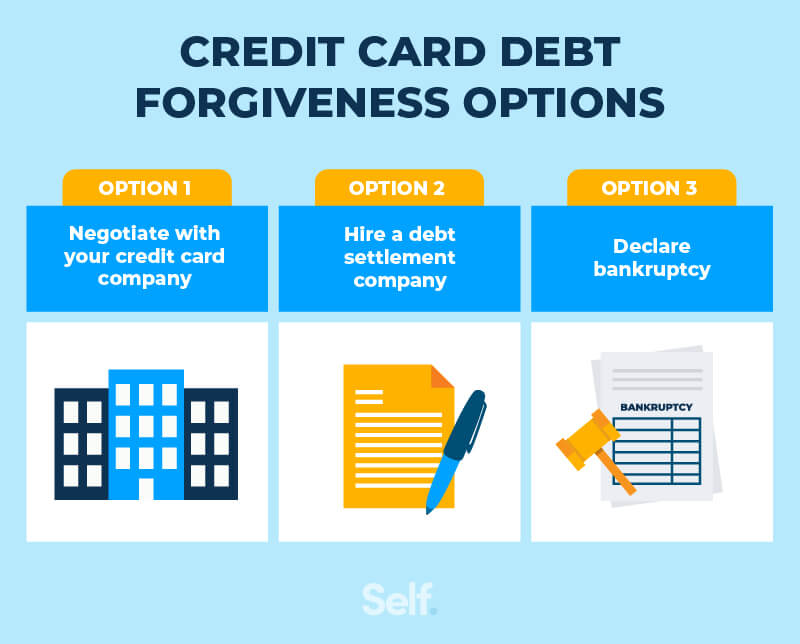
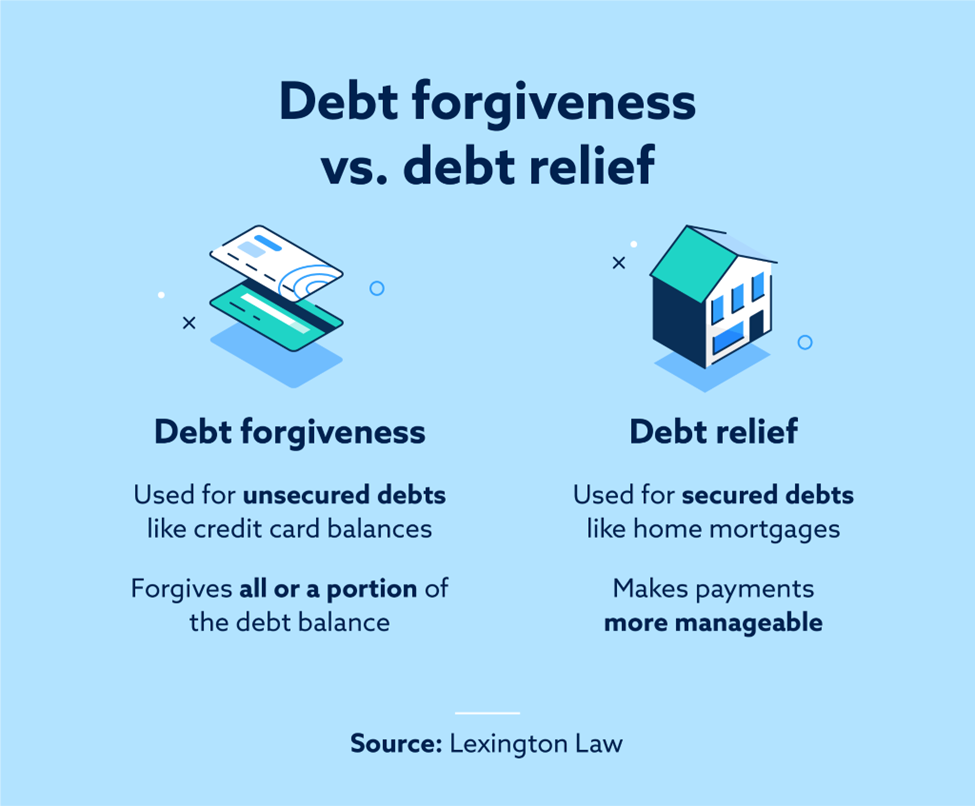
The term “forgiveness” can be somewhat misleading in the context of consumer credit. Unlike certain federal student loans that may be forgiven after a set period of public service, credit card companies are for-profit institutions that rarely cancel debt out of benevolence. Instead, debt forgiveness is typically achieved through a negotiated settlement where the creditor agrees to accept less than the full amount owed.
What Exactly Is Debt Settlement?
Debt settlement is a negotiation between a debtor and a creditor (or a collection agency) to pay a lump-sum amount that is smaller than the total balance. In exchange for this payment, the creditor agrees to “forgive” the remaining balance and consider the account settled. For example, if you owe $10,000, a creditor might agree to accept $5,000 as a final payment.
Why Do Creditors Agree to Forgive Debt?
It may seem counterintuitive for a bank to walk away from money they are legally owed. However, from the bank’s perspective, receiving 50% of the debt is better than receiving 0%. When a consumer falls significantly behind on payments—usually 90 to 180 days—the bank begins to view the debt as an “uncollectible” risk. If the consumer files for Chapter 7 bankruptcy, the credit card company (which is an unsecured creditor) might receive nothing at all. Thus, settlement is a risk-mitigation strategy for the lender.
The Role of the Charge-Off
Before a bank is willing to discuss forgiveness or settlement, the account usually enters a “charge-off” status. This means the bank has written the debt off as a loss on their books. It does not mean the debt is gone; rather, it is often sold to a third-party collection agency. These agencies buy debt for pennies on the dollar, which gives them more flexibility to negotiate settlements with the consumer.
The Process: How Debt Forgiveness Is Negotiated
Achieving debt forgiveness is not as simple as making a phone call and asking for a discount. It is a strategic process that requires patience, documentation, and a willingness to withstand aggressive collection efforts.
Negotiating with Creditors Directly
The most direct route is to negotiate with the original credit card issuer. This is generally most effective when you can prove severe financial hardship, such as a job loss, medical emergency, or divorce. When negotiating directly, it is vital to have a lump sum of cash ready. Creditors are far more likely to forgive a portion of the debt if they can get a guaranteed payment immediately, rather than waiting for smaller installments over time.
Utilizing Third-Party Debt Settlement Companies
Many consumers choose to hire professional debt settlement firms to handle negotiations. These companies typically instruct the consumer to stop making payments to the credit card issuer and instead deposit that money into a dedicated savings account. Once the account grows large enough, the firm approaches the creditors to negotiate settlements.
While this can be effective, it carries significant risks. During the period when you stop making payments, your credit score will plummet, and interest and late fees will continue to accrue, potentially increasing the total debt before it is settled.
The Importance of Written Agreements
One of the most critical steps in the forgiveness process is obtaining a written settlement agreement. Before sending any money, the consumer must have a document from the creditor stating the exact amount to be paid, the deadline for payment, and a clear statement that the remaining balance will be forgiven and the account will be reported as “settled in full” or “paid as agreed for less than the full balance.” Without this documentation, a creditor or a future debt buyer could still attempt to collect the “forgiven” portion.
The Consequences of Debt Forgiveness: What to Expect
While debt forgiveness provides immediate relief from the pressure of mounting balances, it is not a “get out of debt free” card. There are serious trade-offs that can affect your financial life for years to come.
The Impact on Your Credit Score
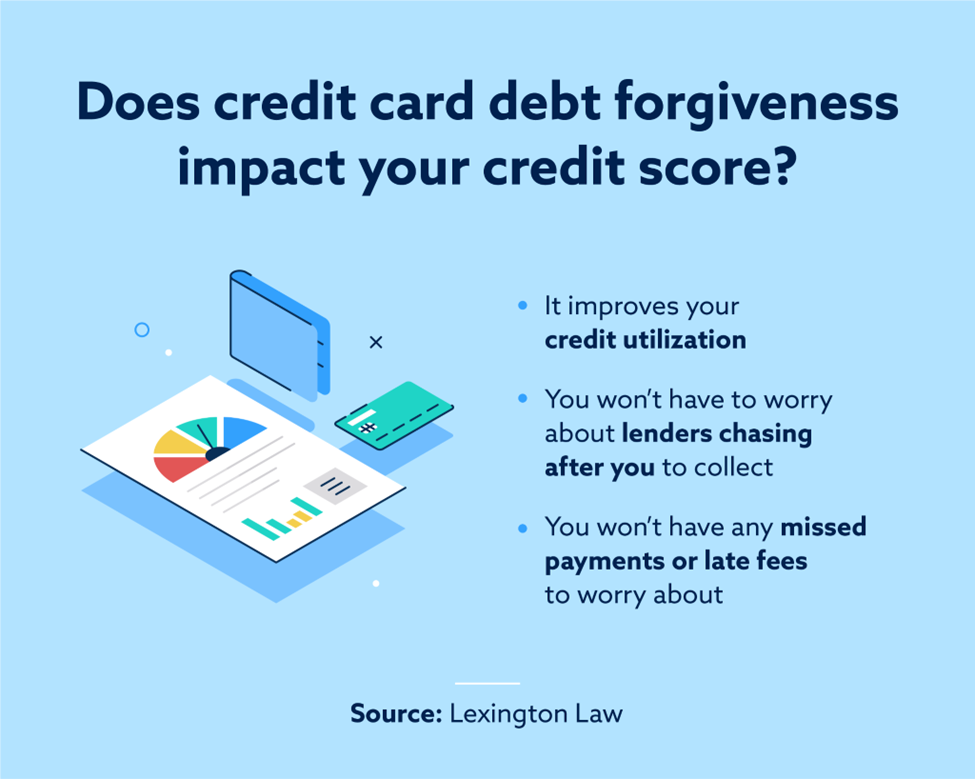
Debt forgiveness is considered a negative event on a credit report. Because you are not fulfilling the original terms of your contract (paying back the full amount), your credit score will drop. A settled account stays on your credit report for seven years from the date of the first delinquency. This can make it more difficult and expensive to secure a mortgage, an auto loan, or even new credit cards in the future.
Tax Implications and IRS Form 1099-C
One of the most overlooked aspects of debt forgiveness is the tax liability. According to the IRS, forgiven debt is often treated as taxable income. If a creditor forgives $600 or more of a debt, they are required to issue a Form 1099-C, “Cancellation of Debt.”
For example, if you settle a $15,000 debt for $7,000, the $8,000 that was forgiven may be added to your taxable income for the year. This could result in a significant tax bill that catches consumers off guard. There are exceptions, such as if you can prove you were “insolvent” (your total liabilities exceeded your total assets) at the time of the settlement, but this requires professional tax advice.
The Risk of Lawsuits
When you stop making payments in hopes of forcing a settlement, you run the risk of the creditor filing a lawsuit against you. If a creditor wins a judgment, they may be able to garnish your wages or place a lien on your property. This significantly reduces your leverage in negotiations and can lead to a much worse financial outcome than the original debt.
Alternatives to Debt Forgiveness
Before committing to a debt settlement or forgiveness strategy, it is wise to explore other financial tools that might preserve your credit score or offer a more structured path to recovery.
Debt Management Plans (DMP)
Offered by non-profit credit counseling agencies, a Debt Management Plan is a middle-ground solution. The agency works with your creditors to lower your interest rates and waive late fees. You make one monthly payment to the agency, which then distributes the funds to your creditors. Unlike debt forgiveness, you pay back 100% of what you owe, which means there is little to no negative impact on your credit score, and you avoid the tax implications of forgiven debt.
Debt Consolidation Loans
If your credit score is still relatively healthy, you may qualify for a personal loan with a lower interest rate than your credit cards. You use the loan to pay off all your credit card balances and then focus on paying back the single loan. This simplifies your finances and can save you thousands in interest without the “stigma” of a settlement on your credit report.
Balance Transfer Credit Cards
For those with moderate debt and good credit, a 0% APR balance transfer card can provide a window of 12 to 21 months to pay off the principal without accruing interest. This is a powerful tool for aggressive debt repayment, provided you have a disciplined plan to clear the balance before the introductory period ends.
Bankruptcy: The Final Resort
If your debt is so overwhelming that settlement or repayment is impossible, Chapter 7 or Chapter 13 bankruptcy may be the only option. While this has the most severe impact on your credit, it provides a legal framework for debt discharge and offers a true fresh start.
Is Debt Forgiveness Right for You?
Deciding whether to pursue credit card debt forgiveness requires a sober assessment of your financial reality. It is generally not a proactive strategy for someone who can afford their minimum payments; rather, it is a reactive strategy for those who are already in a state of financial distress.
Assessing Your Financial Health
Ask yourself the following questions:
- Am I already behind on my payments?
- Do I have a lump sum of cash available for settlement?
- Can I handle a significant drop in my credit score for the next few years?
- Do I have a plan for the potential tax bill associated with forgiven debt?
If the answer to these questions is “yes,” debt settlement might be a viable path to escaping a cycle of high-interest debt. However, it is always recommended to consult with a financial advisor or a reputable credit counselor before making a move.
Avoiding Scams in the Debt Industry
The debt relief industry is unfortunately rife with predatory companies. Be wary of any organization that guarantees they can wipe out your debt for pennies on the dollar or demands large upfront fees before settling any of your accounts. Under the Federal Trade Commission’s Telemarketing Sales Rule, debt settlement companies are generally prohibited from charging fees until they have actually settled a debt for you.
Long-Term Financial Recovery
Debt forgiveness is a tool to address the symptoms of financial distress, but it does not address the cause. Once you have navigated the process and settled your accounts, the focus must shift to rebuilding your credit and establishing a sustainable budget. This involves using credit responsibly—such as through secured credit cards—and building an emergency fund to ensure that you never find yourself in a position where you need “forgiveness” again.
By understanding the nuances of how credit card debt is settled and forgiven, you can navigate the complexities of personal finance with confidence and move toward a future of true financial stability.
aViewFromTheCave is a participant in the Amazon Services LLC Associates Program, an affiliate advertising program designed to provide a means for sites to earn advertising fees by advertising and linking to Amazon.com. Amazon, the Amazon logo, AmazonSupply, and the AmazonSupply logo are trademarks of Amazon.com, Inc. or its affiliates. As an Amazon Associate we earn affiliate commissions from qualifying purchases.