
In the complex ecosystem of modern civil engineering and smart building management, the preservation of water quality is a paramount technical challenge. While much of the public focus remains on filtration and desalination, the mechanical integrity of distribution systems is equally critical. At the heart of this integrity lies a sophisticated piece of hardware: the backflow preventer. This device represents a fusion of fluid dynamics, mechanical engineering, and increasingly, digital monitoring technology. Understanding what a backflow preventer is requires looking past the simple pipes and into the high-stakes world of hydraulic safety and infrastructure tech.
The Mechanics of Safety: How Backflow Preventer Technology Works
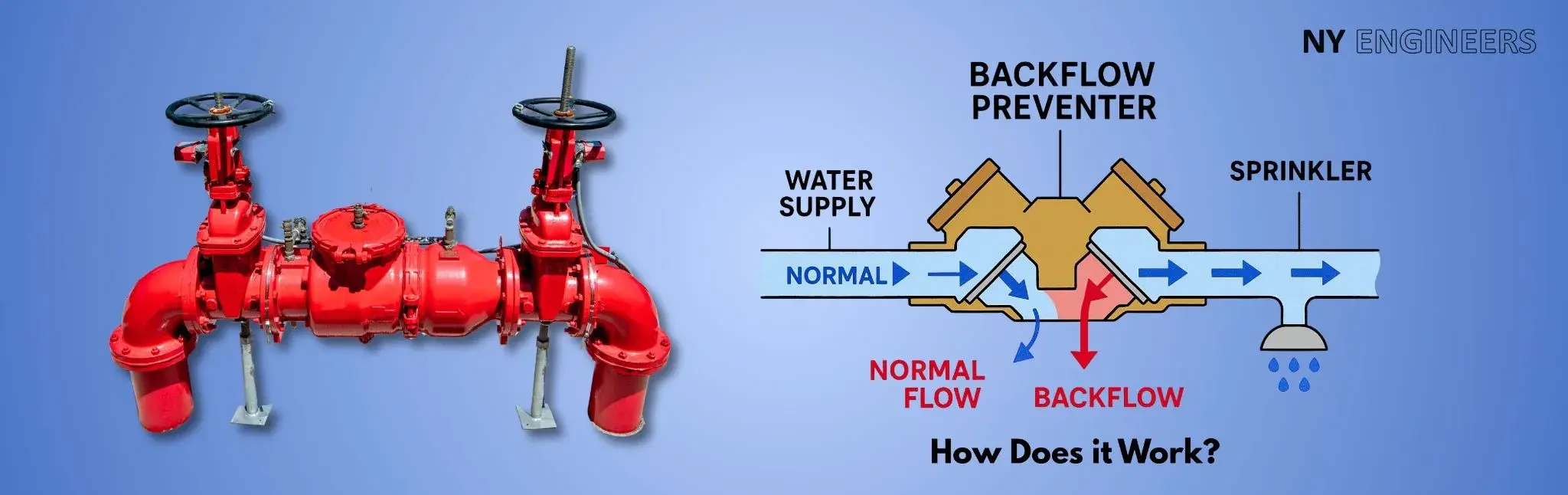
At its core, backflow prevention technology is designed to solve a fundamental problem in fluid mechanics: the reversal of flow. In any pressurized water system, liquid is intended to travel in one direction—from the source to the consumer. However, changes in pressure can cause “backsiphonage” or “backpressure,” potentially pulling contaminants, chemicals, or non-potable water back into the clean water supply.
Pressure Differentials and Fluid Dynamics
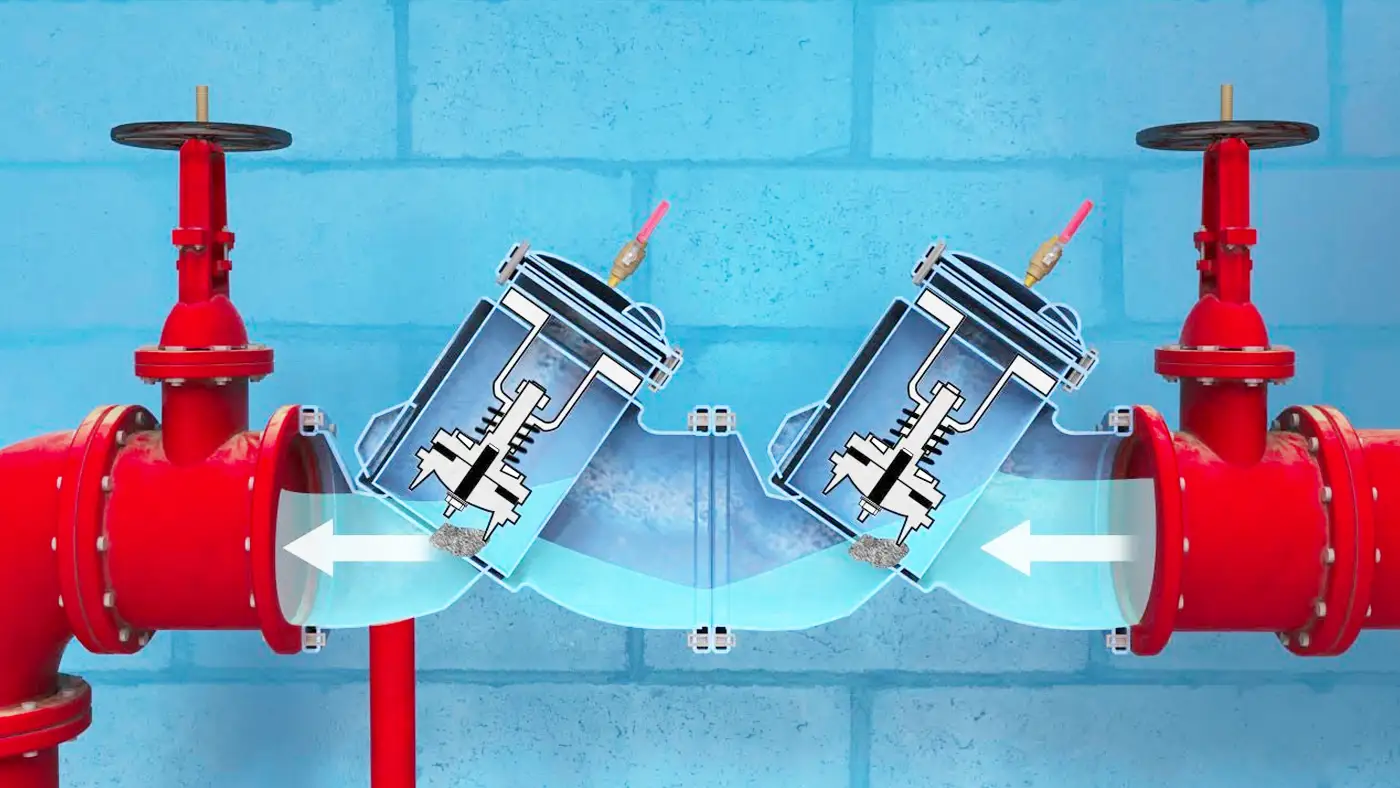
The technical operation of a backflow preventer relies on the manipulation of pressure zones. In a standard system, the supply pressure is higher than the internal building pressure. If the city main breaks or a high-demand event occurs (like a fire hydrant being opened), a vacuum can be created. Backflow preventers use a series of spring-loaded check valves and relief valves that act as mechanical logic gates. When the pressure on the “clean” side drops below a certain threshold relative to the “downstream” side, these valves snap shut or vent to the atmosphere, physically severing the connection and preventing contamination.
The Anatomy of High-Tech Check Valves
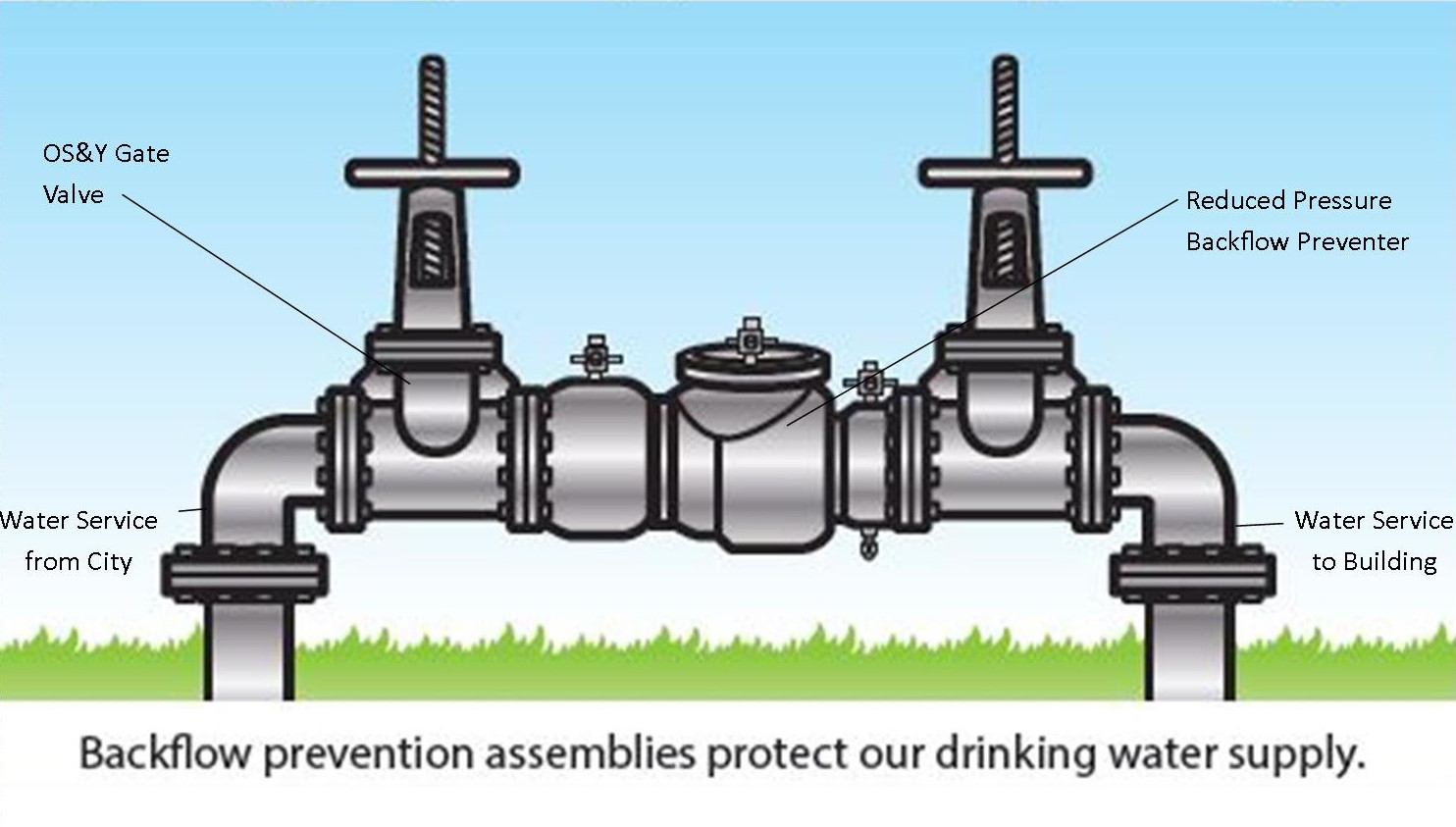
Modern backflow assemblies are masterpieces of precision engineering. They often utilize “Reduced Pressure Zone” (RPZ) technology. An RPZ assembly consists of two independent check valves with a pressure-monitored chamber between them. If either valve fails or if the pressure fluctuates dangerously, the differential pressure relief valve opens to discharge the potentially contaminated water safely away from the intake. The materials used—often reinforced polymers, stainless steel, and specialized elastomers—are engineered to withstand decades of constant pressure without mechanical fatigue.
Industrial and Smart Integration: The Evolution of Backflow Prevention
As we move into the era of the Internet of Things (IoT) and Industry 4.0, backflow prevention is evolving from a passive mechanical safeguard into an active, data-driven component of smart city infrastructure. The integration of sensors and communication modules is transforming how municipal and industrial water systems are managed.
IoT-Enabled Monitoring Systems
Traditional backflow preventers are “silent” devices; they only reveal a failure during annual physical inspections or if a visible leak occurs. However, the latest generation of tech-integrated assemblies features wireless sensors that monitor pressure differentials in real-time. These devices can transmit data via cellular or LoRaWAN networks to a centralized management dashboard. If a backflow event is detected or if a valve begins to show signs of mechanical wear, the system generates an instant alert. This shift from reactive to proactive maintenance is a significant leap in utility tech.
Automated Shut-off and Real-time Data Logging
In high-tech industrial environments—such as semiconductor fabrication plants or chemical processing facilities—the stakes of water contamination are incredibly high. Advanced backflow systems in these niches are now integrated with automated shut-off valves and Building Management Systems (BMS). Using sophisticated software algorithms, these systems can distinguish between minor pressure surges and true backflow risks, logging every event for regulatory compliance and predictive analytics. This level of technical oversight ensures that the facility’s water “footprint” remains secure and verifiable.
Engineering Standards and Regulatory Compliance Tech
The deployment of backflow preventers is not merely a choice for engineers; it is a strictly regulated technical requirement. The intersection of engineering standards and legal compliance has led to the development of specialized diagnostic tools and software platforms designed specifically for the “Cross-Connection Control” (CCC) industry.
Cross-Connection Control Programs
A cross-connection is any point where a potable water system connects to a non-potable source. Technologists and city planners use specialized GIS (Geographic Information System) mapping to identify high-risk nodes within a city’s grid. By overlaying water pressure data with building usage types, they can deploy the appropriate level of backflow technology—ranking risks from “low” (residential irrigation) to “high” (industrial waste lines). This data-driven approach allows for the systematic fortification of urban water grids.
Testing Protocols and Diagnostic Tools
To ensure these mechanical sentinels remain functional, they must undergo rigorous periodic testing. The tech used by certified testers has evolved from simple analog gauges to digital ultrasonic diagnostic kits. These modern tools can measure minute pressure drops across valves with extreme precision, uploading the results directly to cloud-based compliance portals. This digital paper trail is essential for municipal authorities to track the “health” of the city’s hardware and ensure that every backflow preventer in the network is operating within its engineered specifications.
The Future of Fluid Management Tech
As we look toward the future of urban resilience, backflow prevention technology is being reimagined to address challenges like water scarcity, sustainable architecture, and cybersecurity. The hardware of tomorrow will be more compact, more resilient, and more deeply integrated into the digital fabric of the buildings they protect.
Sustainable Infrastructure and Water Conservation
In “Green Tech” and LEED-certified buildings, greywater recycling and rainwater harvesting are becoming standard. These systems create complex internal plumbing networks where “clean” and “recycled” water exist in close proximity. This necessitates a new breed of backflow preventers that are designed for high-frequency cycling and varying fluid densities. Engineers are currently developing “smart manifolds” that combine backflow prevention with ultra-precise flow metering, allowing buildings to manage their water assets with the same granularity that they manage their electrical loads.
Material Science Innovations and Cybersecurity
The next frontier for this technology lies in material science. Researchers are experimenting with bio-film resistant coatings and “self-healing” seals that can maintain a perfect vacuum even after thousands of cycles. Furthermore, as backflow preventers become more connected to the cloud, cybersecurity is becoming a critical technical consideration. Protecting the software that monitors a city’s water safety from malicious actors is now as important as the mechanical strength of the valves themselves. The future of backflow prevention is a hybrid of robust hardware and encrypted, resilient software.
Conclusion: The Invisible Shield of Modern Technology
While the backflow preventer may not have the aesthetic appeal of a new smartphone or the high-profile visibility of artificial intelligence, it is an indispensable piece of the modern technological landscape. It represents the quiet, mechanical excellence that allows our complex society to function. By combining the principles of classical fluid dynamics with the power of IoT monitoring and advanced material science, backflow prevention technology serves as an invisible shield, protecting the most vital resource we have.
As our cities become smarter and our industrial processes more complex, the technology behind the backflow preventer will continue to adapt, ensuring that the water flowing into our homes, laboratories, and factories remains safe, pure, and under control. In the world of tech, sometimes the most important innovations are the ones that ensure things don’t happen—preventing the “backflow” that could compromise an entire civilization’s infrastructure.
aViewFromTheCave is a participant in the Amazon Services LLC Associates Program, an affiliate advertising program designed to provide a means for sites to earn advertising fees by advertising and linking to Amazon.com. Amazon, the Amazon logo, AmazonSupply, and the AmazonSupply logo are trademarks of Amazon.com, Inc. or its affiliates. As an Amazon Associate we earn affiliate commissions from qualifying purchases.