
In the landscape of modern technology, two primary forms of electricity power our world: Alternating Current (AC) and Direct Current (DC). While the massive power lines stretching across landscapes primarily carry AC, the devices that define our digital lives—smartphones, laptops, electric vehicles, and AI-driven servers—rely almost exclusively on DC power. Understanding what DC power is, how it functions, and why it has become the cornerstone of the high-tech era is essential for anyone looking to grasp the future of hardware, energy, and digital infrastructure.
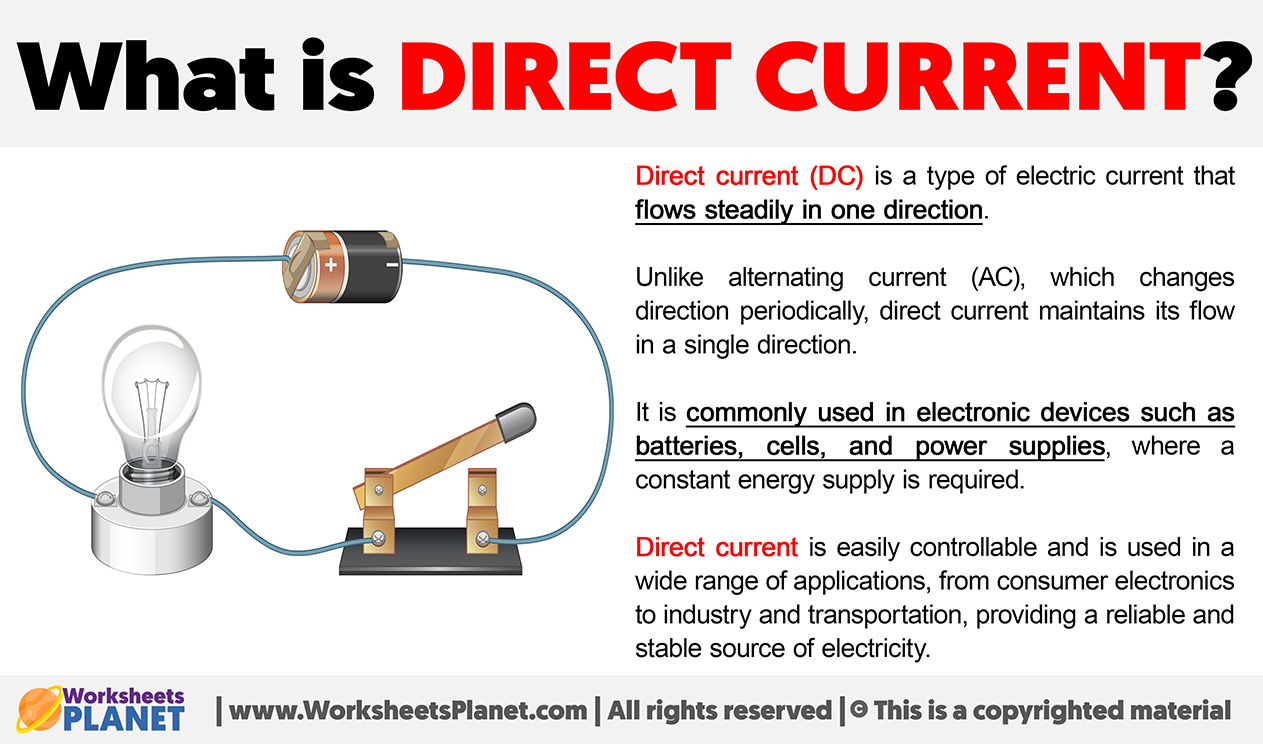
Direct Current (DC) is the unidirectional flow of electric charge. Unlike AC, where the flow of electrons periodically reverses direction, DC maintains a constant voltage or current in a single, steady direction. This stability is precisely why it is the preferred choice for sensitive electronic components that require precision and reliability.
Understanding the Fundamentals of Direct Current (DC)
To understand why DC power is the lifeblood of the tech industry, one must first understand the physics of how it operates. In a DC circuit, electrons flow from a point of negative charge to a point of positive charge without deviation. This creates a linear, predictable stream of energy that is easy for microprocessors and digital circuits to manage.
How DC Differs from Alternating Current (AC)
The fundamental difference between DC and AC lies in the behavior of the electrons. AC, championed by Nikola Tesla and George Westinghouse, is efficient for long-distance transmission because it can be easily stepped up or down in voltage using transformers. However, the “pulsing” nature of AC (cycling 50 or 60 times per second) creates electrical noise and instability that would fry delicate silicon chips.
DC, famously advocated by Thomas Edison, provides a “flat” line of energy. Because digital technology operates on binary states (1s and 0s represented by specific voltage levels), the steady nature of DC is a functional necessity.
The Physics of Unidirectional Electron Flow
In a DC system, the voltage remains constant over time. This is why batteries are inherently DC devices. A chemical reaction inside a battery creates a surplus of electrons at one terminal and a deficit at the other. When a circuit is closed, the electrons move in one direction to reach equilibrium. This steady pressure (voltage) allows hardware engineers to design circuits with extreme precision, ensuring that a processor receives exactly the 1.2V or 5V it needs to operate without fluctuations that could cause logic errors or hardware damage.
The Role of Semiconductors and Silicon
Silicon-based technology—the heart of all modern gadgets—is fundamentally built to handle DC. Transistors, the tiny switches inside a CPU, act as gates for DC power. By turning the flow of DC on and off billions of times per second, these components perform the calculations that power our software. AC is simply too erratic to be used directly at the transistor level, making DC the mandatory “language” of hardware.
DC Power in the Digital Age: From Gadgets to Data Centers
We live in a world that is “AC at the wall, but DC in the pocket.” Almost every piece of technology we interact with on a daily basis requires a conversion process to function. This transition has led to significant innovations in power management and hardware design.
Why Your Electronics Run on DC
Every smartphone, tablet, and smart wearable contains a lithium-ion battery. These batteries can only store and discharge DC power. Furthermore, the Integrated Circuits (ICs) inside these devices are designed to operate at very low, very stable voltages. A laptop might require 19V to charge, but its internal processor might operate at less than 1V. DC allows for this granular level of power regulation, which is impossible with the oscillating nature of AC.
The Role of Rectifiers and Power Adapters
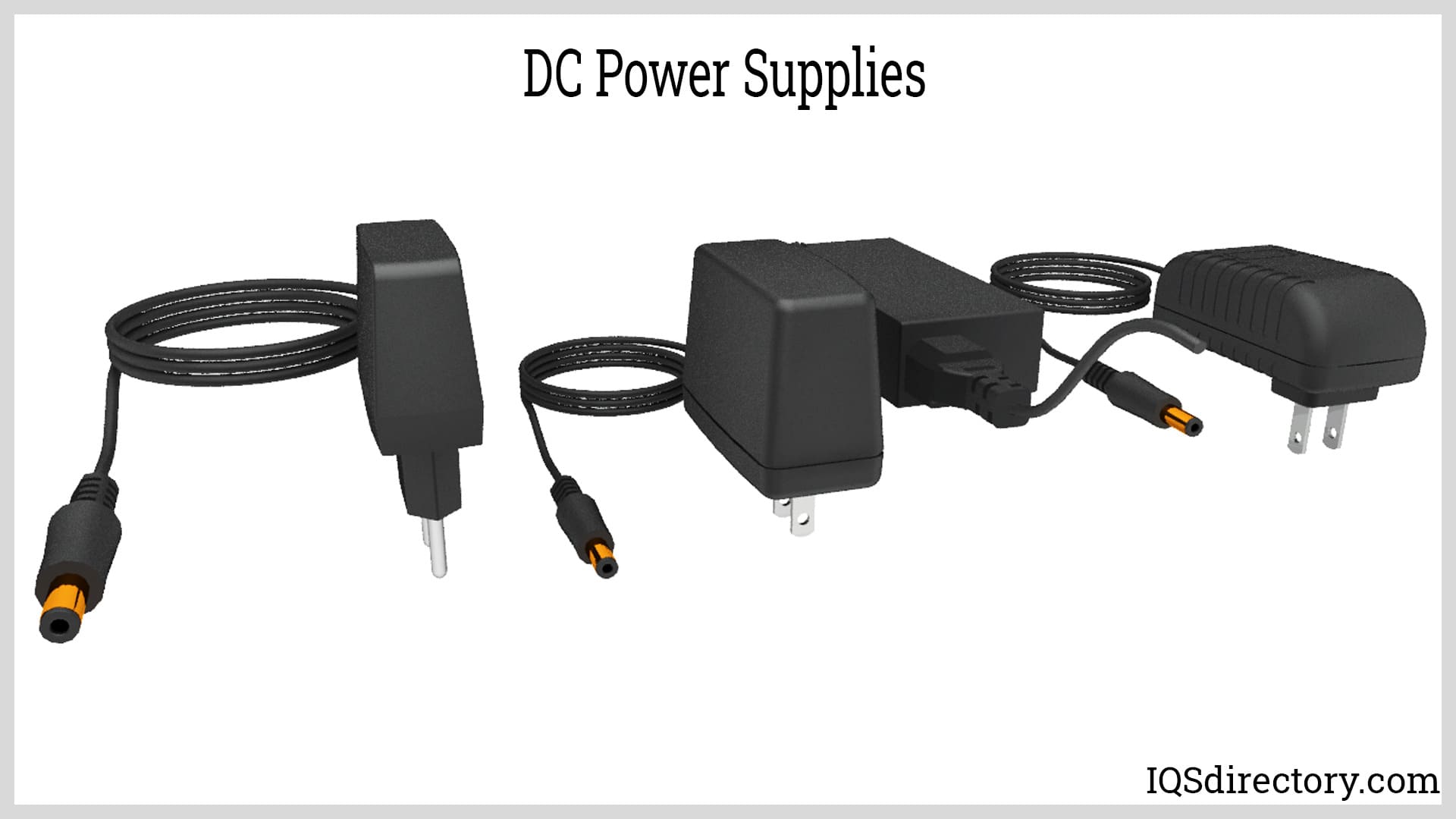
The “bricks” on your laptop charger or the small cubes for your phone are more than just wires; they are sophisticated power conversion factories. These devices contain rectifiers—electronic components that convert AC from your wall outlet into the DC required by your device. Modern “Switching Power Supplies” use high-frequency oscillation and transformers to convert power with high efficiency, reducing heat waste and allowing for the slim designs of modern tech accessories.
High-Voltage DC (HVDC) in Large-Scale Infrastructure
While DC was historically relegated to small devices, it is making a massive comeback in industrial tech. Data centers, which house the servers for the world’s AI and cloud services, are increasingly moving toward DC distribution. By distributing DC power directly to server racks, data centers can eliminate multiple stages of AC-to-DC conversion, which typically results in a 5% to 15% loss of energy as heat.
Similarly, HVDC (High-Voltage Direct Current) is becoming the gold standard for long-distance undersea power cables and connecting disparate power grids. HVDC experiences lower dielectric losses than AC over extremely long distances, representing a peak of modern electrical engineering.
The Energy Revolution: DC Power and Sustainable Tech
The global shift toward renewable energy has reignited interest in DC power systems. Most green energy technologies are “DC-native,” meaning they generate or store power in direct current form.
Solar Energy and the Direct Current Native Ecosystem
Photovoltaic (PV) cells in solar panels naturally produce DC electricity when struck by sunlight. In a traditional setup, this DC is sent to an inverter to be turned into AC for home use. However, as we integrate more DC-dependent tech—like LED lighting and modern appliances—there is a growing movement toward “DC Homes.” By keeping the energy in its native DC form from the panel to the device, we can significantly increase the overall efficiency of renewable energy systems.
Electric Vehicles (EVs) and Fast-Charging Systems
The automotive industry is currently one of the biggest drivers of DC tech innovation. Electric vehicles run on massive DC battery packs. While home “Level 1” and “Level 2” chargers use AC (which the car’s onboard charger then converts to DC), “DC Fast Chargers” bypass the car’s internal converter. They pump high-voltage DC directly into the battery, allowing for the rapid charging speeds necessary for the widespread adoption of EVs. This requires complex thermal management and high-grade power electronics to ensure the battery remains stable during the high-energy transfer.
Battery Storage Solutions for Smart Homes
As tech consumers look for energy independence, home battery systems like the Tesla Powerwall have become popular. These systems function as large-scale DC reservoirs. They allow homeowners to store excess solar energy (DC) and use it during the night. The integration of software and AI into these battery systems allows for “smart” discharging, where the system decides whether to power DC-native devices directly or invert the power for the rest of the house based on real-time efficiency data.
Designing for the Future: Efficiency and Innovations in DC Systems
As we look toward the next decade of technology, the focus is shifting from simply “how to get power” to “how to get power efficiently.” DC is at the center of this efficiency hunt.
The Rise of DC Microgrids
In tech-forward urban planning, DC microgrids are gaining traction. These are localized power grids that operate entirely on DC. By connecting solar arrays, battery storage, and LED streetlights in a single DC loop, municipalities can drastically reduce the energy waste associated with the repeated conversion between AC and DC. This is particularly relevant for “Smart Cities” where IoT (Internet of Things) sensors, which require tiny amounts of DC power, are deployed by the thousands.
USB-C and Power Delivery (PD) Standards
One of the most significant consumer-facing tech trends is the standardization of USB-C Power Delivery. In the past, every gadget needed a specific DC voltage and a proprietary charger. The USB-PD protocol allows devices to “negotiate” their power needs. A USB-C cable can deliver anywhere from 5V for a pair of headphones to 20V or even 48V (under the latest standards) for a high-performance gaming laptop. This smart negotiation of DC power is a marvel of modern software-hardware integration, reducing electronic waste and simplifying the tech ecosystem.

Mitigating Power Loss and Heat
The biggest challenge in DC tech has always been “I2R loss”—the loss of energy as heat when current travels through a conductor. However, the development of Wide Bandgap (WBG) semiconductors, such as Gallium Nitride (GaN) and Silicon Carbide (SiC), is changing the game. These materials allow DC power components to operate at higher voltages and temperatures with much greater efficiency. This is why modern “GaN chargers” are significantly smaller than their predecessors while providing more power; they lose less energy to heat, proving that the future of DC power is smaller, faster, and cooler.
In conclusion, DC power is no longer the “losing” side of the historical War of Currents. It is the silent engine of the digital revolution. From the microscopic transistors in an AI chip to the massive battery arrays of a smart city, DC provides the stability, precision, and efficiency that modern technology demands. As we continue to innovate in the realms of renewable energy, electric mobility, and high-performance computing, our reliance on Direct Current will only grow, cementing its status as the fundamental energy of the future.
aViewFromTheCave is a participant in the Amazon Services LLC Associates Program, an affiliate advertising program designed to provide a means for sites to earn advertising fees by advertising and linking to Amazon.com. Amazon, the Amazon logo, AmazonSupply, and the AmazonSupply logo are trademarks of Amazon.com, Inc. or its affiliates. As an Amazon Associate we earn affiliate commissions from qualifying purchases.