
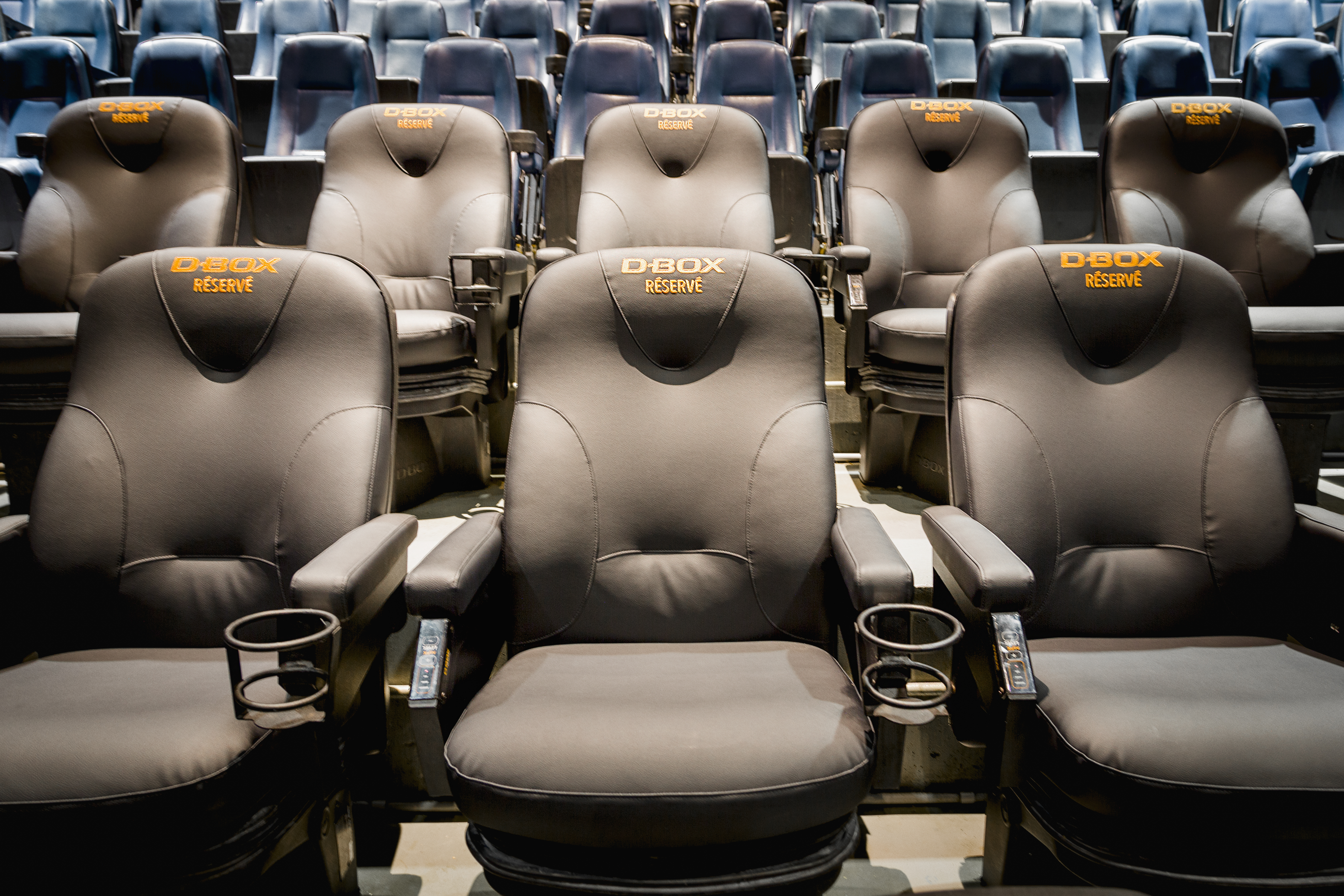
D-BOX seats represent a significant technological leap in immersive entertainment, transforming passive viewing into an active, multi-sensory experience. Far more than just vibrating chairs, D-BOX systems integrate sophisticated motion and haptic feedback technology directly into seating, synchronizing it precisely with on-screen action, sound, and dialogue. This innovation elevates everything from blockbuster films and esports to virtual reality simulations and professional training, creating a tangible connection between the digital world and the physical sensation of the user. By adding a dynamic layer of movement, vibration, and texture, D-BOX redefines how audiences engage with media, deepening immersion and enhancing realism in unprecedented ways.
The Core Technology Behind Immersive Motion
At the heart of the D-BOX experience is a meticulously engineered system designed to translate digital content into physical sensations. This intricate process involves specialized software, advanced motion codes, and precision hardware working in seamless concert to deliver a synchronized, tactile feedback loop that complements visual and audio cues. The technology is built on principles of haptics, the science of transmitting information via touch, combined with sophisticated electromechanical engineering.
How D-BOX Translates On-Screen Action to Physical Sensation
The magic of D-BOX begins with a proprietary motion-coding process. Unlike simple rumble packs, D-BOX’s intelligent motion system doesn’t merely react to sound frequencies. Instead, dedicated motion designers meticulously analyze film, game, or VR content frame by frame, creating a unique “motion track” that dictates precise movements and vibrations. This track is then embedded within the digital content itself. When played back, the D-BOX system reads this specific code, commanding its actuators to execute corresponding movements – subtle tilts, gentle vibrations, powerful jolts, or sustained rolls – all in perfect sync with the on-screen narrative. This granular control allows for a nuanced range of sensations, from the rumble of a distant explosion to the subtle sway of a ship on turbulent waters.
Actuators, Haptics, and the Intelligent Motion Code
The physical manifestation of D-BOX’s technology resides within its specialized seats, which house an array of high-fidelity actuators. These electromechanical devices are the engines of the immersive experience, capable of generating a wide spectrum of movements along three axes: pitch (forward/backward tilt), roll (side-to-side tilt), and heave (up/down vertical motion). Complementing these larger movements are integrated haptic devices, which produce localized vibrations and tactile sensations, adding texture to the experience – for instance, the gritty feel of a gravel road or the delicate flutter of a bird’s wings. All these elements are orchestrated by the D-BOX Motion Code, an intelligent protocol that ensures perfect synchronization and responsiveness. This code is not generic; it’s tailor-made for each piece of content, resulting in an experience that feels intentionally designed rather than randomly generated.
Diverse Applications: From Cinemas to Home Entertainment
While D-BOX initially gained prominence in commercial cinema, its versatile technology has rapidly expanded into a wide array of entertainment and professional sectors. The fundamental ability to enhance digital content with realistic motion and haptic feedback makes it a powerful tool for deepening immersion across various platforms, from public venues to personalized home setups, and even in serious training environments.
The Cinematic Revolution: A Full-Body Experience
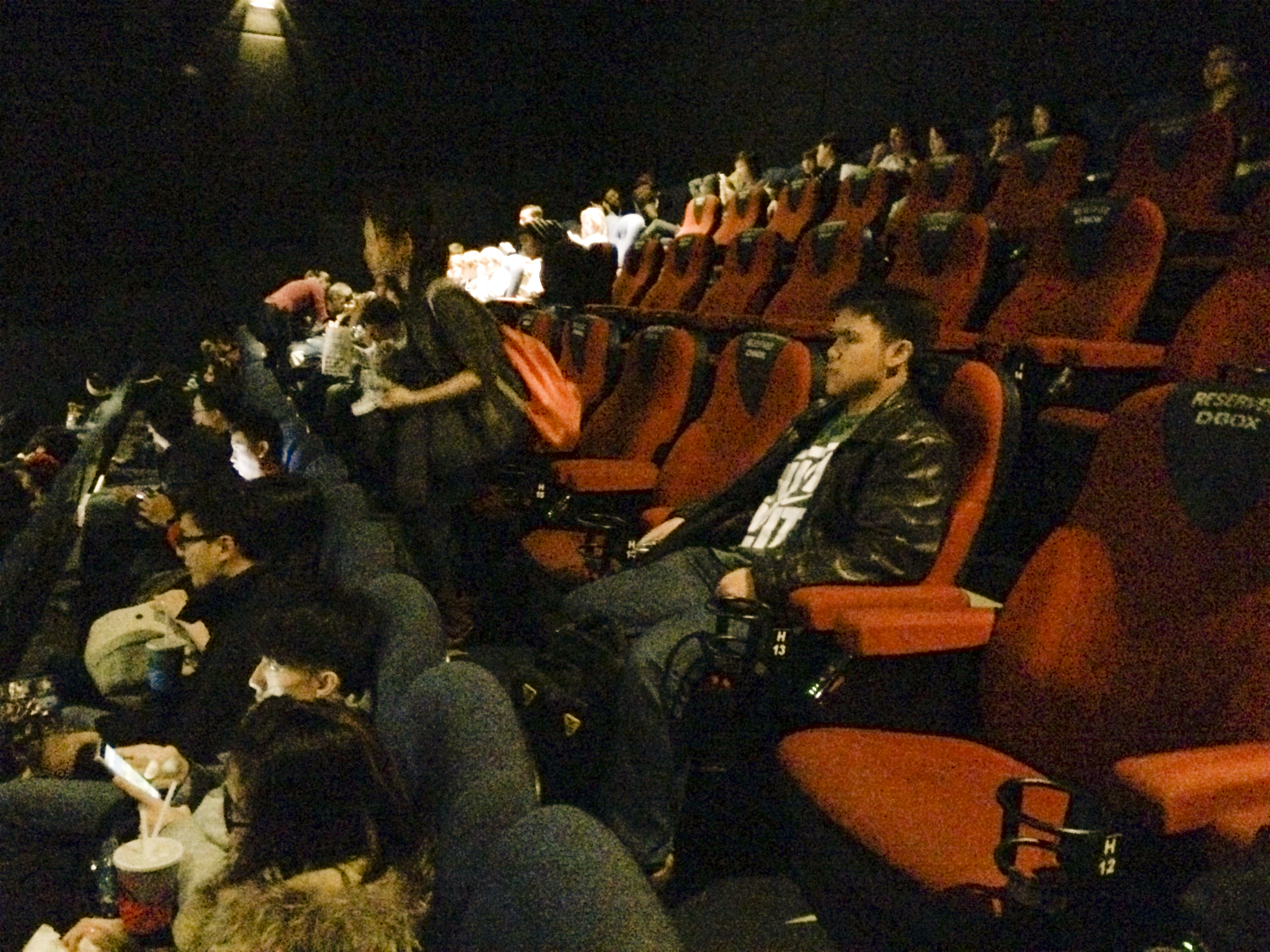
D-BOX seats have fundamentally altered the movie-going experience, transforming traditional cinema into an active adventure. In D-BOX equipped auditoriums, viewers don’t just watch the action unfold; they become part of it. The subtle tremors of a suspenseful scene, the jarring impact of a car crash, or the exhilarating sensation of a high-speed chase are all meticulously synchronized with the on-screen visuals and audio. This multi-sensory engagement significantly enhances narrative immersion, allowing audiences to feel the nuances of a film in a way that static seating cannot provide. It adds a new layer of storytelling, making dramatic moments more impactful and action sequences more thrilling, ultimately creating a memorable and unique theatrical event.
Transforming Gaming: Haptic Feedback on a Grand Scale
The integration of D-BOX technology into gaming environments offers an unparalleled level of immersion for players. Whether in arcades, dedicated gaming centers, or sophisticated home gaming setups, D-BOX seats translate in-game events into physical sensations. Players can feel the recoil of a firearm, the impact of a collision, the g-forces of a sharp turn in a racing game, or the subtle vibrations of a distant explosion. This haptic feedback not only enhances realism but can also provide tactical advantages by delivering non-visual cues about the game world. For competitive esports, D-BOX can offer a deeper connection to the virtual environment, while for casual gamers, it simply amplifies the fun and engagement, bringing digital worlds closer to reality.
Expanding Horizons: VR, Home Theaters, and Simulation
Beyond cinemas and gaming, D-BOX technology is making significant inroads into other advanced applications. In virtual reality, D-BOX seats provide crucial physical feedback that bridges the gap between the virtual world and physical sensation, combating VR sickness and enhancing presence. Imagine soaring through a virtual sky and feeling the corresponding tilts and dives. For high-end home theater enthusiasts, D-BOX offers a premium way to replicate the theatrical motion experience, creating a truly personal immersive environment. Furthermore, the precision and realism of D-BOX motion are invaluable in professional simulation and training, particularly for pilots, drivers, and heavy equipment operators, where tactile feedback is critical for realistic skill development and scenario rehearsal, offering a cost-effective and safe alternative to real-world training.
Core Features and User Experience Advantages
D-BOX technology is defined not just by its presence, but by the intelligent features and thoughtful design choices that prioritize user experience, precision, and safety. These attributes collectively contribute to a robust and highly adaptable system that stands out in the landscape of immersive technologies, offering distinct advantages for both content creators and consumers.
Precision Motion and Haptic Feedback Customization
One of the most significant advantages of D-BOX is its unparalleled precision and the ability for users to customize their experience. The D-BOX Motion Code delivers movements and vibrations with exacting synchronization, ensuring that every tremor, jolt, and sway is perfectly timed with the on-screen action. This level of detail distinguishes it from simpler rumble systems. Moreover, D-BOX systems typically offer users the ability to adjust the intensity of the motion and haptic feedback, allowing for a personalized comfort level. Whether an individual prefers a subtle enhancement or a full-throttle, visceral experience, the customizable settings cater to diverse preferences, ensuring maximum enjoyment without overstimulation. This control empowers users to tailor the immersion to their specific needs and the content they are engaging with.
Ergonomics, Safety, and Seamless Integration
D-BOX seats are designed with both user comfort and safety as paramount considerations. Ergonomic design ensures that the seating remains comfortable even during prolonged use and dynamic motion sequences. Integrated safety features, such as emergency stop functions and robust mechanical components, are standard, protecting users during intense movements. Furthermore, the technology is engineered for seamless integration into various environments. For commercial cinemas, it means retrofitting existing auditoriums or designing new ones with ease. For gaming and home theater setups, D-BOX offers standalone units and components that can be incorporated without extensive technical knowledge, ensuring accessibility for a wide range of consumers and professional integrators alike, creating a consistent and reliable user interface across different applications.
The Future Trajectory of Immersive Motion Technology
The evolution of D-BOX and similar immersive motion technologies is poised for continued innovation, driven by advancements in artificial intelligence, expanding content ecosystems, and ever-increasing demand for deeper engagement. The pursuit of hyper-realism and personalized experiences remains at the forefront, pushing the boundaries of what is possible in physical feedback.
Advancements in Haptics and AI-Driven Motion
The future of D-BOX technology will undoubtedly see significant advancements in haptic feedback systems, moving beyond simple vibrations to more nuanced tactile sensations that mimic textures, temperatures, and even pressure. Imagine feeling the cold metal of a weapon or the subtle warmth of an approaching fire through your seat. Artificial intelligence will also play a crucial role, potentially enabling real-time motion coding for a wider range of content, or even dynamically adjusting motion profiles based on individual user biometric data and preferences. AI could learn from user reactions to optimize the motion experience, making it more intuitive and personalized. This would drastically reduce the manual effort currently required for motion design and open up D-BOX experiences to an even broader library of content.

Expanding Content Ecosystems and Hardware Evolution
The proliferation of D-BOX technology is heavily reliant on the expansion of its content ecosystem. As more films, games, VR experiences, and other digital media are coded with D-BOX motion tracks, the value proposition for users grows exponentially. Future efforts will focus on increasing partnerships with content creators across all entertainment verticals to ensure a steady stream of compatible content. Concurrently, hardware evolution will likely lead to more compact, energy-efficient, and versatile D-BOX seating solutions. This could include lighter, more aesthetically integrated designs for home use, or modular systems that are easier to deploy in various commercial settings. Furthermore, the integration of D-BOX technology with other immersive elements like wind, scent, and temperature control could create truly multi-sensory pods, pushing the boundaries of what a fully immersive experience can entail.
aViewFromTheCave is a participant in the Amazon Services LLC Associates Program, an affiliate advertising program designed to provide a means for sites to earn advertising fees by advertising and linking to Amazon.com. Amazon, the Amazon logo, AmazonSupply, and the AmazonSupply logo are trademarks of Amazon.com, Inc. or its affiliates. As an Amazon Associate we earn affiliate commissions from qualifying purchases.