
In the competitive landscape of the beauty and personal care industry, branding is not merely about a logo or a catchy slogan; it is about the fundamental promise of quality and the chemistry behind the product. For brands looking to capture a segment of the burgeoning nail care market, understanding the composition of cuticle oil is essential for positioning, marketing, and establishing authority. When consumers ask what cuticle oil is made of, they are implicitly asking whether your brand prioritizes botanical purity, scientific efficacy, or mass-market affordability. Aligning your product’s ingredient profile with a clear brand identity is the cornerstone of building long-term customer trust in a saturated retail environment.

The Foundation of Formulation: Establishing Brand Integrity
The core of any successful beauty brand lies in the transparency of its formulations. Cuticle oil is rarely a single-ingredient product; rather, it is a sophisticated blend of carrier oils, essential oils, and active botanical extracts designed to achieve specific aesthetic and functional goals.
Defining the Carrier Oil Base
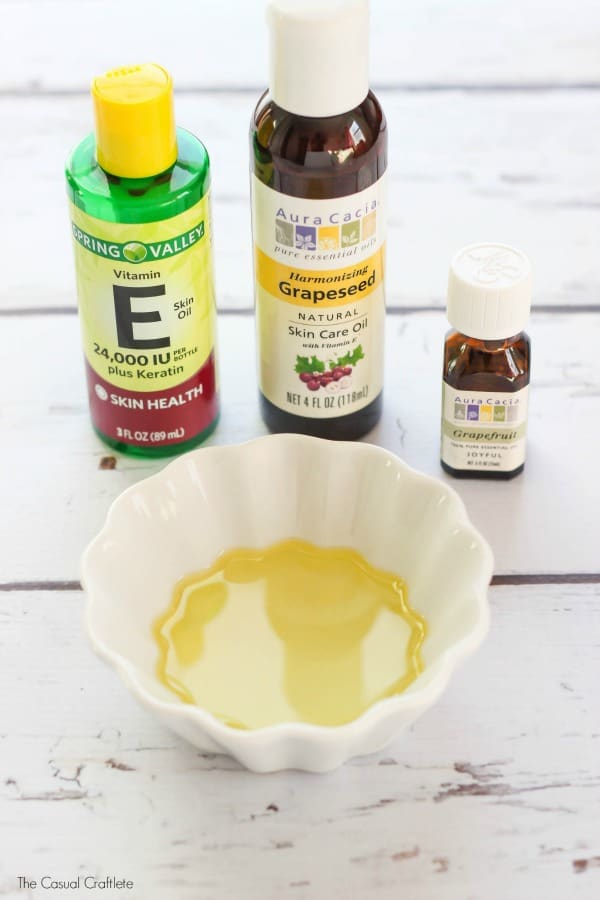
The carrier oil serves as the “workhorse” of the formula, responsible for penetrating the skin barrier to deliver nutrients to the nail matrix. Brands focusing on luxury and organic positioning frequently utilize high-grade oils such as jojoba oil, which closely mimics the natural sebum of human skin. From a branding perspective, highlighting jojoba as a primary ingredient signals to the consumer that the brand values biocompatibility and high-quality raw materials. Conversely, brands aiming for entry-level, mass-market appeal might rely on lighter, more cost-effective mineral oils or fractionated coconut oil. By choosing a specific carrier base, a brand communicates its price point and value proposition before the customer even reads the marketing copy.
The Role of Essential Oils and Fragrance
While carrier oils provide hydration, essential oils and fragrances provide the “brand experience.” This is where marketing strategy meets sensory design. A scent profile—whether it is calming lavender for a wellness-focused brand or invigorating citrus for an energy-focused line—becomes part of the brand’s sensory identity. However, careful consideration must be given to skin sensitivity. Brands that prioritize “clean beauty” or “dermatologist-tested” identities often minimize synthetic fragrances, opting instead for natural extracts, which serves as a powerful marketing differentiator in an era where consumers are increasingly wary of hidden chemical additives.
Strategic Ingredient Sourcing as a Competitive Advantage
In the current market, the origin of your ingredients is just as important as the ingredients themselves. Consumers are increasingly making purchasing decisions based on corporate social responsibility and sustainability, which means that “what it is made of” extends to “how it was sourced.”
Sustainability and Ethical Procurement
When a brand explicitly states that its almond or apricot kernel oil is cold-pressed and sustainably sourced, it creates a narrative of integrity. This transparency is a powerful tool in brand positioning. It elevates the product from a generic cosmetic utility to a premium item worthy of a higher price point. In your marketing communications, highlighting the journey of an ingredient—from the small-batch farm to the bottle—transforms a simple cuticle oil into a story of ethical consumption. This is a primary driver in building loyalty among the conscious-consumer demographic, a group that is notoriously brand-loyal once their values have been validated.

The Science of Additives and Preservatives
A common question in the professional salon space is, “Does this product have a shelf life, and what keeps it stable?” Including antioxidants like Vitamin E (tocopherol) is a standard practice that serves two purposes. Functionally, it prevents the oils from going rancid, protecting the brand’s reputation for quality. Strategically, Vitamin E is a highly recognizable ingredient that consumers associate with healing and skin health. Positioning the product as being fortified with “pure, stabilized Vitamin E” allows a brand to market the cuticle oil as a corrective, therapeutic treatment rather than just a cosmetic finish, allowing for higher margins and a stronger brand identity.
Marketing the “Science of Softness”: Messaging Strategy
Understanding the chemistry of your cuticle oil is useless if that information does not translate into an effective brand narrative. The most successful beauty brands have mastered the art of simplifying complex chemical compositions into benefits that resonate with the consumer’s lifestyle.
Translating Features into Lifestyle Benefits
Instead of simply listing the ingredients, market the result. If your oil is rich in fatty acids, don’t just mention them; explain that they are the “secret to resilient, flexible nails that don’t chip.” By framing the chemical composition as a lifestyle benefit—durability, health, and salon-quality aesthetics—you bridge the gap between technical formulation and emotional satisfaction. This is the heart of effective brand strategy: taking the technical “what is it made of” and turning it into the “what can it do for me.”
Target Audience Alignment through Formulation
Different demographics look for different things in their cuticle care. Professional nail technicians demand fast-absorbing formulas that don’t leave a greasy residue on surfaces, while DIY home users might prefer a richer, more indulgent oil that feels like a spa treatment. By tweaking the ratio of light-weight oils (like grapeseed) to heavier emollients (like avocado oil), you can tailor your brand to serve a specific audience. A clear, cohesive formulation strategy allows you to dominate a niche. If you are targeting the “busy professional,” your brand identity should focus on the speed of absorption; if you are targeting the “self-care enthusiast,” your identity should focus on the richness and the sensorial experience of the application.
Building Brand Trust Through Ingredient Transparency
The modern consumer is an investigator. They read labels, they look up MSDS sheets, and they use apps to scan ingredient lists for safety scores. In this environment, your brand’s openness is your best marketing strategy.
The Power of “Full Disclosure” Branding
Rather than obscuring the ingredients behind proprietary “complexes,” consider an approach of radical transparency. A brand that proudly displays its full ingredient list and provides a clear, layman-friendly explanation of why each ingredient was chosen is a brand that signals confidence. This builds a deep, long-term relationship with the consumer. In your digital marketing, create “Ingredient Spotlights” that explain the specific benefits of your oils. This turns your website or social media feed into an educational hub, establishing your brand as a thought leader in the nail care space rather than just a vendor.
Addressing Common Concerns
There will always be consumers concerned about silicones, parabens, or synthetic dyes. By proactively addressing these concerns in your brand messaging, you eliminate friction in the buying process. Whether your brand is “Free-From” oriented or “Scientifically Engineered” oriented, ensure that the composition of your oil matches your messaging perfectly. If you claim to be “clean,” every ingredient must pass that test. The damage done to a brand’s reputation by “greenwashing” or inconsistent formulation disclosures can be irreversible. Use the composition of your cuticle oil as a testament to your brand’s consistency, ensuring that every drop of oil delivered to the customer reinforces the promise your brand made in its very first advertisement.
By grounding your product strategy in the reality of your ingredients and elevating that reality through sophisticated brand storytelling, you ensure that your cuticle oil is not just another bottle on the shelf, but a vital component of your customer’s self-care routine.
aViewFromTheCave is a participant in the Amazon Services LLC Associates Program, an affiliate advertising program designed to provide a means for sites to earn advertising fees by advertising and linking to Amazon.com. Amazon, the Amazon logo, AmazonSupply, and the AmazonSupply logo are trademarks of Amazon.com, Inc. or its affiliates. As an Amazon Associate we earn affiliate commissions from qualifying purchases.