
The global dairy landscape is undergoing a radical transformation, shifting from a market of low-margin commodities to a high-yield sector driven by functional nutrition. At the heart of this evolution are cultured milk products. While consumers view yogurt, kefir, and skyur as staples of a healthy diet, savvy investors and entrepreneurs recognize them as a sophisticated asset class within the broader “Food-as-Medicine” movement. Understanding what cultured milk products are—and more importantly, the economic engine behind them—is essential for anyone looking to capitalize on the intersection of biotechnology, agriculture, and consumer health.
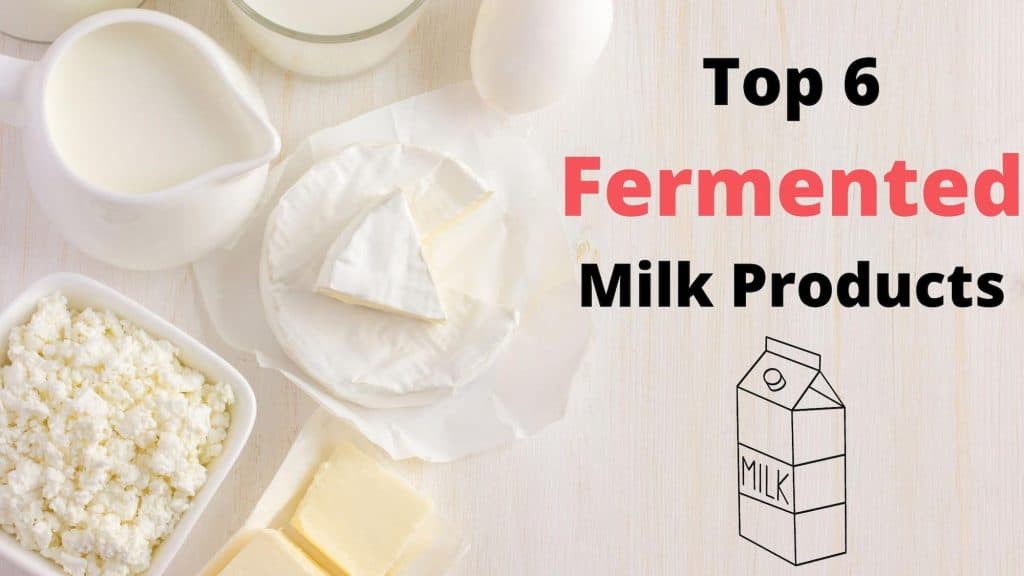
Understanding the Asset Class: What are Cultured Milk Products in the Global Economy?
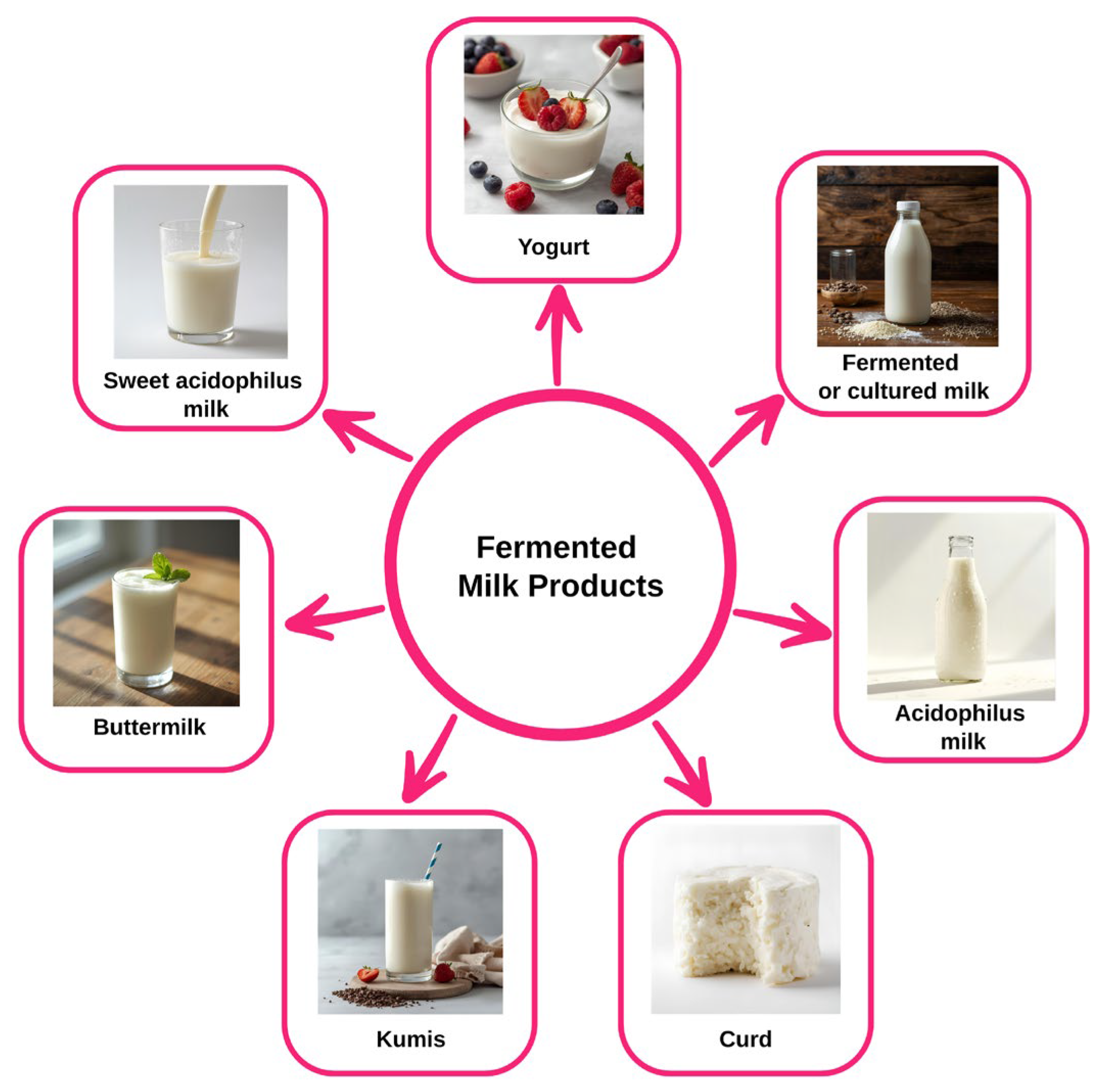
To understand the financial potential of this sector, one must first define the product through a lens of value-addition. Cultured milk products are dairy foods that have been fermented with specific strains of bacteria, such as Lactobacillus or Bifidobacterium. This fermentation process does more than just extend shelf life; it transforms a raw commodity (milk) into a premium, bio-available product with a significantly higher price point per unit.
The Shift from Commodity to Value-Added Dairy
In traditional dairy farming, raw milk is a price-taker’s game, often subject to the whims of international trade cycles and government subsidies. However, cultured milk products represent a strategic pivot toward “value-added” agriculture. By introducing fermentation, producers can command a “health premium.” For example, while a gallon of conventional milk may retail for a few dollars, the equivalent volume processed into high-protein Greek yogurt or probiotic-rich kefir can yield three to four times the revenue. This margin expansion is the primary reason why multinational food conglomerates are aggressively diversifying their portfolios away from fluid milk and toward cultured alternatives.
Market Size and Compound Annual Growth Rate (CAGR)
The economic footprint of cultured milk is massive and growing. As of the early 2020s, the global fermented dairy market was valued at over $150 billion, with a projected compound annual growth rate (CAGR) exceeding 5% through 2030. This growth is fueled by an aging global population seeking preventative healthcare solutions and a burgeoning middle class in emerging markets like India and China, where digestive health is a top consumer priority. For the individual investor or business strategist, these metrics suggest a sector with high “moats”—proprietary bacterial strains and complex cold-chain logistics create barriers to entry that protect established players.
Capitalizing on the Wellness Boom: Why Investors are Flocking to Fermentation
The surge of capital into cultured milk isn’t merely a trend; it is a calculated response to shifting consumer spending habits. “Probiotic” has transitioned from a clinical term to a powerful marketing buzzword that justifies a higher retail price. In the world of personal finance and institutional investing, cultured dairy is increasingly viewed as a defensive play within the consumer staples sector, offering stability even during inflationary periods.
The Probiotic Premium: Profit Margins in Functional Foods
The “Probiotic Premium” refers to the additional amount a consumer is willing to pay for a product that promises systemic health benefits, such as improved gut microbiome or immune support. From a business finance perspective, the cost of the “input” (the bacterial cultures) is relatively low compared to the “output” (the increased retail price). This favorable cost-to-benefit ratio allows companies to maintain healthy EBITDA margins even as labor and energy costs rise. Furthermore, brand loyalty in the cultured dairy space tends to be higher than in fluid milk; consumers who find a specific brand of kefir that helps their digestion are less likely to switch to a cheaper generic alternative, providing a steady, predictable cash flow for the producer.
ESG and Sustainability: The Financial Case for Efficient Dairy
Environmental, Social, and Governance (ESG) criteria are now central to modern investment strategies. Cultured milk products align well with these goals. Fermentation is a natural preservation method that reduces food waste—a major financial drain on the global economy. Additionally, many companies in this space are leading the way in “regenerative dairy,” where the increased profits from cultured products are reinvested into sustainable farming practices. For investors focused on long-term sustainability, a company that masters the cultured milk supply chain is often a more attractive prospect than a traditional industrial dairy that relies on high-volume, low-margin output.
Strategic Business Models in the Cultured Dairy Industry
For entrepreneurs and small business owners, the cultured milk sector offers diverse entry points, ranging from localized “micro-dairies” to high-tech digital distribution platforms. The key to financial success in this niche lies in choosing the right business model to navigate the competitive landscape.
Direct-to-Consumer (DTC) vs. Traditional Retail Distribution
The rise of the “subscription economy” has hit the dairy aisle. We are seeing a surge in Direct-to-Consumer (DTC) models for premium cultured products like artisanal yogurt or specialized probiotic drinks. By bypassing the traditional retail “slotting fees” charged by supermarkets, brands can retain a larger portion of their margins. A DTC model also allows for the collection of first-party data, enabling brands to target their marketing spend more efficiently. Conversely, the traditional retail model offers the benefit of massive scale. The most successful modern brands often employ a hybrid approach: building a “cult” following through DTC and social media branding before scaling into national grocery chains.
Scaling Micro-Dairies: A High-Yield Side Hustle for Agri-Preneurs
For those looking at smaller-scale business finance, the “micro-dairy” is becoming a viable side hustle or small business venture. With relatively modest capital expenditure (CapEx) in fermentation tanks and bottling equipment, a local producer can source milk from regional farms and create a high-margin brand sold at farmers’ markets and specialty boutiques. The “local and authentic” narrative allows these small players to compete with multinational giants. In this model, the “brand equity” is built on transparency and traceability, which are increasingly valuable assets in the modern food economy.
Risks, Barriers, and Financial Resilience
No investment is without risk, and the cultured milk industry faces unique challenges that can impact a company’s bottom line. Successful financial planning in this sector requires a deep understanding of regulatory hurdles and the volatility of the global supply chain.
Navigating Regulatory Compliance and FDA Approval Costs
The “functional food” label is a double-edged sword. While it allows for higher prices, it also attracts the attention of regulatory bodies like the FDA or EFSA. Making specific health claims about a cultured milk product requires rigorous scientific validation, which can be an expensive and time-consuming process. Companies must budget significantly for compliance and legal fees to ensure their marketing does not cross the line into “unsubstantiated medical claims,” which can lead to costly lawsuits and brand damage. For an investor, analyzing a company’s regulatory track record is just as important as analyzing their balance sheet.
Supply Chain Volatility and Inflationary Pressures
Cultured milk products are highly sensitive to disruptions in the “cold chain.” Unlike dry goods, yogurt and kefir require constant refrigeration from the factory to the consumer’s fridge. Rising energy costs directly impact the profitability of these products. Furthermore, the cost of specialized packaging—often plastic or glass designed to handle the acidity of fermented products—can fluctuate with petroleum and raw material prices. To build financial resilience, leading firms are investing in “Smart Supply Chain” technology, using AI to optimize routes and reduce energy consumption, thereby protecting their margins against external shocks.
The Future of the Market: Precision Fermentation and Synthetic Biology
As we look toward the next decade, the “Money” in cultured milk is moving toward “Dairy-Identical” products. This involves using precision fermentation to create milk proteins (whey and casein) without the need for cows. From a venture capital perspective, this is the frontier. These technologies promise the same high margins of cultured milk products with a fraction of the land and water use. While traditional dairy remains a powerhouse, the smart money is increasingly hedging bets with investments in the bio-tech companies that are redefining what it means to be “cultured.”
In conclusion, cultured milk products are far more than a dietary choice; they are a cornerstone of the modern bio-economy. For the professional investor, the brand strategist, or the business owner, the sector offers a rare combination of high consumer demand, expanding margins, and a clear path toward sustainable growth. By viewing these products through a financial lens—as value-added assets rather than simple commodities—one can navigate the complexities of the market and capitalize on the enduring global shift toward functional, fermented nutrition.
aViewFromTheCave is a participant in the Amazon Services LLC Associates Program, an affiliate advertising program designed to provide a means for sites to earn advertising fees by advertising and linking to Amazon.com. Amazon, the Amazon logo, AmazonSupply, and the AmazonSupply logo are trademarks of Amazon.com, Inc. or its affiliates. As an Amazon Associate we earn affiliate commissions from qualifying purchases.