
In the vast expanse of the United States, time zones are more than just markers on a clock; they are fundamental to how we communicate, conduct business, and organize our daily lives. When you encounter references to “CT” or “Central Time,” it’s crucial to understand what it signifies, especially in our increasingly interconnected digital world. This article will delve into the intricacies of Central Time in the USA, exploring its geographical coverage, its relationship with other time zones, and its practical implications across various aspects of technology, branding, and finance.
Understanding the Core of Central Time
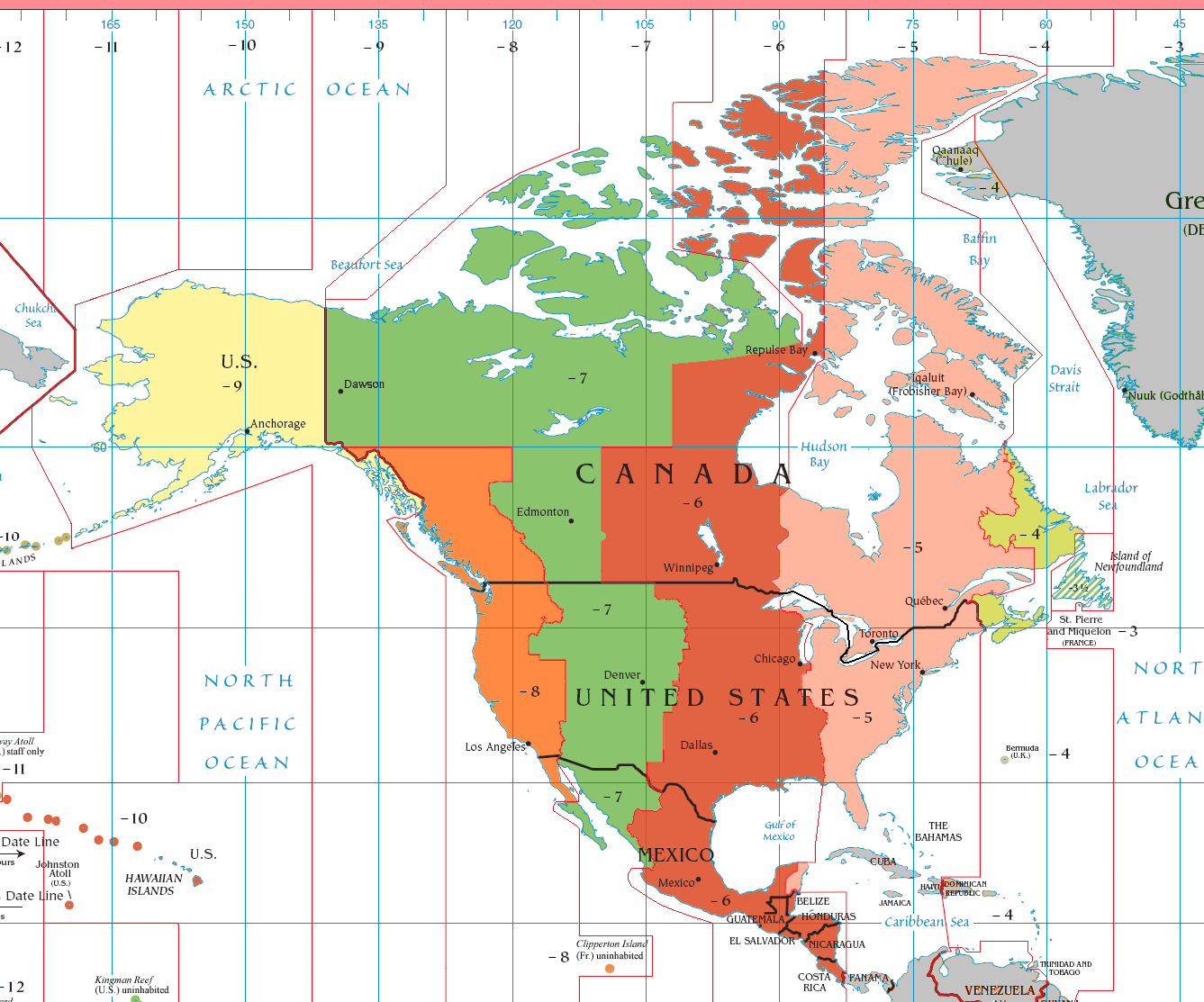
Central Standard Time (CST) is one of the primary time zones in North America, used by most of the central United States, parts of Canada, and Mexico. In the USA, it observes the UTC-6 offset during standard time. However, like many time zones in the country, it also observes Daylight Saving Time (DST). When DST is in effect, Central Time shifts to Central Daylight Time (CDT), observing a UTC-5 offset. This means that for roughly half the year, clocks are moved forward by one hour.
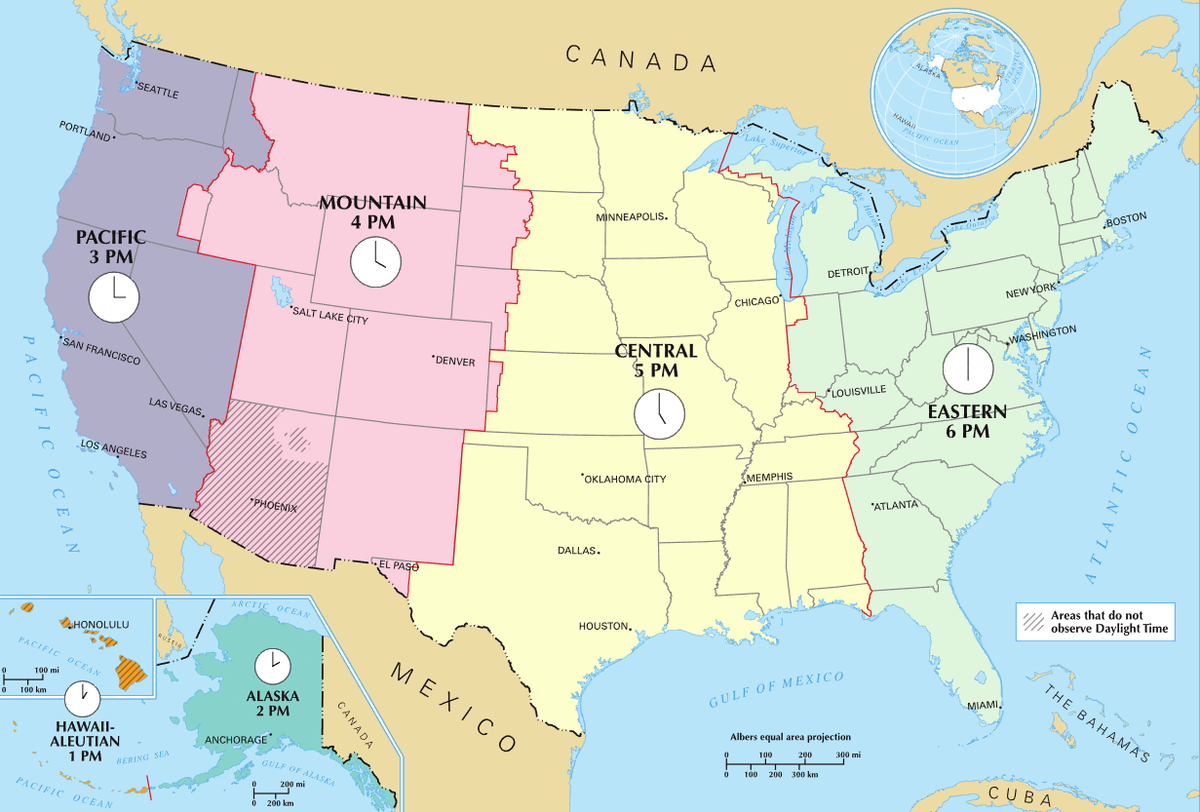
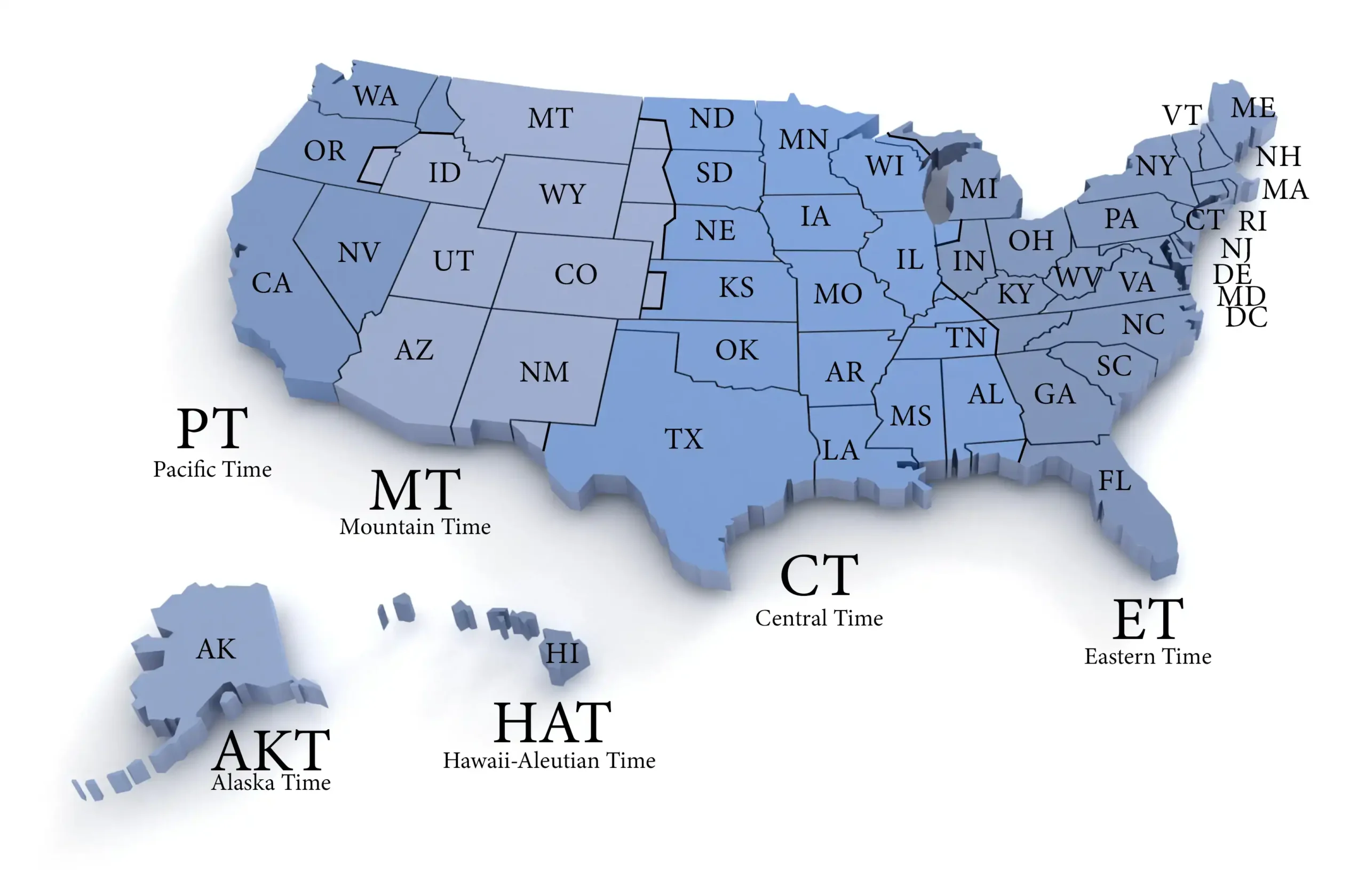
The geographical spread of Central Time is significant, encompassing a large portion of the country. From states like Texas, Illinois, and Minnesota to parts of Wisconsin, Missouri, and Oklahoma, Central Time dictates the rhythm of daily life for millions of Americans. Understanding this geographical spread is key to grasping the practical implications of CT time, especially when coordinating activities across different regions.
The Foundation: Standard Time and Daylight Saving Time
The distinction between CST and CDT is a critical element of understanding CT time. Standard Time is the baseline, where clocks are set to UTC-6. This is typically observed from the first Sunday in November until the second Sunday in March. During this period, the sun sets earlier, and the days are shorter.
Central Daylight Time, on the other hand, is the period when DST is active, usually from the second Sunday in March until the first Sunday in November. The purpose of DST is to make better use of daylight during the warmer months, extending daylight into the evening hours. This shift, while beneficial for many, also introduces a temporary disruption that needs to be accounted for in scheduling and planning.
It’s important to note that not all areas within the geographical footprint of Central Time observe DST. A few counties in states like Indiana and parts of Arizona, while geographically located within the Central Time Zone’s longitude, choose to remain on Mountain Standard Time year-round. This can lead to minor confusion, underscoring the need for precise communication when dealing with time-sensitive matters.
CT Time’s Influence on the Tech Landscape
In the realm of technology, precise timing and synchronization are paramount. From software updates and server operations to global communication and collaborative platforms, understanding and correctly implementing time zones like CT is essential for seamless functionality.
Navigating Software and App Operations
For software developers and IT professionals, managing time zones is a daily challenge. Applications, especially those with a national or international user base, must be designed to accurately display and process time according to the user’s local zone, or to offer user-selectable time zones. When dealing with CT, this means ensuring that data logging, scheduled tasks, and user-facing timestamps are correctly calibrated.
For instance, a cloud-based application might have its servers operating on UTC, but it needs to present information to a user in Chicago (CT) with the correct local time. This requires robust date and time handling libraries and careful consideration of DST transitions. A failure to do so can lead to incorrect reporting, missed deadlines, and user frustration.
Synchronization and Real-time Data
In many modern applications, real-time data synchronization is a key feature. Think of collaborative document editing tools, live chat applications, or financial trading platforms. In these scenarios, even a slight discrepancy in time can lead to data corruption or missed critical events. When users are spread across different time zones, including CT, developers must implement sophisticated synchronization protocols that account for these variations.
This often involves using a Universal Coordinated Time (UTC) as a reference point and then converting it to the user’s local time zone, including CT. The transition between CST and CDT adds another layer of complexity, as the offset changes twice a year. Developers must ensure their systems automatically adjust for these changes to maintain accuracy and prevent errors.
Digital Security and Time Stamping
Digital security relies heavily on accurate time stamping for audit trails, log analysis, and incident response. When security events occur, the timestamp associated with them is crucial for reconstructing the sequence of events, identifying the source of a breach, and determining the extent of damage. If timestamps are not accurate, due to incorrect time zone settings or DST issues, it can severely hamper forensic investigations.
For example, if a security log entry from a server in the CT zone is misattributed due to an incorrect DST calculation, investigators might wrongly assume an attack occurred at a different time, potentially leading them down the wrong investigative path. Therefore, maintaining accurate system clocks and correct time zone configurations, including CT, is a fundamental aspect of robust digital security.
Productivity Tools and Scheduling
Productivity is a core focus of many tech trends, and at the heart of productivity lies effective scheduling. Tools like calendars, project management software, and meeting schedulers all depend on accurate time zone management. When scheduling a meeting with colleagues across the country, understanding CT and how it relates to Pacific Time (PT), Mountain Time (MT), and Eastern Time (ET) is essential.
Imagine a project manager in New York (ET) trying to schedule a conference call with a team member in Dallas (CT) and another in Los Angeles (PT). Without a clear understanding of CT’s position relative to ET and PT, and accounting for DST, the meeting could be scheduled at an inconvenient time for one or more participants. Many modern scheduling tools automatically handle these conversions, but it’s still beneficial for users to have a foundational understanding of the time zones involved to avoid potential miscommunications.
CT Time and the World of Branding and Marketing
Brand consistency, effective communication, and strategic market penetration all hinge on a nuanced understanding of time zones. For businesses operating nationally, the CT time zone represents a significant segment of their target audience, and its unique characteristics must be integrated into marketing strategies.
Reaching the Central Time Audience
For brands aiming to connect with consumers in the heartland of America, understanding CT is paramount. Marketing campaigns, product launches, and promotional activities need to be timed to resonate with the daily routines of people living in this time zone. This means considering when the target demographic is most likely to be engaged with digital content, watch television, or make purchasing decisions.
For instance, a television advertisement scheduled to air during prime time in ET might be seen by some CT viewers in the late afternoon, impacting its reach and effectiveness. Conversely, a social media campaign might be optimized for peak engagement hours in CT, ensuring that posts are visible when the audience is most active online.
Targeted Campaigns and Promotions
When designing targeted marketing campaigns, marketers often segment audiences by location, and this includes time zones. Offers or announcements specifically aimed at CT residents might be timed to coincide with their typical work breaks, evening leisure hours, or weekend activities. This requires a deep understanding of the lifestyle and habits of the CT population.
Consider a flash sale announced by an e-commerce company. If the sale is advertised to begin at 9 AM ET, it will already be underway for CT customers at 8 AM. While this might seem minor, for time-sensitive promotions, this difference can affect initial uptake and perceived urgency. Businesses need to be mindful of these nuances to ensure their promotions land effectively.
Corporate Identity and National Presence
For companies with a national presence, maintaining a consistent corporate identity across all regions is vital. This extends to how they communicate time-related information. Whether it’s official announcements, customer support hours, or event invitations, ensuring clarity regarding CT is part of building a reliable and recognizable brand.
A company’s website might display customer service hours in both ET and CT, or explicitly state “operating hours are based on Central Time.” This level of detail demonstrates an understanding of their audience and a commitment to clear communication, which are hallmarks of strong corporate identity and reputation management.
Case Studies in Time Zone Strategy
Examining successful brands reveals how they leverage an understanding of time zones, including CT, in their strategies. Many national retailers, for example, adjust their online store hours or special offers based on different time zones. News outlets often provide reporting from a national perspective, but their live broadcasts or breaking news alerts will be tailored to reach different time zones effectively.
A notable example could be a large retail chain announcing a Black Friday sale. They will likely have a strategy that considers when the sale begins in each major time zone, including CT, to maximize customer participation and manage inventory effectively. This attention to temporal detail contributes to a positive customer experience and reinforces the brand’s operational efficiency.
CT Time and the Financial Sphere
In the fast-paced world of finance, every second counts. Time zones, and specifically CT, play a significant role in market operations, personal finance planning, and the accessibility of financial tools.
The Stock Market and Trading Hours
The major stock exchanges in the United States, such as the New York Stock Exchange (NYSE) and NASDAQ, are located in Eastern Time (ET). However, this doesn’t diminish the importance of CT for many investors and financial professionals. The opening and closing bell of the stock market has a direct impact on trading activity for individuals and institutions across all US time zones.
When the market opens at 9:30 AM ET, it’s 8:30 AM CT. Similarly, the market closes at 4:00 PM ET, which is 3:00 PM CT. This means that individuals in the CT zone have a slightly different window for active trading during market hours. Many traders and financial analysts in the CT zone will structure their workdays around these ET-based market times, making CT a crucial reference point for their operations.
Online Trading and Accessibility
The rise of online trading platforms has made financial markets more accessible to individuals regardless of their location. However, the timing of trades and the understanding of market volatility are still influenced by time zones. For example, news releases that impact market sentiment often occur at specific times, and their impact can be felt differently depending on when they are received in each time zone.
Financial apps and trading platforms need to accurately display market hours and price movements relative to the user’s local time zone, including CT. This ensures that users can make informed decisions and execute trades at opportune moments, without confusion caused by differing time displays.
Personal Finance and Income Planning
For individuals managing their personal finances, understanding CT can influence how they manage their money and plan for income. Many banks and financial institutions operate with specific hours of service, which may be tied to ET or CT. For example, if a crucial bank transfer needs to be initiated before a specific daily cutoff time, knowing the local CT equivalent of that cutoff is essential.
This also applies to online income streams and side hustles. If a freelancer is working with clients in different time zones, they need to be aware of how their working hours in CT align with their clients’ expectations. This could involve scheduling calls, meeting deadlines, and responding to communications in a timely manner, all of which are influenced by the CT clock.
Business Finance and Operational Efficiency
Businesses operating within or serving the CT zone must factor it into their financial planning and operational efficiency. This includes managing payroll, processing invoices, and coordinating with suppliers and customers.
For instance, a business based in Chicago (CT) might have its primary banking relationship with a local institution. Understanding the bank’s cutoff times for transactions, especially those impacting same-day processing, requires a clear grasp of CT. Similarly, if a business has operations in both CT and ET, they will need to develop internal protocols to ensure smooth financial coordination between these two zones, accounting for any differences in business hours or transaction deadlines.
Financial Tools and Time Zone Awareness
The proliferation of financial management tools, from budgeting apps to investment trackers, often requires users to input their location or time zone. These tools can then provide personalized insights and alerts. For users in the CT zone, ensuring the correct selection of Central Time (and specifying CST or CDT when applicable) is crucial for the accuracy of these tools.
This ensures that alerts for bill payments, investment opportunities, or market updates are delivered at the most relevant times, enhancing the user’s ability to manage their finances effectively. In essence, for anything involving financial transactions, deadlines, or market activity, an accurate understanding of CT is not just convenient, but often critical.
Conclusion: Mastering CT Time in a Connected World
In conclusion, understanding “what is CT time in the USA” goes far beyond simply knowing the offset from UTC. It involves appreciating its geographical reach, its dynamic nature with Daylight Saving Time, and its pervasive influence across technology, branding, and finance. In our increasingly interconnected digital world, where communication transcends borders and business operates around the clock, a precise grasp of time zones like Central Time is no longer a mere convenience; it is a fundamental necessity for efficiency, accuracy, and success.
Whether you are a developer building the next groundbreaking app, a marketer crafting a compelling brand message, or an individual managing your personal finances, a clear understanding of CT time will empower you to navigate the complexities of modern life with greater confidence and precision. It’s about ensuring your digital interactions are synchronized, your brand messages resonate effectively, and your financial decisions are well-timed. As the world continues to shrink, so too must our understanding of the temporal nuances that connect us all.
aViewFromTheCave is a participant in the Amazon Services LLC Associates Program, an affiliate advertising program designed to provide a means for sites to earn advertising fees by advertising and linking to Amazon.com. Amazon, the Amazon logo, AmazonSupply, and the AmazonSupply logo are trademarks of Amazon.com, Inc. or its affiliates. As an Amazon Associate we earn affiliate commissions from qualifying purchases.