
The question “what is a cruise?” might seem straightforward, conjuing images of vast ships sailing azure waters, adorned with swimming pools and buffets. Yet, beneath this surface-level understanding lies a sophisticated world where a cruise is not merely a mode of transport or a holiday package, but a meticulously crafted brand experience. In an industry worth billions, the definition of a cruise has been consistently shaped, redefined, and communicated through strategic branding, evolving from a niche luxury to a diverse, mainstream offering. This article delves into the essence of what a cruise represents through the lens of brand strategy, exploring how cruise lines build their identities, communicate their promises, and cultivate lasting relationships with their audiences.

The Evolving Brand Identity of Cruising
The brand identity of cruising has undergone a remarkable transformation, shedding antiquated perceptions to embrace a vibrant, multi-faceted appeal. Understanding what a cruise is today requires acknowledging this evolution and the core promises that define its brand.
From Niche Luxury to Mainstream Appeal
Historically, cruises were often perceived as the exclusive domain of the affluent, an opulent journey reserved for a select few. The imagery was one of formal wear, strict dining schedules, and sedate entertainment, appealing to an older, more traditional demographic. However, savvy brand repositioning efforts over several decades have fundamentally altered this perception. Cruise lines recognized the need to broaden their appeal, investing heavily in marketing campaigns that showcased a more dynamic, accessible, and diverse experience. This involved a deliberate shift away from the “blue rinse brigade” stereotype to embrace families, adventurers, young couples, and solo travelers. Through the introduction of innovative ship designs, a wider array of onboard activities, and flexible dining options, cruise brands successfully democratized ocean travel, making it a viable and attractive option for a much larger market segment. This strategic evolution highlights how effective branding can redefine an entire industry’s public image and market reach.
The Core Brand Promise: Freedom, Exploration, Relaxation, Convenience
Despite the vast diversity within the cruise industry, there are fundamental brand promises that consistently underpin the “what is cruise” definition. These core values are universally communicated, albeit with variations in emphasis, across different cruise lines. The promise of freedom resonates with the idea of escaping daily routines, making choices from a plethora of activities, or simply doing nothing at all. Exploration speaks to the allure of visiting multiple destinations without the hassle of packing and unpacking, offering a seamless journey through different cultures and landscapes. Relaxation is a cornerstone, positioning cruises as a sanctuary from stress, where every need is catered to, from gourmet dining to spa treatments. Finally, convenience is a powerful brand differentiator, as cruises offer an all-encompassing vacation experience where logistics are handled, budgets are simplified (often perceived as “all-inclusive”), and the journey itself becomes part of the destination. These promises form the bedrock of the cruise brand, appealing to deep-seated human desires for escape, discovery, and ease.
Overcoming Brand Crises and Rebuilding Trust
Like any major industry, cruising has faced significant brand challenges, from health scares like Norovirus outbreaks to high-profile incidents such as the Costa Concordia grounding, and most recently, the global impact of the COVID-19 pandemic. Each crisis presented an existential threat, demanding swift and strategic brand management to prevent lasting damage. Cruise lines responded by prioritizing transparency, implementing stringent health and safety protocols, and engaging in proactive public relations campaigns. The post-pandemic era, in particular, saw an unprecedented industry-wide effort to rebuild consumer confidence, emphasizing enhanced ventilation systems, rigorous testing, and vaccination requirements. Through these concerted efforts, cruise brands demonstrated resilience, adapting their operational models and communication strategies to reassure passengers. This ability to confront adversity, learn from incidents, and communicate a commitment to guest well-being is crucial in defining the enduring strength and trustworthiness of the cruise brand.
Crafting Diverse Cruise Brands: From Mass Market to Ultra-Luxury
The broad spectrum of the cruise market means that “what is a cruise” can vary dramatically depending on the specific brand in question. Cruise lines meticulously craft distinct identities to cater to a mosaic of consumer preferences, segmenting the market through deliberate differentiation strategies.
Market Segmentation and Brand Differentiation
The cruise industry is a masterclass in market segmentation and brand differentiation. Each major cruise line cultivates a unique brand persona designed to attract specific demographics. For families, brands like Disney Cruise Line or Royal Caribbean International brand themselves around elaborate entertainment, character experiences, and adventure-filled activities. Their marketing focuses on multi-generational fun and unforgettable memories. In contrast, luxury lines such as Seabourn or Silversea target affluent travelers with brands built on exclusivity, personalized service, and sophisticated itineraries, emphasizing gourmet dining, butler service, and intimate ship environments. Expedition brands like Viking or Hurtigruten appeal to explorers seeking immersive cultural experiences and off-the-beaten-path destinations, branding themselves around educational enrichment and adventure. This strategic branding ensures that regardless of an individual’s travel style or budget, there is a cruise brand tailored to their desires, making the definition of “what is a cruise” highly personal and varied.
The Role of Ship Design and Amenities in Branding
A cruise ship is more than just a vessel; it is a physical manifestation of the brand. The design, architecture, and onboard amenities are all strategically chosen to reinforce the cruise line’s brand identity. For example, a Royal Caribbean “Oasis-class” ship, with its sprawling neighborhoods, surf simulators, and zip lines, physically embodies the brand’s promise of active adventure and cutting-edge innovation. In contrast, a Regent Seven Seas vessel, characterized by opulent suites, refined lounges, and fine art collections, directly communicates its brand of understated luxury and elegance. The types of restaurants, entertainment venues, spa facilities, and even the decor choices all contribute to a cohesive brand experience. These physical attributes are not merely features; they are essential components of the brand narrative, providing tangible proof of the brand promise and shaping the guest’s perception of “what is a cruise” with that specific line.
Experiential Branding: Creating Unique Onboard and Onshore Experiences
At the heart of modern cruise branding is the concept of experiential marketing. Cruise lines don’t just sell cabins; they sell immersive experiences designed to resonate deeply with their target audience. This extends beyond standard amenities to curated activities and themed voyages. From culinary cruises featuring celebrity chefs to music festivals at sea, or even wellness-focused retreats, these unique experiences become powerful brand differentiators. Onshore, the brand experience continues with thoughtfully designed excursions that align with the cruise line’s overall identity—be it adrenaline-pumping adventures for active brands or culturally enriching tours for discovery-focused lines. By crafting unique narratives and ensuring consistency between onboard and onshore offerings, cruise brands create memorable moments that define their distinct identity and foster strong emotional connections with their guests.
Marketing the Dream: Communicating the Cruise Brand Promise
Communicating the multifaceted brand promise of a cruise requires sophisticated marketing strategies that resonate with potential travelers, transforming aspirations into bookings. Effective marketing is key to defining “what is a cruise” in the minds of consumers.
Visual and Verbal Branding: Slogans, Imagery, and Messaging
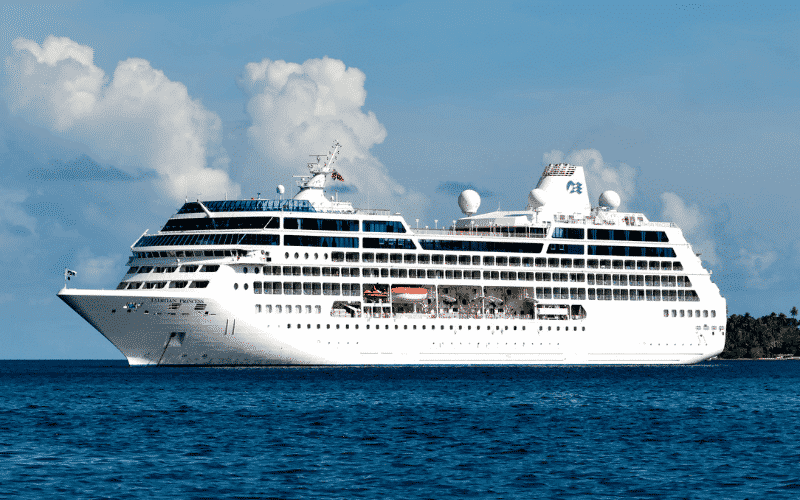
The visual and verbal elements of branding are critical in conveying the cruise experience. Iconic slogans like Carnival’s “The Fun Ships” or Royal Caribbean’s “Come Seek the Royal Life” instantly evoke specific emotions and expectations. High-quality imagery and video—showcasing smiling families, breathtaking destinations, gourmet meals, and exhilarating activities—are meticulously chosen to create a powerful aspirational narrative. The messaging across all channels consistently reinforces the brand’s unique selling propositions, whether it’s luxury, adventure, relaxation, or family fun. From television commercials to digital ads and brochures, every piece of communication is designed to paint a vivid picture of the dream vacation, ensuring that the brand promise is clearly understood and emotionally engaging. This deliberate consistency in visual and verbal branding helps solidify the “what is a cruise” definition for various market segments.
Digital Transformation in Cruise Marketing
The digital landscape has revolutionized how cruise brands connect with their audiences. Social media platforms, in particular, have become indispensable for engagement, allowing cruise lines to showcase their experiences through user-generated content, influencer collaborations, and live updates. Virtual tours of ships and destinations provide immersive previews, while personalized advertising leverages data analytics to target potential cruisers with highly relevant offers. Furthermore, engaging online communities and forums serve as brand advocates, sharing experiences and insights. This digital transformation has enabled cruise brands to reach wider audiences, build more interactive relationships, and maintain a constant dialogue, ensuring that their brand narrative remains dynamic and accessible in the ever-evolving definition of what a cruise entails.
Partnership Branding and Extended Reach
Cruise brands frequently engage in strategic partnerships to enhance their appeal and extend their market reach. Collaborations with celebrity chefs, renowned entertainment brands (like Cirque du Soleil or Broadway shows), or even luxury retail brands elevate the onboard experience and provide unique selling points. Co-marketing efforts with port destinations or tourism boards also broaden the brand’s exposure and align it with desirable travel narratives. These partnerships not only add value to the cruise experience but also lend credibility and prestige to the cruise line’s brand. By aligning with other respected brands, cruise lines effectively expand their brand identity, tapping into new audiences and reinforcing their position as leaders in leisure travel.
Beyond the Ship: The Brand Journey and Customer Experience
The brand experience of a cruise extends far beyond the physical boundaries of the ship, encompassing every touchpoint from initial inspiration to post-cruise engagement. This holistic approach ensures that the “what is a cruise” definition is consistently positive and deeply personal for each guest.
Pre-Cruise Branding: From Inspiration to Embarkation
The cruise brand journey begins long before the guest steps aboard. This pre-cruise phase is critical for setting expectations and building anticipation. User-friendly websites, intuitive booking platforms, and personalized pre-departure communications (e.g., welcome emails, packing tips, destination guides) all contribute to the brand experience. Mobile apps that allow guests to manage their bookings, explore shore excursions, and even check in online further streamline the process and reinforce the brand’s commitment to convenience and seamless service. Every interaction during this phase is an opportunity to reassure guests, address their queries, and solidify the promise of an upcoming dream vacation, ensuring that the brand’s identity is consistently communicated from the very outset.
Onboard Service and Brand Consistency
Once guests embark, the onboard service becomes the most tangible manifestation of the cruise brand. The training and professionalism of the crew are paramount in delivering the promised experience. Whether it’s the attentive service in a luxury dining room, the energetic entertainment staff, or the efficient cabin stewards, every interaction shapes the guest’s perception of the brand. Consistency in service standards, adherence to brand values, and proactive problem-solving are crucial for maintaining brand integrity. A cruise line that brands itself on personalized luxury must deliver just that, every single day. Deviations can quickly erode trust and damage the brand’s reputation, underscoring how vital operational excellence is to reinforcing the “what is a cruise” experience.
Post-Cruise Engagement and Loyalty
The brand journey doesn’t end when guests disembark. Post-cruise engagement is vital for fostering loyalty and encouraging repeat bookings. Loyalty programs, which reward returning guests with exclusive benefits and recognition, are a cornerstone of this strategy. Surveys and feedback mechanisms allow cruise lines to gather valuable insights, demonstrating that they value guest opinions and are committed to continuous improvement. Targeted re-engagement campaigns, personalized offers, and a strong presence on social media keep the brand top-of-mind. By maintaining a relationship long after the voyage concludes, cruise brands aim to transform first-time cruisers into brand advocates, ensuring that the positive definition of “what is a cruise” persists and encourages future travel.
Challenges and Future of Cruise Branding
The dynamic nature of travel and evolving consumer values present continuous challenges and opportunities for cruise branding, demanding adaptability and forward-thinking strategies.
Sustainability and Ethical Branding
A significant challenge and imperative for future cruise branding is addressing environmental concerns and promoting sustainable tourism. As awareness grows about the ecological impact of large vessels and tourism in sensitive areas, cruise brands must pivot towards ethical practices. Branding efforts increasingly highlight commitments to reducing emissions, minimizing waste, protecting marine ecosystems, and supporting local communities. Communicating these efforts authentically and transparently is crucial for resonating with environmentally conscious travelers and future-proofing the brand. For many, the definition of “what is a cruise” is now intrinsically linked to its environmental footprint, making sustainability a core component of brand value.
Personalization at Scale
The modern traveler expects personalized experiences, yet delivering this on vessels carrying thousands of passengers presents a unique branding challenge. Cruise lines are investing in technology to offer tailored itineraries, customized dining experiences, and individualized service while maintaining the consistent quality of the overarching brand. The future of cruise branding will involve leveraging AI and data analytics to understand guest preferences even before embarkation, creating highly personalized journeys that still feel cohesive and representative of the core brand promise. Balancing individual preferences with mass-market operations is key to a successful contemporary brand.

Adapting to Changing Consumer Values and Trends
Consumer values and travel trends are constantly shifting. The rise of experiential travel, a desire for authentic cultural immersion, and a focus on wellness are all impacting how people define their ideal vacation. Cruise brands must continually evolve their offerings and messaging to align with these trends. This might involve introducing more active, adventure-focused itineraries, incorporating local culinary experiences, or expanding wellness programs onboard. Brands that are agile in adapting their identity and product to these changing values will continue to thrive and redefine “what is a cruise” for future generations of travelers, ensuring relevance and sustained appeal in a competitive leisure market.
In conclusion, “what is a cruise” is far more than a simple description of a holiday at sea. It is a carefully constructed brand narrative, a promise of freedom, exploration, relaxation, and convenience, delivered through distinctive ship designs, curated experiences, and meticulous service. From its evolving identity to the challenges of sustainability and personalization, the definition of a cruise is intricately tied to its brand. Successful cruise lines don’t just sell travel; they sell a dream, an experience, and a lifestyle, all meticulously crafted and communicated through powerful branding.
aViewFromTheCave is a participant in the Amazon Services LLC Associates Program, an affiliate advertising program designed to provide a means for sites to earn advertising fees by advertising and linking to Amazon.com. Amazon, the Amazon logo, AmazonSupply, and the AmazonSupply logo are trademarks of Amazon.com, Inc. or its affiliates. As an Amazon Associate we earn affiliate commissions from qualifying purchases.