
In today’s rapidly evolving digital landscape, where innovation and creativity are the currency of success, understanding intellectual property rights, particularly copyright, is no longer an optional extra – it’s a fundamental necessity. Whether you’re a budding tech entrepreneur building the next groundbreaking app, a brand strategist crafting a compelling corporate identity, or an individual looking to monetize your unique skills through online income, copyright plays a crucial role in safeguarding your hard work and ensuring you reap the rewards of your intellectual labor.
The internet has democratized creation and dissemination, allowing anyone with an idea to share it with a global audience. This accessibility, while empowering, also presents new challenges. How do you prevent others from simply copying your software code, lifting your brand’s visual identity, or repurposing your online course content without your permission? This is where copyright steps in, providing a legal framework to protect original works of authorship.
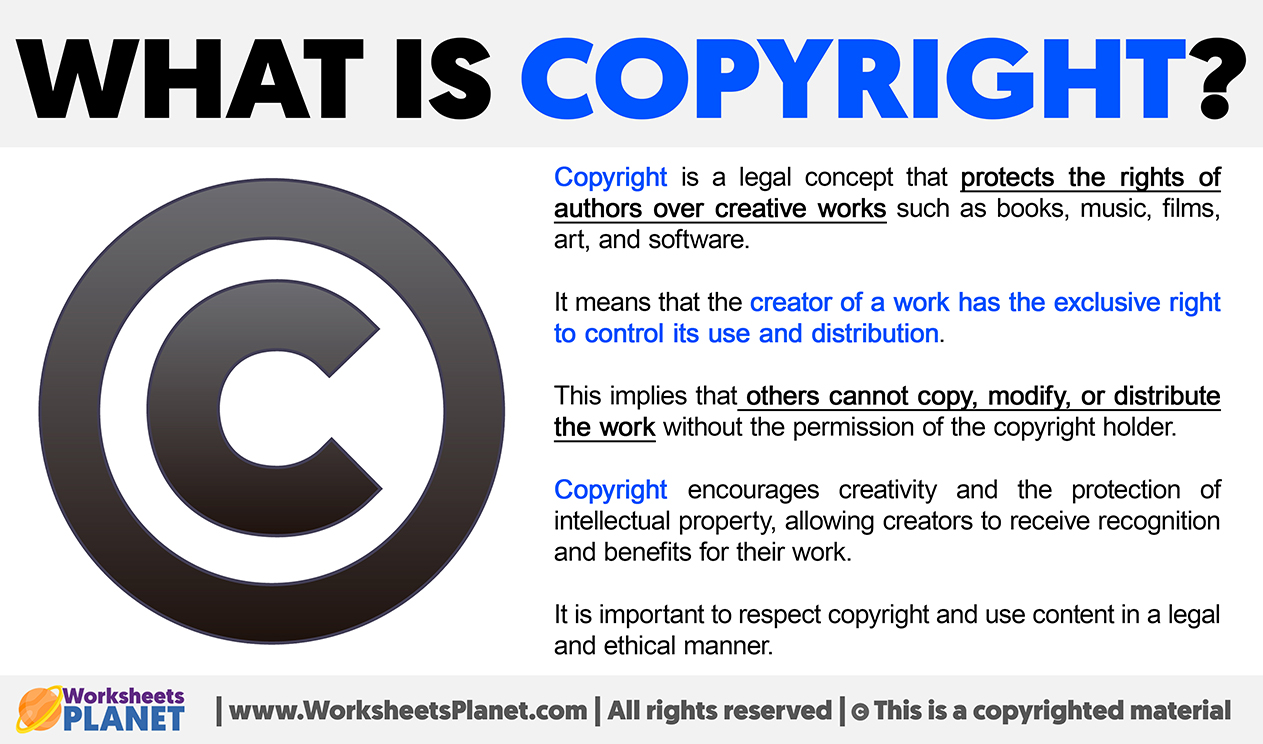
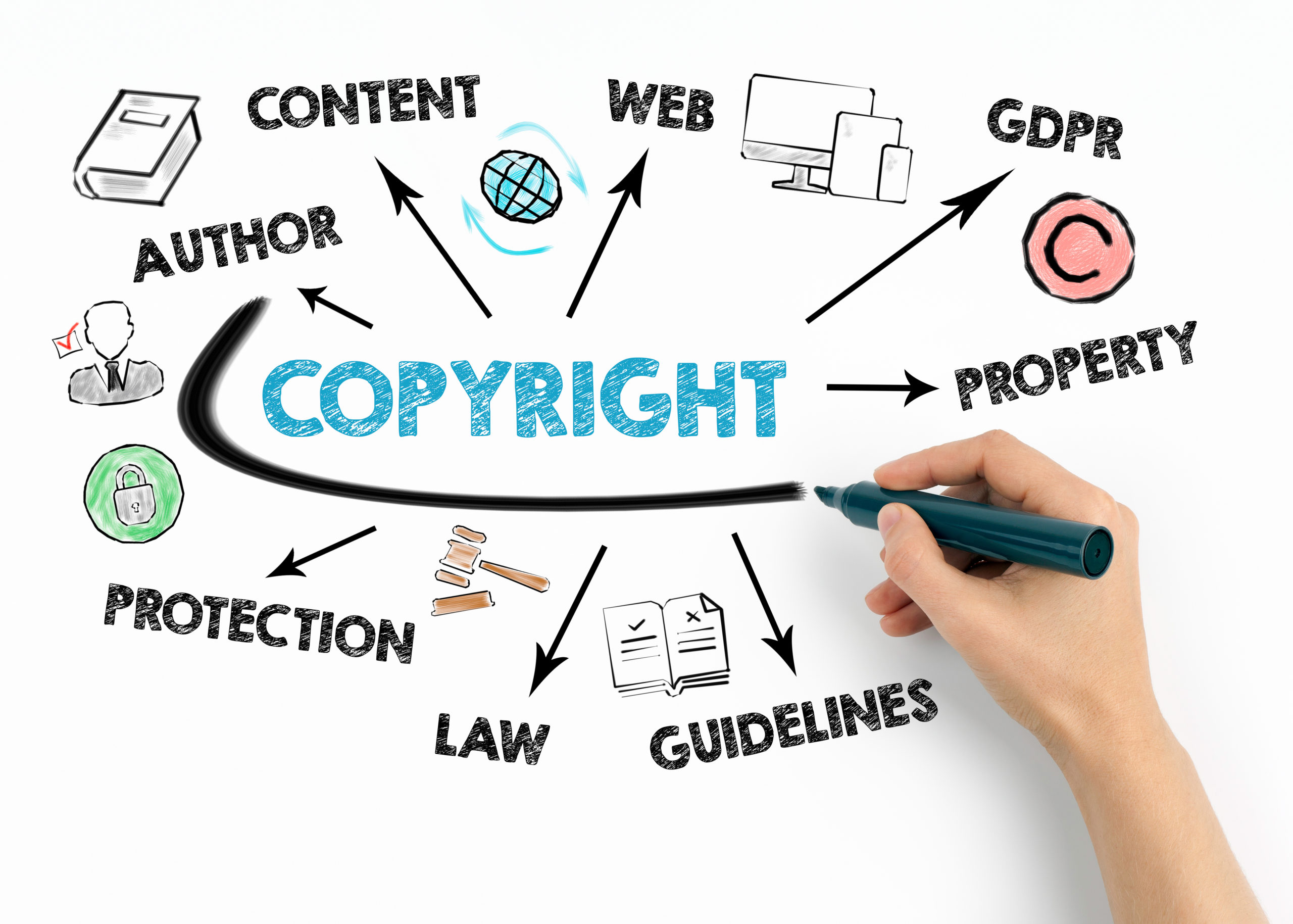
This article will delve into the intricacies of copyright, exploring its foundational principles, its relevance across the diverse domains of technology, branding, and personal finance, and practical strategies for protecting your digital creations.
Understanding the Pillars of Copyright: What it Protects and How it Works
At its core, copyright is a legal right granted to the creator of original works of authorship. This protection extends to a wide range of creative expressions, from literary and artistic works to software, music, and even certain types of digital designs. The fundamental requirement for copyright protection is originality and fixation in a tangible medium. This means the work must be independently created by the author and be expressed in a form that can be perceived, reproduced, or communicated.
What Constitutes a Copyrightable Work?
Copyright protection is not a one-size-fits-all concept. It applies to distinct categories of creative output:
- Literary Works: This encompasses books, articles, poems, scripts, computer programs, and even databases. The intellectual content and the unique expression of ideas are what is protected.
- Musical Works: This includes compositions and any accompanying lyrics. The melody, harmony, and rhythm are covered, as well as the written or recorded performance.
- Dramatic Works: Plays, screenplays, and other works intended for performance fall under this category.
- Pantomimes and Choreographic Works: The sequence of movements and gestures in a performance can be copyrighted.
- Pictorial, Graphic, and Sculptural Works: This includes paintings, drawings, photographs, maps, and three-dimensional artworks.
- Motion Pictures and Other Audiovisual Works: Films, television programs, and video games are protected as a whole.
- Sound Recordings: The actual recorded performance of a musical work or other audio content is a separate copyrighted work.
- Architectural Works: The design and plans for buildings, as well as the buildings themselves, can be protected.
It’s crucial to understand what copyright doesn’t protect. It does not cover ideas, facts, systems, methods of operation, or short phrases and slogans (though these might be protected under trademark law). The law protects the expression of an idea, not the idea itself. For instance, the concept of a dating app is not copyrightable, but the specific code, user interface design, and written content of that app are.
How Copyright Protection Arises and Its Duration
One of the most significant aspects of copyright is that protection arises automatically the moment an original work is fixed in a tangible medium. You don’t need to register your work with a copyright office to have rights. However, registration offers significant advantages.
The Automatic Nature of Copyright
When you write an article, compose a song, design a logo, or develop a piece of software, copyright protection is inherently yours from that moment. This automatic protection is a cornerstone of copyright law, ensuring that creators don’t have to jump through hoops to secure basic rights. However, this automatic protection can make enforcing your rights more challenging if you haven’t formally documented your ownership.
The Benefits of Copyright Registration
While not mandatory for protection, registering your copyright with the relevant national copyright office (e.g., the U.S. Copyright Office) provides substantial benefits:
- Public Record of Ownership: Registration creates a public record of your copyright, which can be crucial in legal disputes.
- Ability to Sue for Infringement: In many jurisdictions, you cannot file a lawsuit for copyright infringement until your work has been registered.
- Presumption of Validity: Registered copyrights are presumed valid, placing the burden of proof on the infringer to challenge your ownership.
- Eligibility for Statutory Damages and Attorney’s Fees: If infringement occurs after registration, you may be eligible to claim statutory damages (fixed amounts determined by law) and recover your attorney’s fees, which can significantly enhance the value of an infringement claim.
The duration of copyright protection varies by country and the type of work, but generally, it lasts for the life of the author plus a certain number of years (often 70 years) for works created by individuals. For works made for hire or anonymous works, the term is typically shorter, often 95 years from publication or 120 years from creation, whichever is shorter.
Copyright in the Tech Ecosystem: Securing Your Digital Innovations
The technology sector is a hotbed of innovation, and copyright is indispensable for protecting the fruits of this creativity. From software code to digital designs and online content, understanding copyright is paramount for tech companies, developers, and digital creators.
Protecting Software and Digital Assets
Software is a prime example of a work protected by copyright. The source code, object code, and the user interface design are all subject to copyright. This means that unauthorized copying, distribution, or modification of your software can constitute infringement.
- Software Development: Developers must be mindful of the copyright they hold in their code. Open-source licenses, while allowing for collaboration, also have specific terms and conditions that must be adhered to. Proprietary software, on the other hand, requires strict copyright protection to maintain its commercial value.
- Digital Content: Images, videos, audio files, and even the text on websites are all protected by copyright. Businesses and individuals must ensure they have the necessary rights to use any digital content they feature, whether it’s on their website, social media, or marketing materials. Stock photo services, for instance, license the use of images under specific copyright terms.
- AI-Generated Content: The rise of AI tools has introduced new complexities. While the legal status of AI-generated content is still evolving, the underlying algorithms and datasets used to train AI models may themselves be protected by copyright. Furthermore, the prompt engineering that leads to specific outputs could be argued as a creative expression. Businesses utilizing AI should have clear policies regarding the ownership and usage rights of AI-generated content.
Licensing and Enforcement in the Digital Realm
Copyright is not just about preventing others from copying; it’s also about enabling controlled use through licensing.
- Software Licensing: This is a core aspect of the software industry. Licenses grant users permission to use software under specific terms, such as single-user licenses, site licenses, or subscription models. Understanding these licenses is critical for both developers and users to avoid infringement.
- Digital Rights Management (DRM): Technology companies often employ DRM systems to control how digital content can be accessed and used, further reinforcing copyright protections.
- Enforcement Strategies: For tech companies and digital creators, proactive enforcement is key. This can involve watermarking digital assets, monitoring for unauthorized use, sending cease and desist letters, and, if necessary, pursuing legal action for infringement.
Copyright for Brands: Safeguarding Your Identity and Reputation
In the competitive business landscape, a strong brand is a valuable asset, and copyright plays a vital role in protecting its core elements. From logos and taglines to marketing materials and unique website designs, copyright ensures that your brand’s identity remains yours.
Protecting Brand Identity Elements
- Logos and Visual Identity: A company’s logo is often its most recognizable symbol. The artwork of the logo is protected by copyright. While a logo might also be eligible for trademark protection (as a distinctive signifier of goods or services), the artistic creation itself is safeguarded by copyright.
- Marketing and Advertising Materials: The creative content of your marketing campaigns, including advertisements, brochures, videos, and social media posts, is protected by copyright. This prevents competitors from simply copying your successful marketing strategies.
- Website Design and Content: The unique layout, graphics, and written content of your website are all subject to copyright. This includes the user experience (UX) design elements that contribute to your brand’s digital presence.
Branding and IP Strategy
Integrating copyright into a broader intellectual property (IP) strategy is essential for comprehensive brand protection.
- Co-ownership and Collaborative Works: When multiple parties collaborate on branding elements, such as a design agency and a client, clear agreements on copyright ownership and usage rights are crucial to avoid future disputes.
- Case Studies and Reputation: If your brand is built on showcasing successful projects or case studies, the content of these materials, including the written narratives and any accompanying visuals, is protected by copyright. This prevents others from exploiting your proven track record without your consent.
- Brand Dilution and Infringement: Unauthorized use of your copyrighted brand elements can lead to brand dilution, where your brand’s distinctiveness is weakened, or outright infringement, where your protected works are used in a way that suggests affiliation or endorsement.
Copyright in the Realm of Money: Monetizing Your Creativity and Financial Knowledge
For individuals and businesses looking to generate income online, understanding copyright is fundamental to protecting the assets they monetize and ensuring they receive fair compensation for their creative endeavors.
Monetizing Original Works and Intellectual Property
- Online Courses and Educational Content: If you create online courses, e-books, or any form of educational material, the content you produce is protected by copyright. This prevents others from pirating your courses or reselling them as their own.
- Digital Products and Services: Whether you’re selling templates, stock photography, music, or software, the underlying creative works are copyright protected. Licensing these products allows you to control how they are used and generate revenue.
- Side Hustles and Freelancing: Freelancers, such as writers, designers, photographers, and programmers, create original works for their clients. Clear copyright agreements, often included in service contracts, are essential to define who owns the rights to the final deliverables. This ensures that the freelancer is compensated for their creative input and that the client receives the rights they need.
Financial Implications of Copyright Infringement and Protection
- Lost Income and Damages: Copyright infringement directly impacts your earning potential. When your work is stolen, you lose potential sales, licensing fees, and opportunities. In legal battles, statutory damages and actual damages (lost profits) can be awarded to copyright holders.
- Financial Tools for IP Management: Various financial tools and services exist to help individuals and businesses manage their intellectual property. This can include IP valuation services, licensing platforms, and legal services specializing in IP protection.
- Investing in Copyrighted Assets: Understanding copyright is also relevant for investors. For example, investing in companies whose primary assets are intellectual property (like software companies or media conglomerates) requires an appreciation for how copyright contributes to their valuation and revenue streams.

Conclusion: Navigating the Digital Landscape with Copyright Confidence
In the interconnected world of technology, brands, and money, copyright is an indispensable tool for safeguarding creativity, fostering innovation, and ensuring fair compensation. From the intricate lines of code powering your next app to the compelling narrative of your brand’s story, and the valuable knowledge you share to generate online income, your original works deserve protection.
By understanding what copyright protects, how it arises, and the benefits of formal registration, you can confidently navigate the digital landscape. Proactive measures, including clear licensing agreements, robust enforcement strategies, and integrating copyright into your broader intellectual property strategy, are essential for thriving in the modern economy. Empower yourself with the knowledge of copyright, and protect the value of your creations for years to come.
aViewFromTheCave is a participant in the Amazon Services LLC Associates Program, an affiliate advertising program designed to provide a means for sites to earn advertising fees by advertising and linking to Amazon.com. Amazon, the Amazon logo, AmazonSupply, and the AmazonSupply logo are trademarks of Amazon.com, Inc. or its affiliates. As an Amazon Associate we earn affiliate commissions from qualifying purchases.